
Last updated November 18, 2026
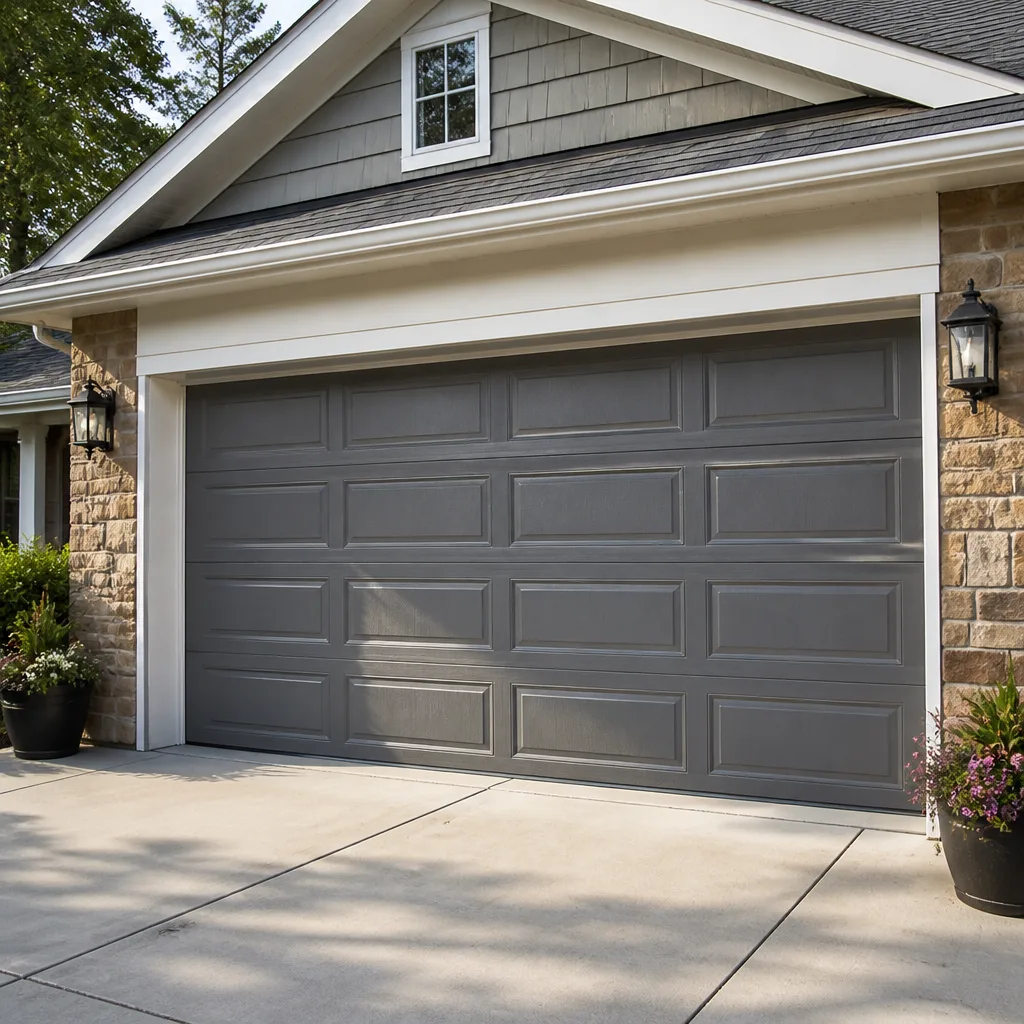 Raised-panel steel
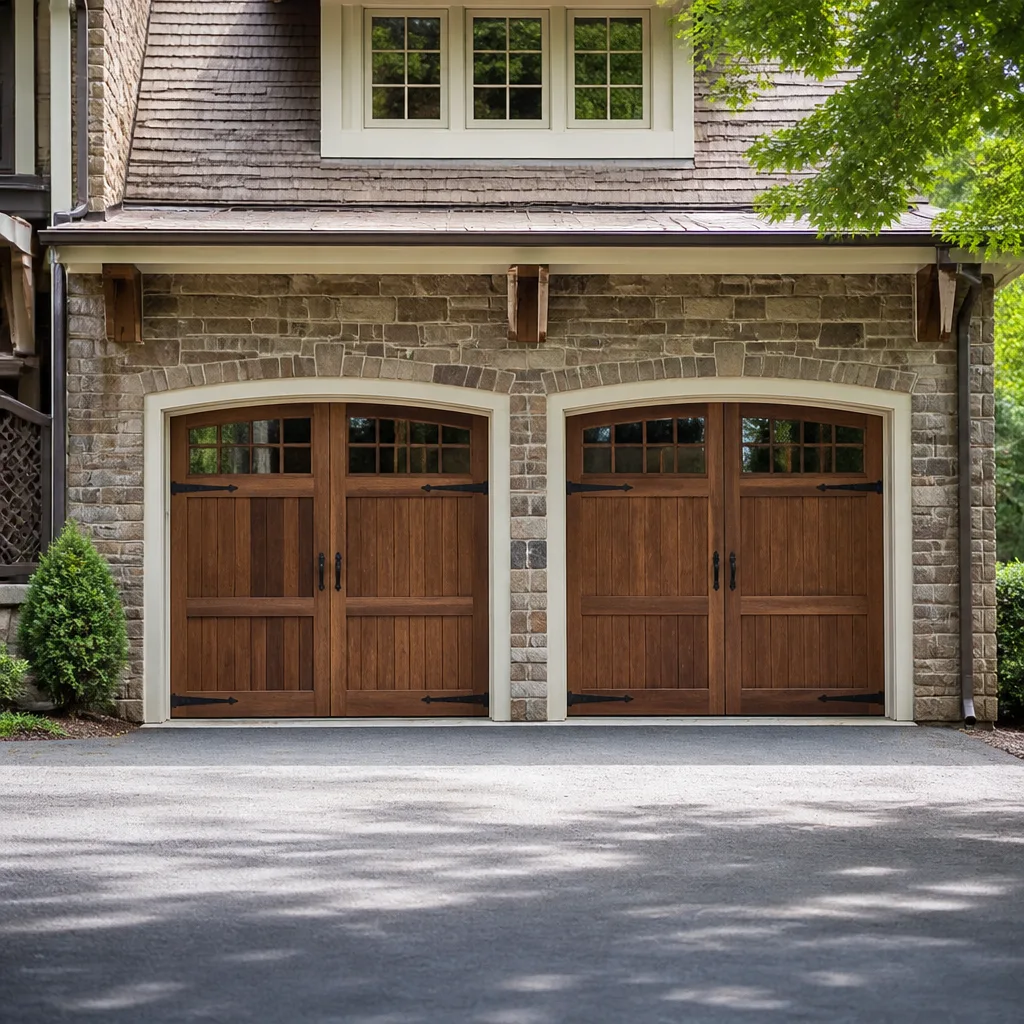 Carriage house
 Modern flush
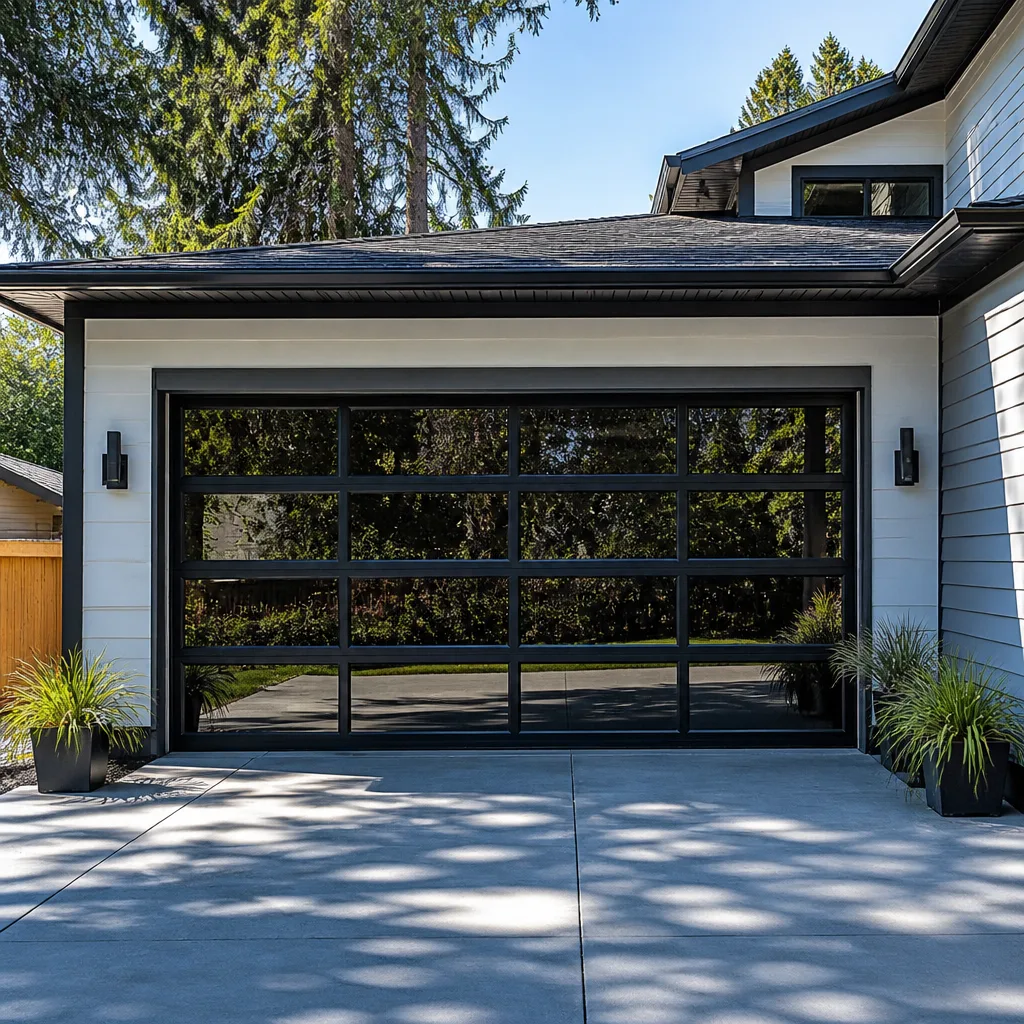 Full-view glass
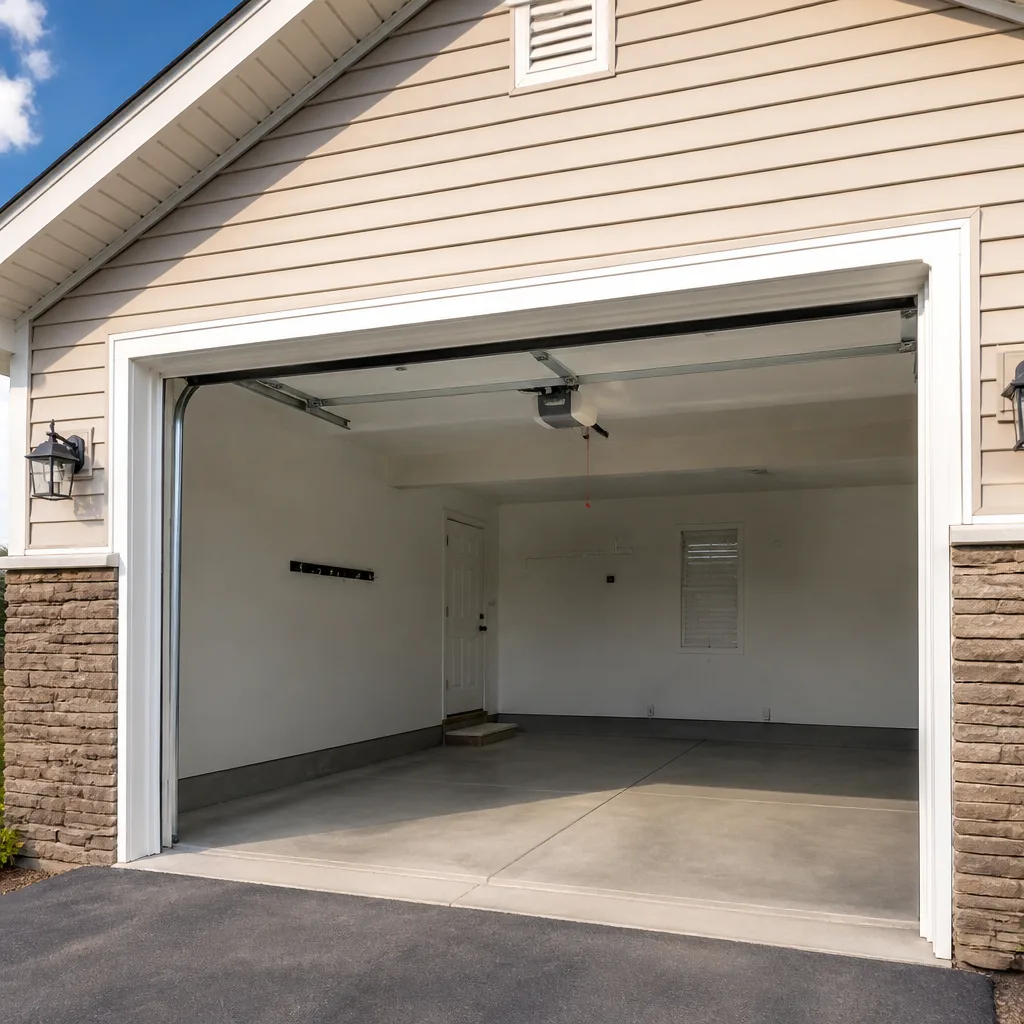 LiftMaster openers
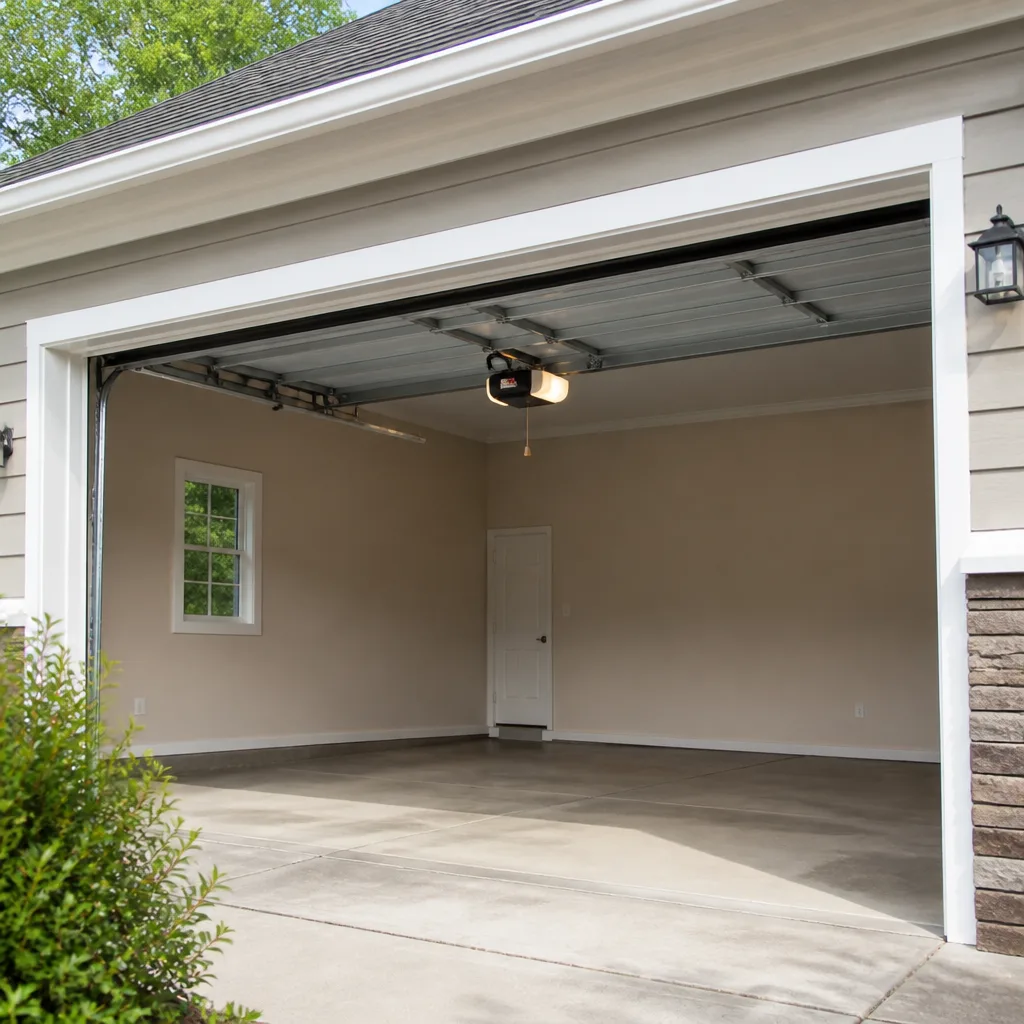 Chamberlain openers
Full 25-point door and opener safety check with every visit - springs, cables, rollers, tracks, and your LiftMaster or Chamberlain opener included
You get a price before we start. It does not change when the pro arrives.
Get your free estimateGarage Door Parts Maintenance Schedule: What to Do and When
Lubricating your garage door springs in a 110°F Nevada summer does almost nothing if the nylon rollers dried out six months earlier. That’s the problem with most maintenance advice: it treats every part as if it wears at the same rate. In Boulder City, heat and single-digit humidity push certain components to fail in a specific order, and the calendar most homeowners follow has them greasing the wrong things at the wrong time. This guide ranks parts by how fast they actually fail in the Mojave climate and gives you a 12-month schedule built around that sequence, not around a generic checklist.
Quick Answer
In Boulder City’s high-heat, low-humidity climate, inspect nylon rollers, the bottom seal, and cable drums first, then springs and hinges, in a 12-month rotation with a hands-on check each spring and fall. Lubricate metal moving parts every six months, but only after you’ve confirmed the rollers and seals are still sound. Skip that order and you’ll spend money on grease while the parts that actually fail first go unchecked.
Styles & brands we work with
- Raised-panel steel
- Carriage house
- Modern flush
- Full-view glass
- LiftMaster openers
- Chamberlain openers
Table of Contents
- Why annual maintenance schedules fail in Boulder City
- The order parts fail in desert heat
- The three parts that need attention before your springs
- The 12-month task table for Boulder City
- Pass/fail inspection criteria for each part
- What you can safely check yourself, and what you can’t
- What a 90-day written warranty on parts work actually covers
- Common mistakes to avoid
Why annual maintenance schedules fail in Boulder City
A calendar tells you it’s been 12 months since the last tune-up. It doesn’t tell you the door has cycled 4,000 times in that year, or that a July heat wave pushed surface temperatures on a south-facing door past 140°F. Parts don’t degrade on a schedule. They degrade on cycles and temperature swings, and both run high here.
Boulder City sits at roughly 2,500 feet in the Mojave, which means long stretches above 100°F in summer and nights that drop 30 degrees or more. That daily swing is what does the quiet damage. Metal expands and contracts, plastic and nylon stiffen and crack, and rubber seals dry out until they split. A homeowner in the historic district with a shaded north-facing garage will see slower wear than someone on a west-facing wall out toward the edge of town. Same town, same year, different failure timeline.
We’ve seen this pattern repeat across Boulder City for years. A door that cycles eight or ten times a day, which is normal for a household that parks two cars and uses the garage as the main entry, will wear through a set of nylon rollers in three to four years in this heat. The same rollers in a mild coastal climate last twice that. The schedule has to reflect the climate, and the climate here is dry, hot, and hard on anything made of plastic or rubber.
One more thing most guides miss: in a low-humidity climate you don’t get much rust. That’s good news for steel tracks and hinges, and it’s why we don’t put the same emphasis on rust inspection that guides written for the Midwest do. The tradeoff is that dryness makes rubber brittle and nylon chalky, and neither of those shows up until the part snaps. The full picture of how these failures play out locally is covered on our garage door repair in Boulder City page.
The order parts fail in desert heat
Rank the parts on your door by how fast they wear out in this climate, and the list looks different from most published schedules. Here’s the order we see, fastest to slowest:
- Nylon rollers – the first to go. Heat makes nylon brittle, and a brittle roller grinds against the track instead of rolling. Three to four years is a realistic service life here.
- Bottom seal – rubber dries and cracks from sun and heat at the door’s base, where it sits closest to the hot concrete. Two to four years, faster on a sun-facing door.
- Cable drums – the drums themselves are steel, but the cable wraps and the drum bearings take a beating from constant temperature cycling. Inspect these well before you inspect springs.
- Springs – torsion springs cycle and eventually snap, usually in the range of seven to ten years for a standard cycle count. In extreme heat that window shortens.
- Hinges and bearings – steel parts wear slowly here because there’s almost no rust, so lubrication every six months keeps them running well past a decade.
- Tracks – the slowest to fail. Alignment issues and impact damage cause more track problems than wear does.
The takeaway is simple. If you only have time or money to check a few things this season, check the top of that list. Rollers and seals cost less to replace and cause more noise, drag, and opener strain than any other parts on the door. Springs get all the attention because they’re the dramatic failure, but they’re rarely the first.
Different hardware ages at different rates too. A heavier wood door on Raynor hardware loads its rollers and drums harder than a lighter steel door, and an older Craftsman opener paired with worn rollers runs hotter and louder as it struggles. The door’s age and weight matter as much as the calendar.
The three parts that need attention before your springs
Before you think about springs, look at these three. In our experience across Boulder City, they’re the parts quietly causing most of the problems homeowners blame on the door itself.
1. Nylon rollers
Rollers are the small wheels that ride in the track. When they’re new they roll smooth and quiet. As the nylon dries out in the heat, they develop flat spots and stop rolling, and a roller that skids instead of rolls drags the whole door. The tell is a grinding or scraping sound as the door moves, and a door that seems to shudder rather than glide. Worn rollers also put extra load on the opener, which shortens the opener’s life. Replacing a full set of rollers is one of the least expensive maintenance jobs on a garage door, and it makes the biggest difference to how the door feels.
2. Bottom seal
The bottom seal is the rubber strip along the base of the door. It keeps out dust, wind, and small pests, and in Boulder City’s dry air it’s also the fastest thing on the door to crack. Run your hand along it and look for splits, a hard crusty texture, or gaps where it no longer meets the floor. A failed seal lets in the fine desert dust we all know, and it lets the summer heat creep under the door. Replacement is quick and inexpensive, and you’ll notice the difference in both draft and dust.
3. Cable drums
The cable drums are the grooved spools at the top corners where the lift cables wind. Cables under tension are dangerous, and we don’t recommend homeowners work on them, but you can inspect visually. Look for cable that has jumped out of its groove, frayed strands, or a drum that looks cocked or loose. Any of those mean a call, not a project. This is exactly the kind of check that a trained technician makes in a couple of minutes, which is why it belongs at the front of the schedule rather than buried at the end.
If you’re not sure what you’re looking at, that inspection is one of the standing offers at Mainspring Garage Door Co. Boulder City home: a free second opinion on any written estimate. We’d rather look at your drums before they fray than after.
The 12-month task table for Boulder City
This is the schedule we’d hand a neighbor. It’s built around the local climate: spring and fall are your deep-check months, summer is a light month because it’s too hot to spend time in the garage, and winter is a good time to catch up on lubrication and seals.
- January – Lubricate hinges, bearings, and the torsion spring coils with a garage-door lubricant. Replace the bottom seal if it’s brittle from last summer.
- February – Inspect all nylon rollers by hand. Replace any that feel flat, cracked, or chalky. Check that the door balances when you release the opener.
- March – Spring inspection: check for gaps in the coils, listen for a bang, and confirm the door is quiet. This is the deep-check month. Call for a professional if you hear anything odd.
- April – Check cable drums and the lift cables visually. Look for fraying, jumping, or a slack cable. Lubricate the rollers that survived.
- May – Inspect and lubricate hinges and the opener’s chain or belt. Check the safety sensors with a quick test.
- June – Light month. Test the door’s balance and the auto-reverse safety feature. That’s it.
- July – No work. It’s 110°F out there. Check nothing, do nothing, and call if the door misbehaves.
- August – Light inspection only. Listen for new noises from the rollers after the summer heat. Note anything unusual for fall.
- September – Second deep-check month. Reinspect rollers and the bottom seal after summer. This is the most likely month to find heat damage.
- October – Lubricate all moving metal parts. Tighten any loose track brackets. Inspect the spring one more time.
- November – Check the opener’s force setting and the safety sensors again as the nights cool.
- December – Replace the bottom seal if it didn’t get done in the fall. Do a final roller and hinge check before winter.
Two deep checks per year, with light lubrication and inspection in between, is the right rhythm for Boulder City. If your door cycles unusually often, say it’s the main entry for a busy household, move the roller inspection up to three times a year. The schedule isn’t the point. The parts are.
If you’d rather have a trained set of eyes do the deep checks, our garage door opener in Boulder City service also covers the full door inspection, because the opener and the door’s parts are a team. A door with worn rollers makes the opener work harder, and that’s how openers get blamed for a door problem.
Pass/fail inspection criteria for each part
You don’t need a checklist full of jargon. You need to know what “good” looks like and what “replace it” looks like. Here’s how to judge each part with your own hands and eyes, no tools required beyond a flashlight.
- Nylon rollers – Pass: each roller spins freely and feels firm. Fail: flat spots, cracks, a chalky white surface, or a roller that won’t spin. Replace any that fail.
- Bottom seal – Pass: flexible, intact, sitting flush with the floor. Fail: splits, a hard crusty texture, missing chunks, or visible daylight under the door.
- Cable drums – Pass: cables seated neatly in their grooves, no fraying. Fail: a cable out of its groove, a loose or cocked drum, or any frayed strand. Call a professional.
- Springs – Pass: coils evenly spaced with no gap. Fail: a visible gap in the coil, a banging sound, or a door that won’t lift. Stop and call; this is the dangerous one.
- Hinges – Pass: quiet, tight, no wear at the pivot. Fail: loose or wobbling hinges, metal shavings, or a squeal that lubrication doesn’t fix.
- Tracks – Pass: straight, securely fastened, parallel to the door. Fail: dents, gaps at the brackets, or a door that binds in one spot.
That’s six checks and a flashlight. Done twice a year, it catches almost everything before it becomes a repair. The one we want you to be careful with is the spring check. Look, don’t touch. A garage door spring under tension can injure you badly if it lets go while you’re near it. If you see a gap in the coil, stop and call.
What you can safely check yourself, and what you can’t
Some of this work belongs in your own hands. Some doesn’t. Knowing the difference is part of the schedule.
You can safely lubricate hinges, bearings, and the spring coils, replace your bottom seal, tighten a loose track bracket, and test the opener’s safety sensors and auto-reverse. You can inspect rollers by hand and note which ones need replacing. Those are low-risk tasks with real payoff.
You should not work on the springs or the cables. Torsion springs carry the door’s whole weight under tension, and a spring that’s wound or unwound incorrectly can snap with enough force to cause serious injury. Cables are under the same tension. This isn’t caution for the sake of caution. It’s the single most common serious injury in garage door work, and it’s why trained technicians handle it. We’d rather you replace a $5 roller yourself and call us for the spring. Getting the balance wrong on a spring adjustment can also damage the door and opener, which turns a professional job into an expensive one.
The parts supply side matters here too. A lift cable or a properly rated spring needs to match the door’s weight and track, and a mismatched part is its own hazard. This is why we keep the right parts on the truck for every job. If you’re fitting a new opener to an older door, our garage door installation in Boulder City team makes sure the parts all match before the door goes up.
What a 90-day written warranty on parts work actually covers
A 90-day written warranty on parts work means that if a part we replaced fails within 90 days, we come back and make it right at no charge. It’s in writing on every job, and there’s no arguing about it.
What that changes for you: it removes the risk from the calls you’re most hesitant to make. If a roller we installed starts grinding in week six, or a new bottom seal starts to split, you call and we handle it. The reason 90 days is a meaningful number here is that most parts failures from a bad install or a defective part show up within the first few weeks of regular use. In Boulder City’s heat, a part that’s going to fail early often does so faster than in a milder climate, which makes the warranty window more useful, not less. It covers the parts we supply and the work we do, in writing, with no dispute process.
What it doesn’t do is cover wear from normal use past 90 days, or damage from something else, like hitting the door with a car. That’s normal. What matters is that you know exactly what’s covered before the work starts, because we state the price upfront and the terms in writing. A live person answers every call, day or night, so you’re never stuck explaining a problem to a voicemail.
Common Mistakes to Avoid
- Lubricating before inspecting. Grease on a cracked roller or a dried-out seal just hides the failure. Check the rollers and seals first, then lubricate what’s left. This is the single mistake we see most in Boulder City.
- Following a generic annual schedule. A 12-month calendar written for a mild climate will have you checking springs while your rollers quietly fail. Use the failure order in this guide, not someone else’s checklist.
- Using the wrong lubricant. WD-40 and household oils attract dust and gum up in the heat. Use a purpose-made garage door lubricant, and never put oil on the rollers or the tracks.
- Ignoring the bottom seal because the door still closes. A cracked seal lets in the desert dust and heat, and it’s the cheapest fix on the list. Replace it when it’s brittle, not when the door stops working.
- Adjusting springs yourself. This is the mistake with real consequences. Springs and cables are under enough tension to injure you, and a wrong adjustment can damage the door and opener. Leave them to a trained technician.
- Skipping the fall deep check. Summer is the hardest season on your door’s parts. If you only check once, check after summer, not before it.
- Waiting for a bang before calling. A snapped spring is loud, but most failures give warning signs first: noise, shudder, a door that feels heavy. Catching those early is what this schedule is for.
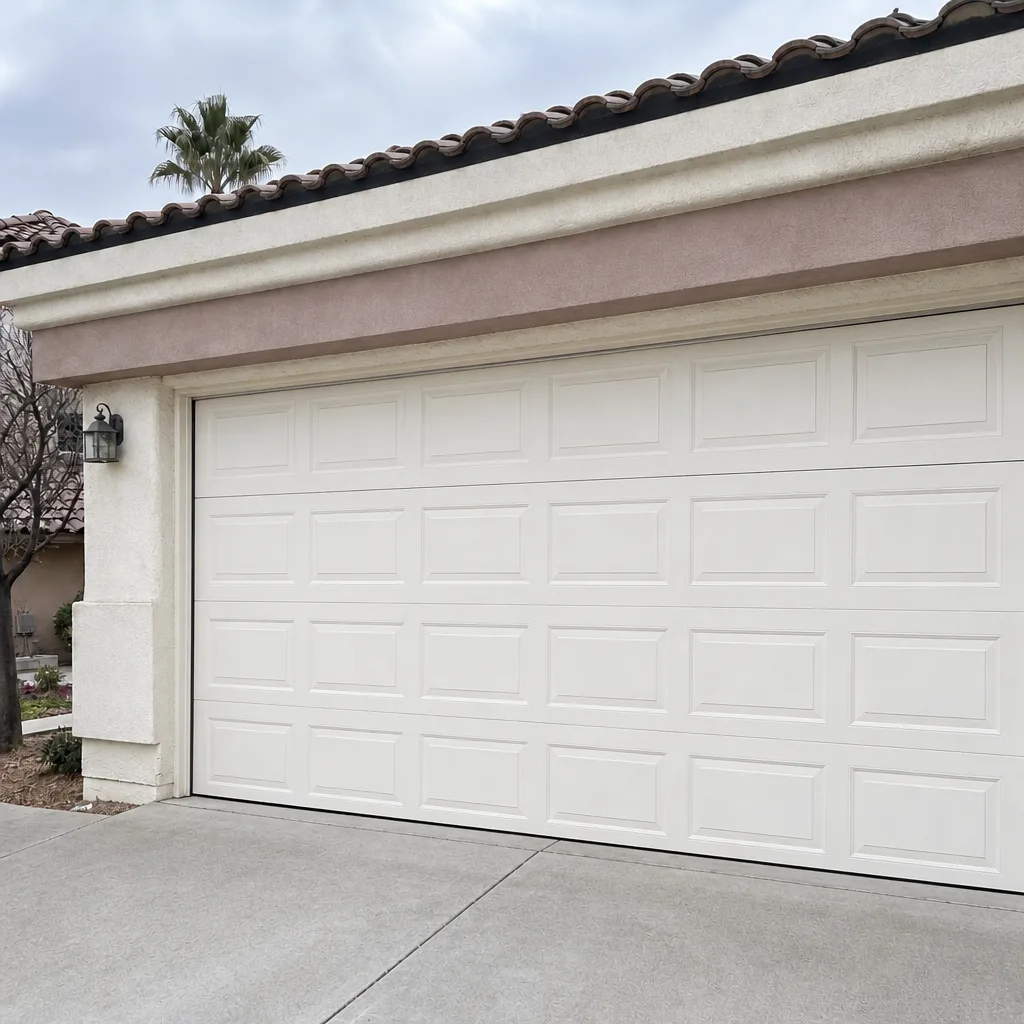
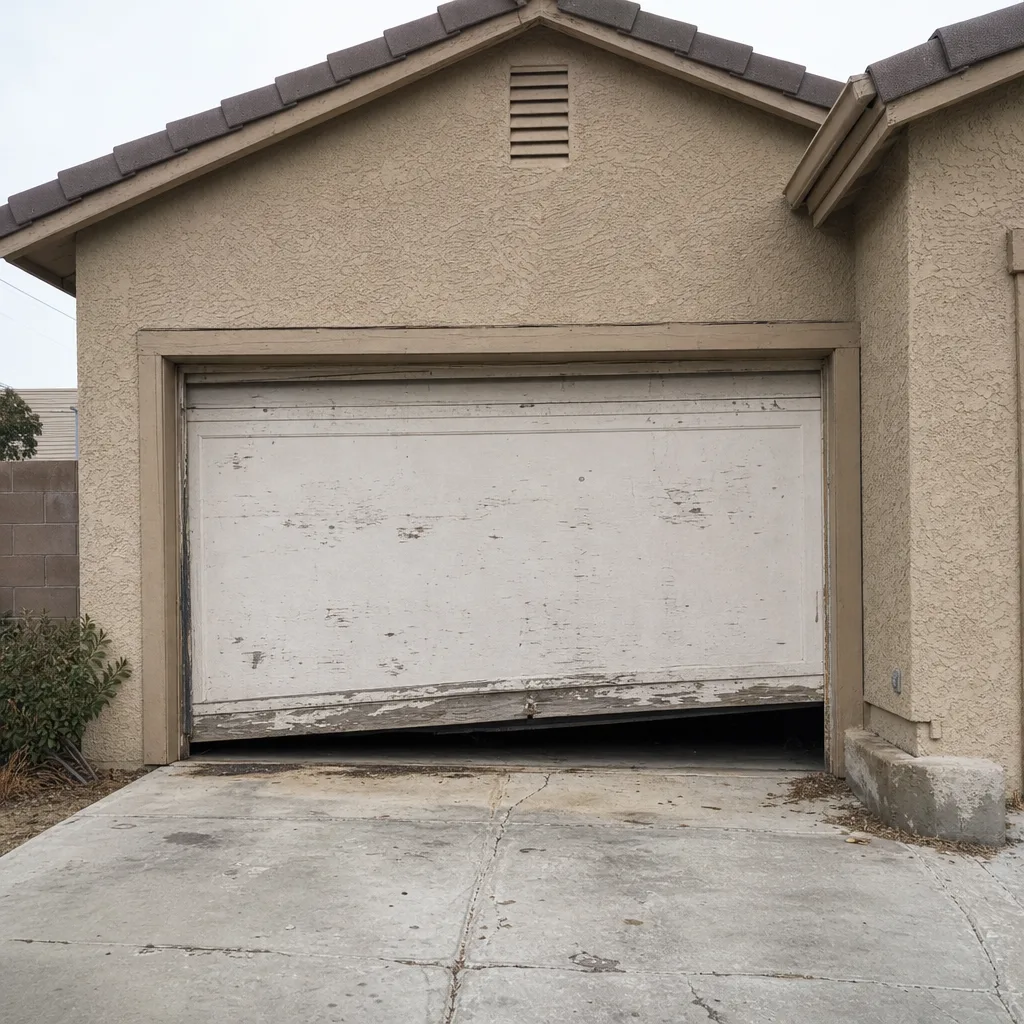
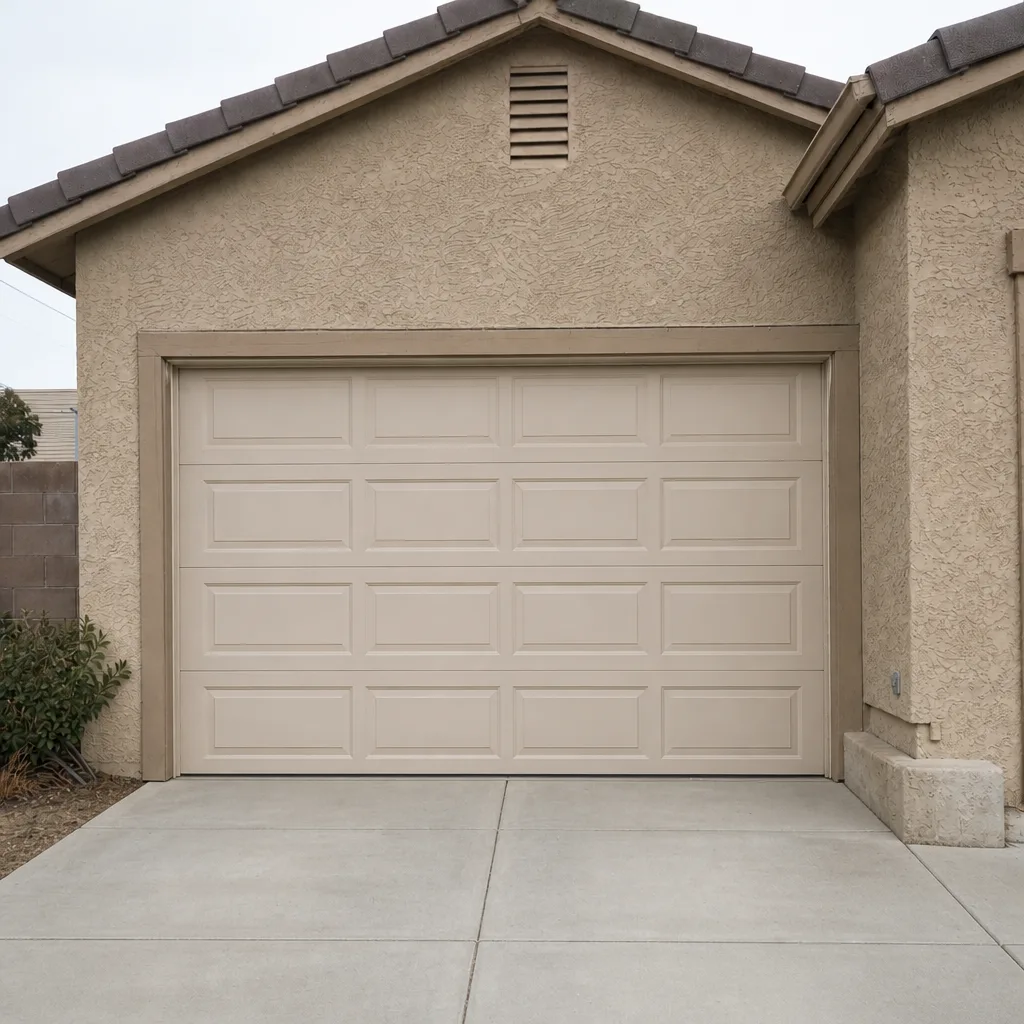
See the difference
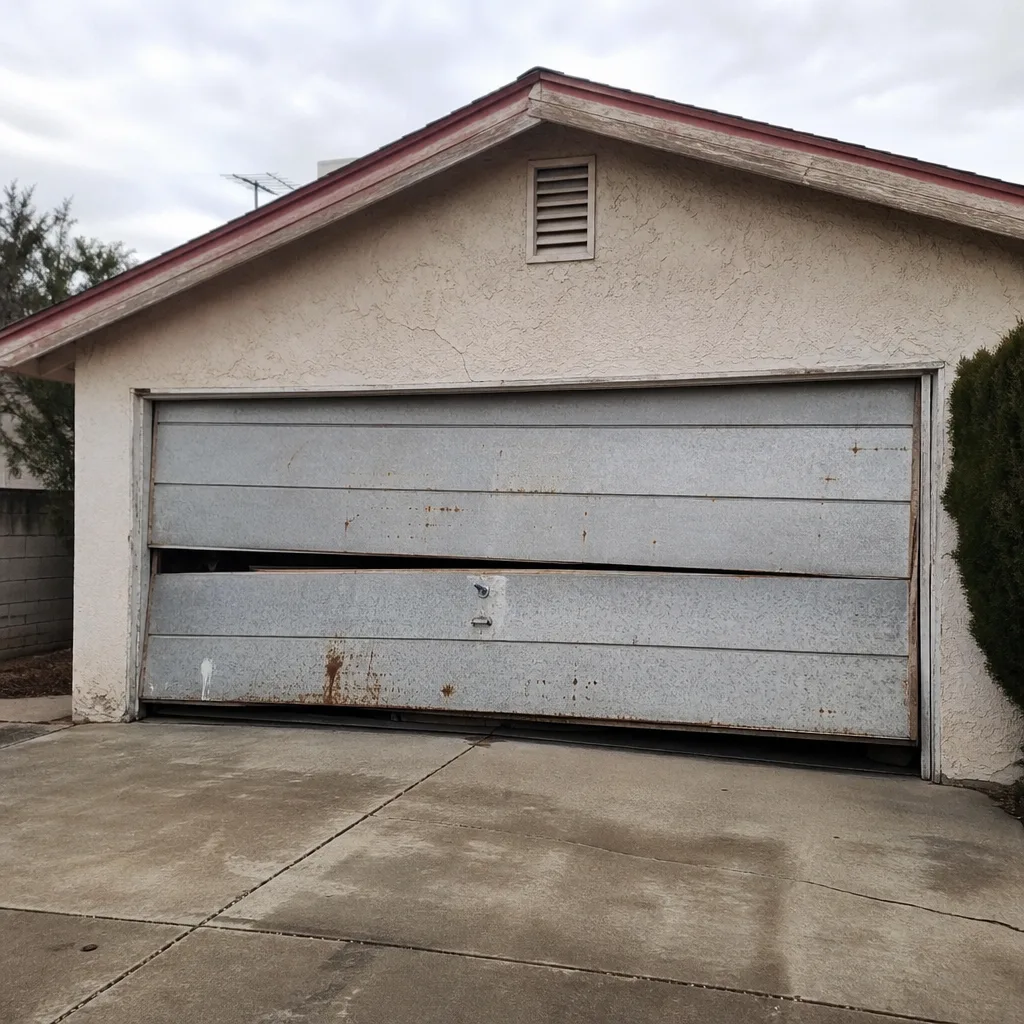 Before
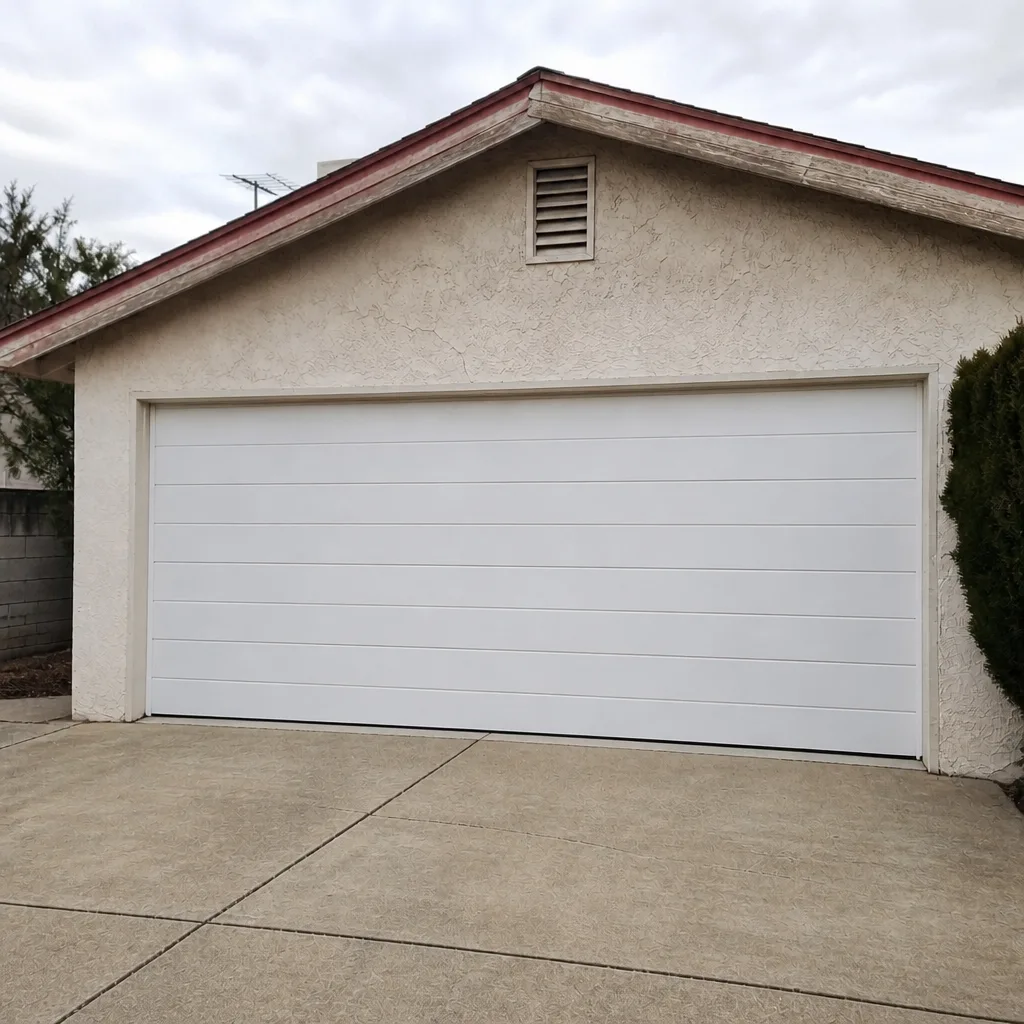 After
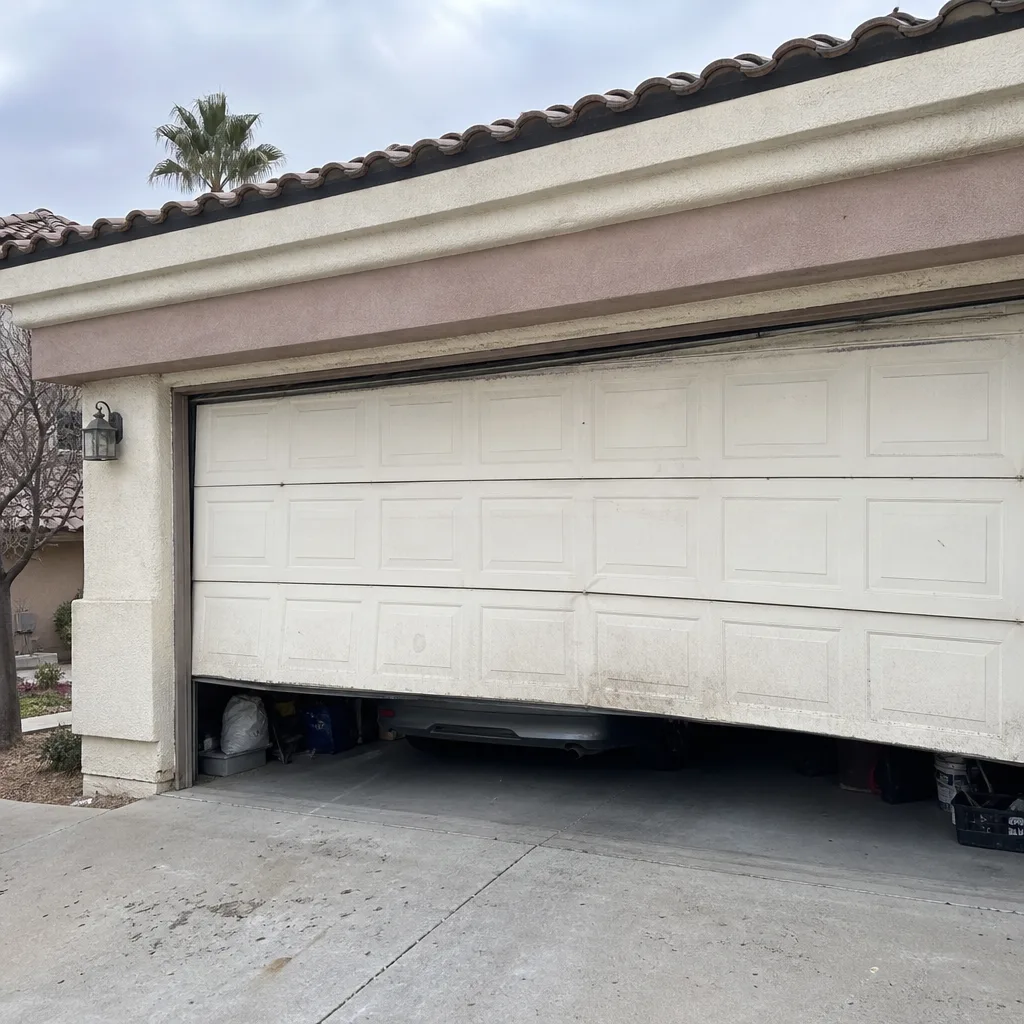 Before
 After
 Before
 After
When to Call a Professional
Call when you hear grinding or scraping from the rollers, when the door shudders or feels heavy, when you see a gap in a spring coil or frayed cables, or when a cable jumps out of its drum. Call if the door won’t balance, closes unevenly, or reverses unexpectedly. Call if the opener strains or runs hot, since that’s often a door problem, not an opener problem. And call if 90 days have passed since your last inspection and you’re not certain what you’re looking at.
Mainspring Garage Door Co. Boulder City offers free estimates in Boulder City. The flat price is stated before any work begins, and most jobs finish in a single visit because the right parts are already on the truck. We stand behind every job with a 90-day written promise: if it isn’t right, we come back. Call (833) 605-8582 for a free estimate.
Frequently Asked Questions
Twice a year for a deep check, in spring and fall, with light lubrication and inspection in between. That’s the right rhythm for the high heat and dry air here. If your door cycles more than eight times a day, inspect the rollers three times a year instead of two.
Nylon rollers fail first in Boulder City’s climate, typically in three to four years. Heat makes the nylon brittle, so rollers stop rolling and start grinding. The bottom seal and cable drums are the next most likely to need attention before your springs.
Yes, lubricating the visible coils with a garage door lubricant is a safe homeowner task. But do it only after you’ve checked the rollers and seals, since lubing a door with dried-out rollers doesn’t fix the drag. Don’t attempt to adjust or wind the springs.
Because they assume all parts wear at the same rate and that the calendar matters more than cycles and temperature. In Boulder City, parts degrade on a different timeline than in a milder climate: plastic and rubber fail first, and steel lasts longer because there’s almost no rust. The schedule has to match the climate.
It covers a part we replaced and the work we did, in writing, for 90 days. If it fails in that window, we come back and make it right at no charge. It doesn’t cover normal wear after 90 days or damage from something like a vehicle strike.
You can look at the springs from a safe distance for a gap in the coil, but don’t touch them. Torsion springs carry the door’s whole weight under tension and can injure you if they let go. If you see a gap or hear a bang, call a professional. Call (833) 605-8582 for a free estimate.
The Bottom Line
In Boulder City, the parts that fail first are the ones most maintenance guides barely mention: nylon rollers, the bottom seal, and cable drums. Springs get the attention, but they’re rarely the first to go. Check rollers and seals before you lubricate, run two deep checks a year (spring and fall), and use the failure order in this guide instead of a generic calendar. Do the low-risk work yourself, and leave the springs and cables to a trained technician. That’s the schedule that actually prevents breakdowns in this climate, and it’s the one we’d give a neighbor. When you’d rather have it done for you, call (833) 605-8582 for a free estimate from Mainspring Garage Door Co. Boulder City. Our technicians have up to 10 years of experience, and we stand behind the work in writing.
Written by the team at Mainspring Garage Door Co. Boulder City.