
Last updated November 18, 2026
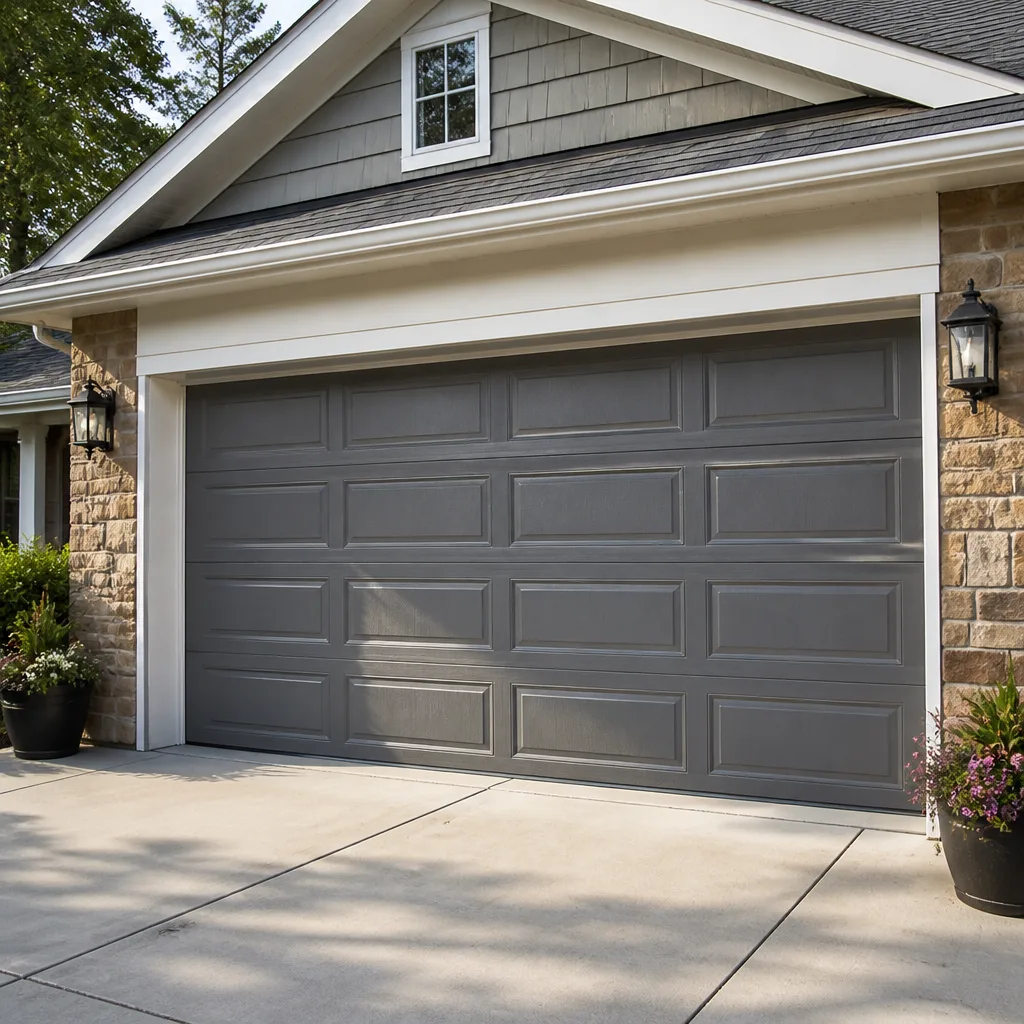 Raised-panel steel
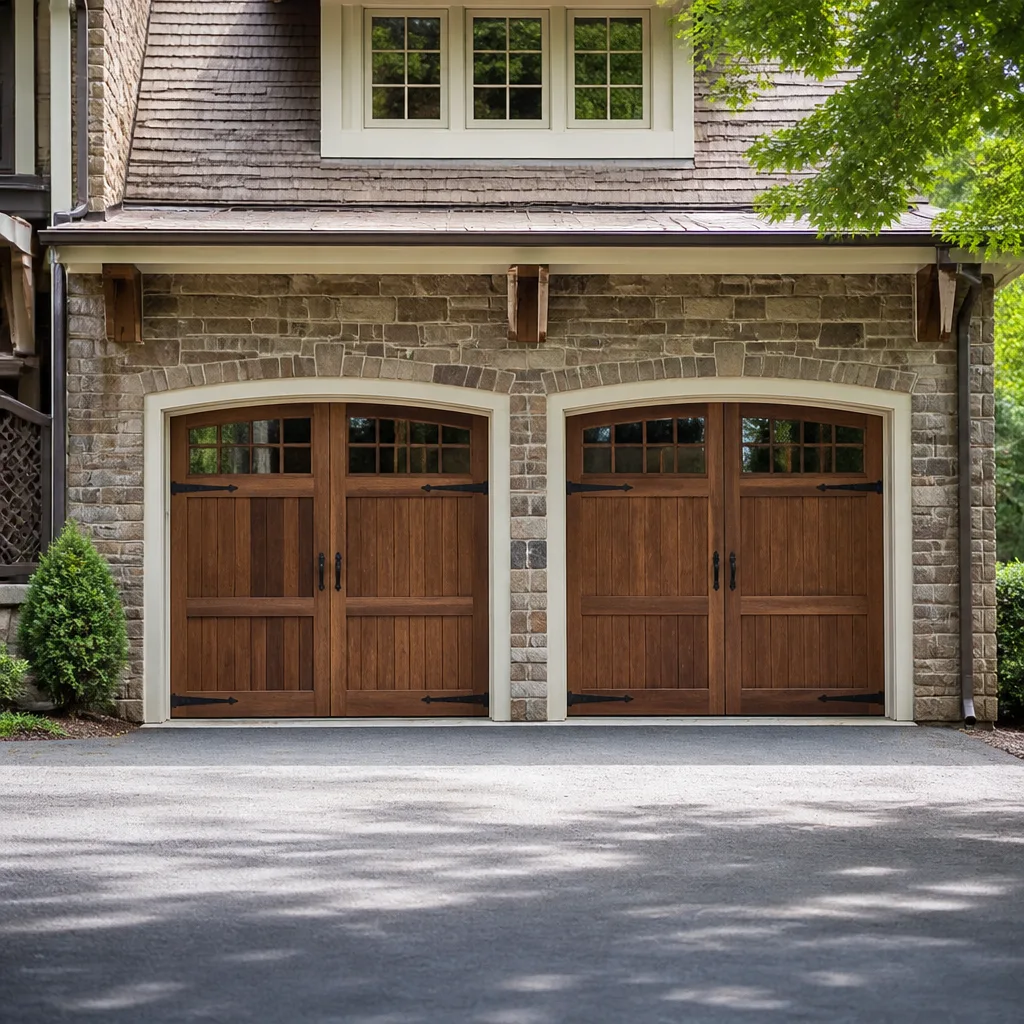 Carriage house
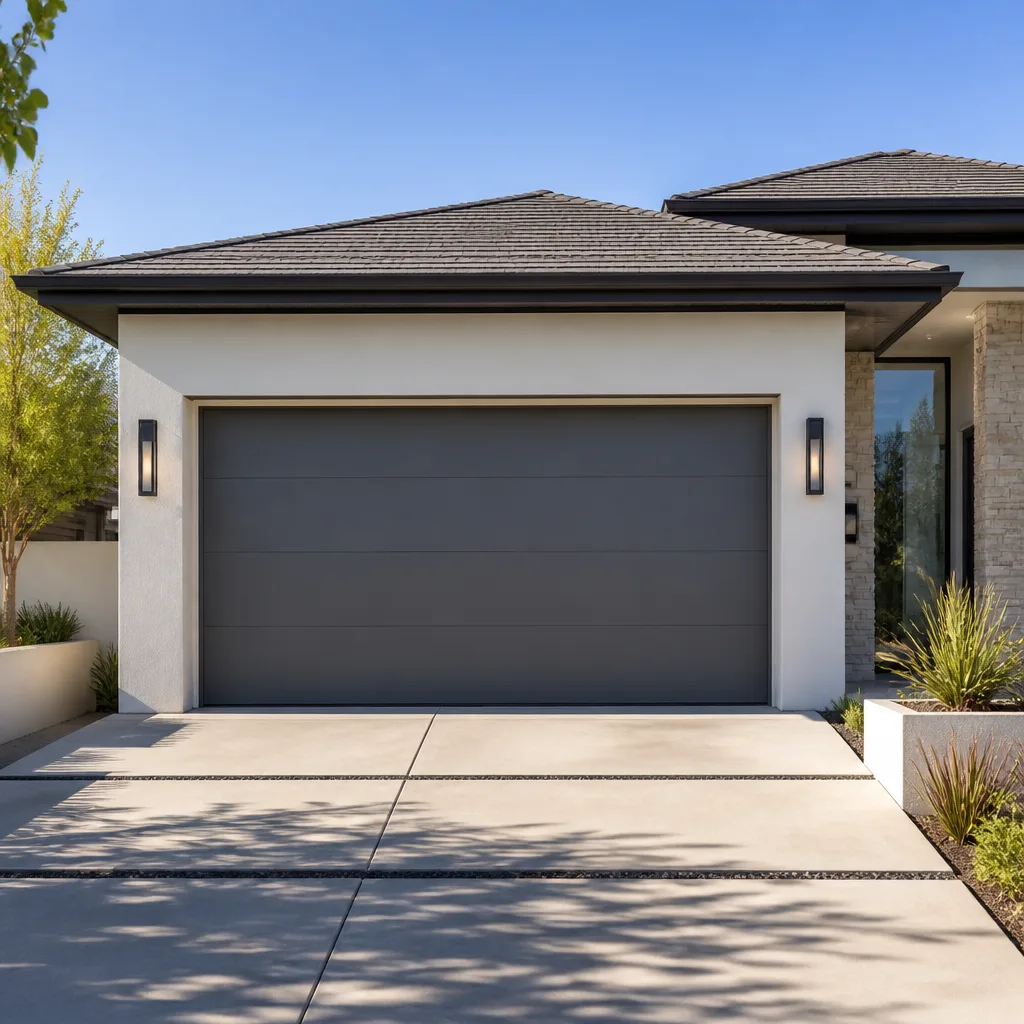 Modern flush
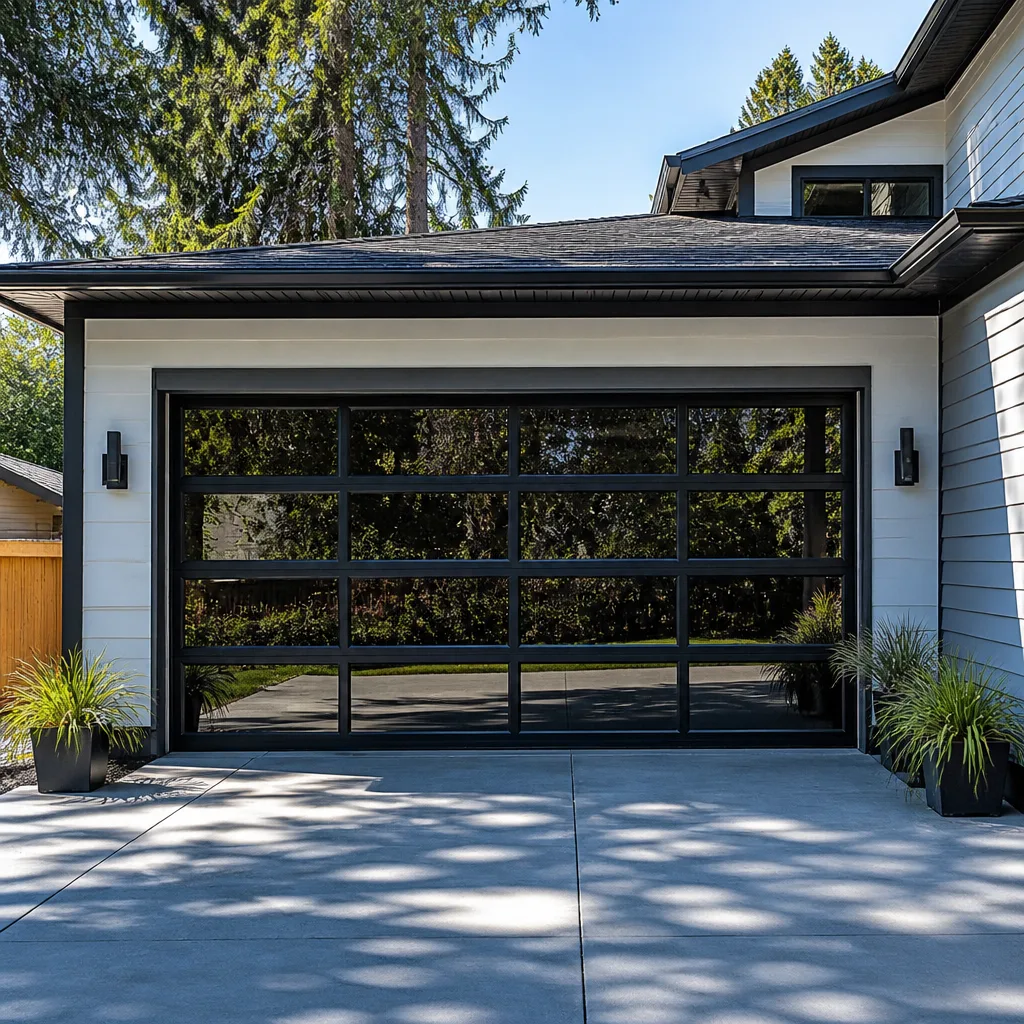 Full-view glass
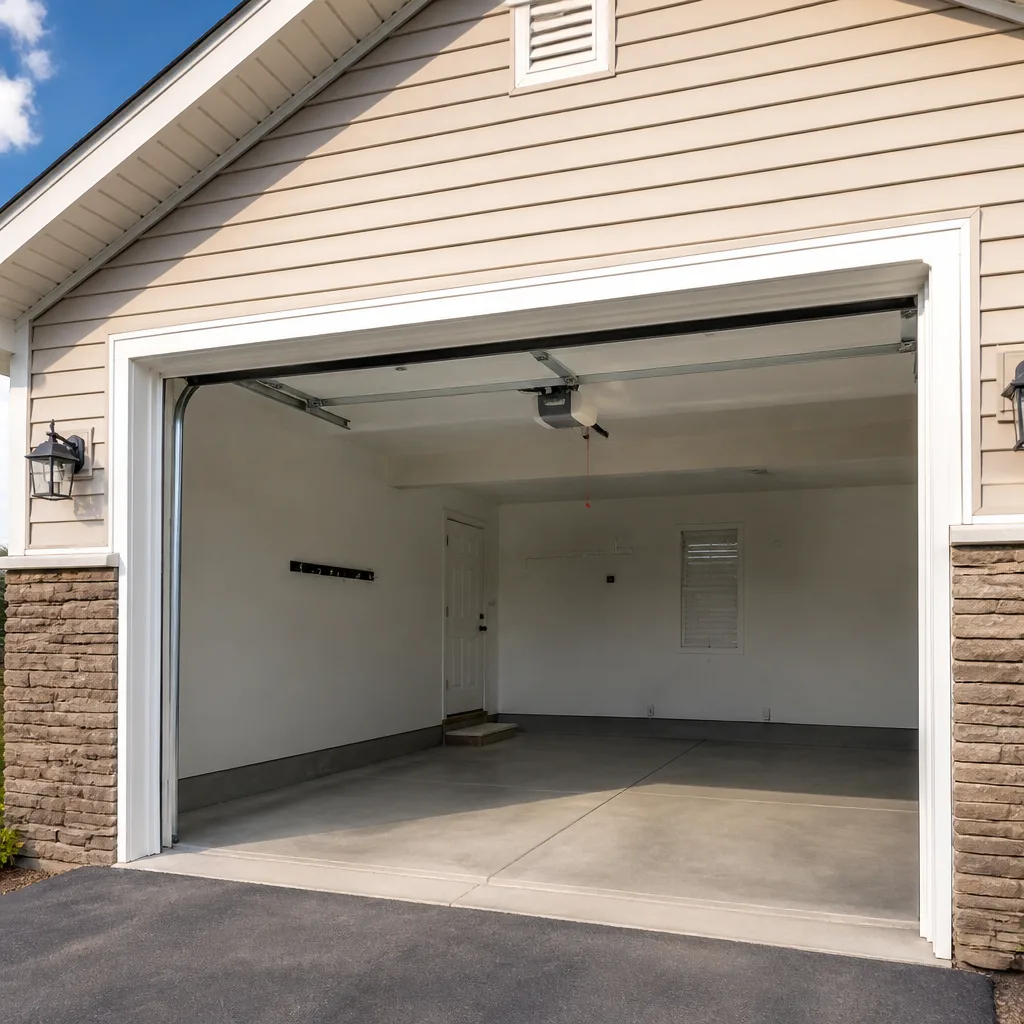 LiftMaster openers
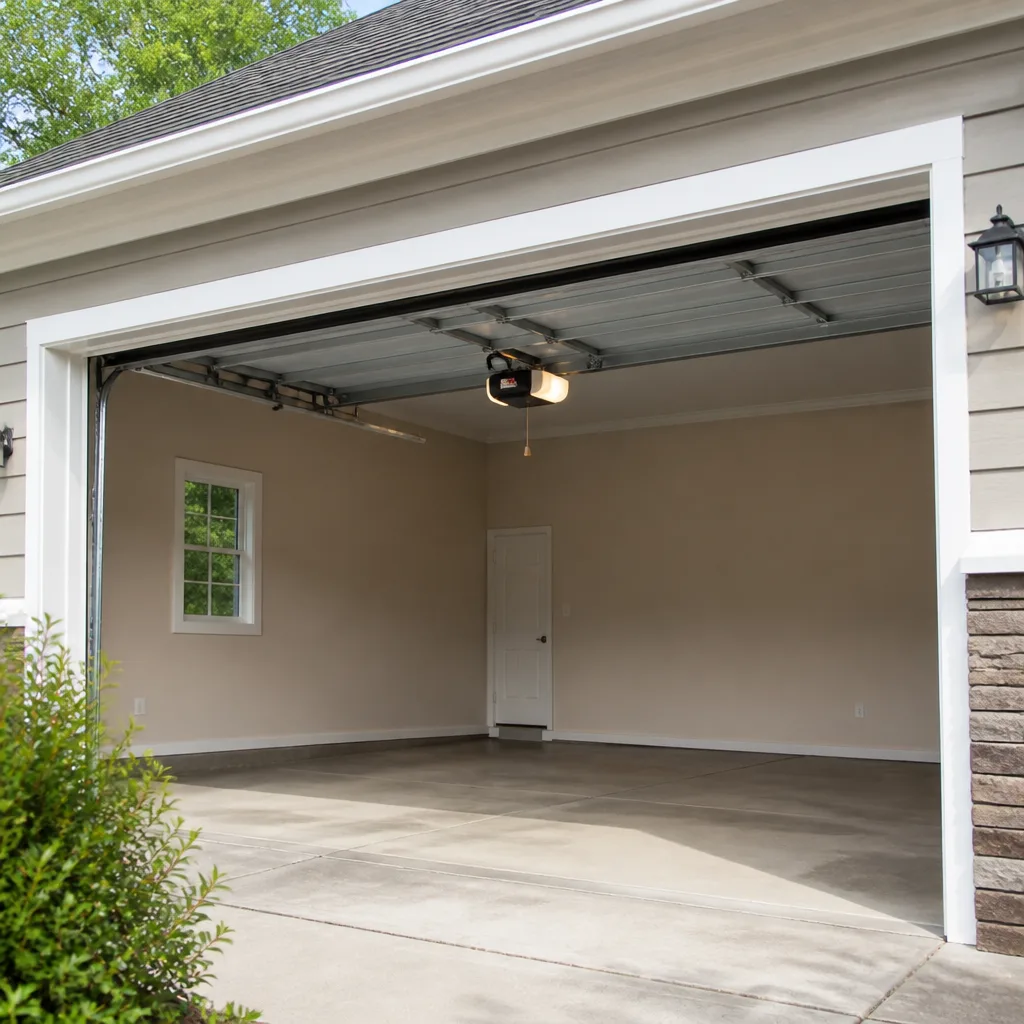 Chamberlain openers
Full 25-point door and opener safety check with every visit - springs, cables, rollers, tracks, and your LiftMaster or Chamberlain opener included
You get a price before we start. It does not change when the pro arrives.
Get your free estimateChoosing the Right Garage Door Brand: A Buyer’s Guide for Boulder City
Two steel garage doors can look identical in a showroom and age very differently after three Boulder City summers. One holds its finish and its shape. The other fades to chalky pink, warps at the bottom panel, and starts binding on its track by the fourth July. The difference usually isn’t the name on the box. It’s the steel gauge, the insulation, the UV coating, and the bottom seal compound – details the national ads never mention and the showroom lighting never reveals. This guide walks through what actually matters for a door in Boulder City’s climate, how to read a warranty before you sign, and how to pick a brand you can still get parts for five years from now.
Quick Answer
The best garage door brand for Boulder City is the one whose steel gauge, insulation R-value, UV-stable finish, and bottom seal compound are engineered for high heat, intense sun, and dry air – not the one with the biggest advertising budget. In practice that usually means a mid-weight insulated steel door from a brand with a strong southern Nevada distributor network, like Clopay or Amarr, paired with a LiftMaster or Chamberlain opener. The brand matters less than the spec sheet and the local parts supply behind it.
Styles & brands we work with
- Raised-panel steel
- Carriage house
- Modern flush
- Full-view glass
- LiftMaster openers
- Chamberlain openers
Table of Contents
- What Specs Actually Matter in a Desert Climate
- Why R-Value Matters Even When It’s 110°F Outside
- Brands With Strong Southern Nevada Parts Networks
- Reading the Warranty: What “Lifetime” Really Covers
- Matching Door Style to Boulder City Architecture
- Matching the Opener to the Door
- Common Mistakes to Avoid
- When to Call a Professional
What Specs Actually Matter in a Desert Climate
Boulder City sits at roughly 2,500 feet in the Mojave, with summer highs that regularly push past 105°F and UV index readings that climb into the extreme range from May through September. Humidity is low, which sounds forgiving, but dry heat is harder on certain door components than people expect. Rubber dries and cracks. Paint chalks. Steel expands and contracts more across a wide daily temperature swing. A door rated for a “moderate climate” gets tested hard here. When you’re comparing brands, these are the four specs that separate a door built for Boulder City from one built for a catalog photo.
- Steel gauge. Look for 24-gauge or heavier on a residential steel door. 27- and 28-gauge doors dent from a stray basketball and flex in the wind. In our experience, thinner-gauge doors in Boulder City also tend to show oil-canning (that wavy reflection in the panel) within a few summers.
- Foam insulation R-value. Polyurethane foam cores hit R-12 to R-18. Polystyrene (the bead-board stuff) tops out around R-7 to R-9. The gap matters more than most buyers realize – see the next section.
- UV-stable finish. Ask for the coating spec, not just “painted steel.” A polyester-based finish with a UV inhibitor will hold color far longer in Boulder City than a basic baked-on enamel. Fade is the number one cosmetic complaint we hear from homeowners on the west-facing doors in the historic district.
- Bottom seal compound. This is the most overlooked spec on the whole door. EPDM or vinyl rubber holds up to heat and dry air; cheap PVC or sponge seals crack and shrink within two or three summers, and then you’ve got daylight, dust, and scorpions coming under the door.
None of these specs appear on the front of a brochure. They’re in the technical data sheet or the installation manual. Ask for them.
Why R-Value Matters Even When It’s 110°F Outside
Insulation is usually sold as a winter feature, which is why so many Boulder City homeowners skip it. That’s a mistake. On a 110°F day, an uninsulated single-car garage can hit 130°F inside – hot enough to cook the electronics in your opener, soften the lubricant on your springs, and warp a hollow-core door panel. Insulation works in both directions. It slows heat transfer whether the heat is trying to get in or out.
Here’s the rough math. A single-car garage with an uninsulated 24-gauge steel door peaks around 25 to 30°F above outdoor ambient on a still afternoon. Step up to an R-9 polystyrene door and that gap narrows to roughly 15 to 18°F. An R-16 polyurethane door brings it down to roughly 8 to 12°F above ambient. On a 110°F day, that’s the difference between a 138°F garage and a 120°F garage – and the second one is meaningfully easier on your opener motor, your stored paint cans, and anything you keep on a shelf.
If your garage shares a wall with the house, or if you’ve converted part of it into a workshop or laundry, insulation pays for itself in comfort and equipment life. If it’s a detached, unheated storage garage in the older parts of Boulder City, an R-9 door is usually enough. Match the R-value to how the space is actually used.
Brands With Strong Southern Nevada Parts Networks
This is where brand loyalty gets tested. The garage door brands you see advertised on national TV are not all equally supported in southern Nevada. A door is a 15- to 25-year purchase, and somewhere in year eight you’re going to need a spring, a hinge, a bottom bracket, or a panel. If the brand’s distributor doesn’t stock that part in the Las Vegas valley, you’re waiting on a truck from California or the Midwest.
In our experience working the Boulder City area, these brands have reliable parts availability through southern Nevada distributors:
- Clopay – broad distributor reach, and their insulated steel lines hold up well to heat. The Garage Door Installation in Boulder City work we see most often on new builds here tends to lean Clopay or Amarr for that reason.
- Amarr – solid regional supply, especially for their mid-range insulated steel doors. Panels and hardware are usually same-week.
- Wayne Dalton – good coverage for their classic steel lines, though their newer composite models can be slower on parts.
- Raynor – available, but a smaller footprint; check with the installer on parts lead times before committing.
On the opener side, LiftMaster and Chamberlain dominate for a reason: parts, remotes, and compatibility are universal. A Genie opener is a fine machine too, but LiftMaster’s dealer network in the Las Vegas valley is thicker, which means faster service if something goes wrong. If you’re weighing openers, our Garage Door Opener in Boulder City page covers the belt-drive versus chain-drive question in more depth.
The practical takeaway: ask any installer where the nearest stocking distributor is for the brand they’re quoting. If the answer is vague, that’s your answer.
Reading the Warranty: What “Lifetime” Really Covers
“Lifetime warranty” is one of the most marketing-flexible phrases in the industry. On a garage door it almost never means what a homeowner assumes. The lifetime clock is measured from the original purchaser, it usually doesn’t transfer, and the sections it covers are narrow. Before you commit to a brand based on its warranty page, read the exclusions.
What a typical “lifetime” door warranty covers:
- Section panels against manufacturing defects (often prorated after the first few years).
- Hardware and hinges for a shorter window – commonly 3 to 7 years.
- Springs and torsion components for 1 to 5 years, and often excluded entirely.
- Labor is almost never covered beyond the first year, if at all.
What it typically excludes:
- Finish fade and chalking from UV exposure. This matters in Boulder City, and most national warranties explicitly exclude cosmetic fade.
- Damage from wind, hail, or a car backing into the door.
- Improper installation – which is why who installs the door matters as much as the brand.
- Consequential damage (e.g., an opener that burned out because the door was binding).
What a genuinely useful written guarantee looks like: it covers labor, it’s specific about what “right” means, and it has no dispute process to jump through. Our 90-Day Done Right Promise is built that way on purpose – if the work isn’t right, we come back, in writing, no arguing. That’s the kind of guarantee to compare brand warranties against.
Matching Door Style to Boulder City Architecture
Boulder City has distinctive housing stock. The historic district around Nevada Way is full of 1930s bungalows and Spanish Colonial Revival homes built for the dam workers – stucco walls, tile roofs, arched entries. The neighborhoods up toward the lake and out in the newer tracts lean more toward ranch and Southwestern styles. Getting the door style right isn’t just a curb-appeal question; in a historic district it can also touch design review.
Here’s how to match intelligently:
- For Spanish Colonial Revival and stucco bungalows – a carriage-house style door in a wood-look steel finish reads correctly. Flush-panel doors in a warm tone work too. Avoid high-gloss finishes; they clash with textured stucco.
- For ranch homes – a raised-panel steel door in the same family as the trim color. Long panel or short panel both work; the rule is to match the panel rhythm of the front door.
- For newer Southwestern builds – a contemporary flush door with horizontal windows, or a full-view aluminum door if the budget allows. These read clean against stucco and tile.
- Check design review before you order. Boulder City’s historic district has design guidelines, and door replacements in the designated area can require review. Call the city’s planning office before you special-order a door that won’t pass.
A door that’s a poor style match can be rejected at resale or at design review. A door that’s a good match adds real value. It’s worth a ten-minute call to the city to know which side you’re on.
Matching the Opener to the Door
A heavy insulated door and a lightweight uninsulated door don’t want the same opener. The most common mismatch we see in Boulder City is a beefy R-16 door on a builder-grade 1/2-horsepower chain-drive opener that was sized for a hollow door. It works for a while. Then the motor strains, the logic board overheats in an uninsulated garage, and the opener quits on the hottest week of the year.
How to size the opener:
- Single-car, uninsulated door: 1/2 HP is usually fine.
- Double-car, insulated door up to about 150 lbs: 3/4 HP.
- Double-car, heavy insulated door (R-12 and up), or any door over 150 lbs: 1 HP.
- Attached garage under a bedroom: belt-drive, for quiet.
- Detached garage, or one that gets very hot: chain-drive or belt-drive, and consider a battery backup model.
LiftMaster and Chamberlain both make belt-drive 1 HP units with battery backup that handle Boulder City’s heat and summer outage risk well. If you want to talk through the match for your specific door, that’s the kind of thing a free estimate covers, and our opener page goes into more detail.
Common Mistakes to Avoid
- Buying on brand name alone. A well-known brand with a thin local parts network is a worse purchase than a mid-tier brand with a strong southern Nevada distributor. Ask where the nearest stocking distributor is before you sign.
- Skipping insulation to save $300. On a Boulder City 110°F day, an uninsulated door can push garage temps 25 to 30°F above ambient. The upgrade usually pays back in opener life and stored-goods protection within a few summers.
- Ignoring the bottom seal compound. It’s the cheapest component on the door and the first one to fail in dry heat. Specify EPDM or vinyl; refuse PVC or sponge on a door facing west.
- Assuming “lifetime” covers fade. In a high-UV climate, finish fade is the most common failure – and the most commonly excluded item in national door warranties. Read the exclusions before you commit.
- Special-ordering a door without checking design review. Boulder City’s historic district has guidelines, and a door that doesn’t meet them can be a costly mistake. Call the city’s planning office first.
- Sizing the opener for the old door, not the new one. If you’re upgrading to an insulated door, re-check the opener horsepower. A 1/2 HP opener on a 150-lb door is a pending service call.
- Hiring on price alone from a company that won’t be around in five years. Springs, hinges, and panels fail. You want a shop that answers the phone when it does – which is why we keep a live person on 24/7.
When to Call a Professional
Brand selection is a research task. Installation and repair are not – they involve high-tension springs, cables under load, and a door that weighs a couple hundred pounds. A torsion spring can store enough energy to cause serious injury if it releases unexpectedly, and the cables that carry the weight are under constant tension. This is not a weekend DIY project, and we’d rather tell you that plainly than risk sending you into a dangerous situation.
Call a professional when:
- A spring breaks or the door drops hard. Stop using the door immediately and call for emergency service.
- A cable snaps, frays, or comes off the drum.
- The door is binding, off-track, or won’t close fully.
- You’re replacing the door and the new one is heavier than the old one (opener and spring sizing both change).
- You want a written number on cost before you commit to a brand.
Mainspring Garage Door Co. Boulder City offers free estimates in Boulder City. We’re factory-familiar with LiftMaster, Chamberlain, Genie, Clopay, Amarr, Wayne Dalton, Craftsman, and Raynor, and we quote the flat price before any work begins. For a repair, same-day service is common, and our phones are answered by a live person around the clock. Call (833) 605-8582 for a free estimate.
See the difference
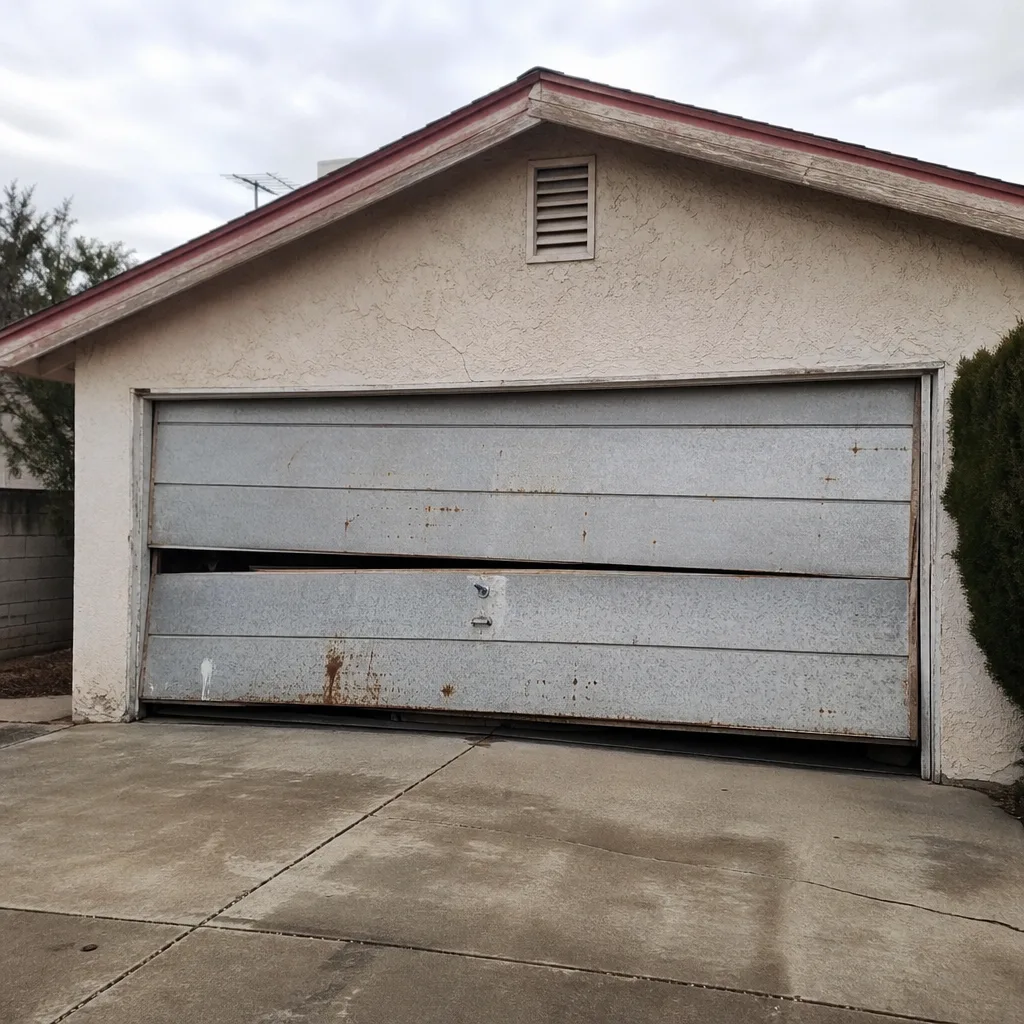 Before
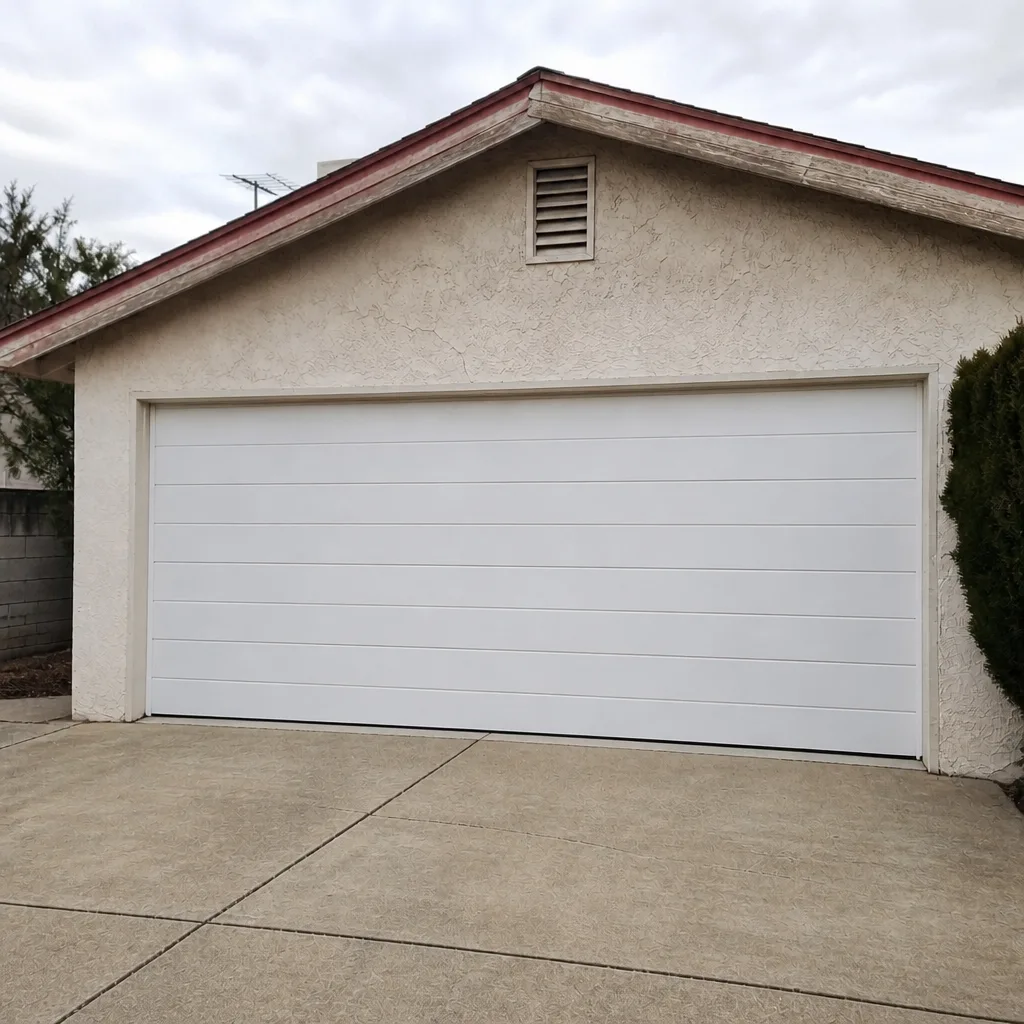 After
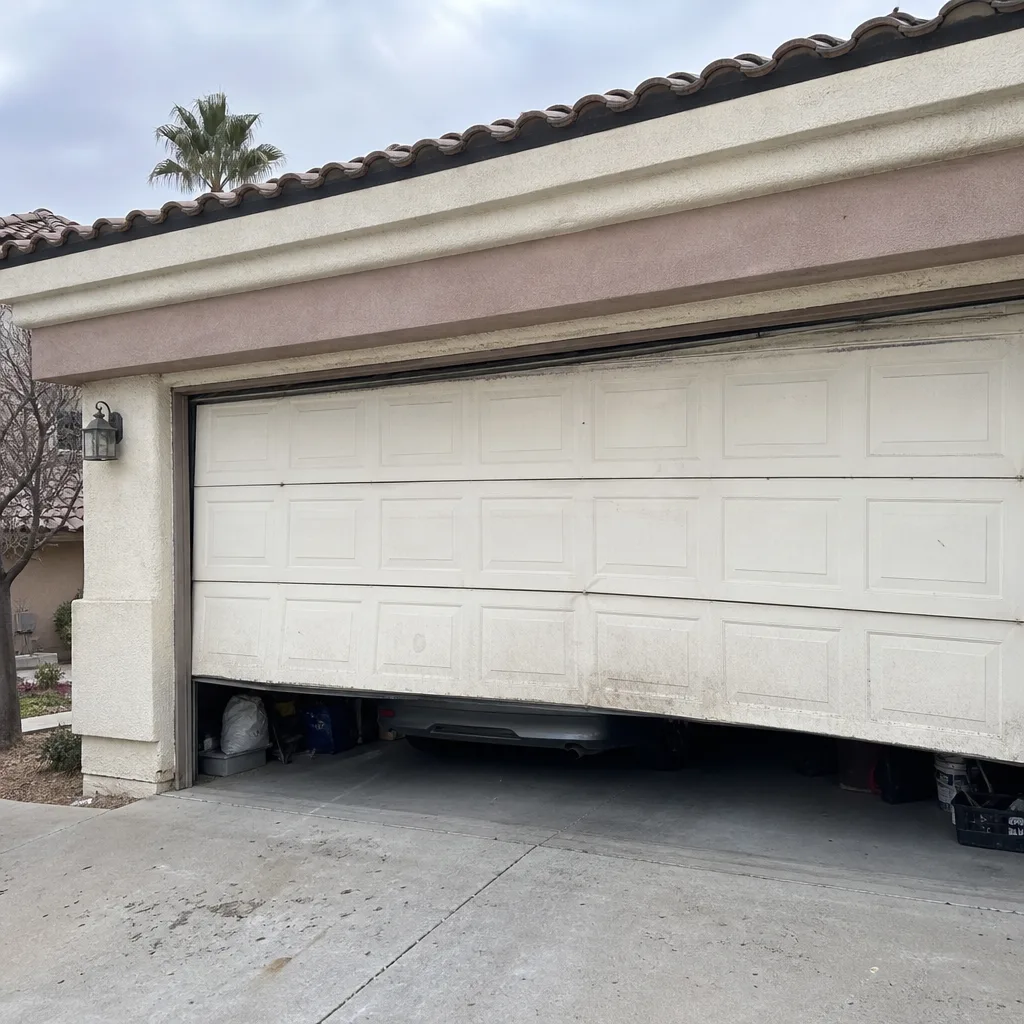 Before
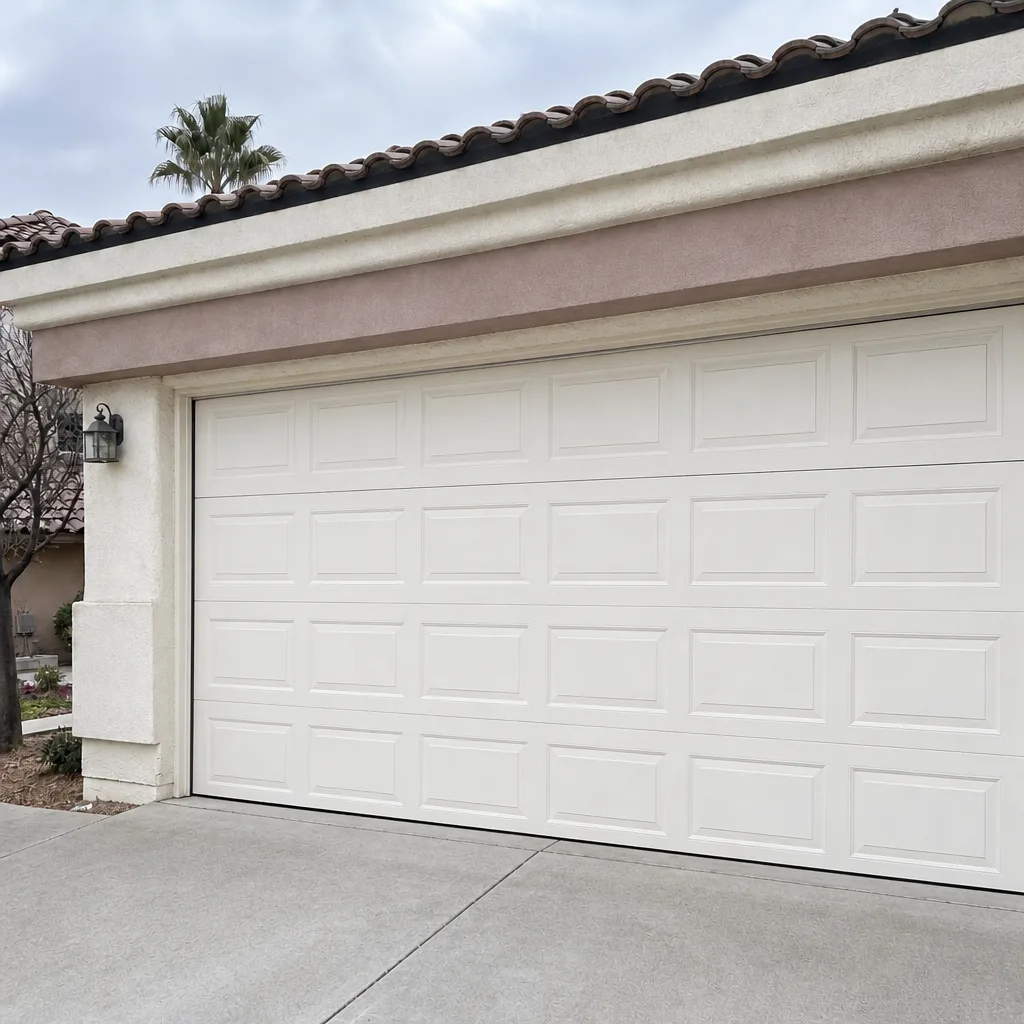 After
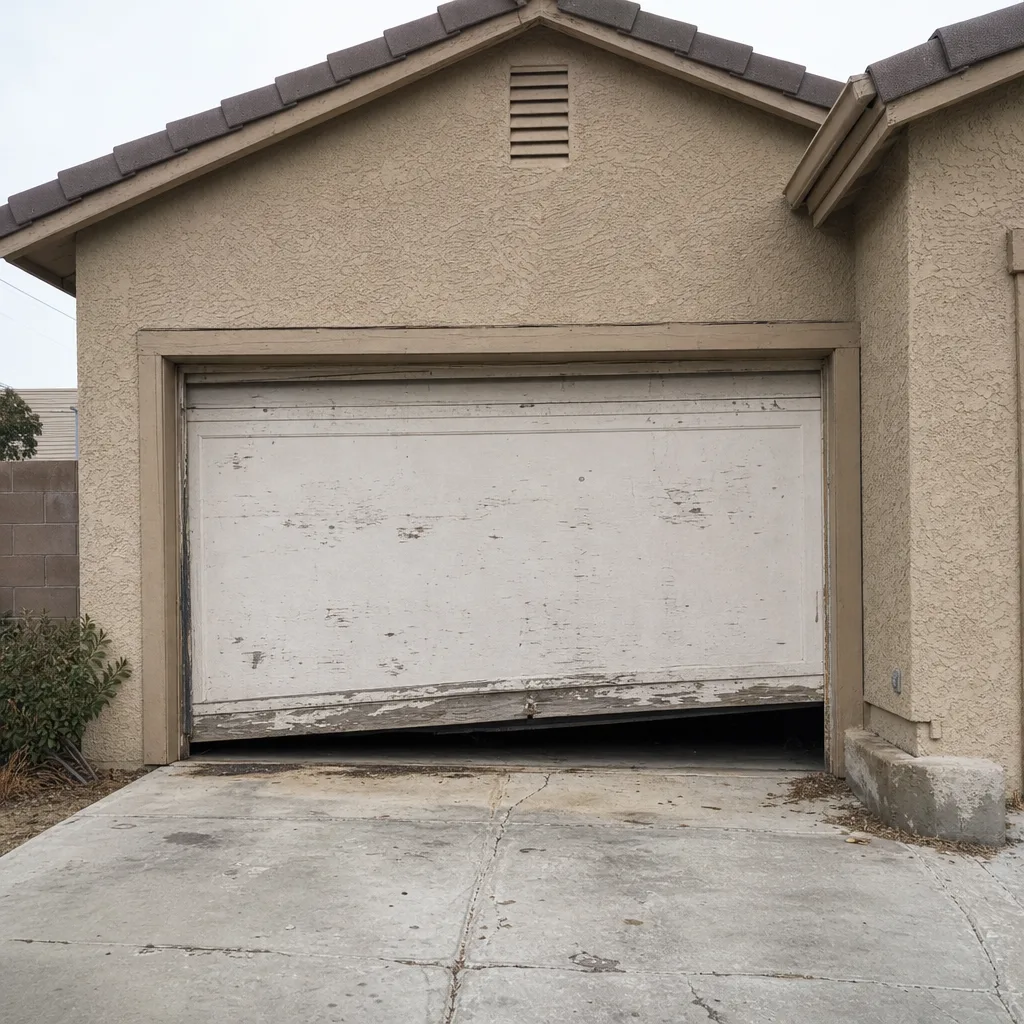 Before
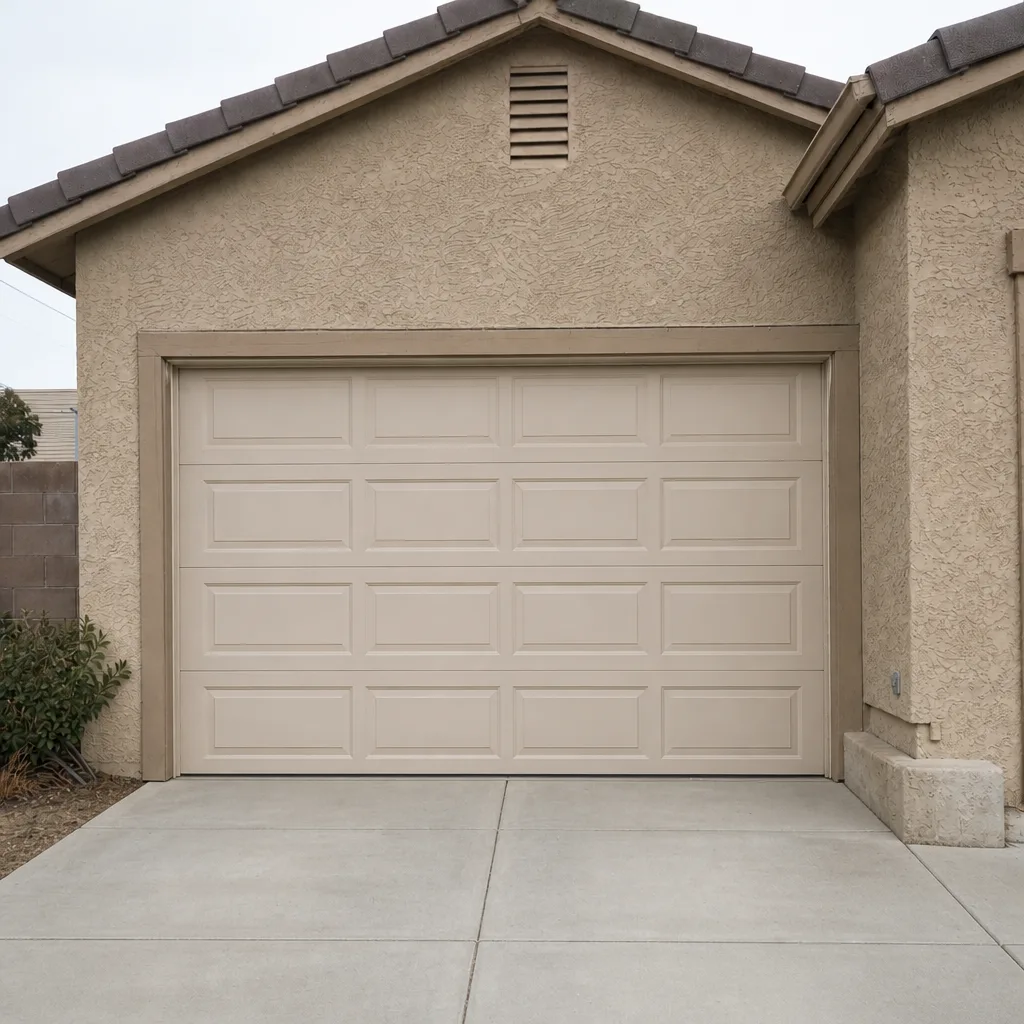 After
Frequently Asked Questions
Clopay and Amarr are both strong choices for Boulder City because their insulated steel doors hold up well to heat and UV, and their parts are reliably stocked in southern Nevada. The brand matters, but the spec sheet matters more: 24-gauge steel, R-12 or higher polyurethane foam, UV-stable finish, and an EPDM bottom seal. Get those four right and most major brands will serve you well.
Yes. Insulation works in both directions. On a 110°F day, an uninsulated single-car garage can hit 130°F inside; an R-16 door brings that down to roughly 120°F. That’s the difference between an opener motor that survives the summer and one that doesn’t. Call (833) 605-8582 for an exact quote on an insulated door – estimates are free.
Both matter, and they solve different problems. The brand determines the material quality, the warranty, and whether parts are available in year eight. The installer determines whether the door is hung true, the springs correctly sized, and the opener properly matched. A good brand badly installed is a bad door. Ask for the installer’s written guarantee on labor before you commit.
Usually the door sections against manufacturing defects, often prorated, and almost never finish fade or UV damage – which is the most common failure in Boulder City. Labor is typically excluded after the first year. Read the exclusions carefully. A short written labor guarantee from the installer is often worth more than a long national warranty that excludes the thing most likely to go wrong.
Yes, and you should. Spanish Colonial Revival and stucco bungalows in the historic district want carriage-house or flush-panel steel in a warm tone; ranch homes want raised-panel; newer Southwestern builds take a contemporary flush door well. Check with Boulder City’s planning office first if you’re in the historic district, because door panels can fall under design review.
The local pros we connect you with are licensed and insured as Nevada requires, and our technicians are background-checked and uniformed with up to 10 years of experience. Every completed job is covered by our 90-Day Done Right Promise in writing. Call (833) 605-8582 to schedule a free estimate.
The Bottom Line
Brand name is not the decision. The decision is the spec sheet: steel gauge, insulation R-value, UV-stable finish, and the bottom seal compound. Get those right for Boulder City’s heat and sun, and you’ll get 15 to 25 years out of the door regardless of which nationally advertised name is on the box. Get them wrong, and the prettiest door in the showroom will look tired in four summers. Pair your brand choice with a strong southern Nevada parts network, read the warranty exclusions, check design review before you order, and size the opener to the new door. Then hire the installer you’d call back in year eight.
If you want a straight answer on which door fits your specific house, we’ll come out and quote the flat price before any work begins. Call (833) 605-8582 for a free estimate, or start at the Mainspring Garage Door Co. Boulder City home page. For urgent problems, our Garage Door Repair in Boulder City team handles same-day service and answers the phone around the clock.
Written by the team at Mainspring Garage Door Co. Boulder City.