
Last updated November 18, 2026
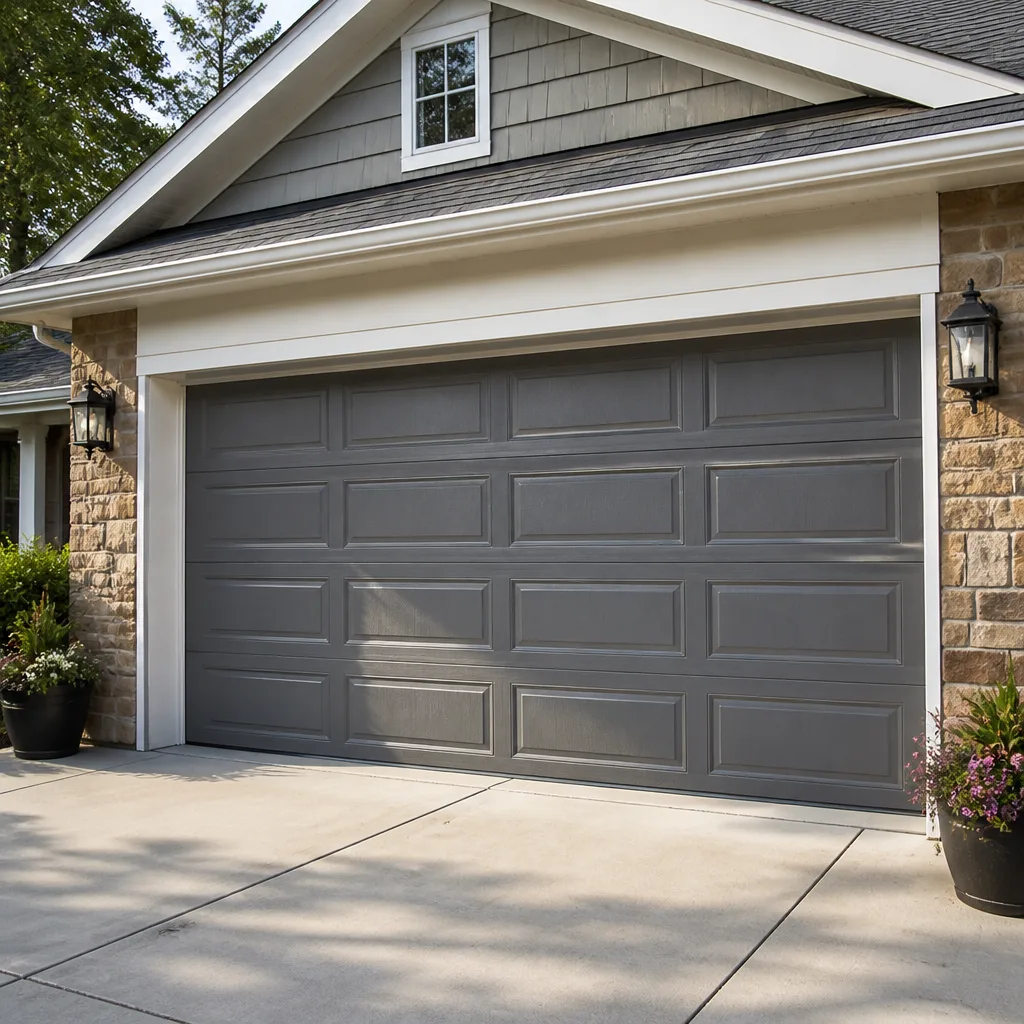 Raised-panel steel
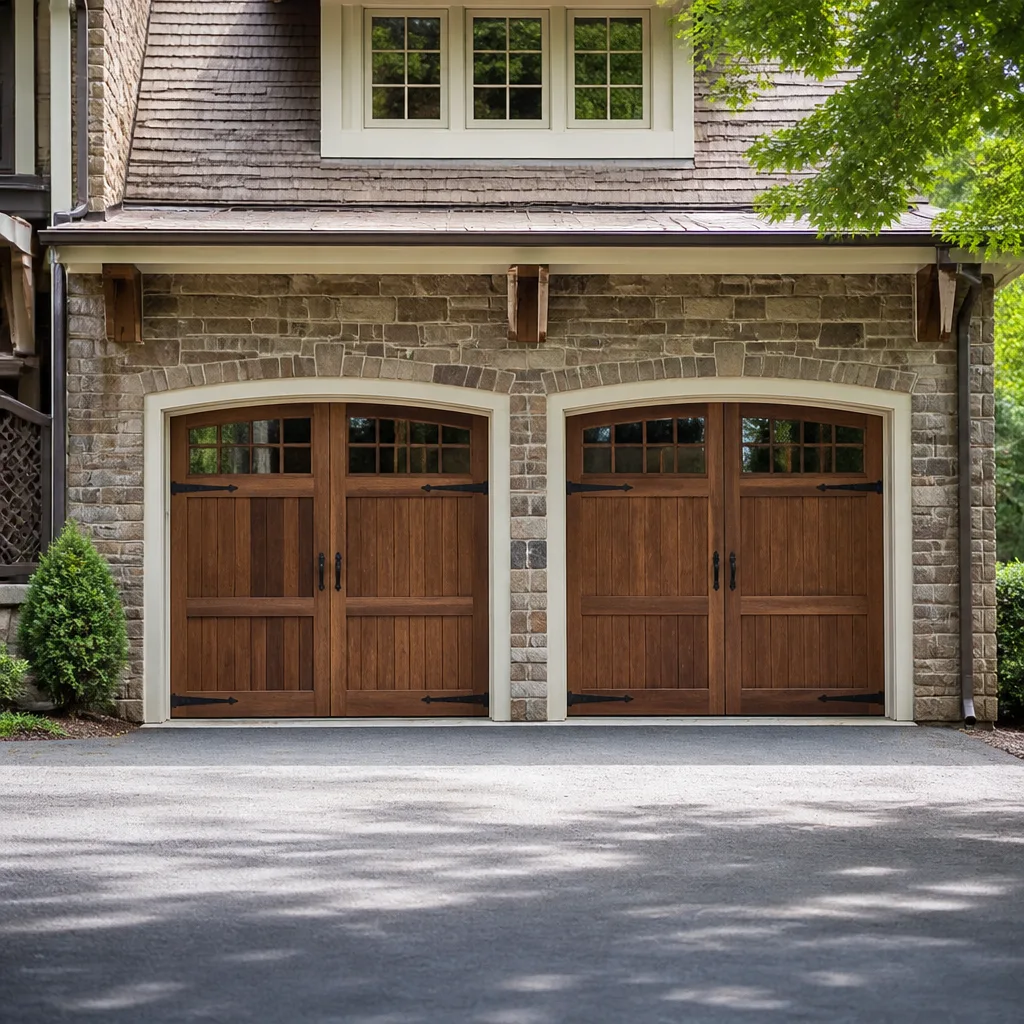 Carriage house
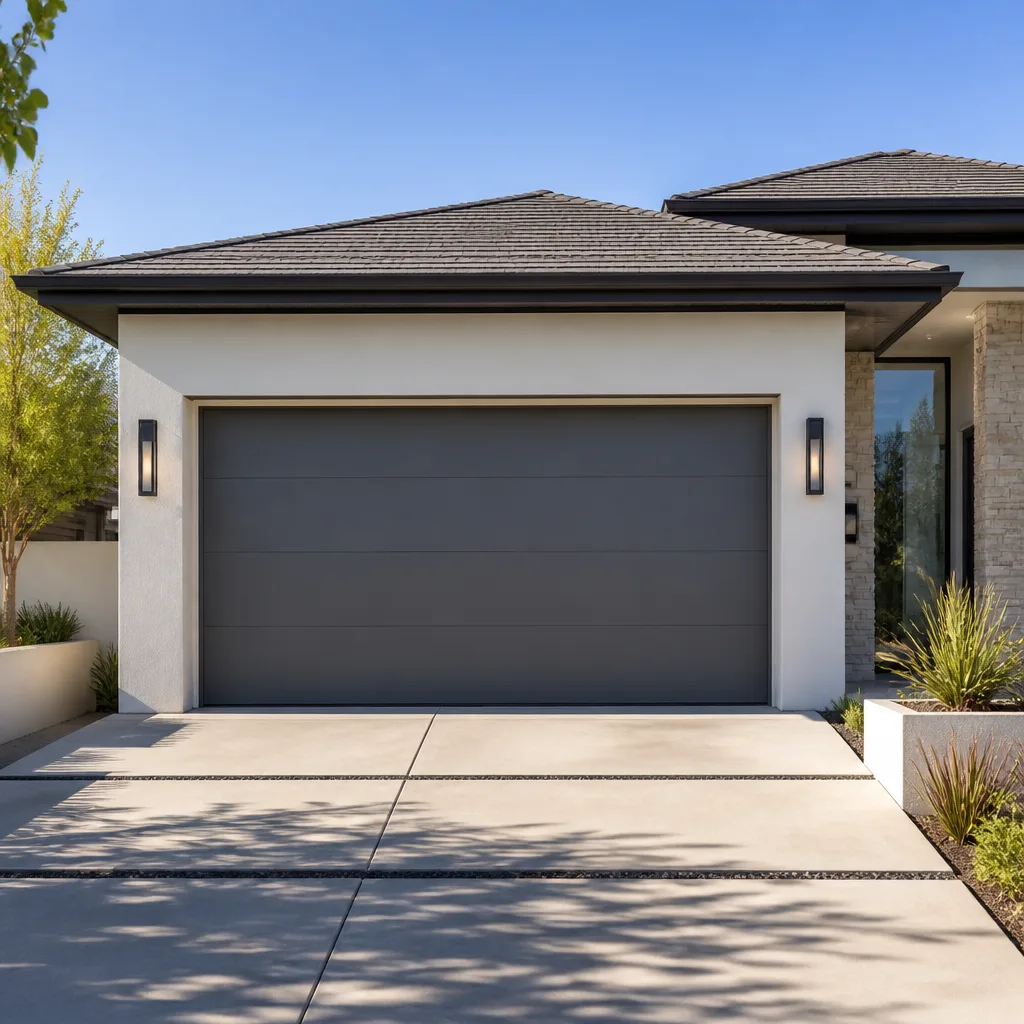 Modern flush
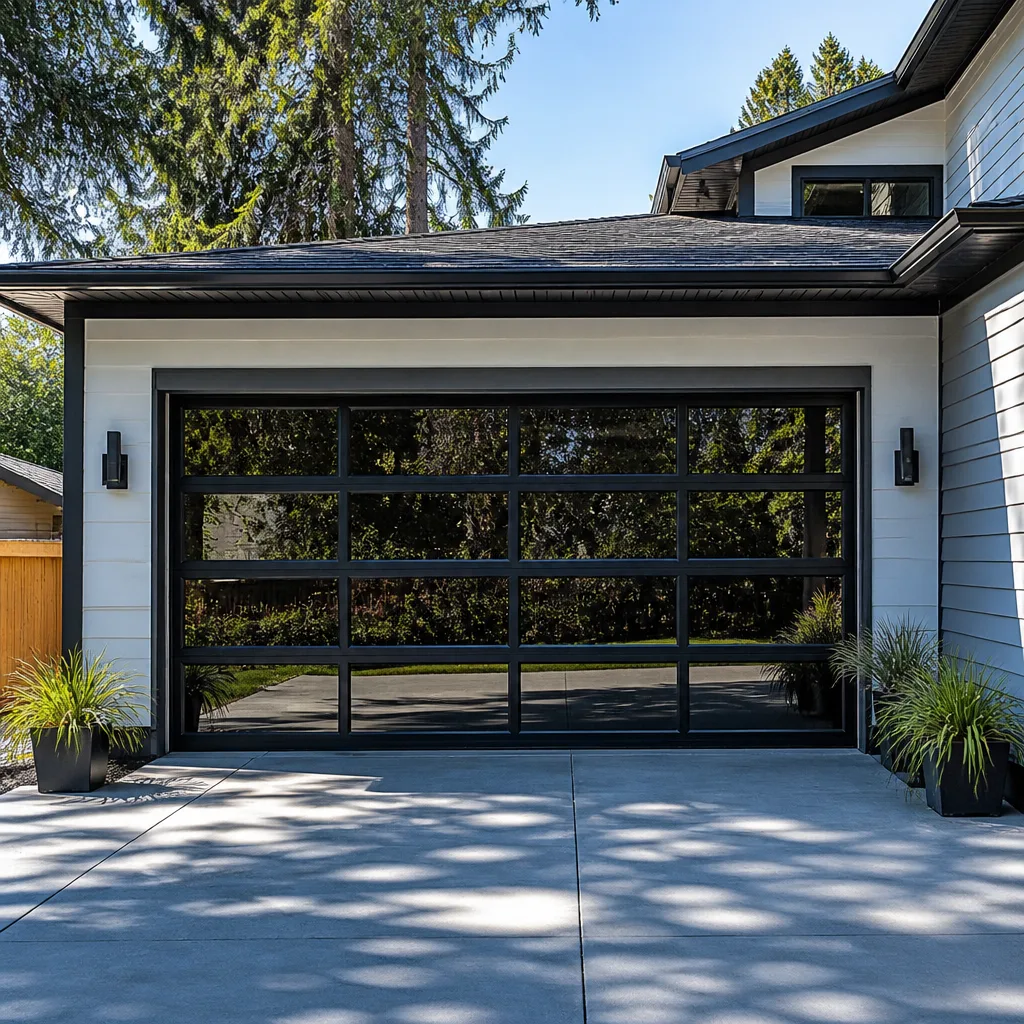 Full-view glass
 LiftMaster openers
 Chamberlain openers
Full 25-point door and opener safety check with every visit - springs, cables, rollers, tracks, and your LiftMaster or Chamberlain opener included
You get a price before we start. It does not change when the pro arrives.
Get your free estimateGarage Door Opener Warning Signs Every Homeowner Should Know
A garage door opener that hesitates for half a second before moving isn’t having a bad day. It’s showing the first symptom of a drive gear that’s already partially stripped, and the gap between that symptom and full failure is usually measured in weeks. We’ve watched this play out in Boulder City more times than we can count: a homeowner mentions a “little stutter” in passing, and two weeks later the door is stuck open with a car trapped inside. The signals are there. They’re just quiet enough to blame on weather or a dying remote battery. This guide walks through what to listen for, what to feel at the hardware, and how to tell the difference between a nuisance and a component that’s about to give out.
Quick Answer
The most reliable warning signs of an opener near failure are hesitation on startup, grinding during reversal, clicking without movement, a door that moves slower than it used to, and visible wear at the cables, rollers, and hinges. Any single symptom warrants a service call within two to three weeks. Hesitation paired with clicking, or a door that reverses on its own, means calling now before the door locks itself closed.
Styles & brands we work with
- Raised-panel steel
- Carriage house
- Modern flush
- Full-view glass
- LiftMaster openers
- Chamberlain openers
Table of Contents
- Hesitation on Startup: The First Warning
- Normal Sounds vs. Sounds That Mean Trouble
- Why a Slower Door Is a Failing Door
- What to Check at the Hardware, Not Just the Head
- The Decision Rule: Two Weeks or Today?
- Boulder City Climate and Opener Wear
- What Different Brands Sound Like When They Fail
- Safety: What You Should Never Adjust Yourself
Hesitation on Startup: The First Warning
When you press the remote and the door waits a beat before moving, that pause is the sound of a plastic drive gear that’s lost teeth. The gear turns a fraction before finding a bit of material to catch, then lurches into motion. A healthy opener starts the instant the signal arrives. A worn one stutters, catches, and runs.
In our experience, hesitation almost always traces back to one of three causes:
- A partially stripped drive gear. Most common on openers past the ten-year mark. The gear is molded from nylon or a similar composite and wears gradually.
- A worn drive belt or chain. Belts stretch and chains slacken. Either one causes a momentary delay before torque reaches the trolley.
- A failing capacitor on the motor board. The motor doesn’t get the jolt it needs to start instantly.
Hesitation is the single most overlooked warning sign because the door still works. Homeowners tell us they assumed it was the cold, or a weak remote battery, or the door being heavy. In nearly every case, the door itself is fine. The opener is telling you something. If your opener is a LiftMaster or a Chamberlain with a chain drive, the hesitation sound is often a metallic tick right before the motor engages; belt-drive units tend to give a soft thump instead. Either way, the pattern is the same: the pause gets longer the longer you wait to call.
Hesitation on its own lets you book a planned appointment. It doesn’t require an emergency call. But it should not wait past three weeks. We’ve seen doors in Boulder City fail on a Sunday morning with a car inside because the homeowner waited for a quiet week that never came.
Normal Sounds vs. Sounds That Mean Trouble
Most guides say “listen for unusual noises” and stop there. That advice is useless if you don’t know what normal sounds like. Here’s what a healthy opener actually sounds like, so you can tell when yours has changed.
What Normal Operation Sounds Like
- A low, steady motor hum that rises slightly in pitch as the door begins to lift.
- A steady rhythmic clicking from the trolley as it moves along the rail. That’s the chain or belt engaging.
- A soft thud when the door reaches the fully open or fully closed position. That’s the travel limit switch stopping the motor.
- A faint rattle from the door panels themselves as the hinges flex. This is the door, not the opener.
What Trouble Sounds Like
- Grinding on reversal. A rough, dragging sound right as the door starts to close. This usually means the chain has slacked and is jumping the sprocket, or the rail has worn and the trolley is scraping.
- Clicking without movement. You press the remote, the opener clicks audibly, and the door does not move. That click is the relay engaging; the silence after is a stripped gear crown that has nothing left to grab.
- A high-pitched squeal. Metal-on-metal contact somewhere in the drive. This one accelerates damage fast.
- A rhythmic clunk every few inches. A flat spot on a roller, or a hinge pin that’s worn through.
Put a hand on the opener head while the door runs (carefully, without reaching near the rail). A healthy motor feels like a steady vibration. A failing one has a stutter you can feel in the housing. That physical check tells you more in five seconds than any online symptom checker.
Why a Slower Door Is a Failing Door
Watch your door open and close. Count the seconds. If you’ve lived in the same house for fifteen years, you have a mental baseline, even if you’ve never thought to use it. When the door starts taking noticeably longer than it did two years ago, that’s a warning sign. Most homeowners ignore it because the door still gets there.
Increased cycle time means the opener is working harder to do the same job. There are five usual reasons:
- The door has gotten heavier. Springs lose tension over time. A door that once needed 12 pounds of lift now needs 25. The opener absorbs that difference, and its motor runs hotter and longer every cycle.
- Rollers are seizing. Nylon rollers develop flat spots; steel rollers rust. Either one creates drag the opener has to overcome.
- Hinges are binding. A hinge that needs lubrication adds friction at every joint. Multiply that by ten or twelve hinges and you have a door that moves like it’s dragging a sled.
- The drive belt or chain is stretched. The motor spins at full speed but the door moves slower because the slack has to take up before torque reaches the trolley.
- The opener’s control board is weakening. Rare but real. The motor itself is fine; the logic driving it has degraded.
Any of these left alone shortens the life of the opener. The motor has a duty cycle. Every second of extra strain is a second taken off the end of its service life. In Boulder City, where dust and dry heat work together to dry out lubrication, we see rollers and hinges accelerate this wear faster than in wetter climates.
What to Check at the Hardware, Not Just the Head
The opener is the last thing to fail, not the first. By the time the motor shows symptoms, the door hardware has usually been complaining for months. Walk out to the door with a flashlight and look at five things.
1. Cables
Look at the thin steel cables running down each side of the door, from the drum at the top to the bottom bracket. They should be taut and evenly wound. Frayed strands, kinks, or a cable that’s jumped the drum are all immediate call-someone-today situations. A snapping cable is dangerous and can drop a door.
2. Rollers
Grab each roller (door closed, opener disconnected) and wiggle it side to side. It should have almost no play. Wobbling rollers wear the track and add drag. Look for flat spots on nylon rollers and rust on steel ones.
3. Hinges
Open and close the door by hand and listen at each hinge. Any squeak or bind is friction the opener pays for. Hinges are cheap to replace and lubricate; ignoring them is expensive.
4. Weather Seal
The bottom seal should flex and seal against the floor. A hardened, cracked seal lets dust and water in, which attacks the door’s balance and accelerates bottom-bracket wear. In Boulder City’s dry summers, seals harden faster than most homeowners expect.
5. The Door’s Manual Balance
Disconnect the opener (pull the red release cord), lift the door to waist height, and let go. A properly balanced door holds its position. If it drops, the springs are weak and the opener has been carrying weight it was never meant to carry. We’ve seen this one cause more opener failures than anything else.
If you find yourself needing a full hardware evaluation, our team for Garage Door Repair in Boulder City can inspect the entire system, not just the opener, in a single visit.
The Decision Rule: Two Weeks or Today?
Here’s the rule we give every homeowner who calls. It sorts warning signs into two buckets and keeps you from either overreacting or waiting too long.
Signs That Allow a Planned Appointment (Two to Three Weeks)
- Hesitation on startup, but the door consistently opens and closes.
- Slightly slower cycle time than it used to have.
- A steady clicking that does not prevent the door from moving.
- Cosmetic wear on rollers or hinges with no functional effect yet.
- A single grinding episode on one or two out of ten cycles.
These are all signs of a drive system that’s wearing but still driving. Book the appointment, don’t wait for a “convenient” week. Convenient weeks are how a homeowner ends up with a car trapped on a Sunday.
Signs That Warrant Calling Sooner
- Clicking without any movement, even once. Stripped gear crowns fail hard and fast.
- The door reverses on its own partway through a cycle.
- A grinding noise that happens every cycle, not just occasionally.
- A visibly frayed or slack cable.
- The door has become noticeably harder to lift by hand than it was a month ago.
- The opener runs but the door stops partway and will not continue.
These signs indicate the system is one cycle away from a hard failure. Calling today costs the same as calling in two weeks. It just avoids the emergency-call premium and the possibility of a door stuck open overnight.
For any of the “call today” scenarios, our Garage Door Opener in Boulder City service includes after-hours response. We answer the phone at any hour. No answering service, no voicemail.
Boulder City Climate and Opener Wear
Boulder City is hard on garage door hardware in specific ways that other cities aren’t. Our desert heat and dry air shorten the life of lubrication and wear components. The town’s older neighborhoods, especially homes built during the 1970s and 1980s uptown and near the Historic District, are working through their second or third opener on doors that were installed when the houses were new.
Three specific things we see in Boulder City:
- Dried-out chain and belt lubricants. Summer heat cooks the factory grease out of a drive chain in three or four years. Once it’s dry, wear accelerates. We recommend relubricating every 12 months, which is more often than typical manufacturer guidance.
- Dust infiltration at the trolley. The dry, dusty air in Boulder City gets into the rail groove and grinds against the trolley. Rail wear is a common opener replacement trigger here.
- Weathered wiring at the wall button and safety sensors. UV exposure degrades low-voltage wire faster than in most of the country. Sensor wiring failure is a frequent reason a door “randomly” stops working.
Seasonal swings around Lake Mead and the Colorado River corridor also stress thermal expansion at the door panels. The door moves slightly more than it would in a stable climate, which adds cycles to the opener over years. None of this is catastrophic; all of it argues for a spring and hardware check every twelve months as part of routine upkeep for anyone living here. If you’re due for a look at the whole system, our Garage Door Installation in Boulder City team also handles inspections and quotes on replacements.
What Different Brands Sound Like When They Fail
We work on all the major brands, and each has a tell. Knowing yours will help you describe the symptom to the person on the phone, which saves a diagnostic trip.
LiftMaster and Chamberlain
Both brands share drive components in many models and tend to sound similar. A failing gear typically produces a soft thump followed by silence, or a steady tick-tick-tick during motion as the gear teeth click past each other. The wall button often works better than the remote when the gear is going, because the wall button sometimes triggers a slightly higher current to the motor.
Craftsman
Many Craftsman openers in Boulder City are original to the house and are past the twenty-year mark. The most common failure mode we see is the drive gear and main sprocket wearing together. The noise is distinctive: a rough, gravelly grind that starts soft and gets louder over a few weeks.
Wayne Dalton and Raynor
These brands are often paired with their own doors, and the opener and door work together as a system. The failure sound is usually a binding groan as the door resists opening, rather than a gear grind. If you hear that groan, the door balance is worth checking before assuming the opener is the problem.
If you’re not sure what you’re hearing, that’s fine. Describe the timing – is it constant, intermittent, on open, on close? – and we can usually name the likely component before we arrive. That’s one reason most jobs finish in a single visit; we arrive with the right parts for the likely failure already on the truck.
Safety: What You Should Never Adjust Yourself
Some garage door work is homeowner territory: replacing a remote battery, wiping down the safety sensors, vacuuming dust out of the opener housing. Some of it is not. High-tension springs, the cables under load, and anything involving the opener’s motor board require training to work on safely. Springs hold hundreds of pounds of stored energy; a single wrong adjustment can turn a cable into a whip, and there’s no warning before it happens.
If you find a frayed cable or a bound spring, don’t try to relieve tension yourself. Disconnect nothing, adjust nothing near the springs, and call. We’ve seen the aftermath of a DIY spring adjustment more than once. It isn’t worth the risk when a trained technician can handle it safely.
Similarly, do not open the opener housing to “take a look at the gear” unless the power is off at the breaker and the door is fully disconnected. The motor capacitor can hold a charge even unplugged. This is a job for a technician every time.
Our technicians have up to 10 years of experience each, and every job is covered by our 90-Day Done Right Promise. If it isn’t right, we come back and make it right – in writing, no arguing. That promise is why we can tell you with confidence: when we say your opener has three weeks, we mean it.
Common Mistakes to Avoid
- Assuming a slow door is just a cold day. Cycle time increases for a reason. In Boulder City, the reason is rarely the weather – it’s a worn spring or dragging hardware.
- Replacing the remote when the wall button still works. If the wall button works but the remote doesn’t, the problem is the remote or receiver, not the opener. If both fail together, the opener is failing.
- Oiling the chain and forgetting the bearings. The chain gets attention; the trolley bearing, roller stems, and hinge pins don’t. Those are where the drag actually lives.
- Ignoring the safety sensors until the door won’t close. Dirty or misaligned sensors cause some “opener failures” that aren’t failures at all. Clean and align them before assuming the drive is gone.
- Calling a general handyman for a drive gear. Opener motor internals are a specialist job. Using the wrong gear or a used gear often results in a repeat failure within a year.
- Not noting the age of the opener. Openers have a service life. According to manufacturer guidance, most residential units are expected to last 10 to 15 years. Past that, repair can be a short bridge; replacement is the better economic call.
- Waiting through a longer-than-usual hesitation because the door still works. This is the one that turns a $200 repair into a $700 emergency call plus a stranded car.
See the difference
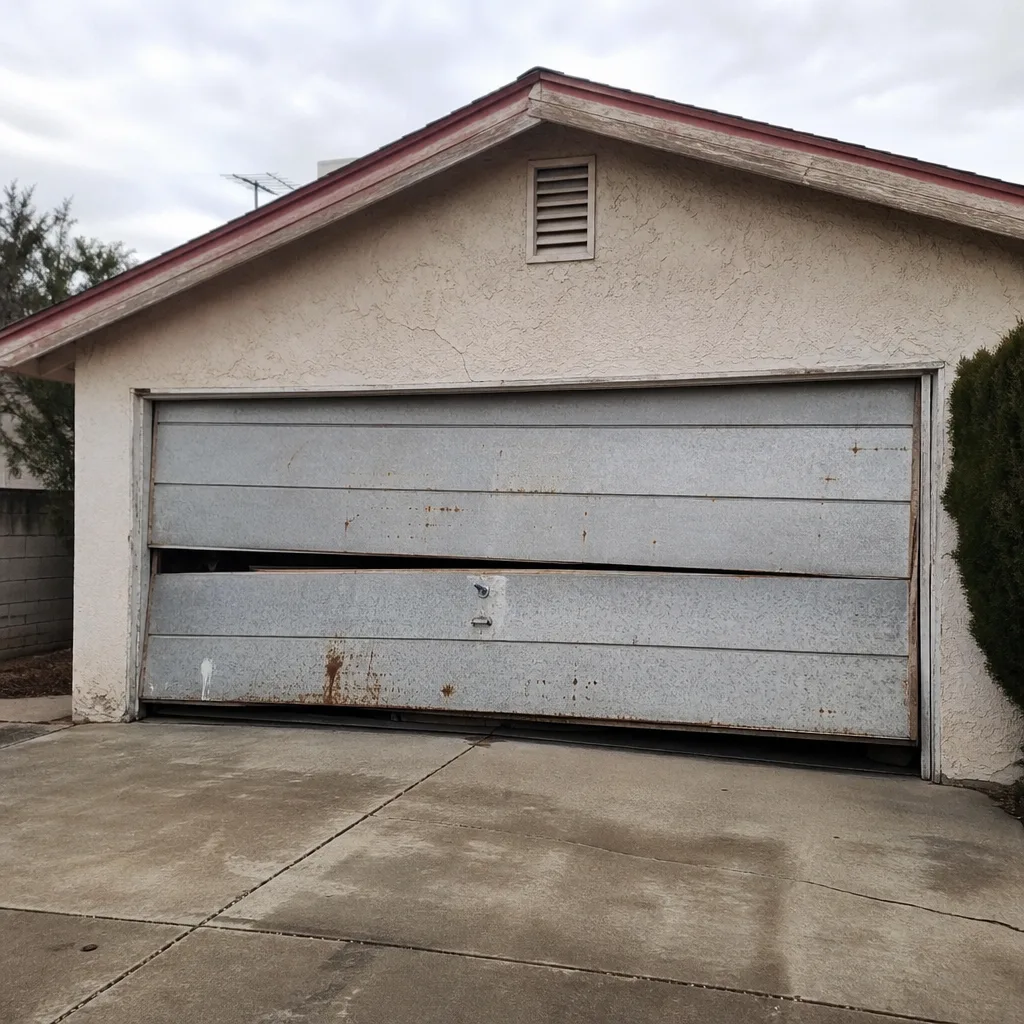 Before
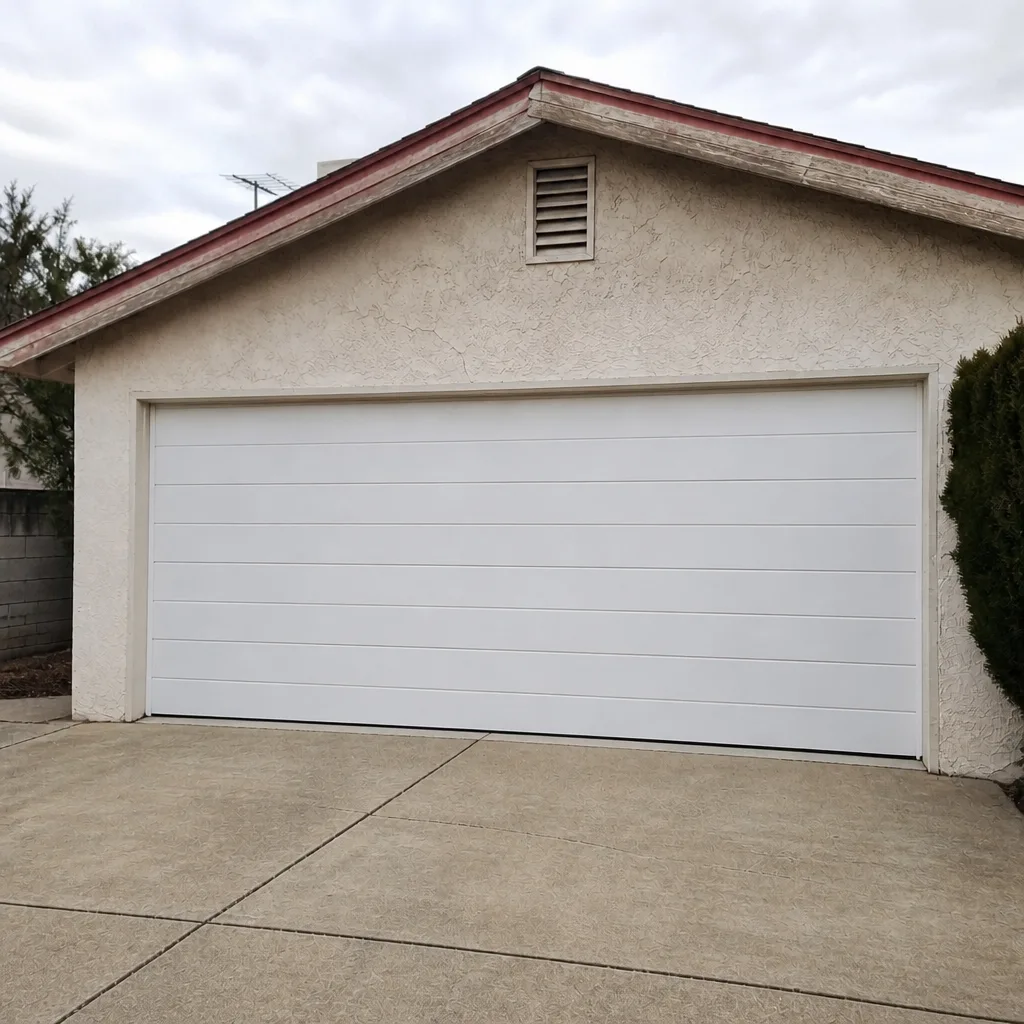 After
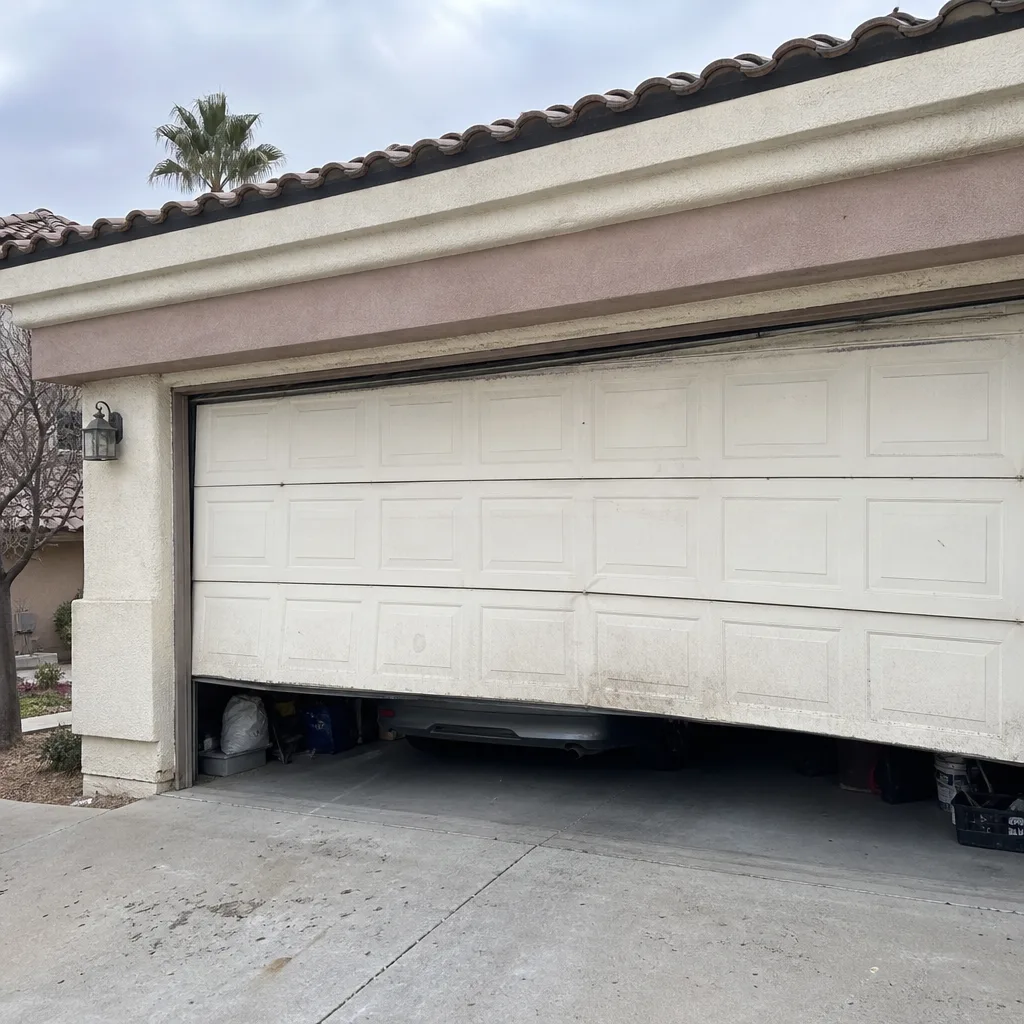 Before
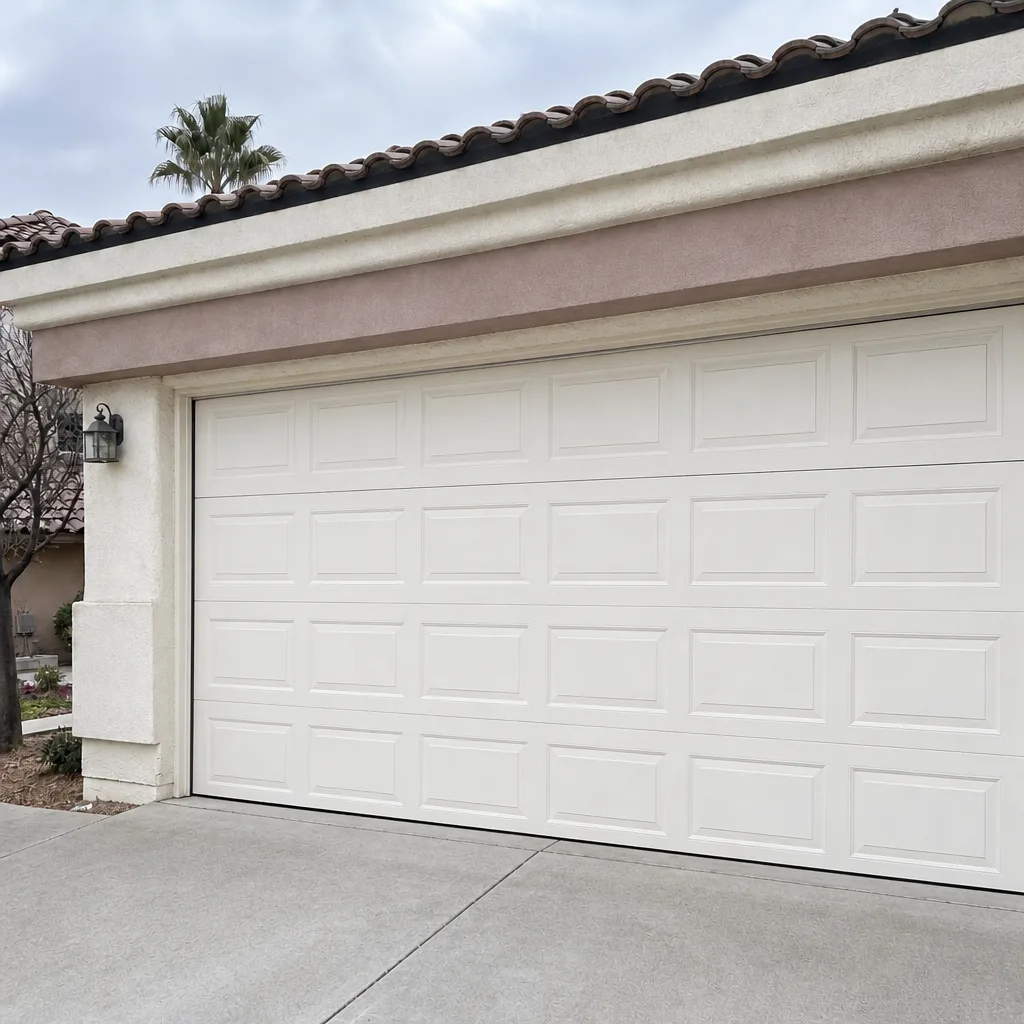 After
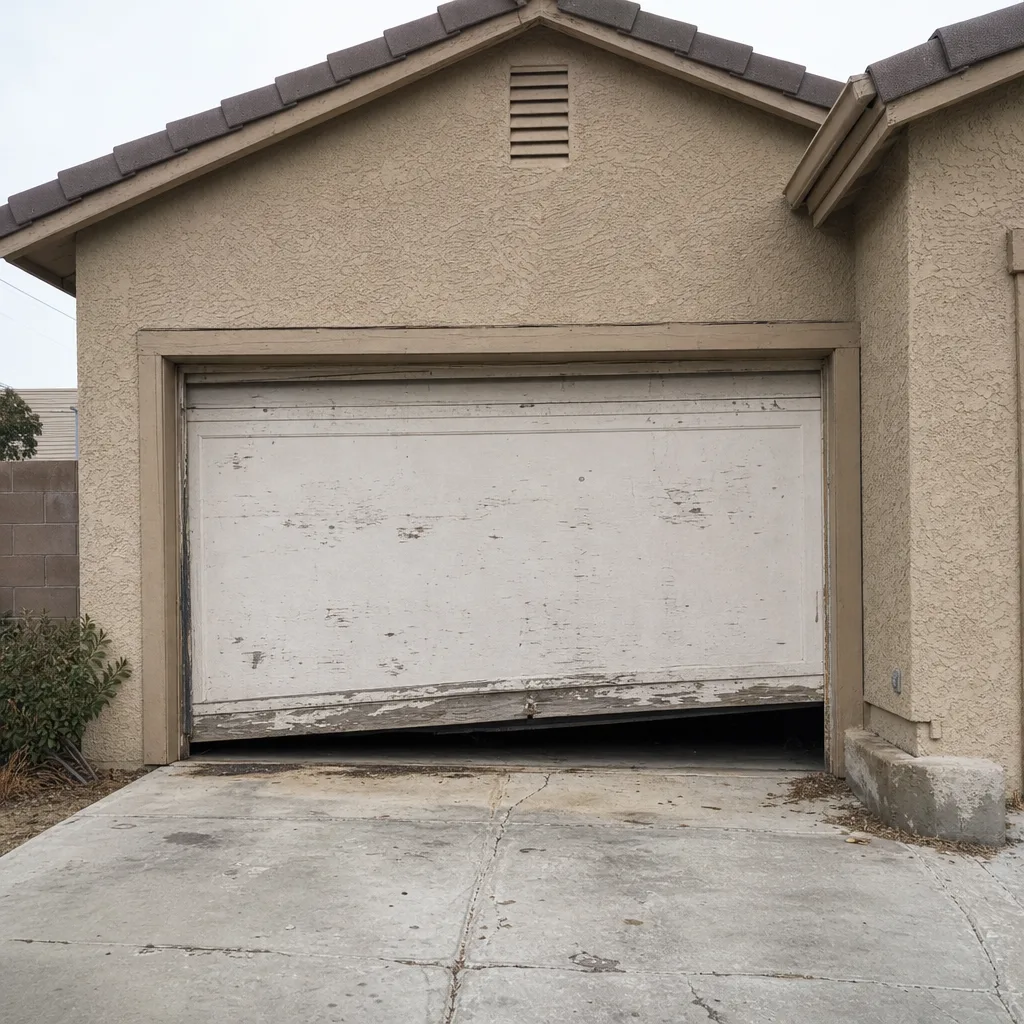 Before
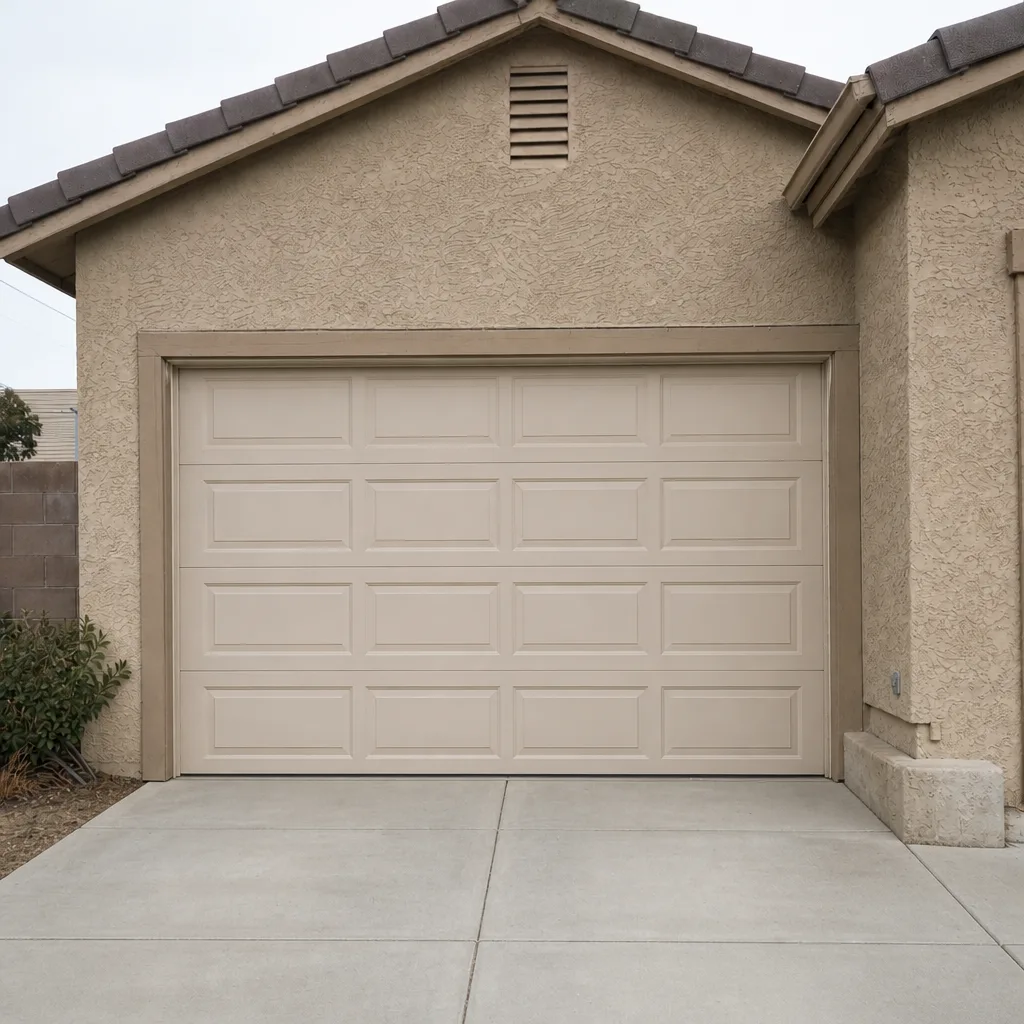 After
When to Call a Professional
Call now for any of these: a frayed or snapped cable, a door that reverses mid-cycle, a grinding that happens on every press of the remote, clicking with no movement, or a door that stops partway and won’t continue. Book a planned appointment within two to three weeks for hesitation, a steadily slowing door, or wear you can see at the rollers and hinges.
Mainspring Garage Door Co. Boulder City offers free estimates on any repair or replacement consideration. We answer the phone at any hour, including nights, weekends, and holidays – a real person, not a queue. Every price is stated before the work begins, and if something on the door is right, we’ll tell you that instead of selling you what you don’t need. A second opinion on any written estimate is free, so there’s no risk to asking. Call (833) 605-8582 and we’ll tell you exactly what the door is doing and what it will cost to fix it – nothing more. And if you want the fuller picture of what we do and where, here’s Mainspring Garage Door Co. Boulder City home.
Frequently Asked Questions
In our experience, a hesitating opener typically gives two to four weeks between the first noticeable pause and full failure, but the window can shorten to days if the gear has multiple stripped teeth. Don’t wait past three weeks. Call (833) 605-8582 the first week you notice it and book something planned rather than an emergency.
It’s urgent, not an emergency. Clicking without movement almost always means a stripped drive gear crown, which won’t repair itself. The door will not open until the gear is replaced. If your car is inside or the door is stuck open, call now. Otherwise, book the first available appointment and plan around it. Our team for Garage Door Repair in Boulder City usually resolves this in one visit because replacement gears for the major brands are on the truck.
Most opener repairs run between $180 and $340 depending on the component: a drive gear replacement is at the low end, a motor board or full logic board is at the high end. We give you a flat price before the work starts. No surprises on the bill. If you have a written estimate from another company, we’ll give you a free second opinion before you commit. Call (833) 605-8582 for an exact quote – estimates are free.
Yes, we handle after-hours and same-day calls for security-compromised doors, and a live person answers at any hour. If the door is stuck open overnight, call (833) 605-8582 and we’ll get someone out. If it’s stuck closed, that’s a scheduled visit – usually within a day or two.
Sometimes. A door that’s suddenly quieter can mean the chain has slackened enough that it’s no longer tensioned properly, or a drive component has worn smooth. If the quiet is paired with slower movement, that’s a failing drive. If it’s paired with hesitation, it’s a stripped gear. If the door runs at normal speed and no other symptom is present, it’s usually just a seasonal temperature change. When in doubt, a quick look at the hardware will tell you.
Usually not. Past the 15-year mark, replacement is the better call on most openers, especially in Boulder City where heat accelerates wear. A new opener with a fresh drive, safety sensors, and modern logic costs less over five years than repeated repairs on a worn unit. We’ll tell you honestly whether yours is a repair or replace case, and we’re not in the habit of selling replacement when a repair will do. Call (833) 605-8582 and we’ll walk through it.
The Bottom Line
Most opener failures announce themselves weeks in advance. The signs are a hesitant start, grinding on reversal, a steady clicking with no movement, a door that moves slower than it used to, and visible wear at the cables, rollers, and hinges. Hesitation alone gives you a two-to-three-week window to plan. Clicking without movement, a reversing door, or a frayed cable means call now. In Boulder City, dry heat and dust accelerate wear, so the safety margin is a touch shorter than in wetter climates. Read the signals early, and you turn a roadside emergency into a scheduled repair. That’s the whole game.
Written by the team at Mainspring Garage Door Co. Boulder City.