
Last updated November 18, 2026
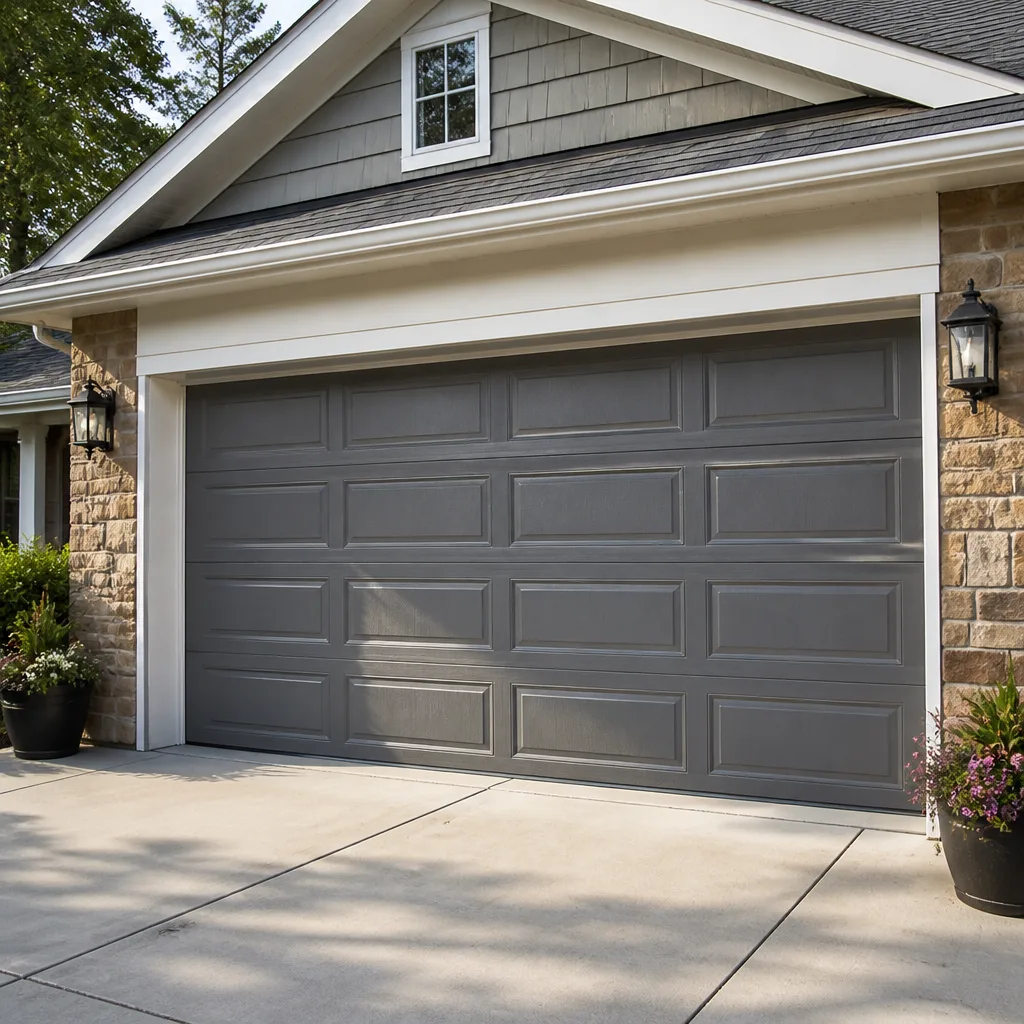 Raised-panel steel
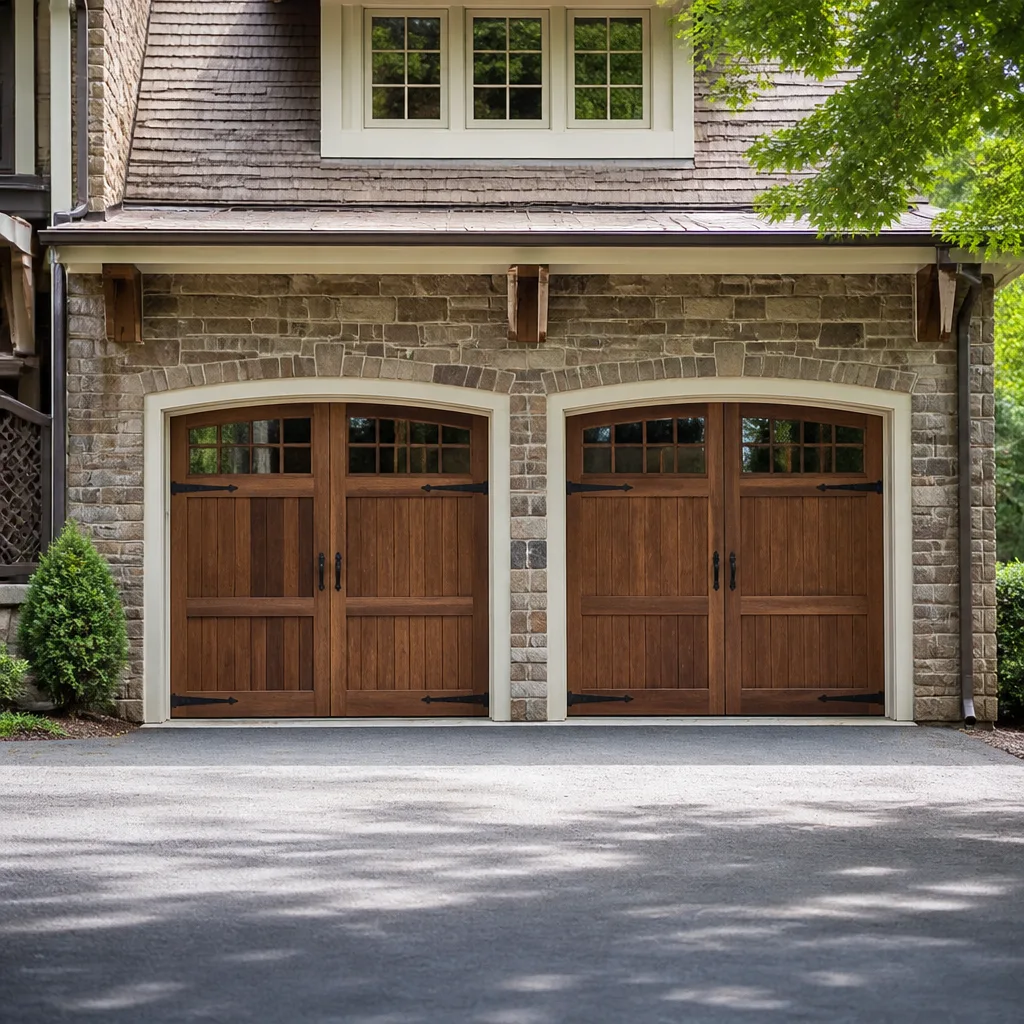 Carriage house
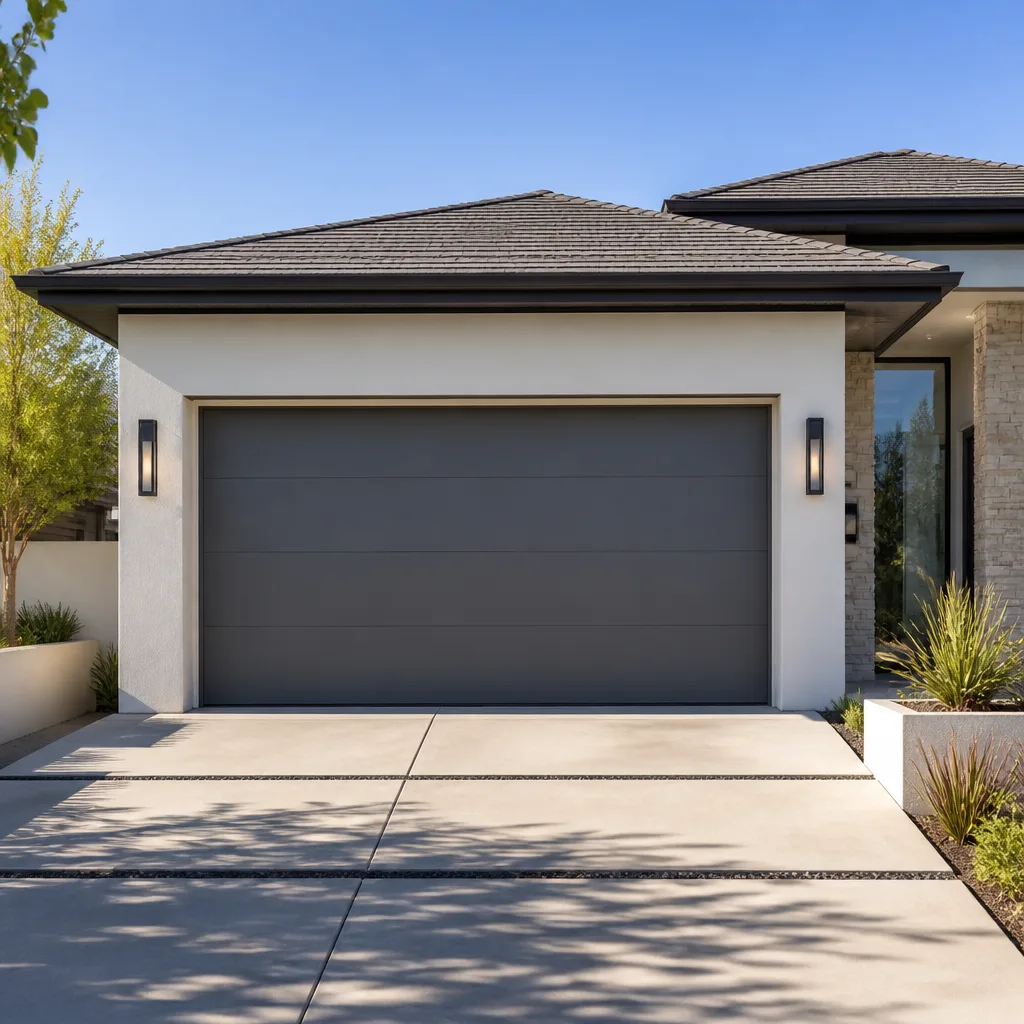 Modern flush
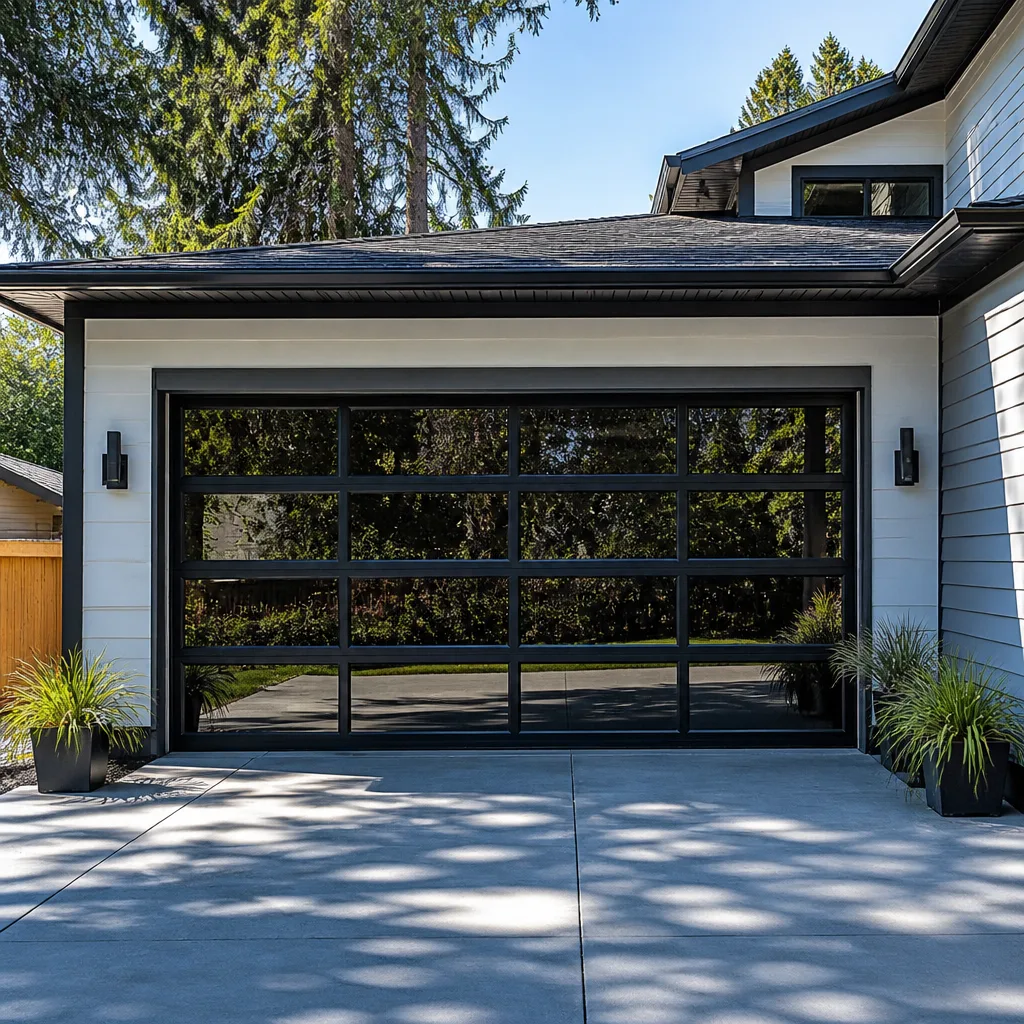 Full-view glass
 LiftMaster openers
 Chamberlain openers
Full 25-point door and opener safety check with every visit - springs, cables, rollers, tracks, and your LiftMaster or Chamberlain opener included
You get a price before we start. It does not change when the pro arrives.
Get your free estimateHow Long Does Garage Door Installation Take? Timelines and What to Expect
A same-day installation that stretches into a two-day ordeal usually isn’t the installer’s fault. It’s a door that was measured once, ordered wrong, and nobody caught it until the truck pulled up. We’ve seen a Boulder City homeowner lose an afternoon because a panel was ordered two inches narrow for a masonry opening that had crept with heat. The fix wasn’t hard. The wait was. Most installations finish in three to four hours, and the jobs that blow past a full day almost always trace back to one avoidable decision made before the technician arrived. Below we break the timeline into its real phases, show where time actually goes, and explain how to spot trouble before your appointment.
Quick Answer
A standard single-car garage door installation takes about 3 to 4 hours; a double-car door with an opener runs 4 to 6 hours. Most jobs are finished in one visit when the door is measured correctly and the opening is ready. The delays that push installation into a second day come from wrong rough-opening dimensions, missing header clearance, or outdated opener wiring, not from the installation itself.
Styles & brands we work with
- Raised-panel steel
- Carriage house
- Modern flush
- Full-view glass
- LiftMaster openers
- Chamberlain openers
Table of Contents
- Where the Time Actually Goes: Installation Phases
- How Door Width, Panels, and Insulation Change the Clock
- The Three Most Common On-Site Delays
- How to Check Your Opening Before the Appointment
- Single-Visit Jobs vs. Jobs That Need a Return Trip
- Boulder City Conditions That Add or Save Time
- Opener Integration and What It Adds
- Common Mistakes to Avoid
Where the Time Actually Goes: Installation Phases
Installation isn’t one block of time. It’s five separate phases, and knowing them lets you read a quote or a schedule with clear eyes. Here’s how a typical single-car job breaks down in our experience.
- Site prep (15-30 minutes). Clearing the garage floor, protecting the concrete, confirming the opening is square and the header is sound. This is where a technician earns his keep or finds the first problem.
- Old door removal (30-60 minutes). Taking down the existing door, tracks, and springs. If the springs are older torsion springs, this step is where training matters most, and we never ask a homeowner to touch them.
- New door assembly (60-90 minutes). Building the panels, setting them in the opening, aligning the tracks. The accuracy of the original measurement shows up here. A quarter inch off means extra shimming and extra time.
- Hardware and spring tensioning (45-60 minutes). Hanging the springs, setting tension, balancing the door so it stays put at half-height. This is the phase where a job either finishes clean or reveals the fit problem that adds a return visit.
- Opener integration and testing (30-45 minutes). Mounting the opener, wiring the safety sensors, setting travel limits, and running the door through full cycles. A new Genie or LiftMaster unit takes less time than retrofitting an old one to a new door.
For the full work, see our Garage Door Installation in Boulder City service. The 3 to 4 hour figure holds for a single door on a sound opening. A double door or a door plus opener sits in the 4 to 6 hour range.
How Door Width, Panels, and Insulation Change the Clock
Door width is the biggest single driver of time, and not just because bigger doors cost more. A wider door means wider panels, heavier springs, and a longer balancing act. A 16-foot double door with a Clopay or Amarr panel set takes meaningfully longer to square and tension than a 9-foot single.
Panel count matters too. A four-panel door assembles faster than a five-panel stacked design because there are fewer joints to align and fewer hinges to hang. Insulation type adds a quieter layer of time: a basic non-insulated steel door sets quickly, while a polyurethane-insulated door with a thermal break arrives heavier and bulkier, which slows handling by 20 to 30 minutes on its own.
- Single 8-9 ft door, non-insulated: about 3 hours.
- Single 9 ft, insulated (Clopay or Amarr): 3.5 to 4 hours.
- Double 16 ft, non-insulated: 4 to 5 hours.
- Double 16 ft, insulated plus opener: 5 to 6 hours.
These are honest ranges, not the lowball numbers a phone quote might offer. A job quoted at “two hours” for a double insulated door with a new opener is almost always a job that runs late, and a late job on a hot afternoon in Boulder City is where corners get cut.
The Three Most Common On-Site Delays
In our experience, nearly every overdue installation traces back to one of three pre-existing conditions on the garage opening itself. None of them are the installer’s work, and all of them can be caught before the appointment.
1. Wrong rough-opening size
The rough opening is the framed gap the door slides into, and it must be measured precisely. A door ordered to a “close enough” measurement won’t seat true, and the technician ends up shimming or, worse, discovering the door can’t be made to fit at all. That’s a second order and a delay of a week or more, not an afternoon.
2. Missing or insufficient header clearance
The header is the framing above the opening that supports the torsion system and the door when it’s raised. If the header sits too low or isn’t deep enough, the door can’t open fully, and the install stalls while the framing is corrected. Out-of-town crews sometimes discover this on arrival and have to schedule a return trip.
3. Outdated or missing opener wiring
If you’re adding an opener to a door that never had one, the garage may need new electrical work for the motor and safety sensors. Adding an opener to an existing wire that’s been in the wall for decades often means the wire itself is a problem, and an electrician’s visit can push the job into a second day. If you already have a working opener and only the door is changing, this delay vanishes.
How to Check Your Opening Before the Appointment
A few minutes with a tape measure and a flashlight before the installer arrives can save you a day. We walk Boulder City homeowners through these checks by phone when they book a free estimate.
- Measure the rough opening. Width and height from inside the framing, edge to edge. Write the numbers down and compare them with the door you’re ordering.
- Look at the header. Confirm there’s solid framing across the top for the springs and door to hang from. A sagging or shallow header needs fixing before the door goes up.
- Check the tracks and floor. Tracks must be plumb and the concrete at the opening level. A cracked or settled sill in older Boulder City masonry garages changes how the door seals.
- Trace the opener wiring. If you’re adding an opener, find the outlet above the door and confirm it’s live and reachable. Note any exposed or brittle wire.
- Clear the work area. Not a delay, but it saves 15 minutes and keeps the technician focused on the door.
Single-Visit Jobs vs. Jobs That Need a Return Trip
Most installations finish in a single visit, and that’s the standard we hold ourselves to because our technicians arrive with the right parts. But some jobs genuinely need a return trip, and it’s better to know why than to be surprised.
Return trips happen when: a door arrives damaged from the factory and has to be reordered; the rough opening or header needs carpentry before the door can go up; the garage needs new electrical work for an opener and an electrician’s schedule doesn’t align with the door’s; or a custom-sized or non-standard-width door wasn’t measured precisely enough the first time.
What sets apart a credible installer is being told upfront which of these might apply. A company that promises a two-hour install on every job without asking about the opening is not being careful, it’s being optimistic. Our Garage Door Repair in Boulder City team shares the same opening-first approach when a repair turns out to need a replacement.
Boulder City Conditions That Add or Save Time
Boulder City has its own quirks that out-of-town crews don’t anticipate. The intense desert heat works on concrete and masonry year after year, and openings in older Boulder City garages frequently show heat expansion that shifts a door’s fit by the time summer arrives. That means a door measured in a cool season may seat tighter or looser in August, and a technician who knows the local building stock plans for it.
Many Boulder City homes were built decades ago with masonry garage openings rather than wood-framed ones. Springs, headers, and track anchors have to suit masonry differently, and that nuance often adds 20 to 40 minutes to a job – a detail that shows up as an honest range in our quote, not a surprise on the bill. Meanwhile, a straightforward swap on a modern opening in a newer Boulder City neighborhood can finish closer to the three-hour mark.
The 90-Day Done Right Promise covers all of it: if the door doesn’t seat or run the way it should, we come back and make it right, in writing, at no charge. That’s the difference between a job that fits Boulder City openings and one that just fits a template.
Opener Integration and What It Adds
An opener integration is the last phase and the one most likely to stretch a job’s clock. A new door paired with a new opener – a Genie or Chamberlain unit, say – takes about 30 to 45 minutes to mount, wire, and calibrate. The motor has to align with the door’s travel, the safety sensors have to be set so the door reverses properly, and the limits need refining until the door sits flush.
The variable is the existing wiring. If the garage already had a compatible opener, the new door integrates quickly. If the opener is being added from scratch, expect an electrician’s involvement and potentially a second visit. See our Garage Door Opener in Boulder City service for the full picture, and note that our technicians are familiar with every major opener brand, so integration decisions get made on-site rather than guessed.
Common Mistakes to Avoid
- Measuring once and ordering. A single measurement is how installs stall. Ask whoever measures to note the opening width, height, and header depth in writing, then compare with the door spec before it ships.
- Choosing a door by price alone. A cheaper non-insulated door is easier to handle but harder to live with in the desert heat. Insulation affects comfort and noise, not just the number on the invoice.
- Ignoring the opener wiring. Booking an opener install without checking the garage’s electrical supply is the single fastest way to a second visit. Trace the wire before appointment day.
- Assuming a two-hour promise. Any quote that promises a two-hour double-door install with an opener is padding the schedule or planning to rush. Ask what the opening looks like first.
- Booking without a written price. A firm flat price before work starts is the only way to know the bill. Get it in writing, then compare. See our Mainspring Garage Door Co. Boulder City home for how we quote.
- Forgetting the seasonal timing. In Boulder City, avoid scheduling a masonry install during the peak of summer heat if you can – cooler mornings give the concrete and door panels time to settle evenly.
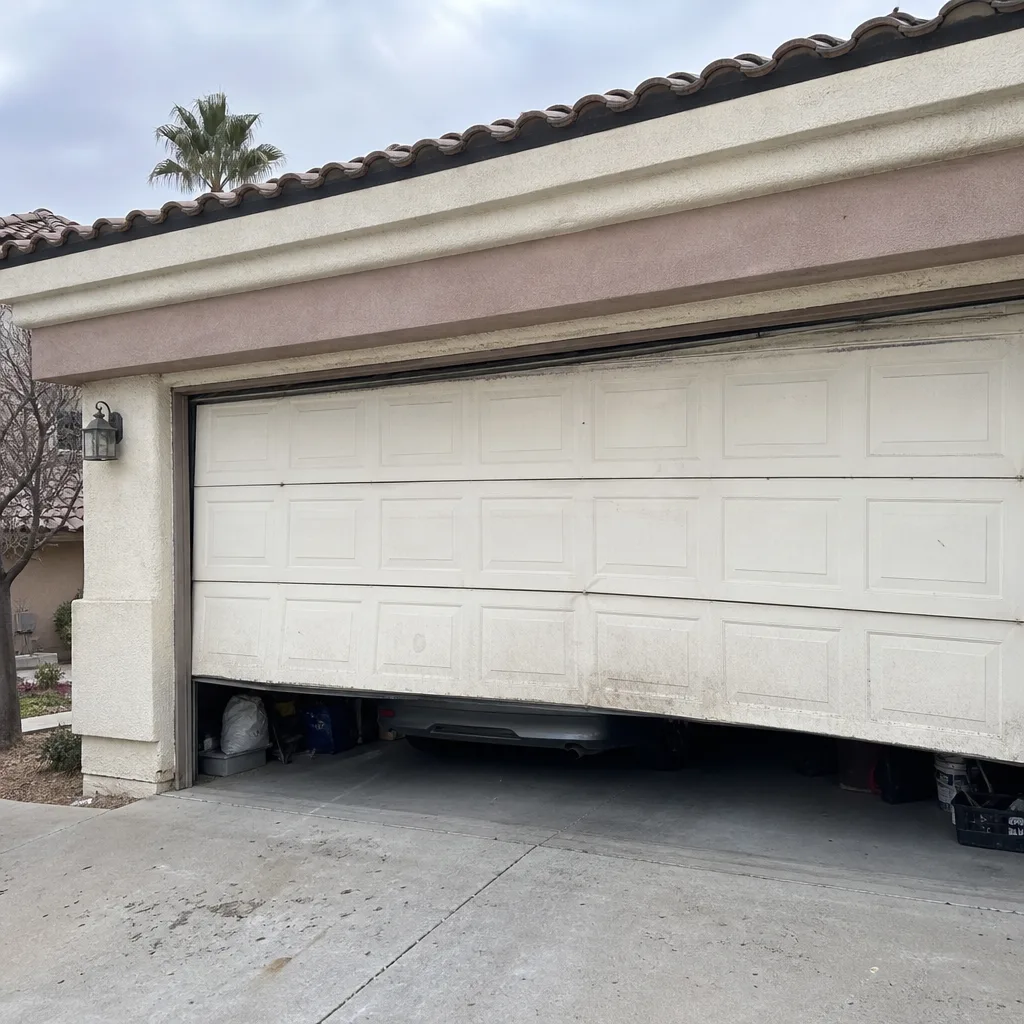
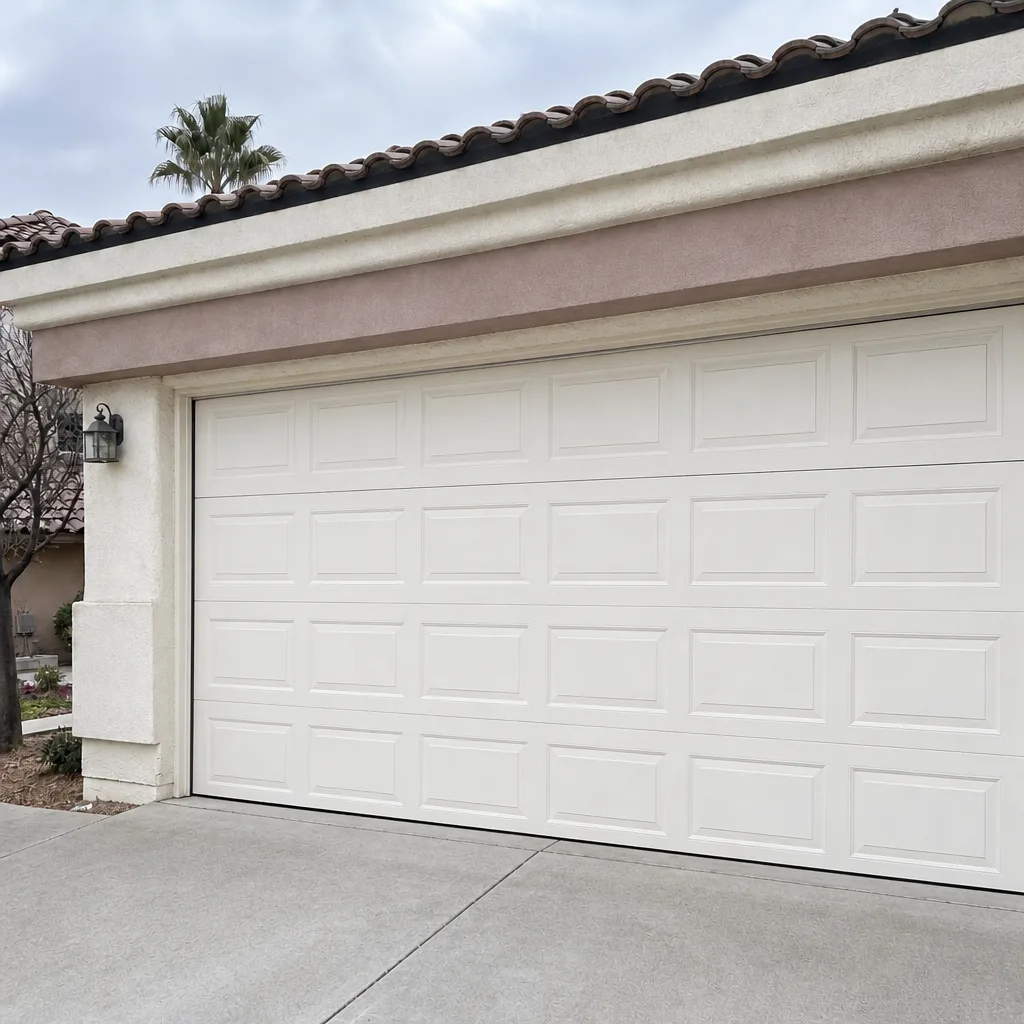
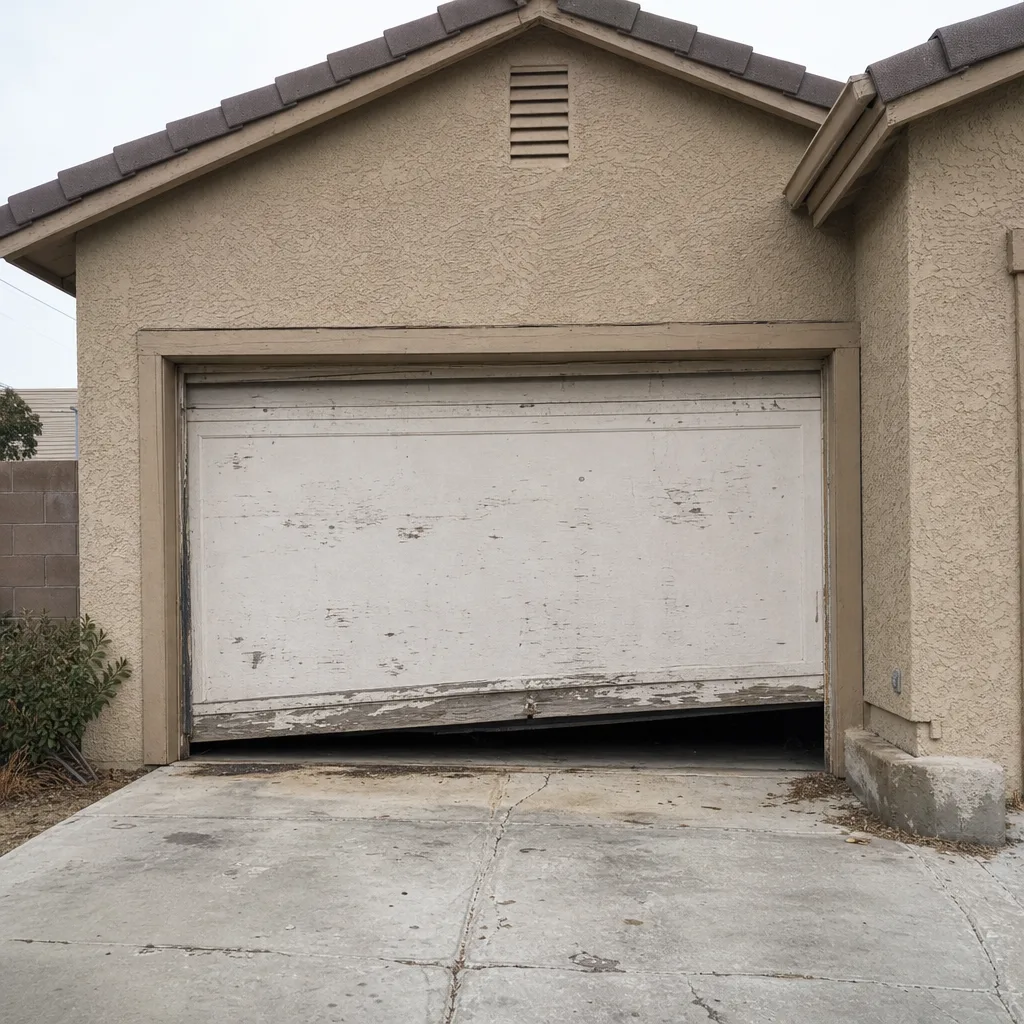
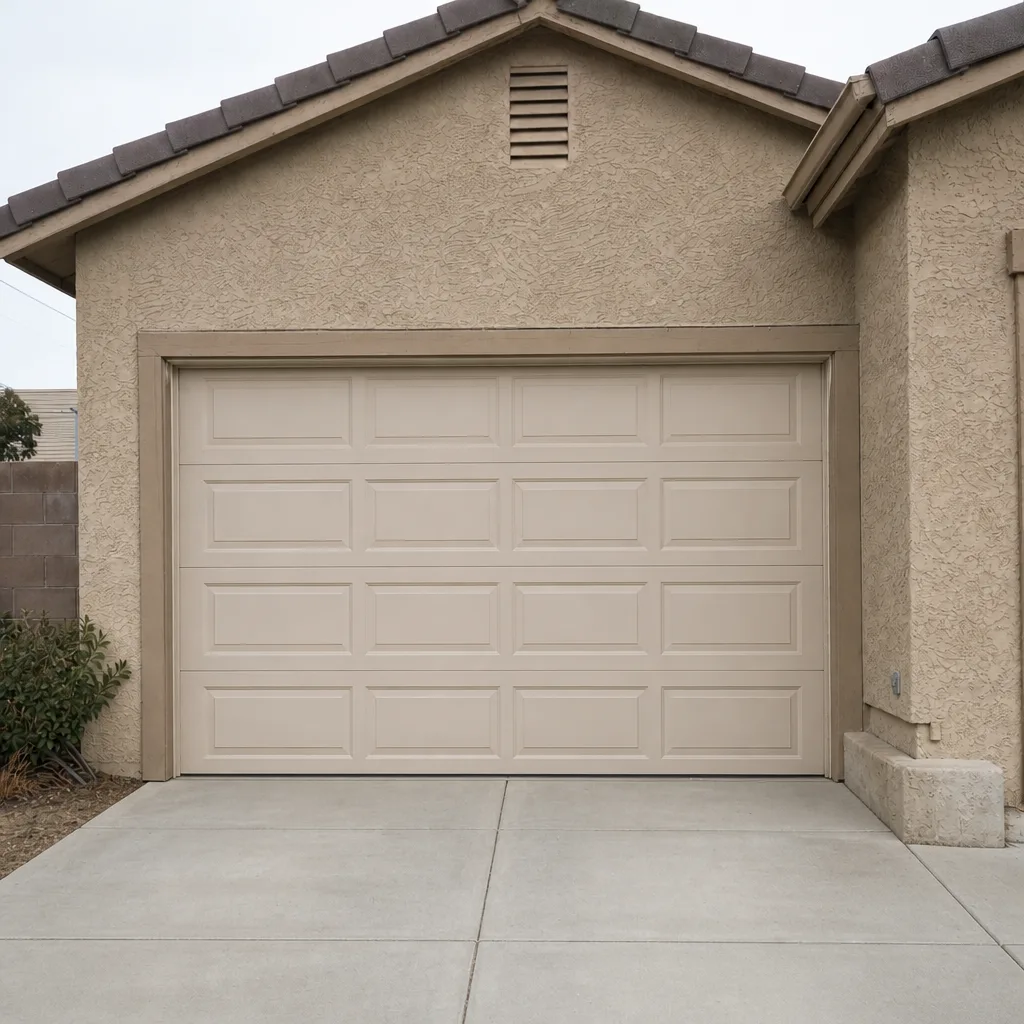
See the difference
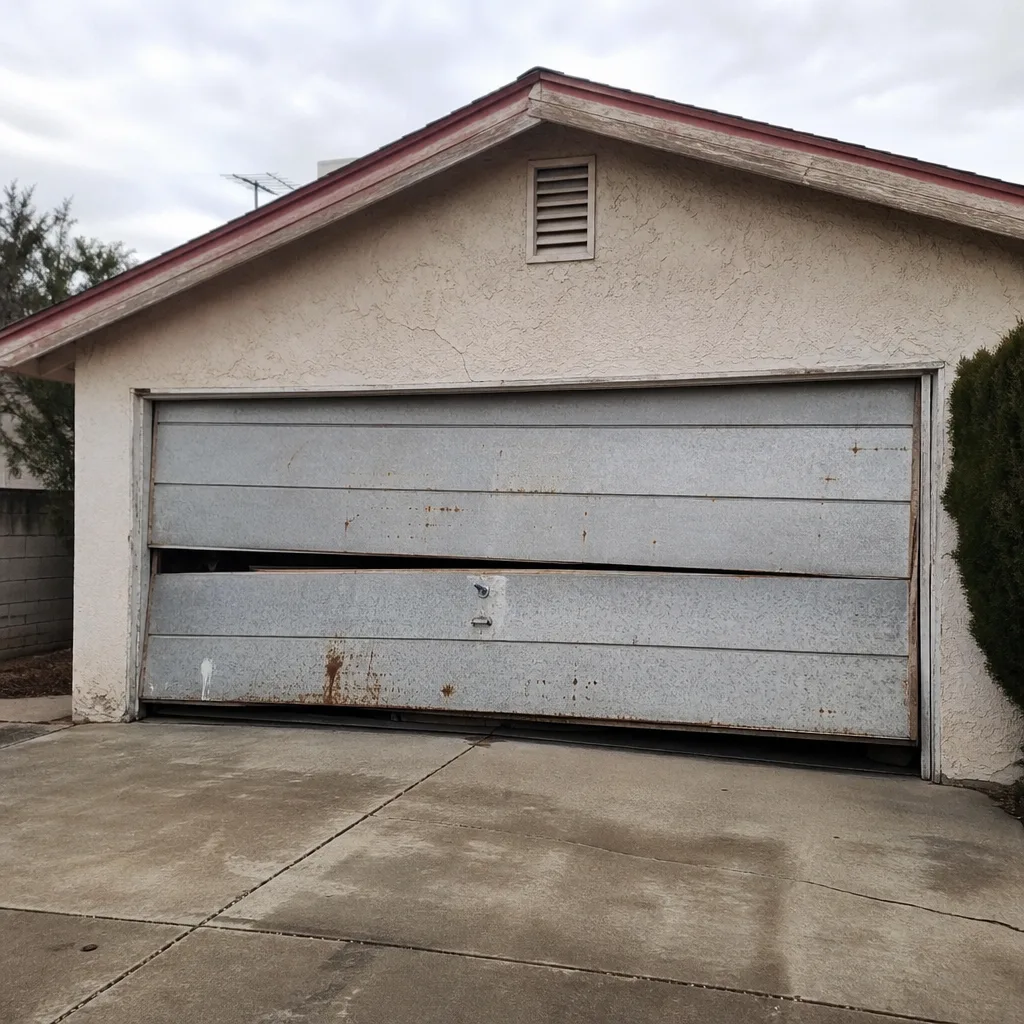 Before
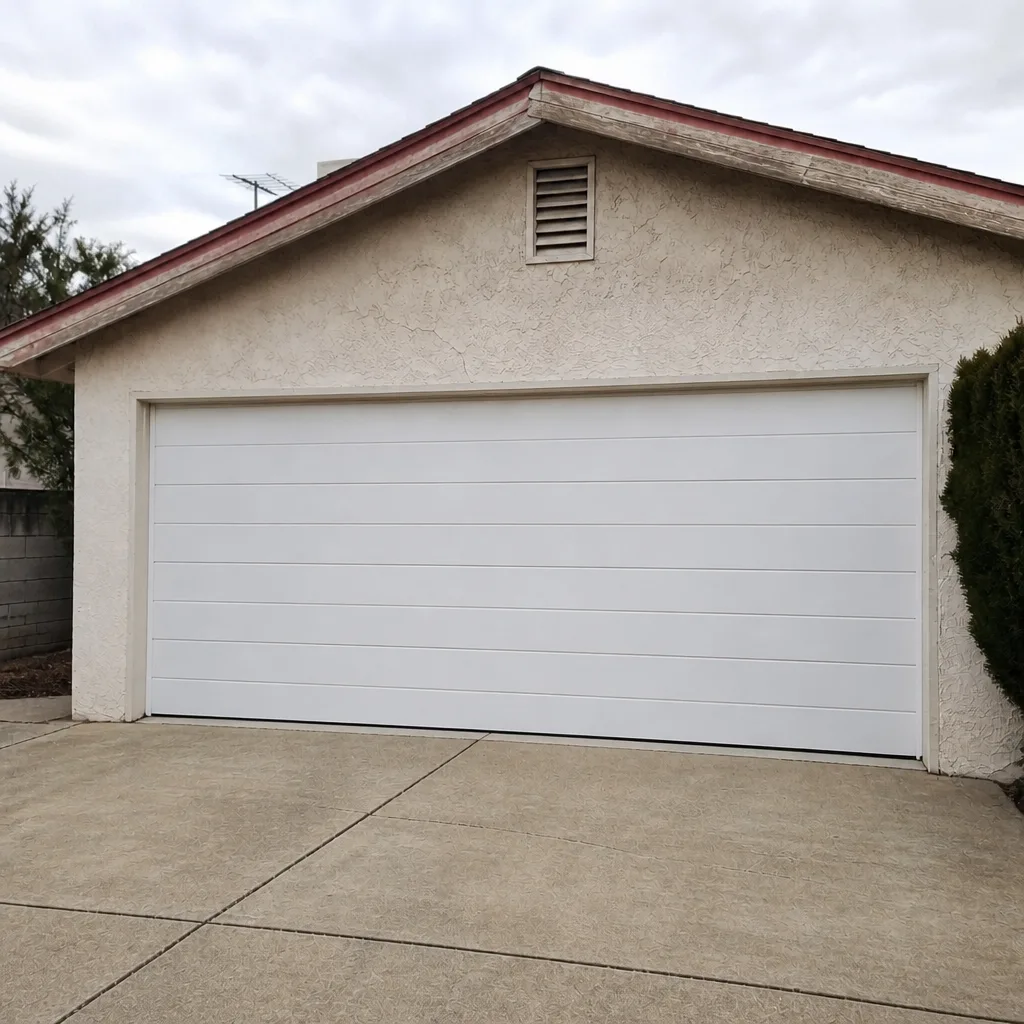 After
 Before
 After
 Before
 After
When to Call a Professional
Some work is fine for a homeowner with a tape measure: measuring an opening, tracing opener wiring, clearing the floor. The rest is where the danger lives. Torsion springs, cables, and the balancing of a door that weighs several hundred pounds should never be handled without training. A spring that lets go during a do-it-yourself attempt can cause serious injury, and the risk isn’t worth the saved afternoon. Call a trained professional for anything involving the springs, tensioning, the opener motor wiring, or the final balance of the door. If you’re in Boulder City and aren’t sure whether your opening is ready, Mainspring Garage Door Co. Boulder City offers free estimates in Boulder City – call (833) 605-8582 and we’ll walk through it before you commit.
Frequently Asked Questions
Yes. A standard single or double door with an opener typically finishes in a single visit of 3 to 6 hours when the opening is ready and the door was measured correctly. We plan most jobs as single-visit work because our technicians arrive with the parts on hand.
The three biggest time-adders are an incorrect rough-opening size, a header that’s too low or shallow, and missing or outdated opener wiring. Boulder City’s older masonry openings and desert heat expansion can also add 20 to 40 minutes to a job. Each of these is checkable before the appointment.
Yes, usually 30 to 90 minutes longer. A wider door means wider panels, heavier springs, and a longer balance. Insulation adds weight and bulk, which slows handling. A double insulated door with an opener typically runs 5 to 6 hours versus about 3 for a single non-insulated door.
It shouldn’t. The flat price should be stated and agreed before any work begins, so there are no surprises on the bill. If the opening needs carpentry or new wiring, that should be identified at measurement time and priced upfront, not after the truck is loaded. Call (833) 605-8582 for an exact quote – estimates are free.
We do, and pairing them usually saves the second visit. A new door with a new opener runs 30 to 45 minutes longer than the door alone. If the garage has no existing opener wire, an electrician’s involvement can add a return trip, so it’s worth confirming during the free estimate.
We’re factory-familiar with all major brands, including LiftMaster, Chamberlain, Genie, Clopay, Amarr, Wayne Dalton, Craftsman, and Raynor. That familiarity keeps the opener integration and door fit moving, rather than stalled while an unfamiliar install is worked out on your driveway. Call (833) 605-8582 to schedule.
The Bottom Line
Garage door installation is mostly predictable work – 3 to 4 hours for a single door, 4 to 6 for a double with an opener – and the jobs that drag past a full day almost always trace back to the opening, not the installer. Measure the rough opening, check the header, trace the opener wiring, and get a flat price in writing before anyone arrives. In Boulder City, heat expansion and masonry openings are part of the picture, and a technician who knows them plans for them. Do the prep, book the measurement, and most installations finish in a single visit, done right the first time.
Written by the team at Mainspring Garage Door Co. Boulder City.