
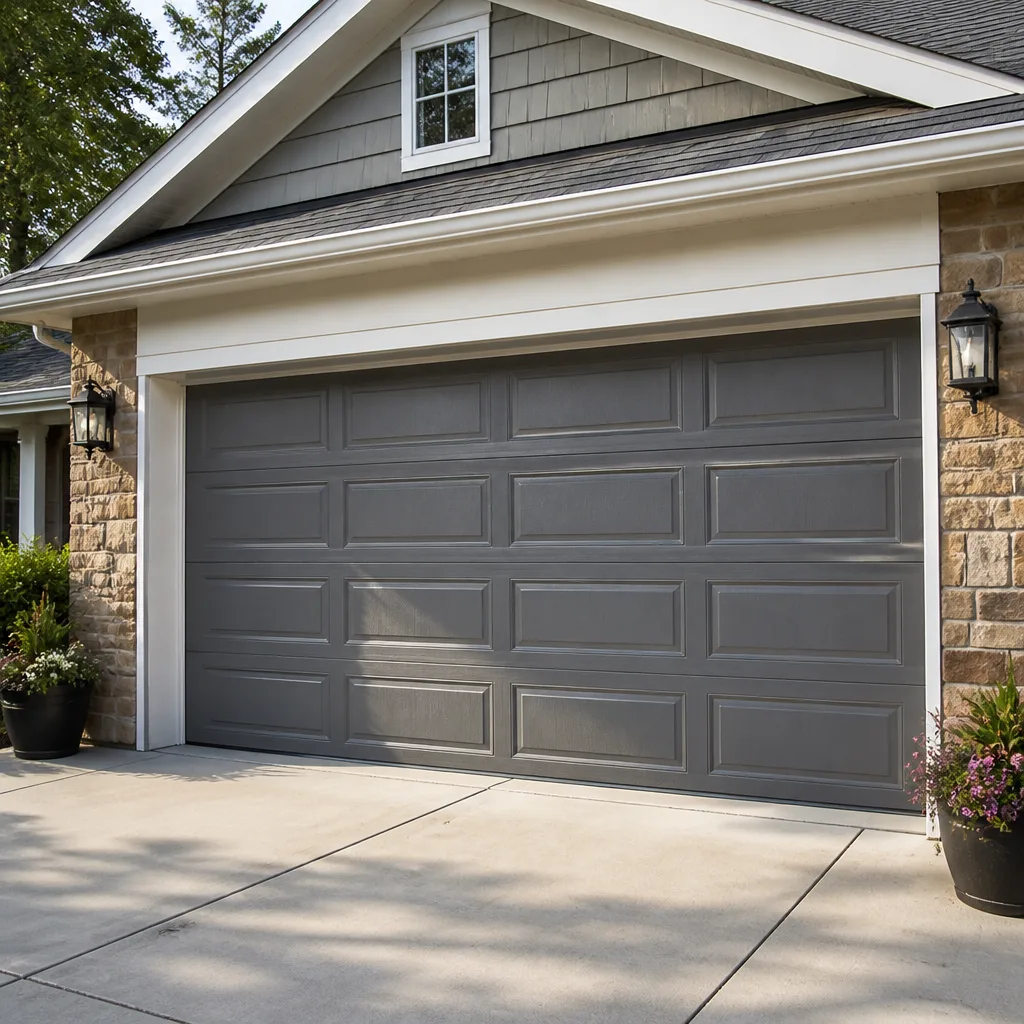
 Raised-panel steel
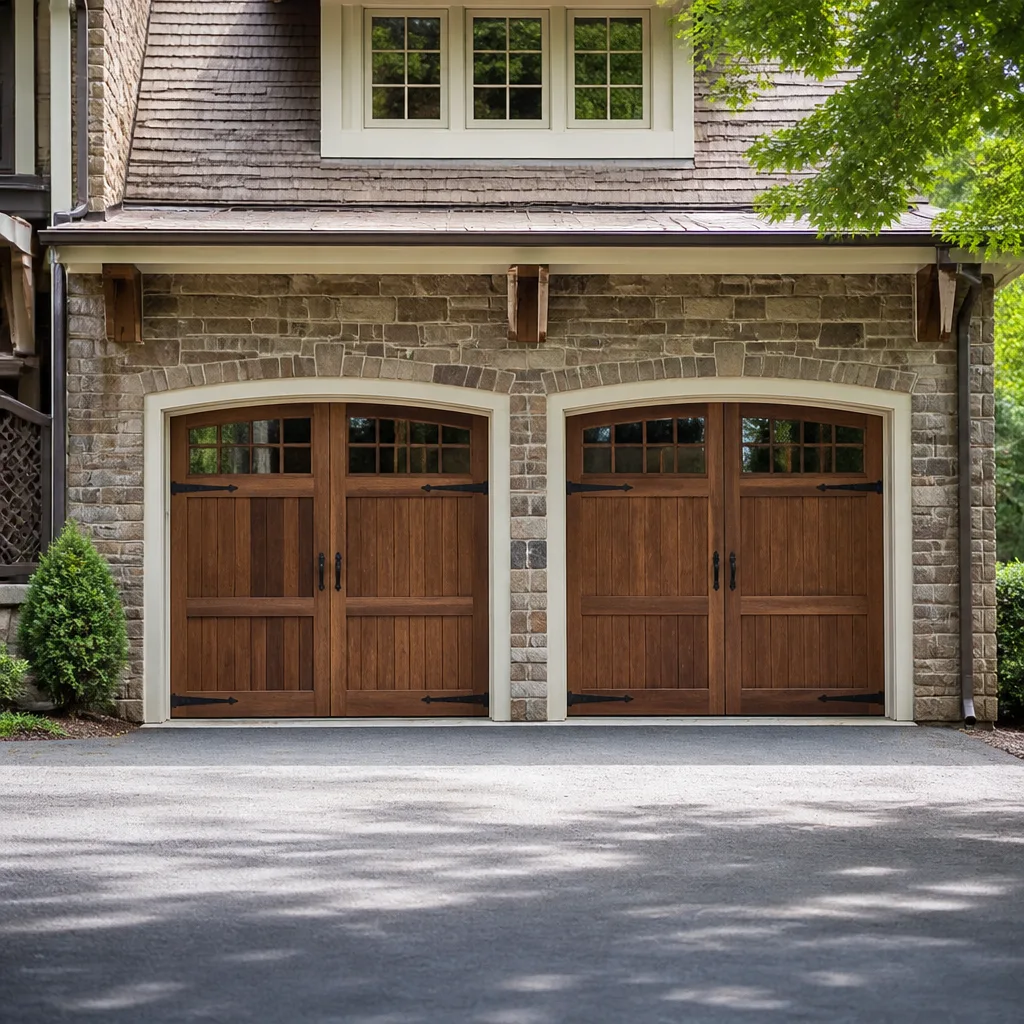 Carriage house
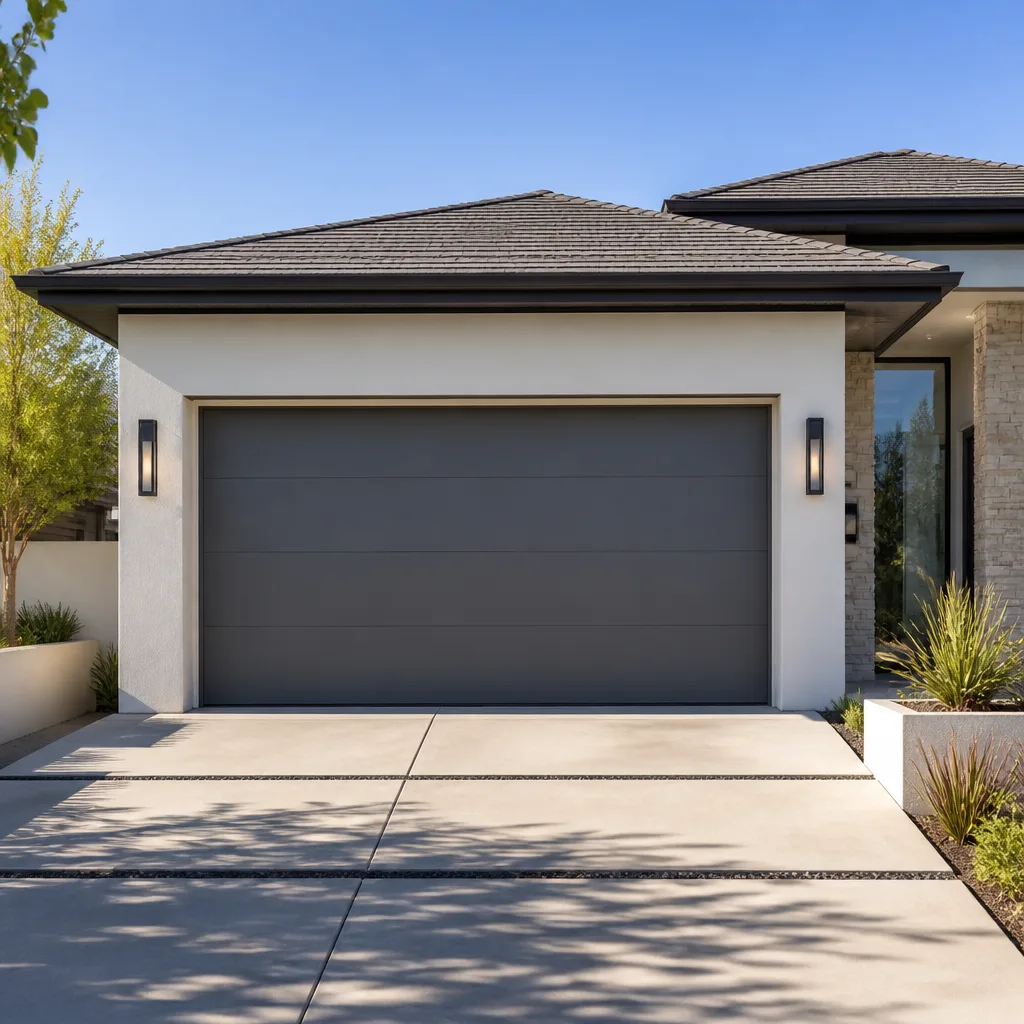 Modern flush
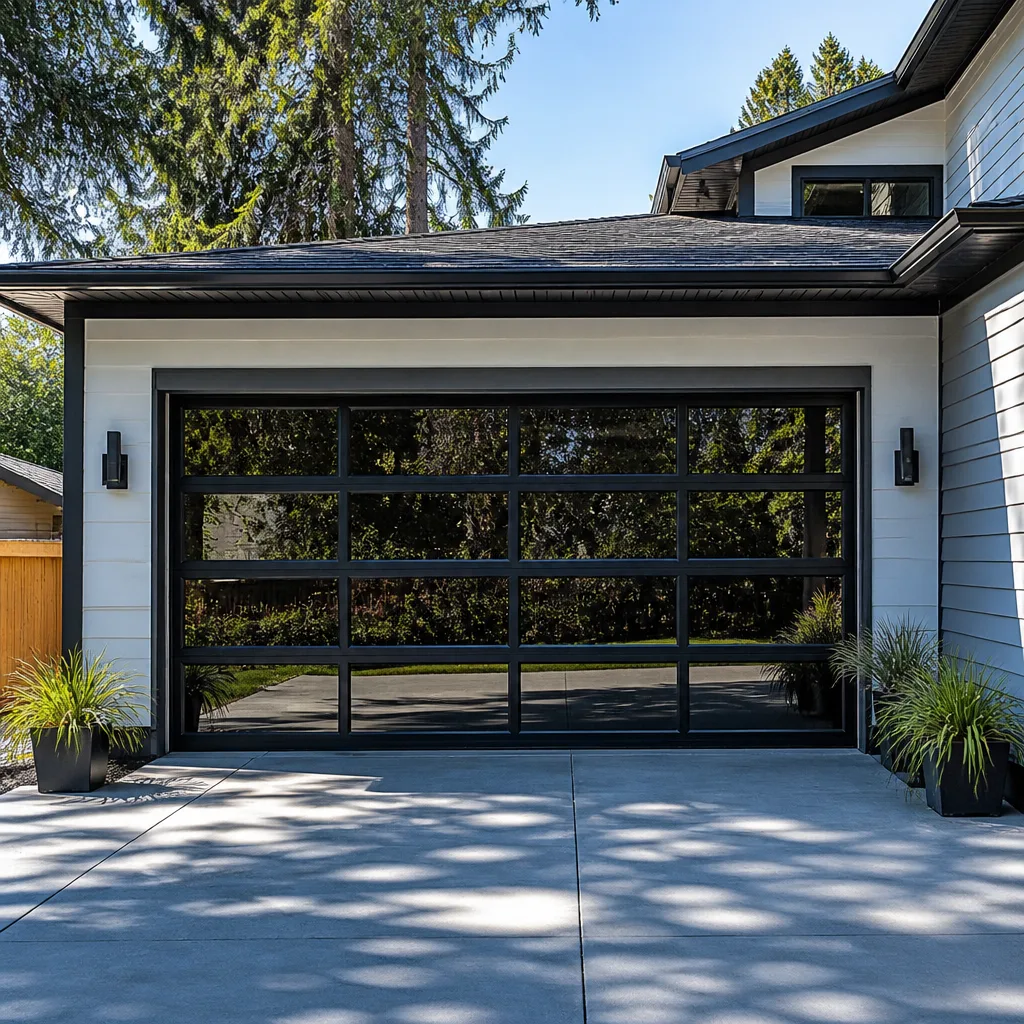 Full-view glass
 LiftMaster openers
 Chamberlain openers
Full 25-point door and opener safety check with every visit - springs, cables, rollers, tracks, and your LiftMaster or Chamberlain opener included
You get a price before we start. It does not change when the pro arrives.
Get your free estimateStyles & brands we work with
- Raised-panel steel
- Carriage house
- Modern flush
- Full-view glass
- LiftMaster openers
- Chamberlain openers
See the difference
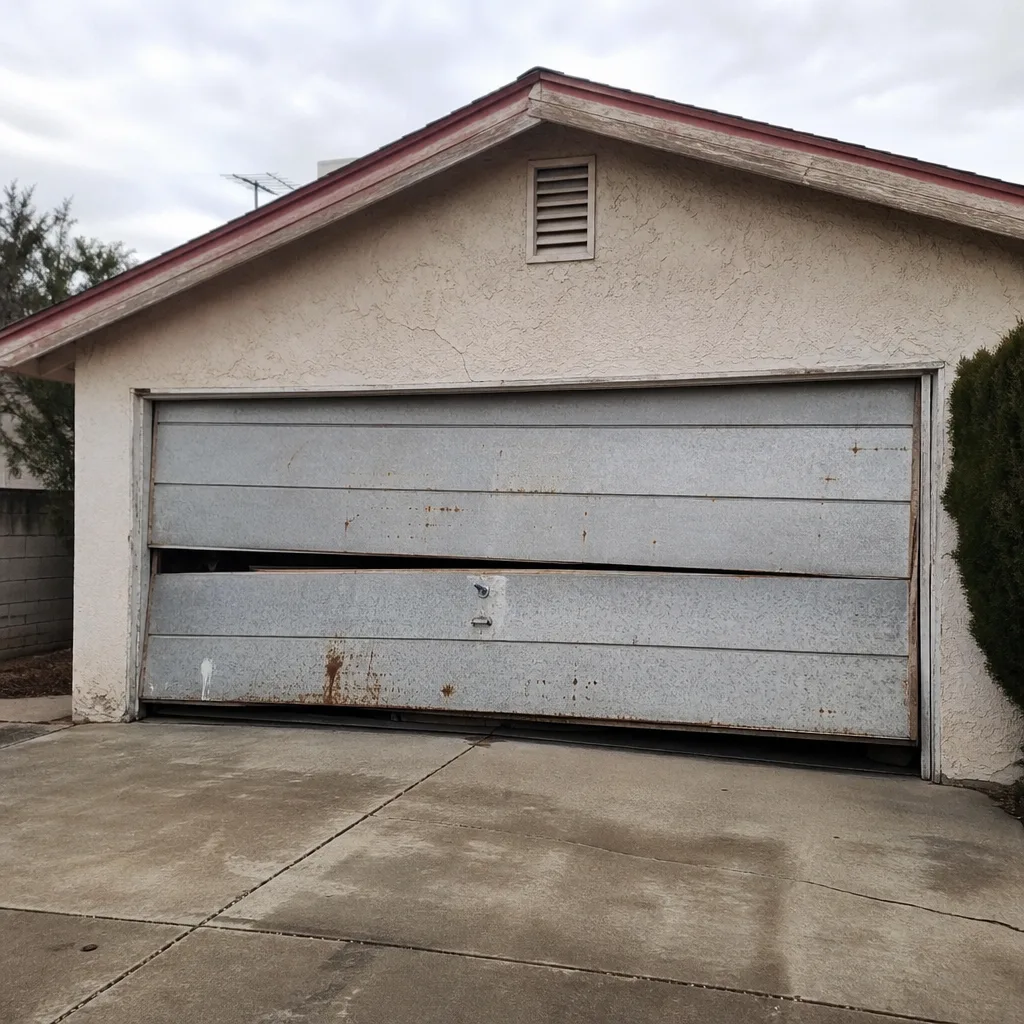 Before
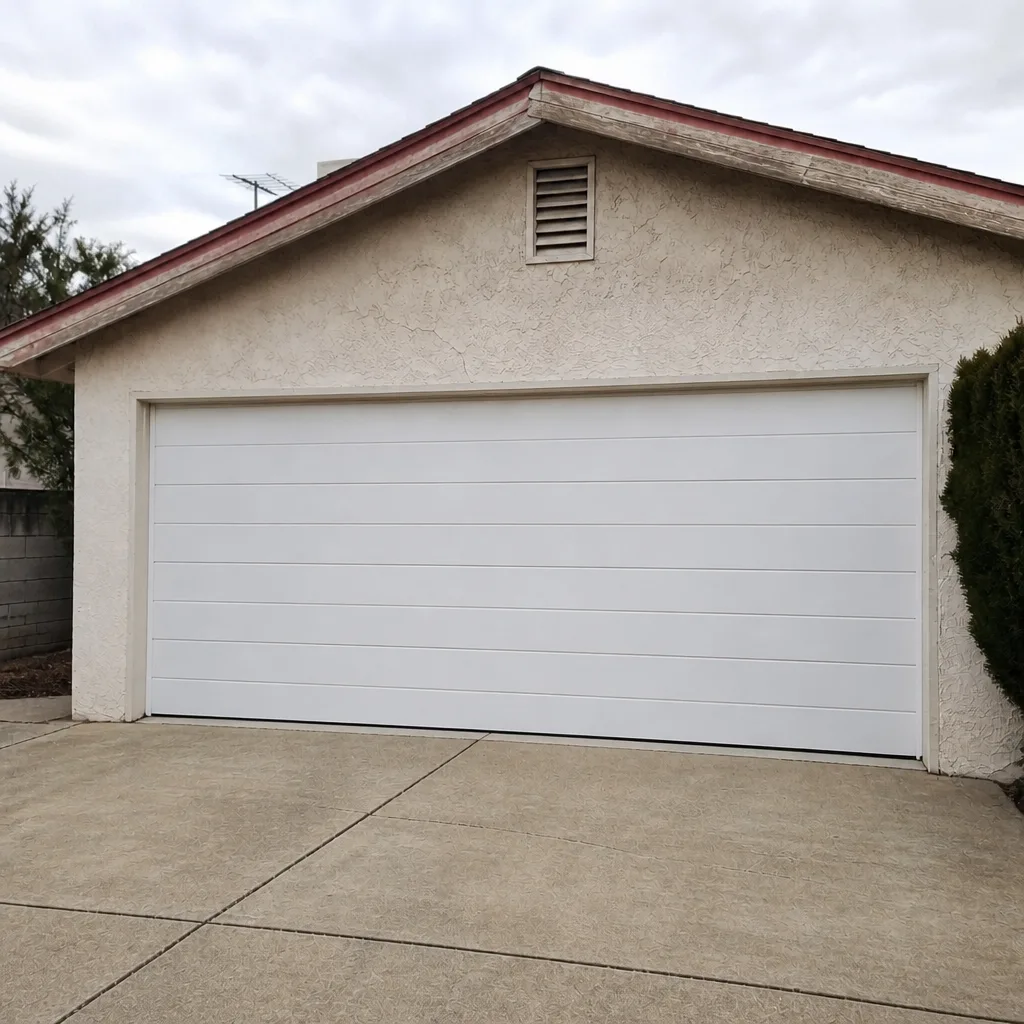 After
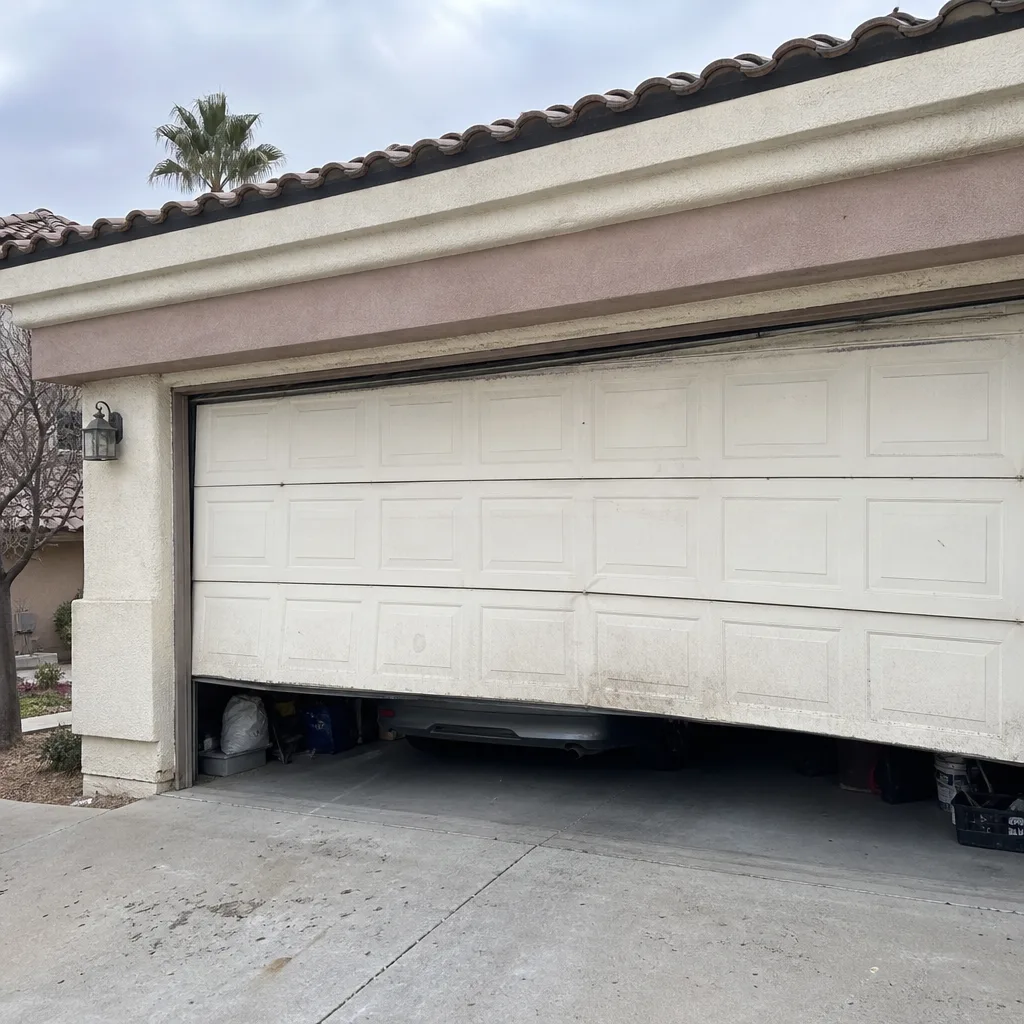 Before
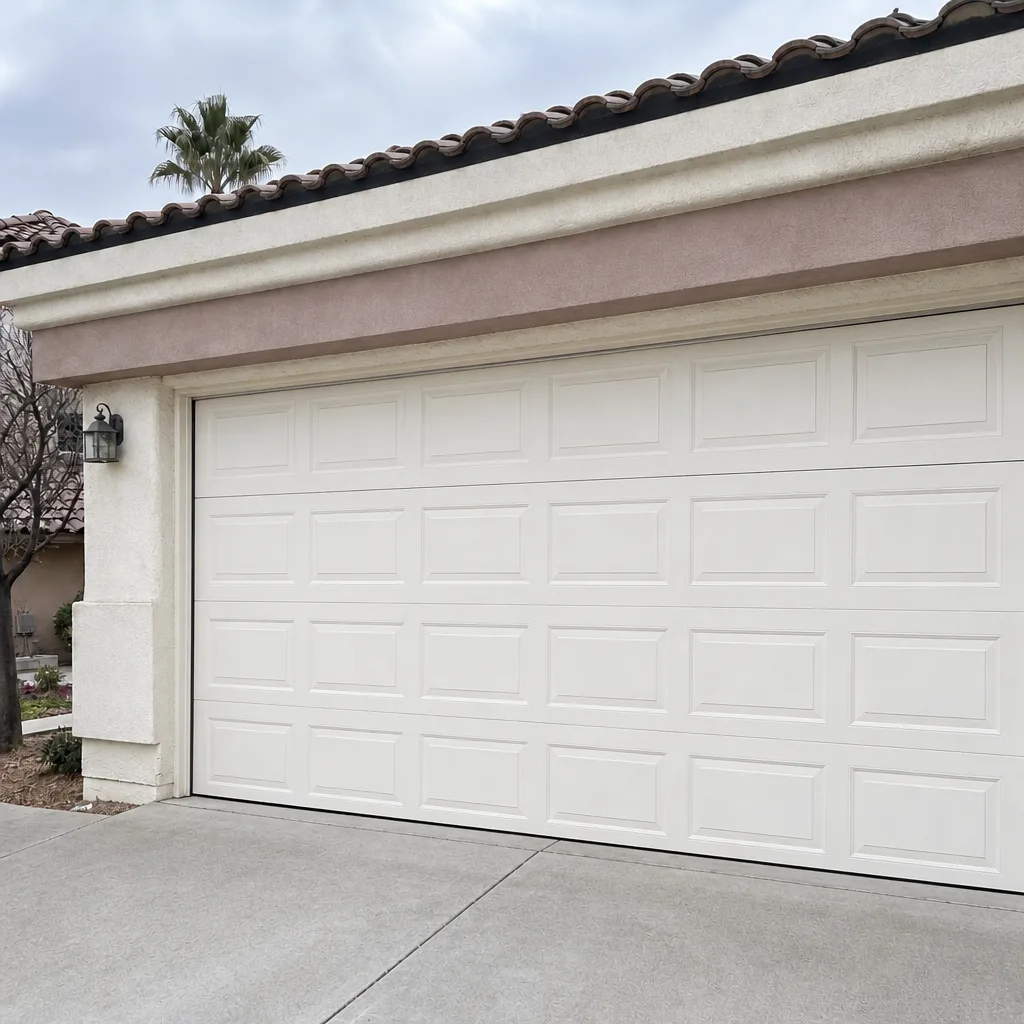 After
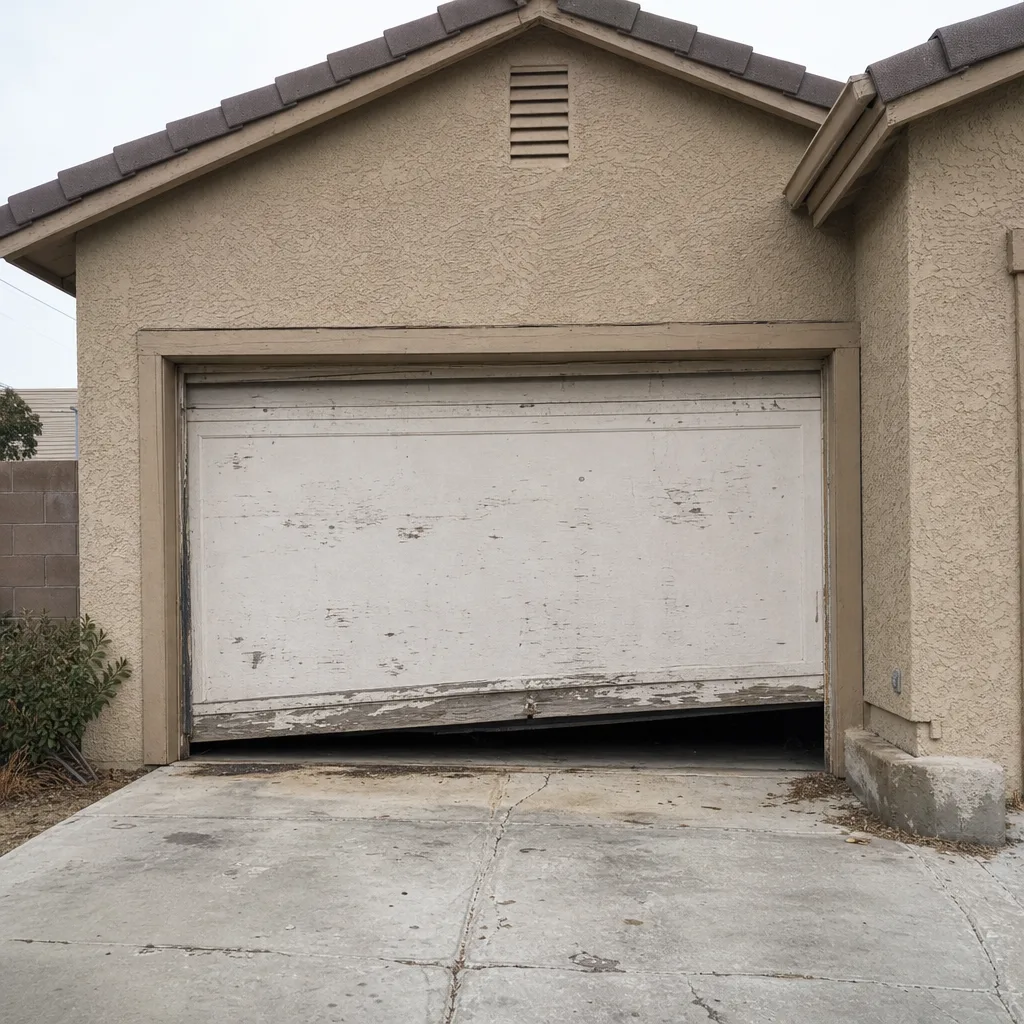 Before
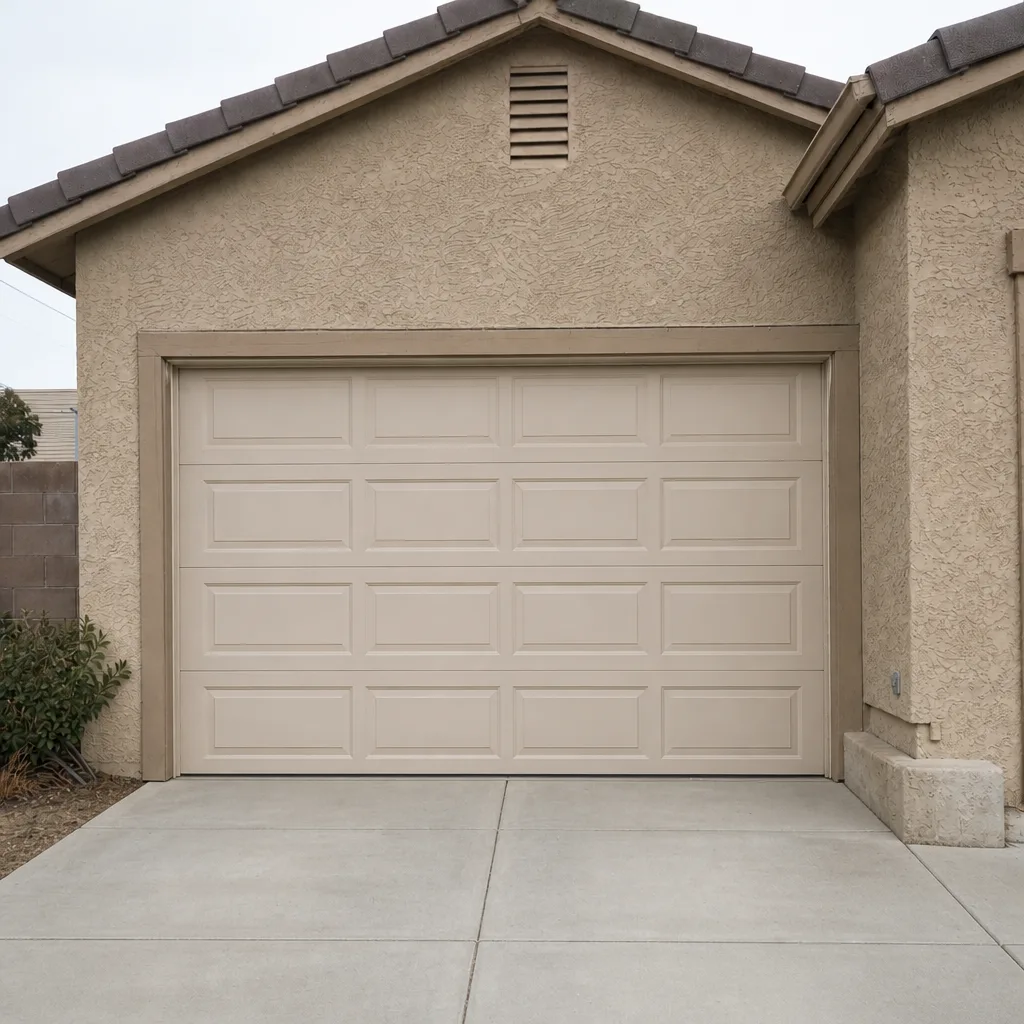 After
Torsion vs Extension Springs in Boulder City, NV: The Low-Headroom Answer Most Comparisons Skip
Choose torsion springs unless your garage’s header clearance is under about 10 inches, in which case extension springs or a low-headroom torsion conversion are your realistic options. In Boulder City, that clearance question decides the matter more often than cost or cycle life. If your ceiling sits less than 10 inches above the door header, common in the 1940s cottages around the historic district, a standard torsion bar physically cannot be mounted without lowering the whole opening. For a clear answer on your own door, call (833) 605-8582.
We’re Mainspring Garage Door Co. Boulder City, and we’ve stood in enough of these garages to know the generic “torsion lasts longer, extension is cheaper” article doesn’t help much here. The geometry of Reclamation-era construction usually settles the argument before price ever enters it.
Why Boulder City Garages Rewrite the Spring Debate
Most comparisons assume a modern garage with a flat ceiling and a generous header. Boulder City’s housing stock doesn’t cooperate. The town was laid out in the 1930s as a federally planned community, and a large share of its garages are original or mid-century single-bay structures with openings around 6’6″ to 7 feet. The cars those garages were built for were smaller, and the clearances were tighter.
Header clearance is the deciding number
A torsion spring assembly needs 10 to 12 inches of headroom above the door to mount the shaft, drums, and springs safely. Many Boulder City garages have 6 to 8 inches. That’s the whole conversation right there.
- 6-8 inches of clearance: Standard torsion hardware won’t fit without structural modification. Extension springs or a low-headroom torsion conversion are the practical paths.
- 10-12 inches: Torsion is on the table, and we’ll usually recommend it.
- 12+ inches: Torsion is the clear default for cycle life and smooth operation.
We measure the clearance before we quote anything. That’s a journeyman habit, not a sales tactic. Our technicians train under the K.E.Y.S. values code (Krafted right, Every time, Your home first, Standing behind it), and assessing the actual opening comes before recommending a spring type, not after parts are already ordered.
Torsion vs Extension Springs: The Honest Comparison
Here’s what actually differs between the two, in plain terms. Both carry the full weight of the door. Both fail eventually. How they fail and where they fit are what separate them.
| Factor | Torsion Spring | Extension Spring |
|---|---|---|
| Header clearance needed | 10-12 inches | Runs along the track, minimal overhead space |
| Fits low-headroom Boulder City garages | Only with low-headroom conversion or structural work | Yes, in most cases |
| Failure behavior | Controlled wind-down; the door stays put | Can whip violently if the safety cable is absent or degraded |
| Typical repair cost | $180-$340 | $180-$340 |
| Cycle life | Generally longer | Generally shorter |
Repair pricing runs the same range for both, which surprises people. The difference shows up over years, not on the invoice.
The Desert Changes How These Springs Fail
Boulder City’s heat and sun do real damage to spring metal. The thermal cycling, day after day of 100-plus degree afternoons cooling into desert nights, accelerates fatigue in torsion and extension springs alike. That’s true of both, and it’s why we see more spring failures here than in milder climates.
What differs is how they let go. A torsion spring breaks and winds down in a controlled way. An extension spring under cable tension can whip through the garage if its safety cable is missing or has rusted through. Inspecting that safety cable is a maintenance priority specific to this climate, and it’s one of the first things we check on any service call. Desert dust settles into tracks and hinges too, so parts here need more frequent cleaning and lubrication than they would in wetter parts of the country.
Door weight matters more than people expect
Original wood doors on 1930s bungalows are often heavier per square foot than modern steel equivalents. That door needs correctly rated spring tension. A rushed replacement with undersized springs is one of the most common causes of early failure we find on service calls in Boulder City. We weigh the door and match the spring rating to it. We also stock Garage Door Parts, so the right spring is usually on the truck and the job finishes in one visit.
Brand familiarity helps here. Whether the door hardware is Clopay or Amarr, or the opener is a Genie, we know how the components fit together and how to match a replacement spring to the original rating.
How We Decide Which Spring a Door Needs
- Measure the header clearance above the door, top of opening to ceiling.
- Weigh the door or verify its rated weight, especially on original wood doors.
- Inspect existing hardware: cables, drums, tracks, and bearings.
- Quote both options side by side at a flat price before any work starts.
- Let you choose based on real numbers, not what’s easier for us.
That fourth step matters. You’ll see the cost of a low-headroom torsion conversion next to the cost of an extension spring replacement, in writing, before we touch a thing. No surprises on the bill. A square deal, quoted before the wrench comes out.
If your building sits in the historic district, there’s one more layer: garage door replacement or major repair can trigger design review, and a stop-work notice is a real risk if the door doesn’t match the city’s appearance guidelines. We know those guidelines and account for them in the quote.
Is It Worth Converting to Torsion If Your Garage Is Low-Headroom?
Sometimes yes, sometimes no. A low-headroom torsion conversion adds hardware and labor, but it gives you the longer cycle life and the safer failure mode. If your door is heavy and you plan to stay in the house, the conversion often earns its cost over the years. If your garage has 7 inches of clearance and you just need the door to work, extension springs with solid safety cables are a perfectly square answer. We’ll tell you honestly which one fits your situation.
This is the kind of decision that’s easy to get wrong from a generic article and easy to get right once someone measures your ceiling. Our technicians bring up to 10 years of experience to that measurement, and every job is backed by our 90-Day Done Right Promise in writing. If it’s not right, we come back. No paperwork, no arguing.
For the full range of what we handle, including spring, opener, and panel work, see our main garage door parts page or start at our home page.
FAQs
Yes, when they have intact safety cables running through them, which is what keeps a broken spring from whipping loose. The desert rusts cables faster than most homeowners realize. We inspect the cable on every service call and replace degraded ones before anything else. Call (833) 605-8582 for a free check.
Both fall in the same $180-$340 range for a repair, since the labor and hardware are comparable. The real cost difference is cycle life, where torsion generally lasts longer. Call (833) 605-8582 for an exact quote, and estimates are free.
Sometimes, but not with standard hardware. A low-headroom torsion conversion uses specialized drums and mounting to fit where a standard 10-to-12-inch assembly won’t. It adds cost, and we quote it alongside the extension option so you can decide. Call for a no-pressure assessment.
Spring repair is almost always the cheaper path, at $180-$340 versus $700 and up for a new door. Replacing the door makes sense when the panels are warped, the door is unsafe, or you’re facing historic-district style issues on an original wood door. Call (833) 605-8582 and we’ll give you the straight answer.
If you’d rather have it looked at than guess, Mainspring Garage Door Co. Boulder City offers a no-pressure assessment in Boulder City, with a flat price quoted before any work begins. Phones are answered by a live person around the clock, including nights, weekends, and holidays. Call (833) 605-8582 for a free estimate.
Written by the team at Mainspring Garage Door Co. Boulder City, serving Boulder City, NV.