
Last updated November 18, 2026
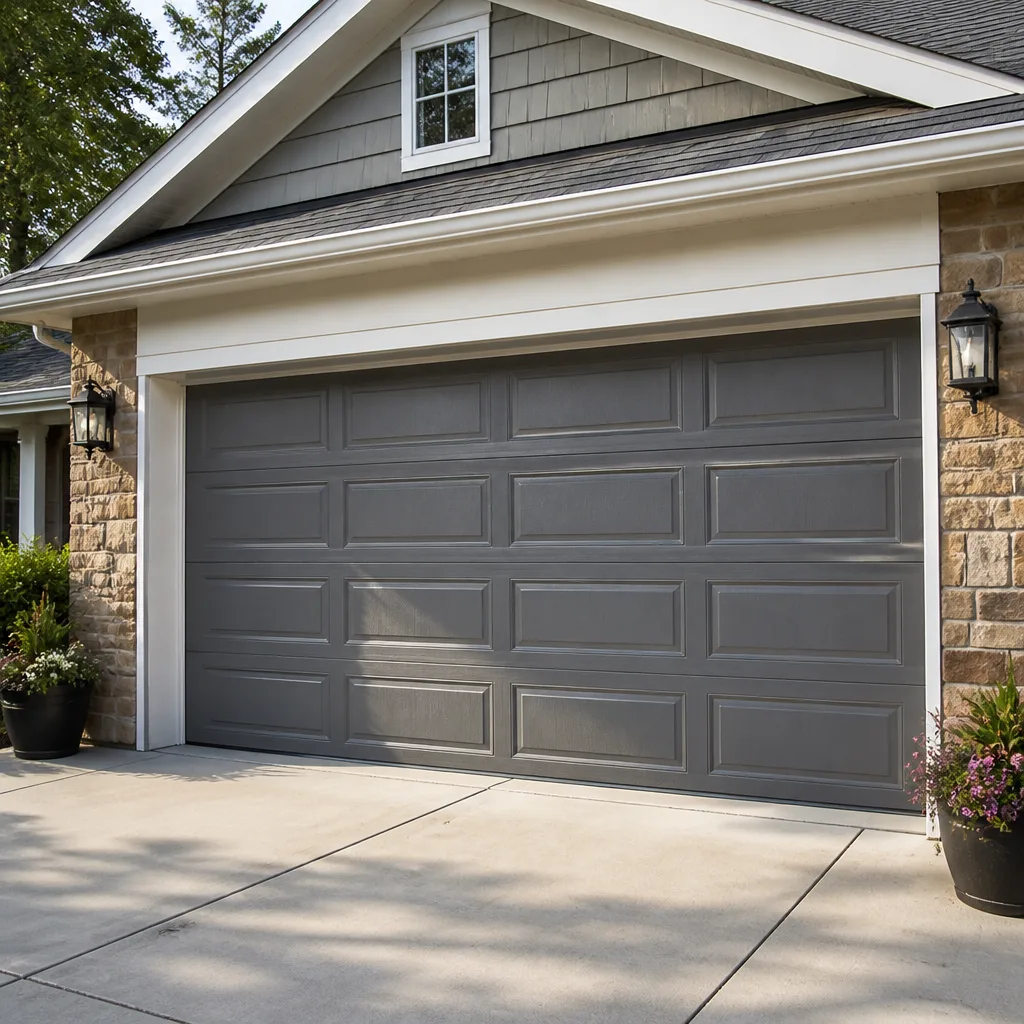 Raised-panel steel
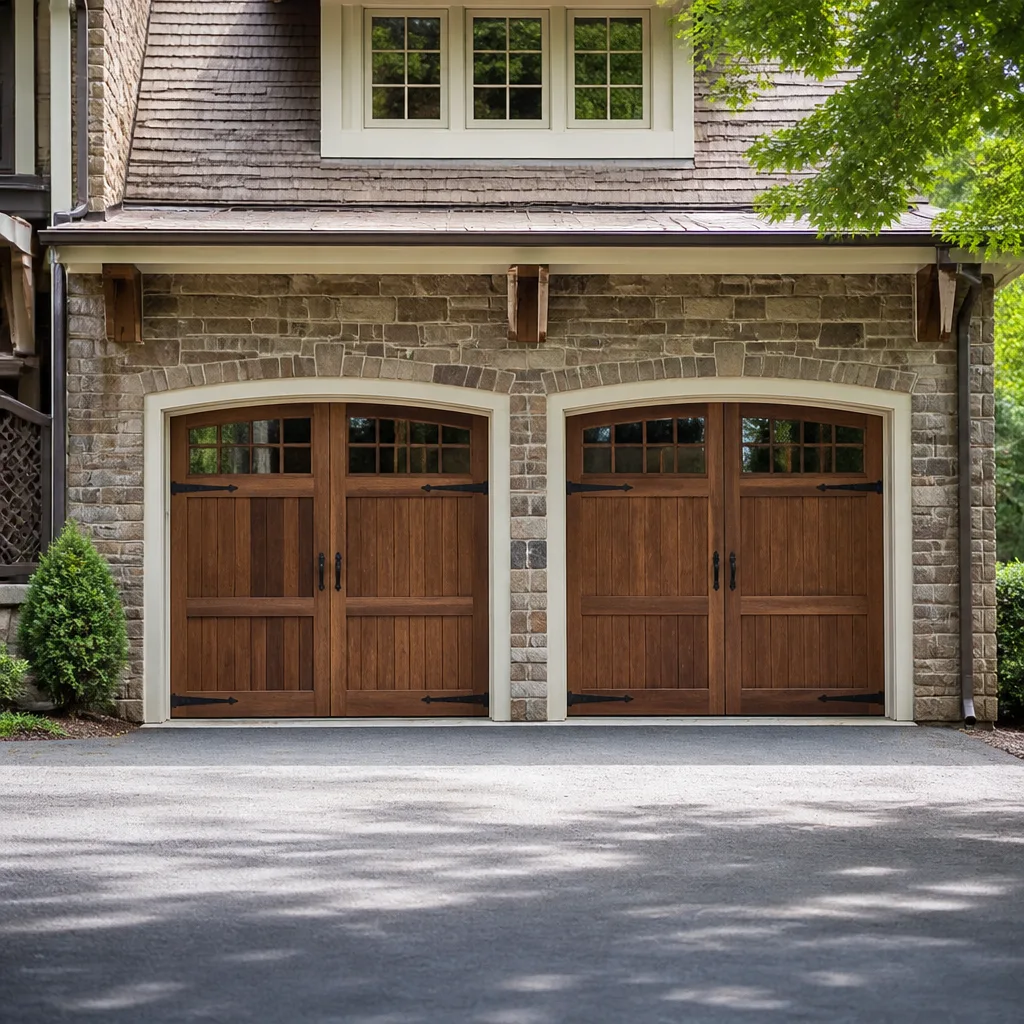 Carriage house
 Modern flush
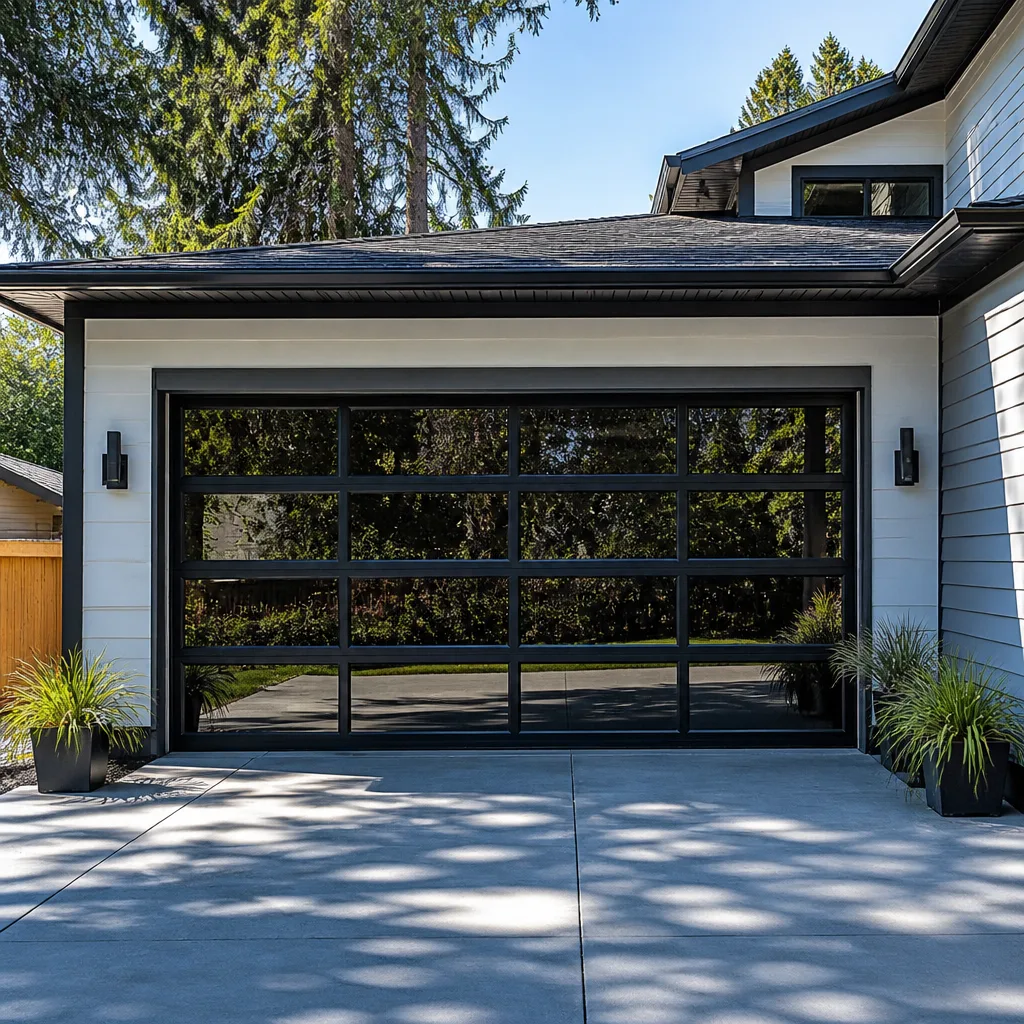 Full-view glass
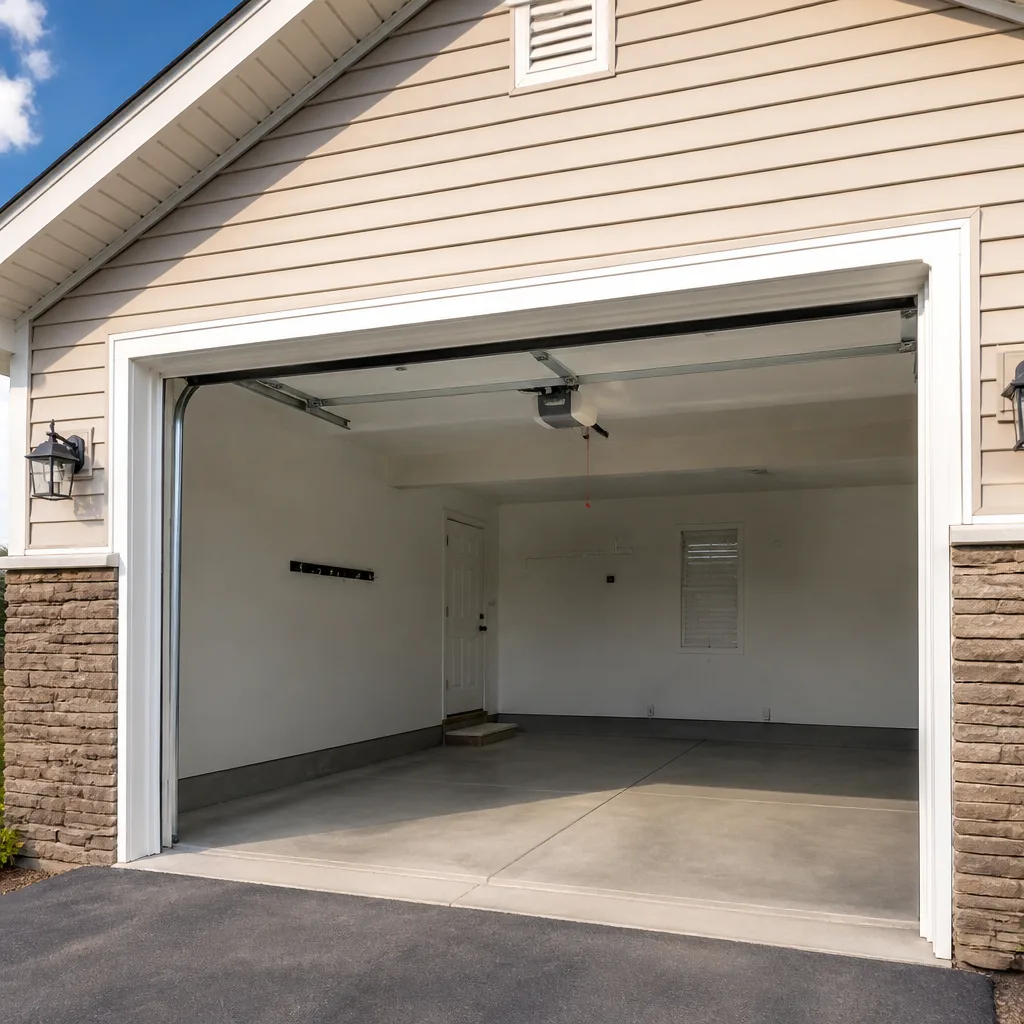 LiftMaster openers
 Chamberlain openers
Full 25-point door and opener safety check with every visit - springs, cables, rollers, tracks, and your LiftMaster or Chamberlain opener included
You get a price before we start. It does not change when the pro arrives.
Get your free estimateDIY vs Professional Garage Door Opener: What’s Safe to Do Yourself
Installing a garage door opener is one of the more approachable home improvement projects, right up until the moment you have to deal with the existing spring system, which operates under enough stored tension to cause serious injury and deserves a different conversation entirely. That single fact reframes the whole DIY question. The debate isn’t really about whether you’re handy enough. It’s about which tasks on the job carry physical risk and which don’t, and that line falls in a more logical spot than most online guides admit. In this guide we draw that line clearly, walk through the real cost and time math for doing it yourself versus hiring it out, and flag the conditions that should tip even a confident homeowner toward calling. If you live in Boulder City, some of those conditions come up more than you’d expect.
Quick Answer
Swapping an opener unit on an existing, properly functioning door is low-risk DIY work that a reasonably handy homeowner can finish in an afternoon. Anything that involves adjusting spring tension or replacing cables is not safe to do yourself, no matter how many tutorials you watch, because those parts store enough force to break bones or worse. When in doubt, the safe move is to have a professional look at it first.
Styles & brands we work with
- Raised-panel steel
- Carriage house
- Modern flush
- Full-view glass
- LiftMaster openers
- Chamberlain openers
Table of Contents
- Where the Real Risk Line Falls
- Tasks Most Homeowners Can Safely Handle
- The Real Cost and Time Math for DIY Installation
- When Even a Standard Opener Swap Tips Toward Professional
- The Warranty Question Nobody Reads Before Opening the Box
- Why Springs and Cables Are a Different Conversation
- Boulder City Conditions That Change the Calculation
- When the Problem Isn’t the Opener at All
Where the Real Risk Line Falls
The garage door opener itself is a low-voltage appliance. It plugs into a standard outlet, runs on a small motor, and works on a logic board not much more complicated than a washing machine’s. Replacing one means unbolting the old unit from the ceiling and rail, mounting the new one, connecting a couple of wires, and pairing the remotes. None of that requires special tools or training.
The spring system is completely different. A torsion spring on a standard seven-foot door holds hundreds of pounds of stored tension. Extension springs carry similar force along the tracks. Cables under that load can whip with enough speed to cut through skin or worse if they slip. This is why the line matters: the opener is an appliance, and the springs are a machine under load.
The practical version of the rule:
- Opener unit swap on a healthy door: DIY is reasonable.
- Any spring adjustment, replacement, or winding: professional only. There is no safe DIY version of this work.
- Any cable replacement or re-tensioning: professional only.
- Track alignment after a major opener swap: usually fine to check, but a bent or misaligned track on a loaded door should be handled by a pro.
What catches people is the halfway case. Someone replaces the opener, the door now moves differently, and they decide the springs need “a small adjustment.” That’s the moment to stop. If the door balances poorly after the new opener goes up, the answer is not to touch the springs. The answer is to have the whole assembly looked at. We see this regularly around Boulder City on doors that were already a little out of balance before the swap. For the honest breakdown of what spring work actually involves, see our Garage Door Repair in Boulder City page.
Tasks Most Homeowners Can Safely Handle
Here’s the encouraging part. A lot of the small failures that prompt a call aren’t opener failures at all. They’re maintenance items, and they’re genuinely safe to handle. If you can change a smoke detector, you can do most of these.
- Photo-eye alignment. The two small sensors at the bottom of the tracks need to see each other. If the door reverses for no reason, one of them is probably bumped or dirty. Wipe the lenses, loosen the bracket, and line them up so both indicator lights are steady.
- Remote reprogramming. A remote that stops working is often just a pairing issue or a dead battery. Hold the learn button on the motor head, press the remote, done. Every brand does this a little differently, but the manual or the inside of the battery cover usually spells it out.
- Force limit adjustment. Most openers have two dials or buttons, one for up force and one for down. If the door reverses halfway up on a cold morning, a small turn on the up-force dial often fixes it. Turn slowly and test after each adjustment.
- Lubrication. A few drops of garage door lubricant on the rollers, hinges, and track is a ten-minute job that quiets a noisy door and slows wear. Avoid grease, which collects grit.
- Safety reversal test. Put a two-by-four flat under the door and close it. It should reverse on contact. If it doesn’t, adjust the down force limit or call for service.
- Battery backup check. Most modern openers have a backup battery that needs a yearly test. Unplug the unit and run the door. If it won’t move, replace the battery.
These tasks handle maybe seventy percent of the “my opener is broken” calls we get. Run through them before assuming you need a new unit. A lot of Boulder City homeowners have found the problem was a bumped sensor or a dead battery all along. Our Garage Door Opener in Boulder City page covers the more involved diagnostics if these basics don’t solve it.
The Real Cost and Time Math for DIY Installation
Here’s where most DIY guides gloss over the truth. The parts cost is real, but it’s not the whole number. The realistic math includes the tools you may not own and the second trip you probably will make. Set expectations against a flat professional rate, and the spread usually isn’t as wide as it looks on paper.
A reasonable breakdown for a mid-range 1/2 HP belt-drive opener (Chamberlain or Genie range), installed by a homeowner:
- Opener unit: $180 to $320
- Rail extension or header bracket if not included: $25 to $60
- New wall button or remote: $20 to $45
- Tools you may need to rent or buy (ladder, drill bits, socket set): $0 to $80
- Extra trip to the hardware store for a missing bracket, bolt, or wire: $15 to $40 (plus two hours of your Saturday)
- Time: 3 to 6 hours for a first-timer, 2 to 3 for someone who’s done one before
Add it up, and you’re looking at roughly $240 to $545 in real cost including travel and time. A professional install for a comparable opener typically runs $350 to $650 depending on the door and the wiring, and includes removal of the old unit and disposal. The gap narrows fast when you factor in Saturday time.
One more thing the math doesn’t show: the possibility that the swap exposes a second problem. Old wiring, a failing outlet, or a rail that doesn’t fit the space. That’s when the “cheap” DIY install turns into a two-weekend project or a call to a pro anyway, with a half-installed opener hanging from the ceiling. Better to know that before you start.
When Even a Standard Opener Swap Tips Toward Professional
Not every “standard” opener swap is actually standard. In our experience, three conditions push an otherwise reasonable DIY job into professional territory, and they come up often in Boulder City’s older neighborhoods where homes have had forty years of small changes.
- Old or questionable wiring. If the outlet for the opener isn’t grounded, or the wiring runs through a junction box that’s been patched more than once, the new unit’s electronics won’t behave properly and can be unsafe. This is a licensed electrician’s job, and we’ll tell you so.
- Non-standard header clearance. Some older garages have low headers or a structural beam close to the door. A standard rail won’t fit without modification, and cutting into a header is not a DIY move.
- Mismatched rail and door height. If the existing door is a non-standard height (some Boulder City homes from the mid-century have doors that aren’t the standard seven feet), the rail that came with your new opener may need an extension or a modified mount.
There’s also the case of a door that’s already showing wear. If the door is unbalanced, the panels are cracking, or the rollers are howling, a new opener will only make the underlying problem worse and won’t last. In that case, the conversation probably isn’t about the opener at all. It’s about the door. See our Garage Door Installation in Boulder City page for when replacement makes more sense than repair.
The Warranty Question Nobody Reads Before Opening the Box
Here’s a fact most DIY guides skip: some manufacturers void parts warranties on self-installed openers. Read that again. The unit you bought at the big-box store may come with a five-year parts warranty that only holds if the unit was installed by a qualified installer.
The details vary by brand. Chamberlain and Genie both publish warranty terms that reference professional installation in specific circumstances. Some models cover parts regardless of installer; others don’t. The fine print is usually in the manual or on the manufacturer’s website, but it’s easy to miss when you’re already excited about the savings.
Before you open the box, do two things:
- Find the warranty language. Look for the words “qualified installer” or “professional installation” in the manual’s warranty section.
- Check what voiding looks like. If the warranty requires professional installation and you install it yourself, you own the parts if the logic board fails in year two.
This isn’t a scare tactic. It’s the honest version of the trade-off. A self-installed unit costs less up front and may cost more down the road. A professionally installed unit costs more up front and comes with the installer’s own work guarantee on top of whatever the manufacturer covers.
Why Springs and Cables Are a Different Conversation
We want to be direct about this, because it’s the single most important point in this guide. Springs and cables are not a DIY project at any skill level. The stored energy in a wound torsion spring on a seven-foot door is roughly equivalent to the weight of the door itself, hundreds of pounds held under tension by a winding cone. A spring that releases suddenly can break fingers, cut hands, or worse. Extension springs fail with similar force along the tracks.
Every year, emergency rooms see homeowners injured by garage door springs. Not a small number. The pattern is consistent: someone watched a video, felt confident, and misjudged the tension. No YouTube tutorial can safely teach this work, because the risks are physical, not informational. The professionals who do it safely use specific winding bars, proper technique, and a healthy respect for the danger.
What you can safely do is identify the warning signs:
- A visible gap in the spring (a broken torsion spring)
- The door feels extremely heavy to lift, or won’t stay up
- A loud bang from the garage, followed by the door not opening
- A door that closes too fast or opens too slowly on the opener
- Visible fraying or kinks in the cables
Any of those mean: stop using the opener, and call for service. Don’t try the “safety” version of spring work. There isn’t one. Our team has seen what a broken spring looks like on a Boulder City door, and it’s a call we’re glad to take rather than a job we’re glad a homeowner attempted.
Boulder City Conditions That Change the Calculation
Garage doors here take a specific kind of wear. The desert climate in Boulder City is hard on the rubber seals, the paint, and the opener’s electronics, and the heat in summer pushes any marginal component toward failure. A door that works fine in a milder climate may need more attention here.
Three local things to know:
- Heat and electronics. A garage that hits 120 degrees in July is hard on opener logic boards and remote batteries. If your opener is more than ten years old, plan on replacing it before summer rather than during it.
- Dust and grit. Desert dust works into the rollers and tracks faster here than in wetter climates. Lubrication should be a twice-a-year task, not once.
- Older homes with older wiring. Many Boulder City garages predate modern electrical codes, and a new opener with sophisticated electronics may not behave on a circuit that older models tolerated. This is worth a quick look before you buy.
If you’re unsure whether your garage is a good candidate for a DIY swap, ask. We’re local, and we’ll tell you honestly. Reach out through the Mainspring Garage Door Co. Boulder City home page, or just call.
When the Problem Isn’t the Opener at All
Plenty of “broken opener” calls turn out to be something else. Before you replace the unit, rule out the cheaper explanations. A door that won’t close may have a misaligned track. A door that reverses may have a sensor issue. A door that groans may need lubrication, not replacement.
Our Garage Door Opener in Boulder City page walks through the diagnostic order we use. If the opener is genuinely failing, it’s usually a motor or logic board, and replacement is the right call. If it’s a sensor or a safety reverse issue, it’s often a fifteen-minute fix.
Common Mistakes to Avoid
- Adjusting springs after a DIY opener swap. If the door balanced before and doesn’t after, the opener install is probably at fault, not the springs. Touching the springs to “fix” it puts you in the danger zone. Call instead.
- Skipping the safety reversal test. After any opener install or adjustment, put a two-by-four under the door and confirm it reverses on contact. Skipping this is how a door becomes a hazard to kids and pets.
- Buying an opener without checking rail height. Measure your door height and the space between the door and the ceiling before you buy. A rail that doesn’t fit means a second trip to the store, or a return.
- Ignoring the warranty language. Read the manual’s warranty section before you open the box. Self-installation voids some brands’ parts warranties, and that’s worth knowing in advance.
- Running a new opener on a door that’s already struggling. A new motor on a worn door will fail faster. If the door is unbalanced or the rollers are shot, address the door first.
- Skipping the outlet check. An ungrounded or overloaded garage outlet will cause odd behavior in a modern opener. Test it before you mount the unit.
- Tackling spring or cable work after watching videos. The most common, and most dangerous, mistake on this list. Spring work is a professional job. Full stop.
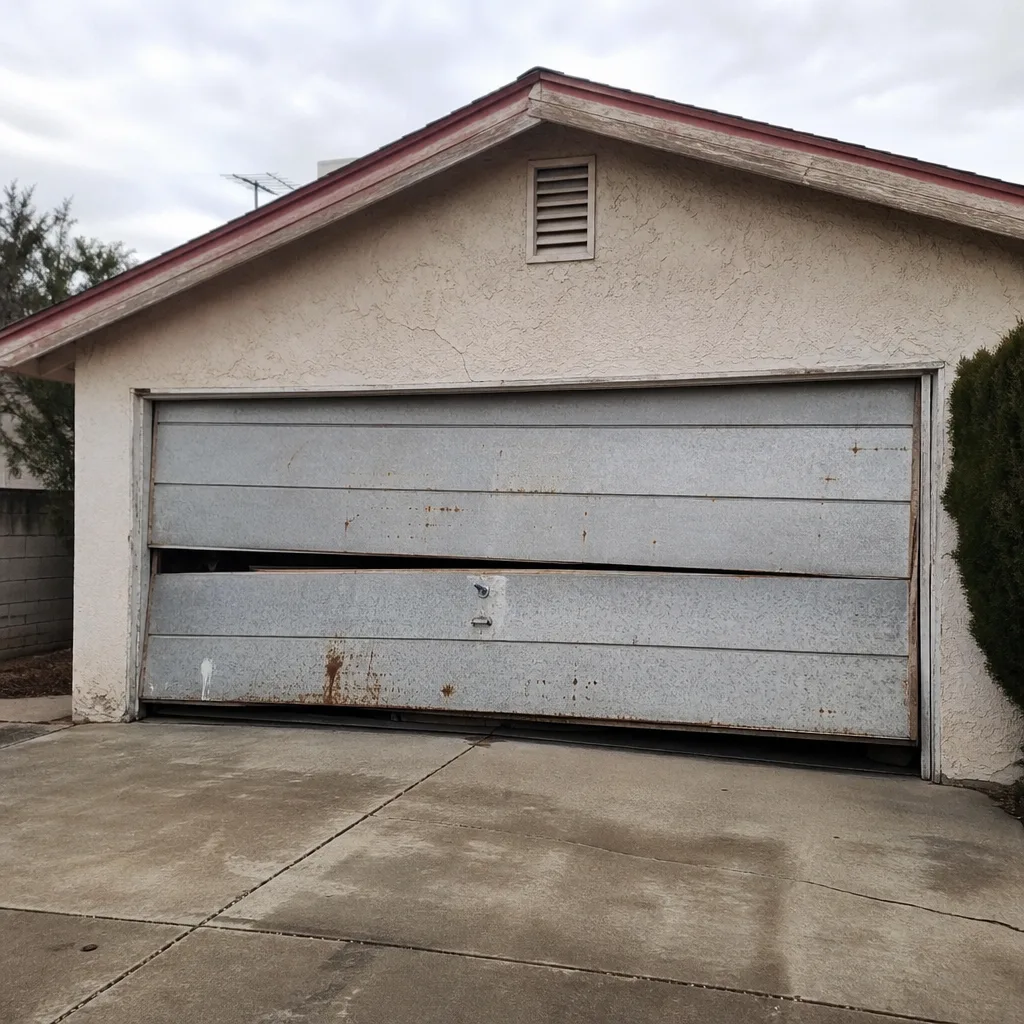
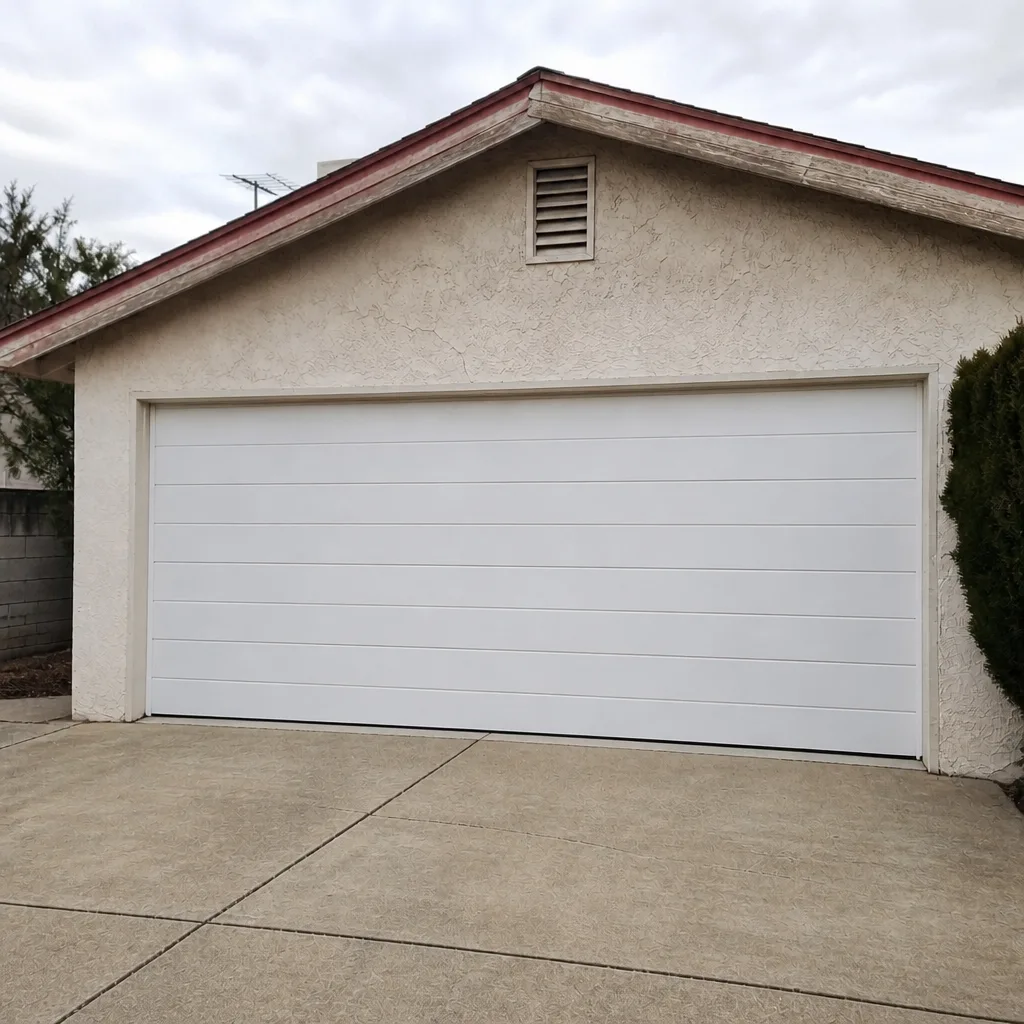
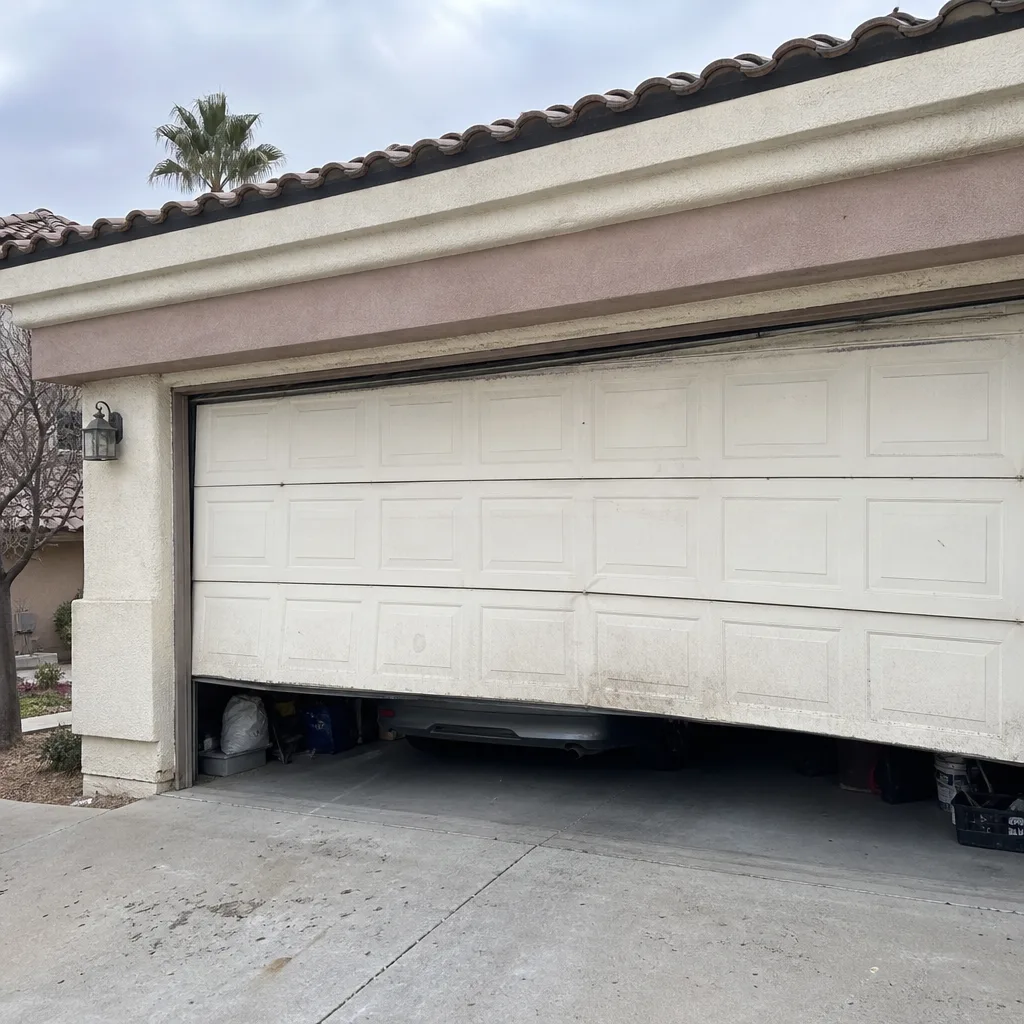
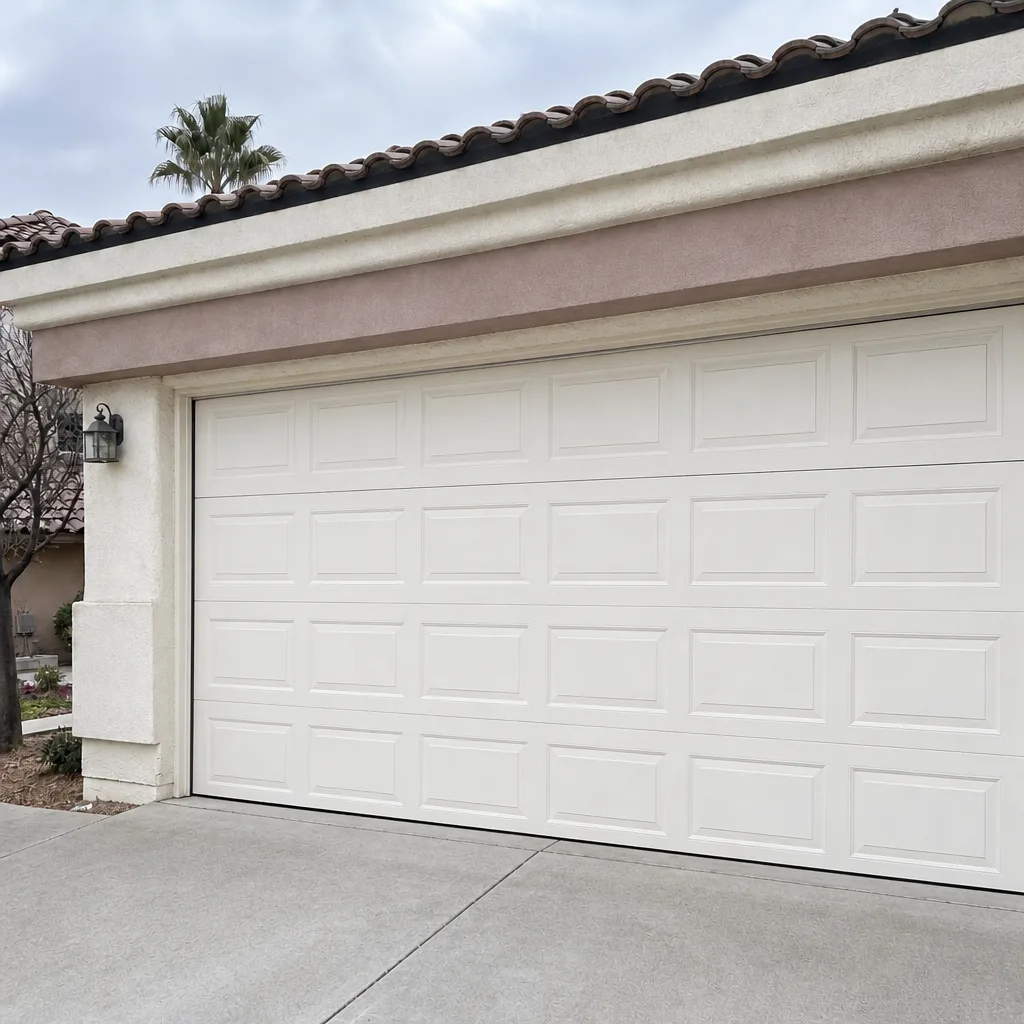
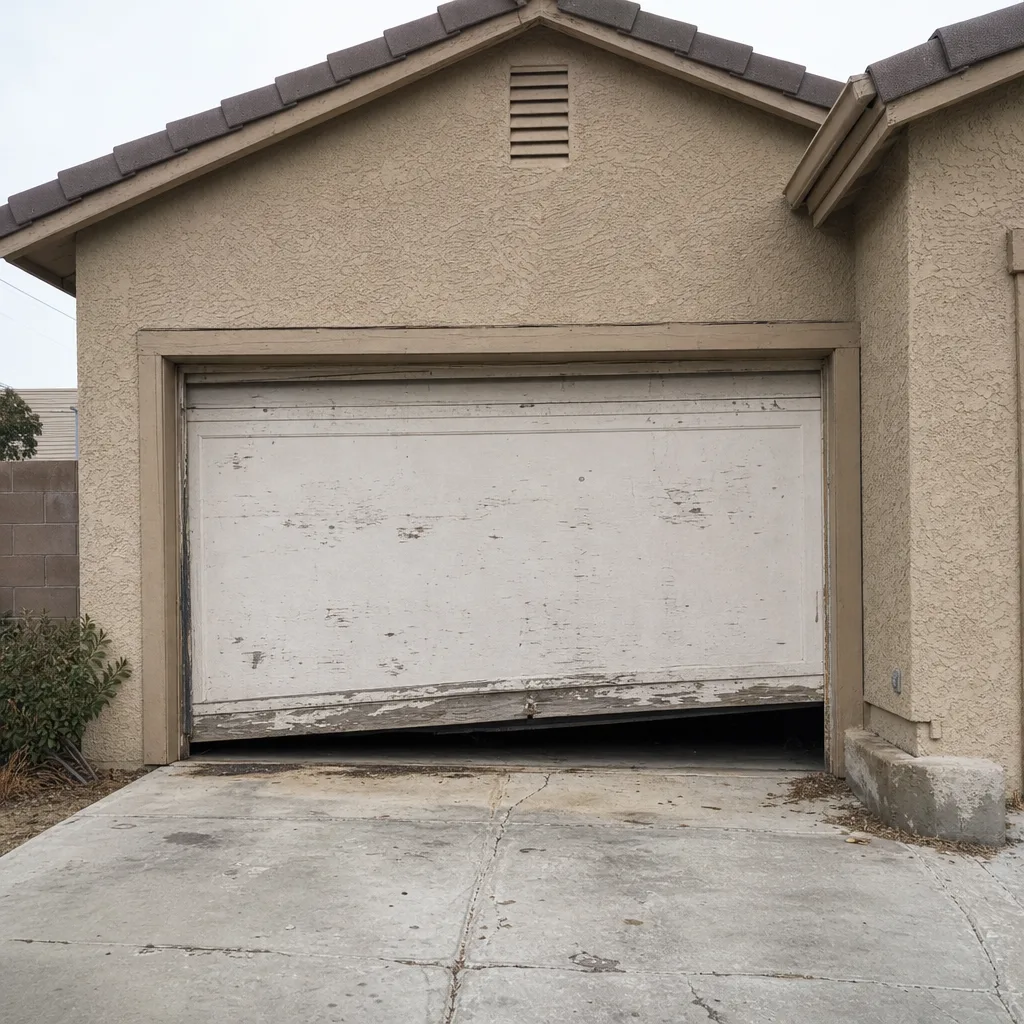
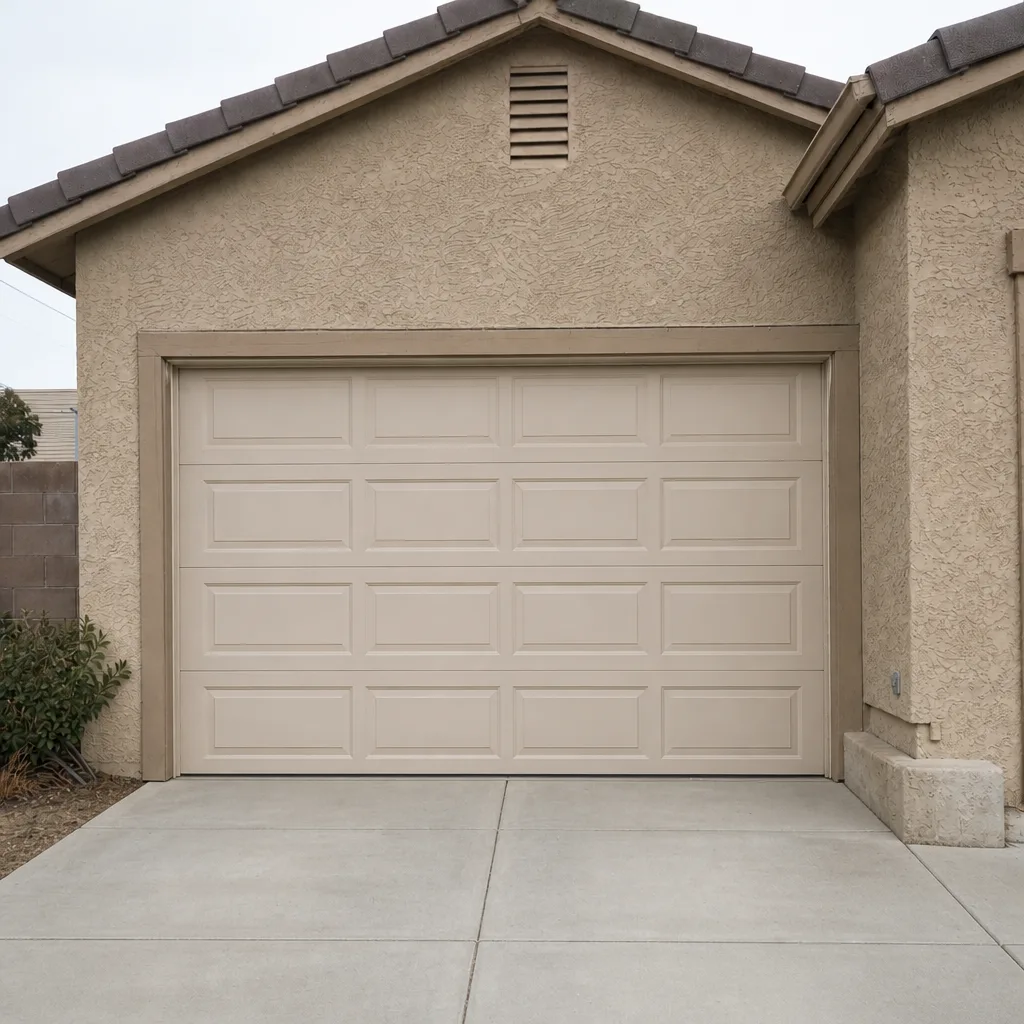
See the difference
 Before
 After
 Before
 After
 Before
 After
When to Call a Professional
Call a professional if the door is unbalanced, any spring or cable needs attention, the wiring in the garage is old or questionable, or the header clearance is non-standard. Also call if the opener swap is going to be your first one and you’d rather not spend a Saturday on the learning curve. There’s no shame in that; a lot of people make the same call. Mainspring Garage Door Co. Boulder City offers free estimates in Boulder City. Reach us at (833) 605-8582 and we’ll give you a straight answer on whether your job is a DIY one or a call-us one. Our technicians have up to 10 years of experience and we’re factory-familiar with LiftMaster, Chamberlain, Genie, Clopay, Amarr, Wayne Dalton, Craftsman, and Raynor. Every job we do comes with the 90-Day Done Right Promise in writing.
Frequently Asked Questions
Yes, if the door is already in good working order and balanced. The opener is a low-voltage appliance and swapping it is within reach for a reasonably handy homeowner. The task becomes unsafe the moment spring or cable work enters the picture, which it shouldn’t during a straight unit swap.
No. Spring adjustment is not a safe DIY task at any skill level. Torsion and extension springs store enough energy to cause serious injury, and there is no safe shortcut. If the springs need any work, call a professional.
It depends on the brand and model. Some manufacturers require professional installation to keep the parts warranty valid. Check the manual’s warranty section before you open the box. If it references a “qualified installer,” assume self-installation may affect coverage.
Plan on three to six hours for a first-time install, including a probable second trip to the hardware store. An experienced homeowner can cut that to two or three hours. The heat in Boulder City makes summer installs slower, so start early in the morning if you’re doing it in June, July, or August.
DIY runs roughly $240 to $545 once you include tools, travel, and time. A professional install for a comparable opener typically runs $350 to $650 with old unit removal and disposal. The spread narrows considerably when you account for the value of a Saturday.
Don’t touch the springs. A door that suddenly doesn’t balance after an opener swap usually has a mechanical issue with the door or the opener, not a spring problem. Stop using it, and call for a look. Our team handles these calls in Boulder City regularly and can usually sort out what’s happening in a single visit.
The Bottom Line
The DIY versus professional question comes down to which tasks are genuinely safe and which aren’t. Opener swaps, photo-eye alignment, remote programming, force limits, and lubrication are safe for most homeowners. Springs, cables, and anything involving stored tension are not, at any skill level. Price out the full DIY math honestly, read the warranty language before you open the box, and know your door’s condition before you start. When the job crosses the line, or when you’re just not sure, a professional visit costs less than you might think and comes with a written guarantee. That’s a square deal, and it’s the one we offer. Call Mainspring Garage Door Co. Boulder City at (833) 605-8582 for a free estimate on any opener or door project in Boulder City.
Written by the team at Mainspring Garage Door Co. Boulder City.