
Last updated November 18, 2026
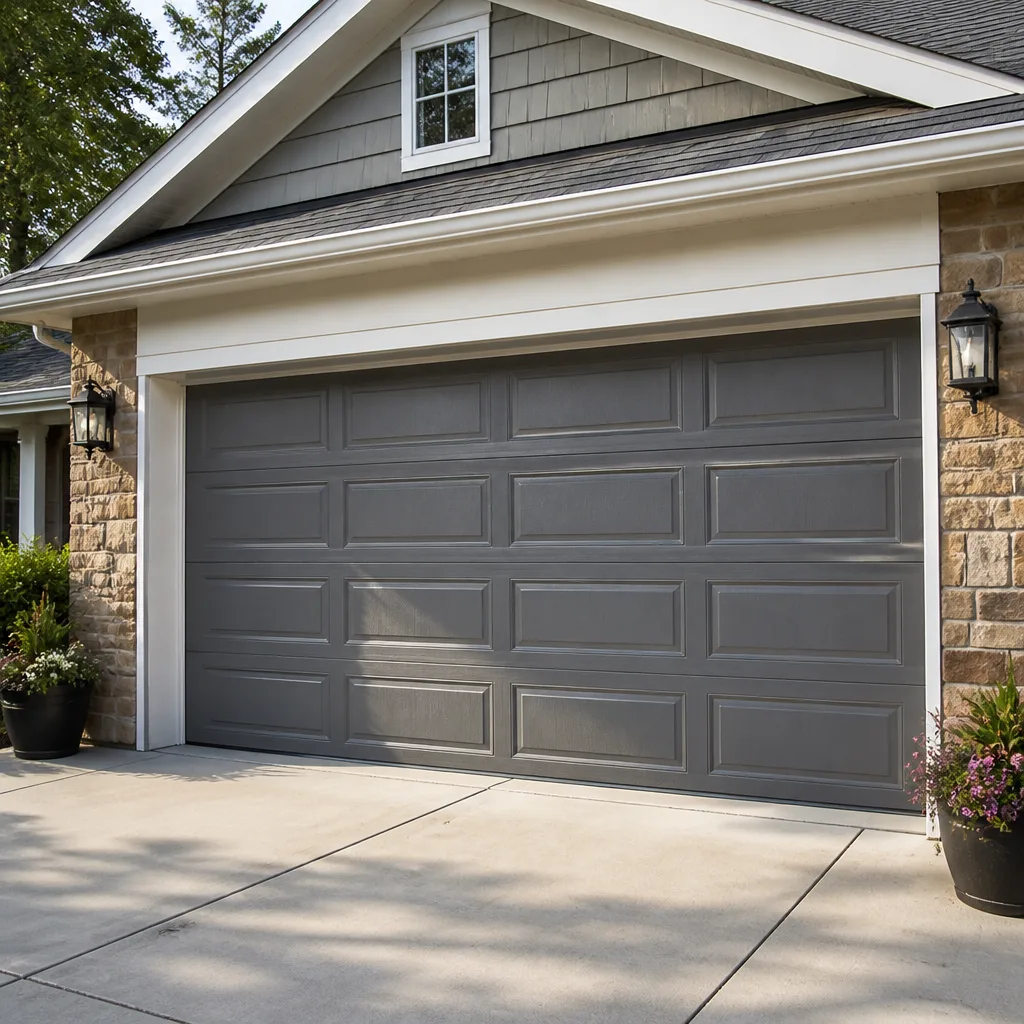 Raised-panel steel
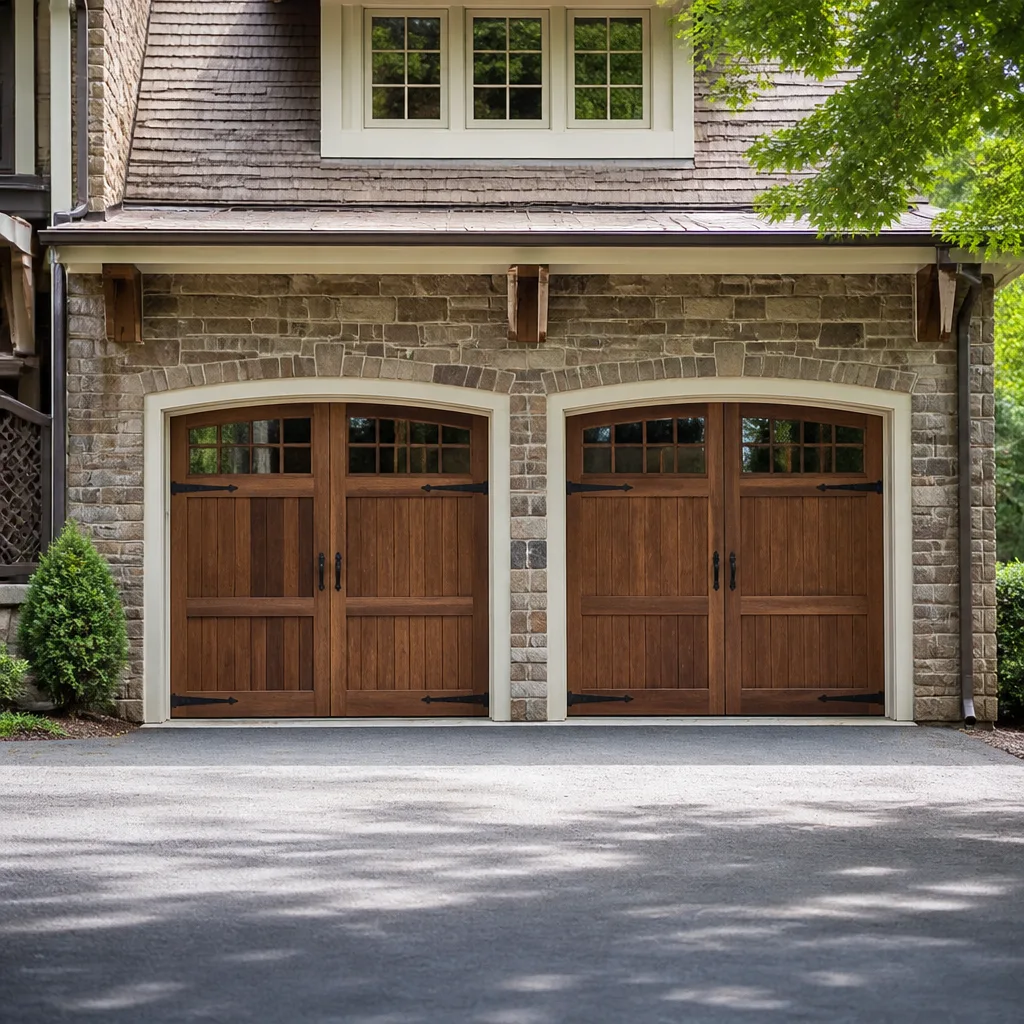 Carriage house
 Modern flush
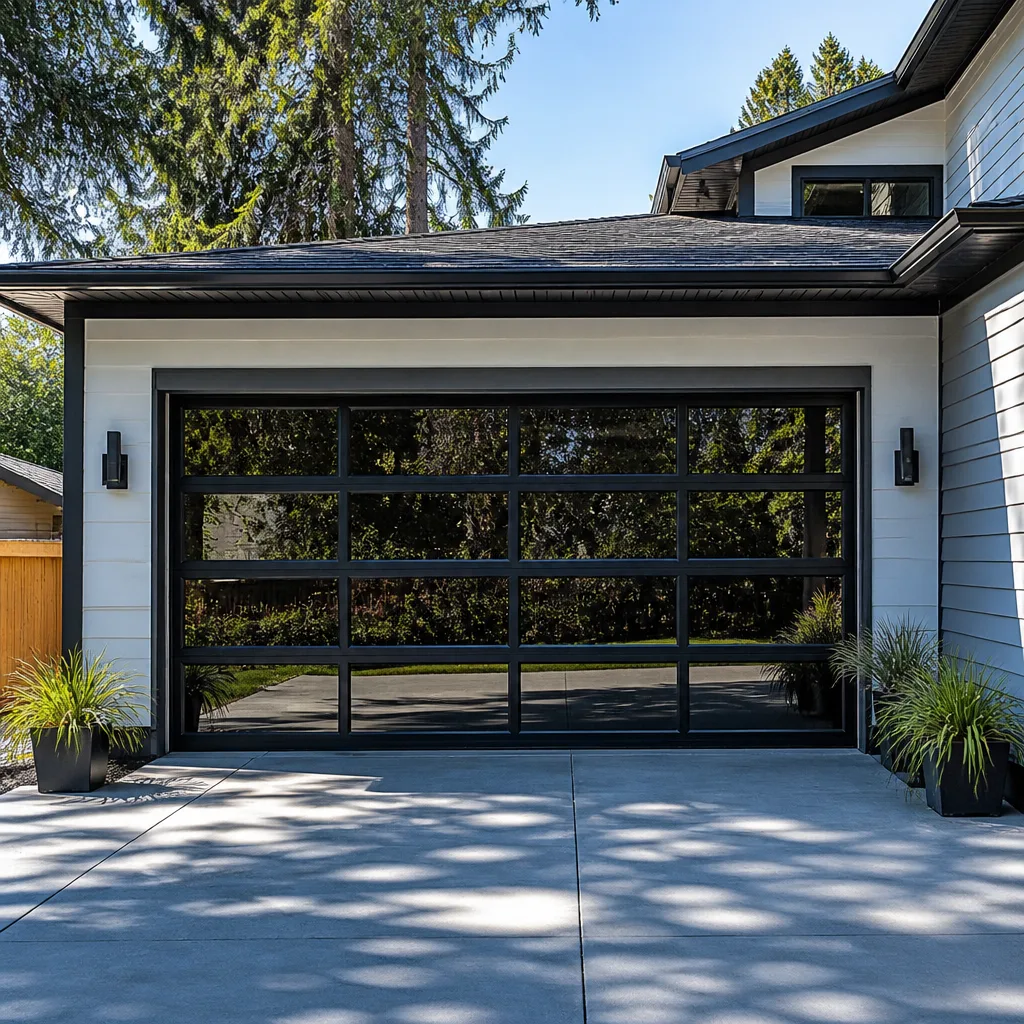 Full-view glass
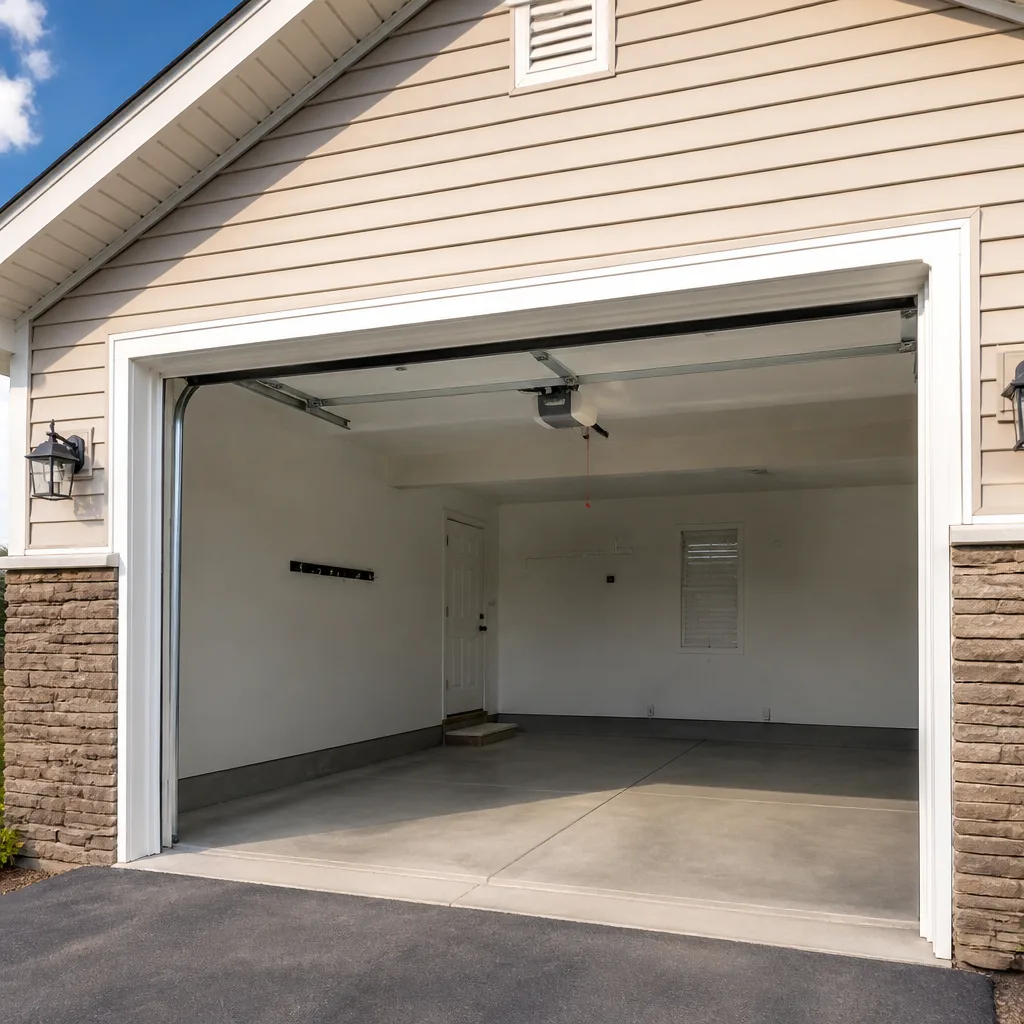 LiftMaster openers
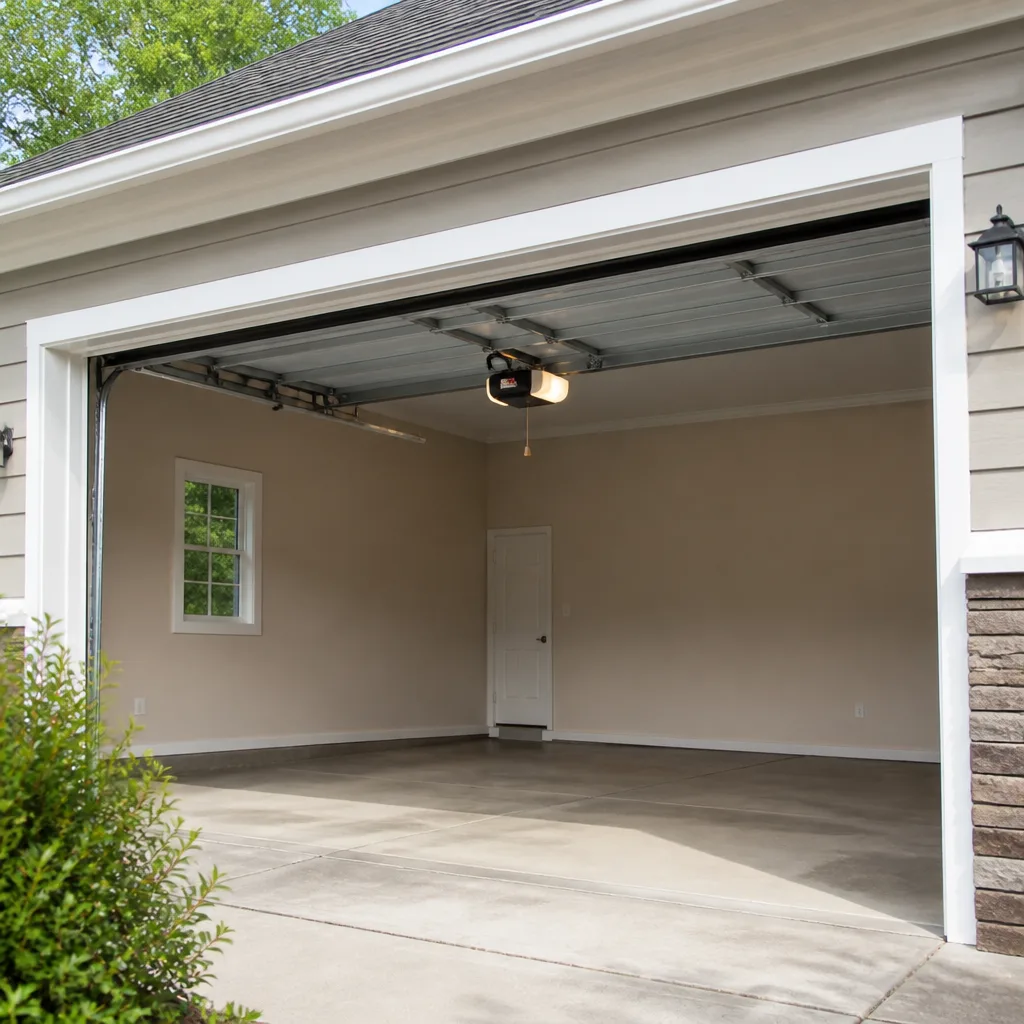 Chamberlain openers
Full 25-point door and opener safety check with every visit - springs, cables, rollers, tracks, and your LiftMaster or Chamberlain opener included
You get a price before we start. It does not change when the pro arrives.
Get your free estimateDIY vs Professional Garage Door Parts: What’s Safe to Do Yourself
A torsion spring stores roughly 100 foot-pounds of torque. It does not care that the door is closed, the power is off, or that you watched a tutorial twice. That stored energy is the real dividing line in this debate, not skill. Plenty of capable homeowners can swap a weather seal or an opener remote without trouble. The same hands should never touch a wound spring or a loaded cable. In this guide, we’ll draw that line clearly for Boulder City homeowners, explain which parts are genuinely safe to handle, why the cheap parts at the big-box store wear out faster, and the one test to run before you call anyone.
Quick Answer
The parts that hold stored energy – torsion springs, extension springs, torsion cables, and bottom brackets – are never safe to replace yourself, regardless of your skill level. Genuinely safe DIY jobs include weatherstripping, photo-eye sensors, remote programming, and rollers on extension-spring doors. Everything else is worth a professional visit.
Styles & brands we work with
- Raised-panel steel
- Carriage house
- Modern flush
- Full-view glass
- LiftMaster openers
- Chamberlain openers
Table of Contents
- What Are Stored Energy Components (and Why They’re Off-Limits)
- Parts That Are Genuinely Safe to Do Yourself
- Why the Cheapest Parts at the Big-Box Store Wear Out Faster
- The One Diagnostic Step to Do Before You Call
- What a Flat-Rate Quote Actually Covers
- Boulder City Conditions and Garage Door Parts
- Common Mistakes to Avoid
- Frequently Asked Questions
What Are Stored Energy Components (and Why They’re Off-Limits)
Stored energy parts are the components that keep a garage door’s weight under tension at all times, even when the door is closed, unmoving, and unplugged. Springs, cables, and bottom brackets all fit here. A bottom bracket does the quiet work of anchoring a door’s lifting cable. When a cable snaps and the door is lifted, or when a technician releases tension the wrong way, that bracket can let go under load. We’ve seen the results, and they are not a scraped knuckle.
The confusion comes from watching videos. On screen, a spring change looks like turning two winding cones and sliding a bar through. What the camera doesn’t show is that the average double door in Boulder City runs two torsion springs, each holding real torque, and one wrong turn sends the winding bar across the room. A wound spring is not like a bolt. There’s no gradual warning before energy releases.
Three rules hold without exception:
- Never unwind, wind, or remove a torsion spring. The door’s entire weight rides on it. Only a professional with winding bars, proper tension gauges, and the right size spring in the truck should touch it.
- Never pull or loosen a torsion cable. A stretched or snapped cable means the door can drop without warning. Cables are replaced with the door supported and loads released in sequence, not by hand.
- Never loosen or remove a bottom bracket. This is the single most dangerous part on a garage door. It sits under constant cable tension. Even one loose bolt can turn a routine repair into an emergency room trip.
Extension springs, common on older single-car doors in Boulder City, carry the same rule. They store energy too, and when one lets go, it travels. Don’t reach for it.
Parts That Are Genuinely Safe to Do Yourself
Plenty of garage door work is safe, and we’d rather you save the money on a 15-minute weather-strip swap than pay us a service call. The key is knowing what’s on your door and keeping your hands clear of anything under tension. Here’s what’s fair game:
- Weatherstripping. The rubber seal along the bottom of the door and the foam or vinyl gasket on the sides. Expect to replace it every few years in Boulder City, where summer heat and dry air dry out rubber quickly. Pull the old strip out of its track, slide a new one in, done.
- Photo-eye sensors. The two small sensors at the base of the door track. If your door won’t close and the sensors look misaligned, clean the lenses or nudge them back into place. If that doesn’t fix it, a sensor replacement is still safe – it’s low-voltage wiring and a few screws.
- Remote programming. New remote, changed code, or moving a keypad. Follow the opener’s programming sequence. For a LiftMaster or Chamberlain opener, this is usually a “learn” button on the motor head and a few button presses. If you own a Craftsman or Genie opener, the steps differ slightly, but none of it involves the door’s spring or cable.
- Rollers – extension spring systems only. If your door has extension springs running along the horizontal track, replacing a worn nylon roller is a safe job. Pop the roller from its hinge, slide in the new one, check the track is straight. On a torsion spring system, most of the door remains under tension and rollers become a professional job.
- Track cleaning and light lubrication. Wiping the tracks with a rag and a light coat of white lithium grease on the hinges and roller stems keeps things quiet. Never grease the tracks themselves – they need to stay clean so rollers roll freely.
One more thing worth doing yourself: take a good photo of the repair before you call. The make and model number printed on the opener or on a spring tag saves time and helps the technician bring the right part.
Why the Cheapest Parts at the Big-Box Store Wear Out Faster
That spring on the shelf at the hardware store is not the same spring a technician brings to your door. Big-box stock is graded lighter – thinner wire gauge, fewer cycles, and price-point manufacturing. A spring rated for 10,000 cycles in the store might be rated for 10,000 cycles. A trade-grade spring for a comparable price runs closer to 15,000 or 20,000 cycles. In simpler terms: the cheap one may last three to five years. The proper one often lasts ten.
We’ve seen this in Boulder City often enough to know the pattern. A homeowner replaces a spring with a hardware store part. Two summers later, the door is out of balance, the opener strains, and the spring needs replacing again. The labor was still a professional’s job, so the savings vanish. And the part wasn’t the only problem – a light spring carries less tension, which changes how the opener strains to lift the door and can wear the opener gear prematurely.
The same applies to cables and rollers. Trade stock cables are graded for the door’s actual weight, not a generic one-size-fits-all figure. Nylon rollers from a specialty supplier last longer than the cheap plastic ones. Trade stock is also labeled with the door’s weight and spring cycles, so the technician knows what they’re installing and you know what you bought.
If you’re buying parts for a DIY-safe job, it’s worth checking the door’s brand first. A Clopay or Amarr door may call for a specific seal design. A Wayne Dalton door might have proprietary roller hardware. Getting the right part for your door is half the battle, and our garage door repair in Boulder City team can confirm the part number before you buy anything.
The One Diagnostic Step to Do Before You Call
Before you call anyone, run the manual disconnect test. It takes two minutes and tells you whether the problem is the door or the opener. Most homeowners skip it, then wonder why the technician was on the phone for ten minutes to figure out the same thing.
- Find the release handle. It’s usually the red cord hanging from the opener trolley, but sometimes it’s a short lever on top of the carriage. Pull it down and back until you hear it click. That disconnects the door from the opener.
- Lift the door by hand. Raise it slowly about halfway and let go. A properly balanced door should stay in place or drift slightly. If it drops fast, the springs are weak or unbalanced. If it’s very hard to lift, the springs are oversized or the track is binding.
- Lower it slowly. It should come down without slamming. A door that drops is a safety problem and needs professional attention.
- Reconnect it. Pull the handle again or run the opener to bring the trolley back and re-engage the door. Don’t forget this step – an opener that runs with the door disconnected will keep running without lifting anything.
If the door moves freely by hand but the opener doesn’t move it, you’re looking at an opener problem. If the door is stiff, it’s a spring, track, or roller issue. Either way, you now know what to tell us when you call, and that shortens the conversation – and sometimes the job. If the door is genuinely broken and not moving, it’s time to look at garage door repair sooner rather than later.
What a Flat-Rate Quote Actually Covers
A flat-rate garage door quote is a fixed price for a specific repair, stated before any work begins. It’s not an estimate, not an hourly rate, and not a “starting at” number. The total on the quote is the total on the bill. That’s the promise we make. When the technician quotes a spring replacement at a set price, that number covers the part, the labor, the balance check, and the trip, even if the job takes longer than expected.
Here’s what a fair quote generally includes:
- The part itself. Which spring, which cable, which opener component – not “a spring, whatever we find on the truck.”
- Labor and the balance check. Swapping the spring is most of the work, but a good technician also checks door balance and tension before leaving.
- Any required safety adjustments. A new spring can change the door’s balance, so the technician may need to adjust the opener’s force or travel limits to keep the door operating safely.
- The old part disposal. Removal and haul-away of the old spring or cable is usually included. Ask if it isn’t mentioned.
- A written guarantee. Our work is backed by the 90-Day Done Right Promise. If the repair isn’t right, we come back at no charge.
What a flat-rate quote should not do: change after the technician arrives for reasons unrelated to the job. If the door was misdiagnosed over the phone and the actual problem is bigger, the price changes before work starts, never after. Ask for that in writing when you book. It’s the difference between a quote and a bill that arrives bigger than the number you agreed to. Get a free second opinion on any written estimate – it’s a standing offer, and we’d rather you be sure before you spend the money.
Boulder City Conditions and Garage Door Parts
Boulder City is hard on garage door parts, and locals know it. Summer temperatures regularly climb past 105°F. The dry desert air, combined with the sun beating on a west-facing door for hours, dries out rubber seals, breaks down lubricant, and stresses metal parts. Doors on the east side near the historic district, where many homes sit against the shade of mature trees, often have different wear patterns than newer builds climbing toward the foothills on the west side.
What that means for parts:
- Weather sealing goes first. Bottom seals can last a couple of years here, not the five or more they might in a milder climate. A dried and cracked seal lets in grit and allows wind-blown dust to reach the door hardware. It’s one of the cheapest parts to replace and worth inspecting every spring.
- Lubrication cycles faster. Hinges and roller stems dry out faster in low humidity, so we recommend a light re-lubrication in spring and fall. That’s a DIY-safe job with a good white lithium spray.
- Sun exposure shortens spring life. Heat and expansion don’t just affect the door’s skin – the entire hardware assembly expands and contracts more than many parts are designed for. Trade-grade springs hold up better under these conditions than hardware store stock.
- Dust and Monsoon grit. The winds that come through in summer carry fine grit that works into tracks and rollers. Track cleaning once a season is a five-minute job that extends roller life.
We’ve serviced doors throughout Boulder City long enough to know the local rhythm. If you’re not sure whether a part is worth replacing yet, our garage door installation in Boulder City team can look at the door and tell you straight.
Common Mistakes to Avoid
- Watching a video and thinking it’s simple. The part people watch get replaced is the torsion spring. They see a two-minute clip, but the video was edited for time. The actual procedure involves locking pliers, winding bars, and a knowledge of how the spring’s tension is measured in quarter turns.
- Using hardware-store springs rated for the wrong cycles. A light spring on a heavy door fails early and strains the opener. Match the spring to the door’s weight and cycles, not the lowest price tag.
- Leaving the door disconnected after a DIY test. When you pull the release handle and reconnect, it can feel like it re-engaged when it hasn’t. The opener will keep running without lifting the door and will wear the gear.
- Ignoring a misaligned track. The track looks like a metal rail that couldn’t bend, but a door that hits the bottom hard can shift the track out of plumb. It’s a professional adjustment, though sometimes a light tap back into place with a rubber mallet is enough. If the track is bent, don’t force it – call us.
- Replacing just one spring on a two-spring door. Springs on a double door wear together. Replacing one leaves the other older and unbalanced, so the door may twist. A pro replaces both at once.
- Misjudging the bottom bracket. This is the one mistake on this list that can send you to the hospital. A bottom bracket is under constant cable tension even when the door is closed. Don’t try to loosen or tighten it.
- Using a lubricant that collects dust. Regular motor oil or silicone spray can attract grit. White lithium grease is the trade standard for a reason.
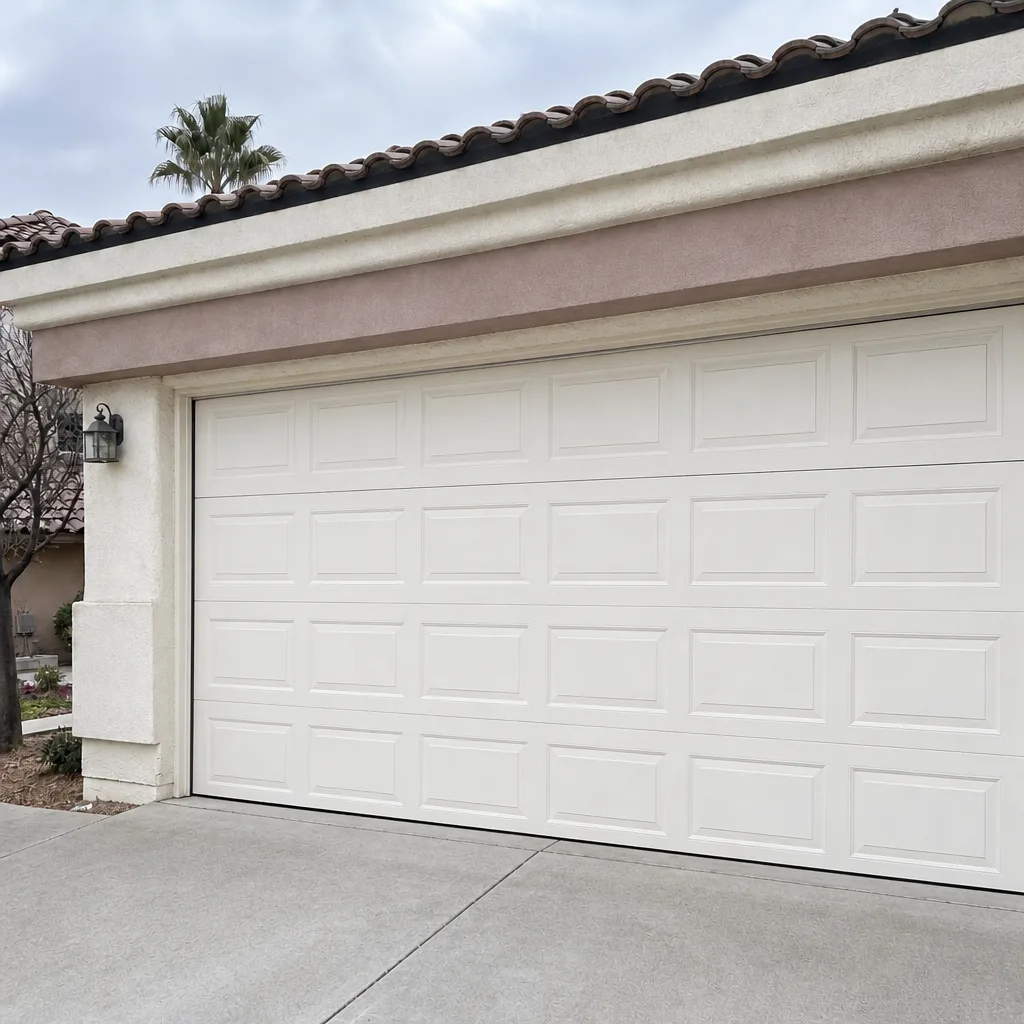
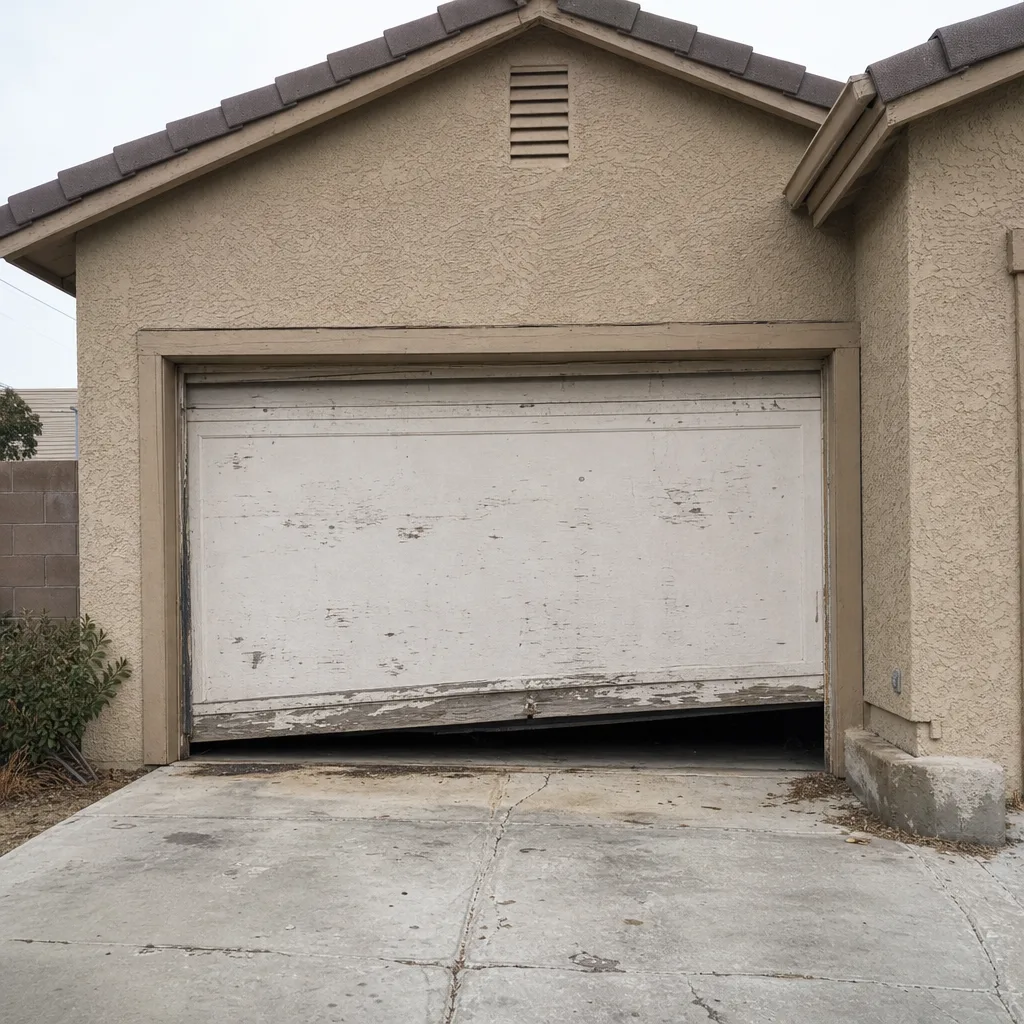
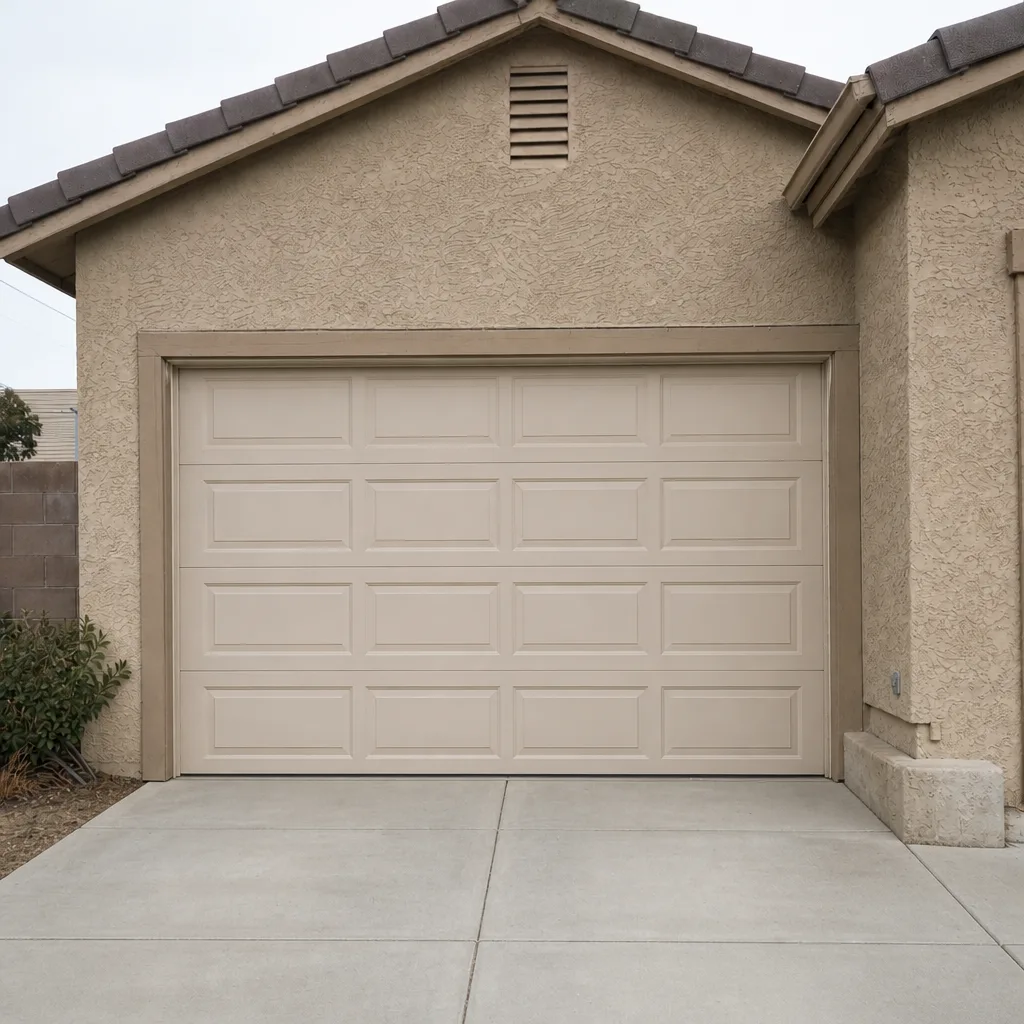
See the difference
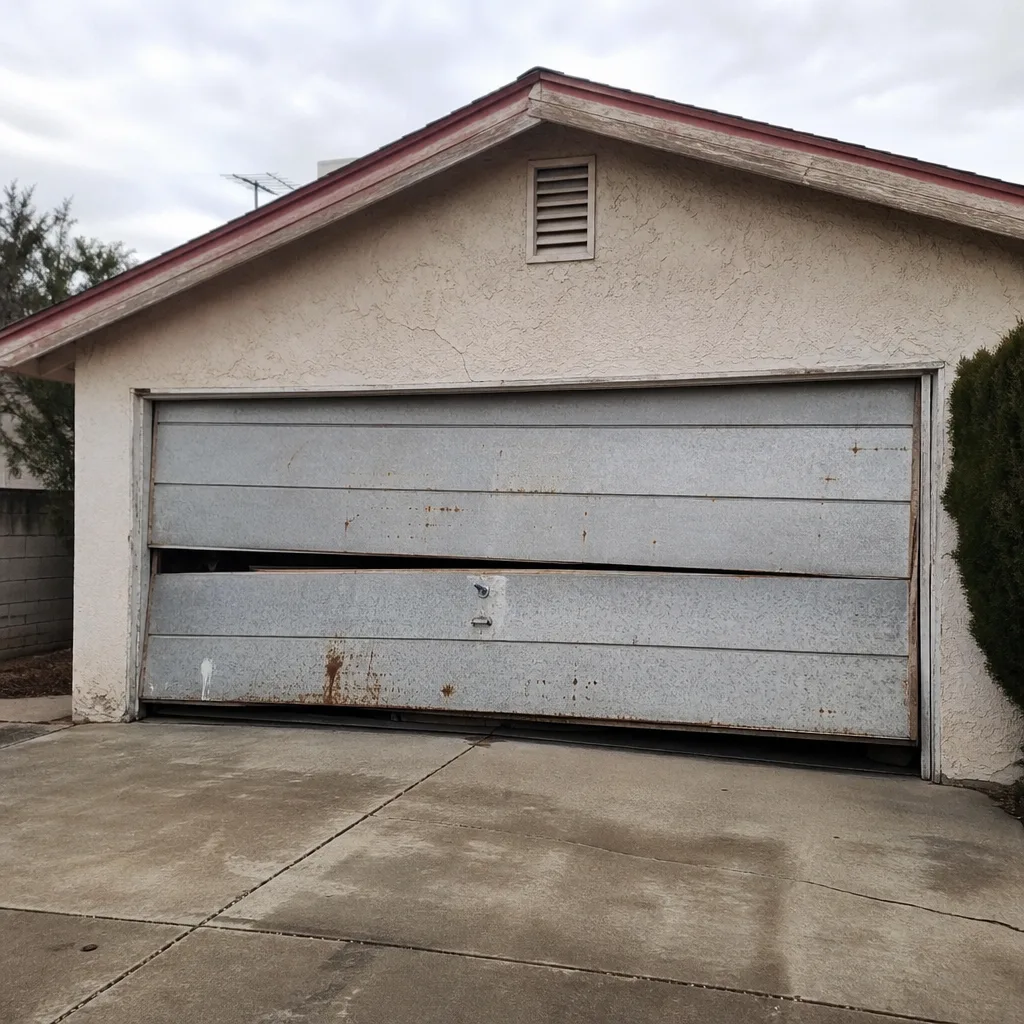 Before
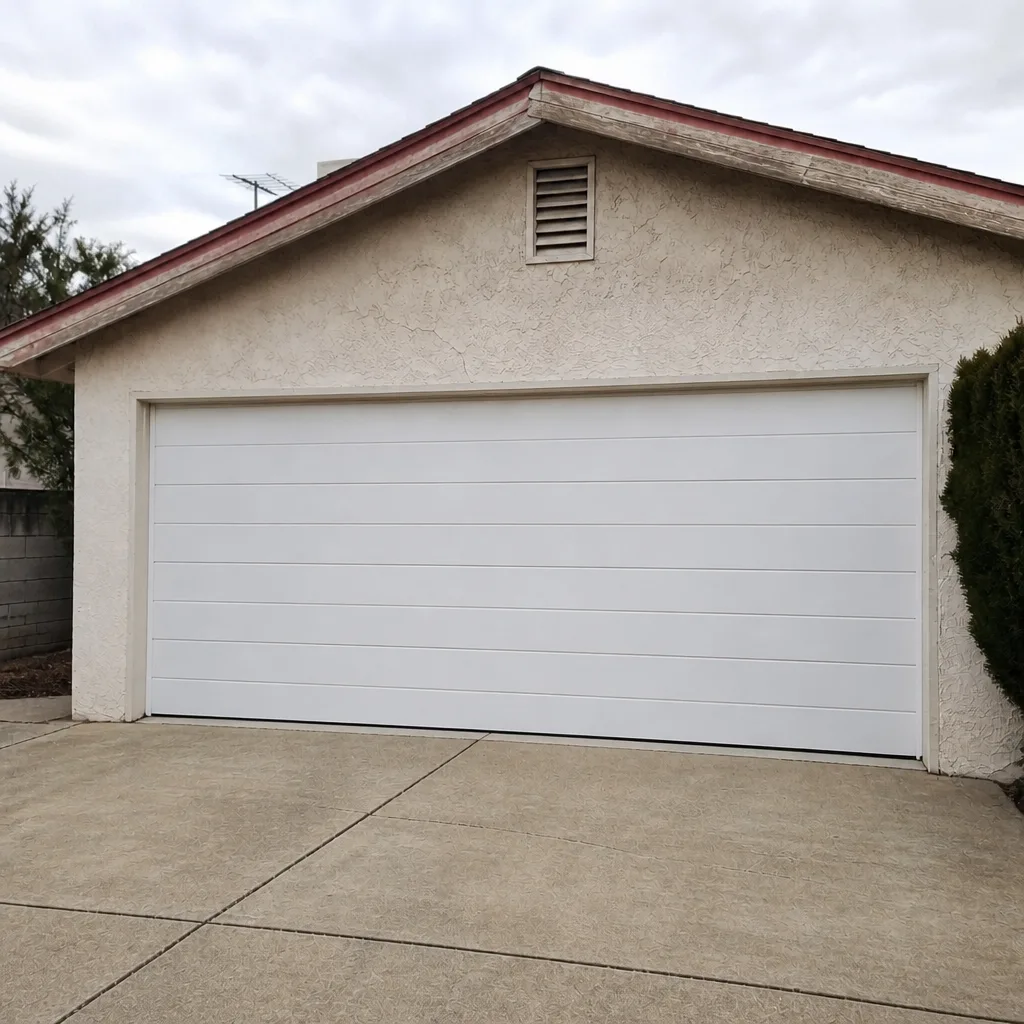 After
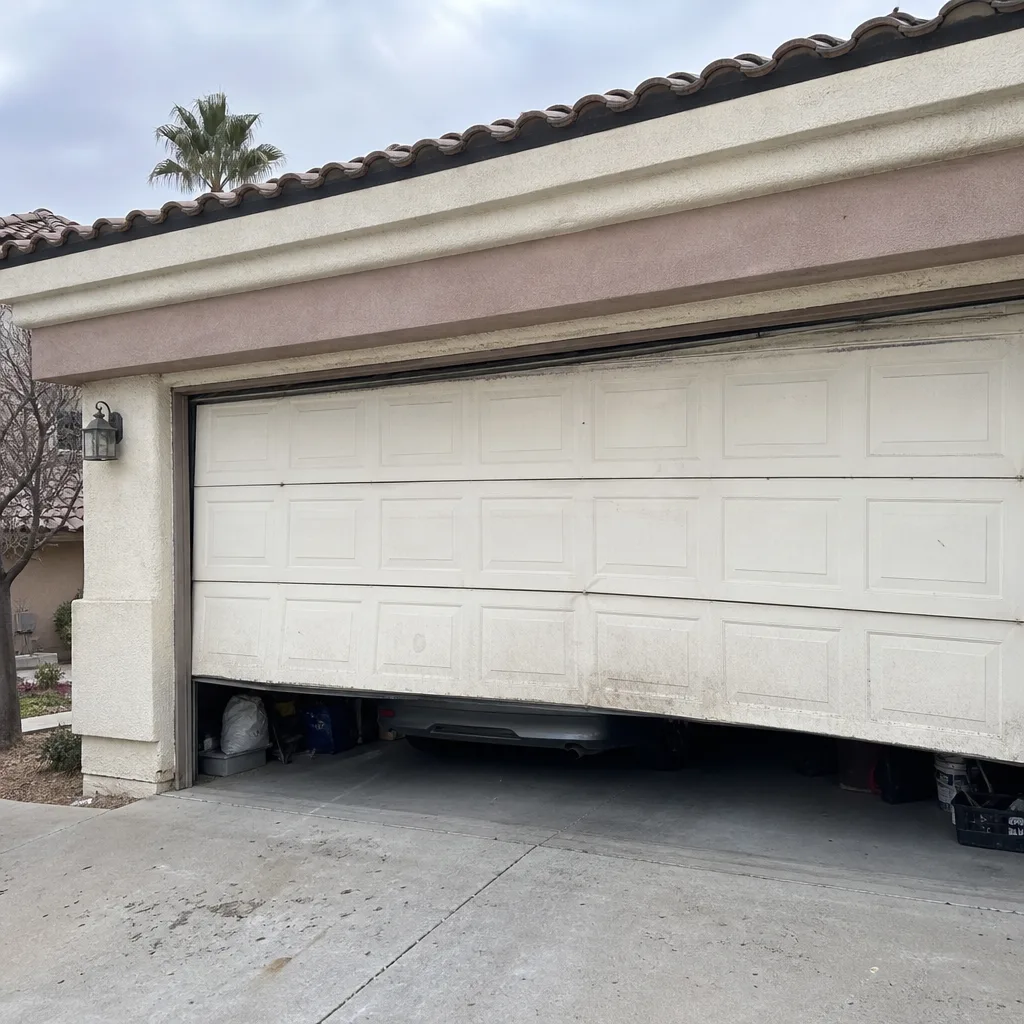 Before
 After
 Before
 After
When to Call a Professional
Call a professional if the door won’t balance, if you hear a loud snap from the spring area, if the door is visibly sagging on one side, if a cable is loose or frayed, or if the opener runs but the door doesn’t move. Those are stored-energy problems or opener issues, and neither belongs in a weekend DIY kit. Call even if the door still works – a weakened spring has a way of failing when the door is open and the family is out. In Boulder City, our team at Mainspring Garage Door Co. offers free estimates and a flat price stated before any work begins. We carry the parts on the truck so most repairs finish in a single visit. Our technicians each have up to 10 years of experience, and every job is backed by the 90-Day Done Right Promise. Call (833) 605-8582 for a free estimate.
Frequently Asked Questions
No. Garage door springs hold stored energy that can release instantly, and the injury risk is serious even for a skilled homeowner. Springs, cables, and bottom brackets are professional-only work on every door. Call a technician for a same-day repair quote.
Weatherstripping, photo-eye sensors, remote programming, light lubrication, and rollers on extension-spring doors are all safe DIY jobs. Anything under tension – springs, cables, bottom brackets – is not. If you’re unsure which system you have, call us and we’ll tell you before you buy a part.
Big-box store springs are graded lighter than trade stock, so they often fail years sooner. A cheap spring may last a few years; a trade-grade spring can last much longer. The difference usually outweighs the small upfront savings.
A single torsion spring replacement typically runs a set flat rate quoted before the work starts, with the price including the part, labor, balance check, and haul-away. Call (833) 605-8582 for an exact quote for your door – estimates are free and the price is agreed before any work begins.
No, not on a properly quoted job. The flat price you’re given before booking is the price you pay. If the door was misdiagnosed over the phone and the actual repair is different, the revised price is stated before work starts, never after.
Run the manual disconnect test: pull the release handle, lift the door by hand, and see if it stays in place. If it drops, is very hard to lift, or won’t balance, call a professional. If the door moves freely but the opener doesn’t lift it, you have an opener problem, and our garage door opener in Boulder City team can sort it out.
The Bottom Line
The DIY-vs-professional question comes down to stored energy. Springs, cables, and bottom brackets are professional-only, no matter how handy you are – not because the job is complicated on video, but because the energy inside them doesn’t care about skill level. Weatherstripping, sensors, remotes, and rollers on extension-spring doors are genuinely safe to handle. Buy trade-grade parts when you can, run the manual disconnect test before calling, and ask for a flat price in writing so the bill matches the quote. For anything you don’t want to touch, our Mainspring Garage Door Co. Boulder City home team is one call away at (833) 605-8582, with parts on the truck and most jobs finished in one visit.
Written by the team at Mainspring Garage Door Co. Boulder City.