
Last updated November 18, 2026
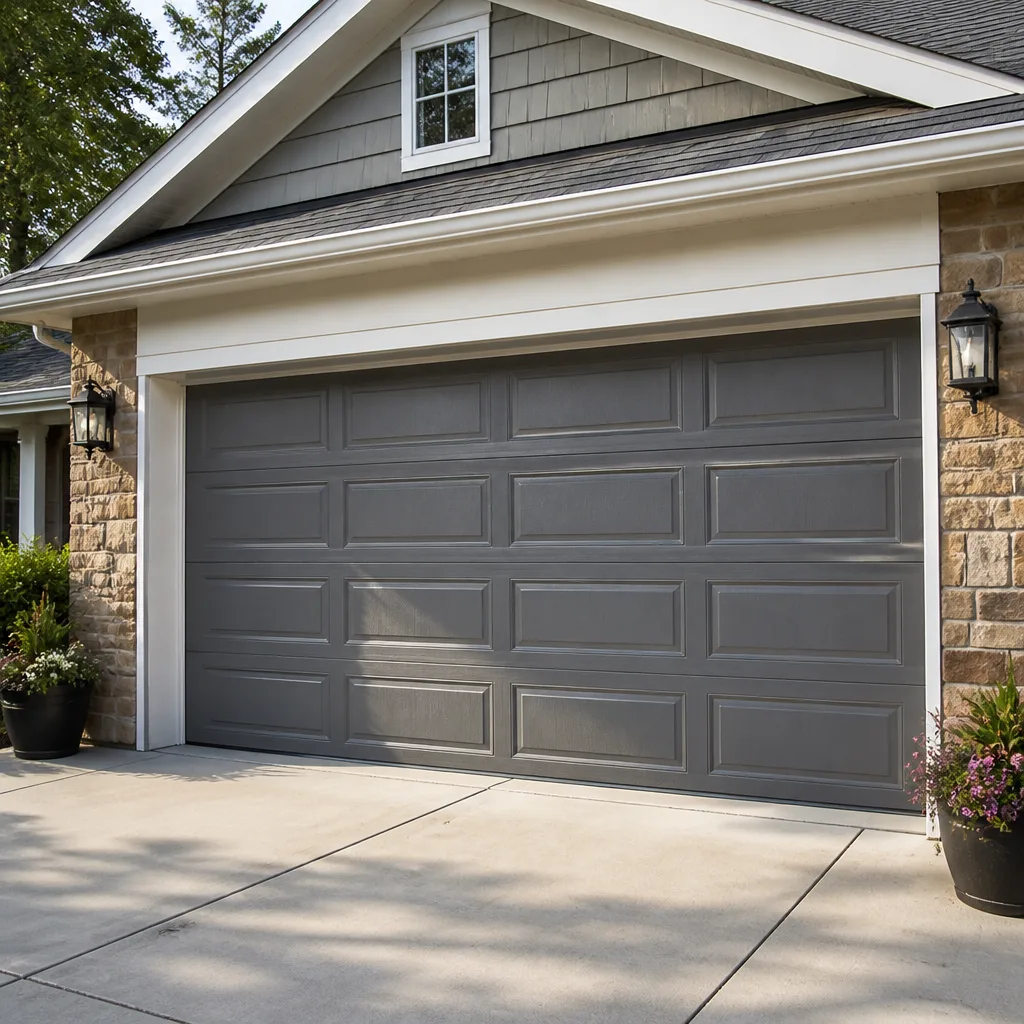 Raised-panel steel
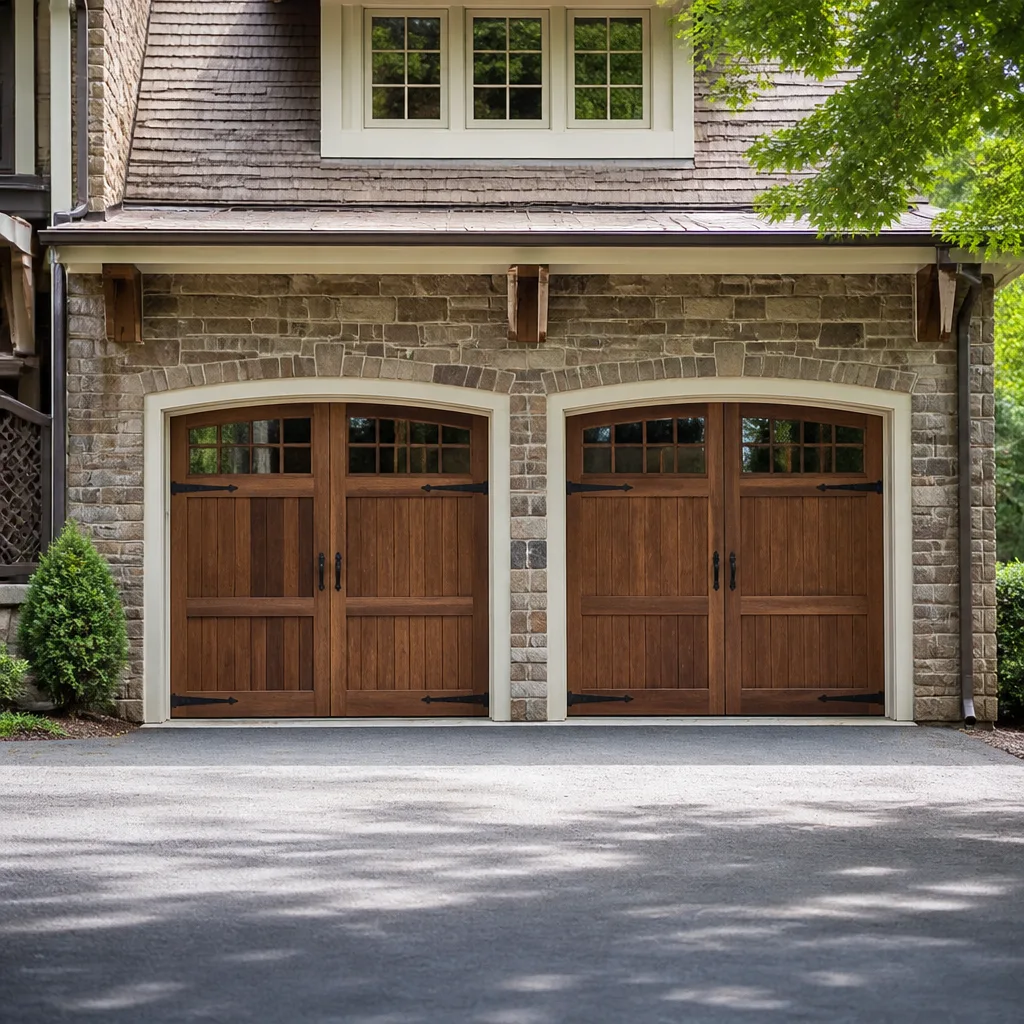 Carriage house
 Modern flush
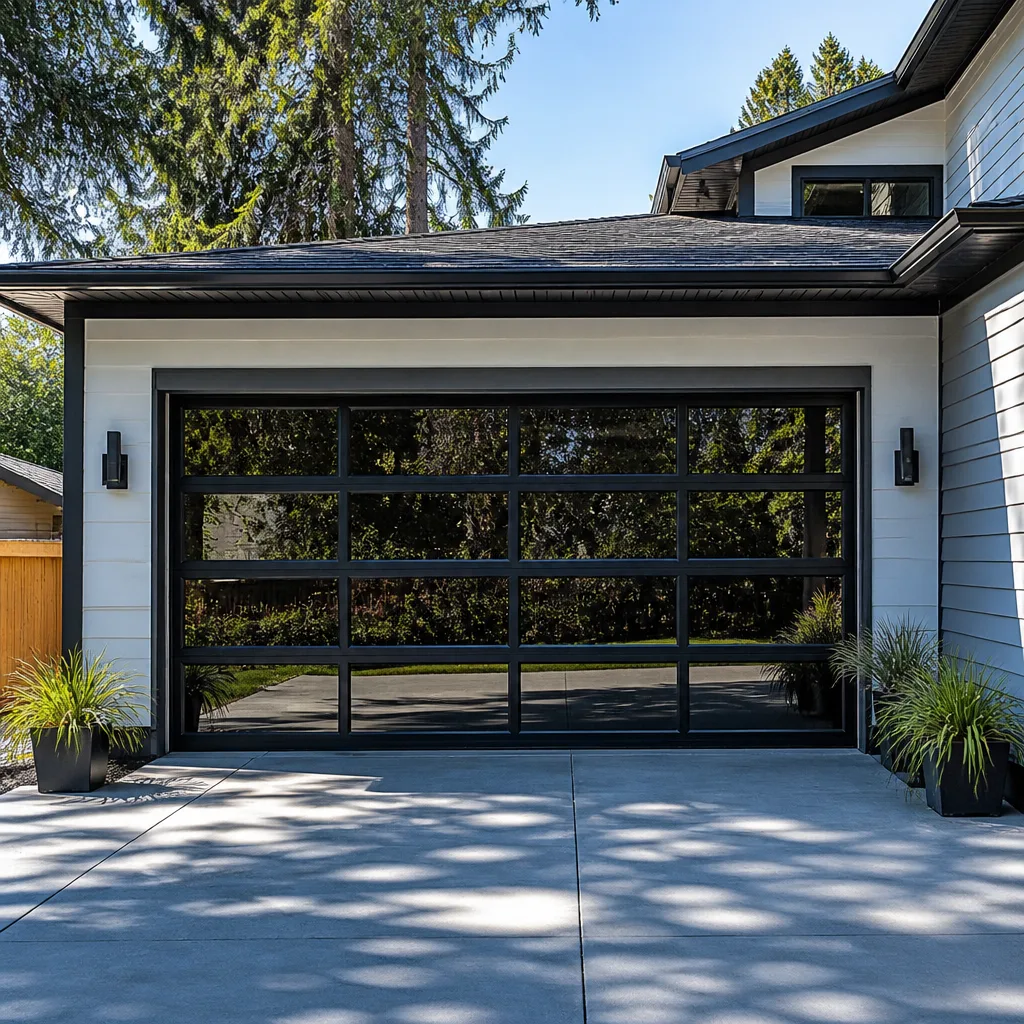 Full-view glass
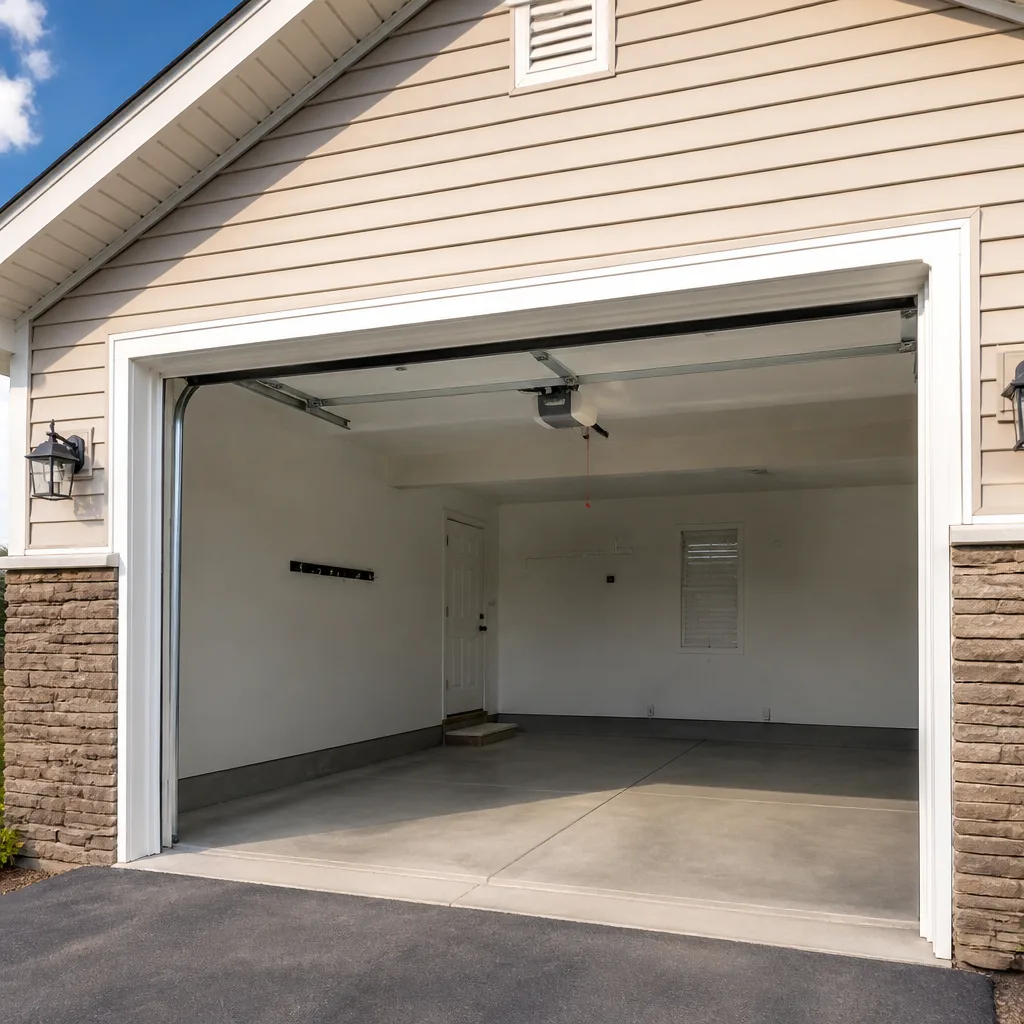 LiftMaster openers
 Chamberlain openers
Full 25-point door and opener safety check with every visit - springs, cables, rollers, tracks, and your LiftMaster or Chamberlain opener included
You get a price before we start. It does not change when the pro arrives.
Get your free estimateEmergency Garage Door Troubleshooting: Common Problems and How to Fix Them
If your garage door is stuck and you’ve already checked the power and the remote, most guides tell you to call a technician. There are actually three mechanical steps between those two points that most homeowners never learn. In our experience across Boulder City, a good share of what feels like a catastrophe is a disengaged trolley, a tripped opener logic board, or a door that simply needs to be taken off its automatic drive and run by hand. This guide walks you through the safe overrides, shows you how to tell a door that won’t move from a door that moves wrong, and marks the hard line where troubleshooting stops and a trained professional takes over.
Boulder City homes sit in a climate that punishes garage door hardware in specific ways – desert grit, summer heat that cooks opener capacitors, and the occasional flash-flood week that rusts track rollers. What follows is written for the homeowner who wants to understand the problem before anyone shows up, not to turn you into a garage door technician.
Quick Answer
For most stuck doors, the first safe step is to check that the opener is powered and the photo-eye path is clear, then pull the manual release cord to disengage the trolley and lift the door by hand. If it lifts smoothly by hand, the problem is in the opener; if it fights you or won’t budge, the problem is mechanical and you stop there. Service springs, cables, and anything involving a door that won’t stay up are strictly professional territory, and calls to Mainspring Garage Door Co. in Boulder City are answered by a live person around the clock.
Styles & brands we work with
- Raised-panel steel
- Carriage house
- Modern flush
- Full-view glass
- LiftMaster openers
- Chamberlain openers
Table of Contents
- A Door That Won’t Move vs. a Door That Moves Wrong
- The Manual Release Cord: Three Tool-Free Steps
- How to Safely Prop a Stuck-Open Door With a C-Clamp
- Opener Error Codes: Reset vs. Real Failure
- Photo Eyes, Remotes, and Dead Wall Buttons
- Why Boulder City Doors Fail the Way They Do
- The Hard Line: When Troubleshooting Must Stop
- When to Call a Professional
A Door That Won’t Move vs. a Door That Moves Wrong
These are two different problems wearing the same costume, and mixing them up is the fastest way to waste an afternoon or hurt yourself. Sort your door into one of these two buckets before you touch anything.
A door that won’t move at all usually has an electrical or logic cause: no power reaching the opener, a safety sensor blocked or misaligned, a dead wall button, or an opener that has thrown a fault code. The door itself may be perfectly healthy – it’s the brain that has quit talking to the motor. These are the emergencies most likely to resolve without a wrench.
A door that moves wrong – jerks, binds, travels crooked, slams down, or reverses halfway – points to a mechanical failure: a tired spring, a frayed cable, a bent track, or a roller that has jumped its channel. This is the category that gets genuinely dangerous. A door that moves wrong can drop without warning, and the parts carrying its weight are under extreme tension. In our experience, doors on Boulder City’s older homes near the historic district often fall into this second bucket after a long dry spell, because grit works into the tracks and rollers that sat still through the cool months.
Here is the practical rule: if the door moves wrong, stop reading the electrical sections and skip to The Hard Line. If it won’t move at all, keep going.
The Manual Release Cord: Three Tool-Free Steps
Before you pull the release cord, confirm the safety condition: the door must be fully closed and the opener must be off. A manual release only disconnects the trolley from the motor – it does not lighten the door. If you pull the cord while the door is raised, and the spring or cable is compromised, the door can come down hard. Never pull the cord with the door up.
Here is the sequence, no tools needed:
- Confirm the door is fully closed. Stand clear of the door’s path. If it’s open or partway up, close it with the wall button if the opener still responds. If the opener is dead and the door is up, do not pull the cord – call us at (833) 605-8582.
- Kill the opener. Unplug it from the ceiling outlet, or flip the breaker if it’s hardwired. This prevents the motor from re-engaging mid-pull.
- Pull the release cord straight down and slowly. You’ll feel the trolley disengage with a click. Then raise the door by hand, evenly and slowly, using the lift handle at the bottom panel. Do not yank it.
What happens next tells you everything. If the door lifts with steady resistance and stays up on its own when you let go halfway, the springs are carrying their load and the opener is your suspect. If it feels like lifting a concrete slab, or it refuses to stay up, the spring system has failed – that’s a job for a trained professional, and it’s why we keep springs stocked on the truck. Most of these jobs finish in a single visit.
How to Safely Prop a Stuck-Open Door With a C-Clamp
If the door is stuck open and won’t close, your first instinct might be to leave it – and that’s a security problem you don’t want overnight. The safe temporary fix is a C-clamp on the track, but only when done right, or you create a secondary hazard.
Follow these steps:
- Fully open the door (or leave it where it is if it’s already fully up). Never clamp a door partway open – clamps are a stop, not a lift.
- Clamp the vertical track just above a roller, on both sides if you can reach both, so the door cannot slide down if a spring gives. Tighten the clamp against the track so it’s snug, not crushing.
- Test it gently. Pull down lightly on the door handle. It should not travel. If it does, the clamp isn’t seated.
A few rules keep this safe. Use a real C-clamp with a screw handle, not a spring clamp or a pair of vice grips, which can slip. Never clamp to the curved horizontal track overhead – it’s not built to hold weight. And treat the clamp as a bridge, not a fix: it stops the door from dropping but does nothing about the underlying problem. Boulder City’s wind can rattle a loosely clamped door overnight, so if you clamp it after dark, call us in the morning. A stuck-open door in Boulder City is also an open invitation, and a clamp won’t stop anyone walking in from the alley.
Opener Error Codes: Reset vs. Real Failure
Modern openers – LiftMaster, Chamberlain, and their Craftsman cousins especially – flash diagnostic codes when something is off. Most of these are the opener saying “help,” not “replace me.” A logic board that has lost its position memory or tripped a safety fault usually clears with a reset; a motor that has burned out or a gear that has stripped will not.
The pattern we see most in Boulder City, particularly after a summer of 110-degree attic heat, is the opener that runs a few inches and stops. That is almost always a travel-limit or force-setting fault, not a dead motor, and it resets in a minute. Here’s how to read the difference:
- Resets that often work: the opener lights flash and it reverses immediately, the door runs an inch and stops, or the opener beeps and refuses to move. These usually clear with a power cycle and a re-learn of the travel limits using the wall control. If the manual says how, follow it; if not, a technician can reset it in minutes.
- Codes that mean mechanical failure: any code that repeats after a full power cycle, a motor that hums without moving the door, or a code paired with a door that binds by hand. These signal a stripped gear, a failed capacitor, or a door the opener is being asked to force. A reset won’t fix any of them, and forcing the door can burn the motor out entirely.
If you have a Raynor or an older opener with no display, the same rule applies without the code: if a power cycle at the breaker doesn’t bring it back, it’s mechanical. We’re factory-familiar with all the major brands, and our Garage Door Opener service in Boulder City covers diagnosis and repair of the full range.
Photo Eyes, Remotes, and Dead Wall Buttons
The unglamorous stuff catches a surprising share of emergencies. Before you assume a mechanical failure, rule out the three electrical causes that produce a door that won’t move at all.
- Photo eyes. The two sensors near the floor, one on each side, must see each other. A spiderweb, a leaf blown in on a Boulder City windy day, a bumped bracket, or a sunbeam hitting the receiver at the wrong angle will stop a door cold. Wipe the lenses and check that the small indicator light on each is solid, not flickering.
- Remotes. A dead battery makes a working door look broken. Test the wall button first – if that operates the door, the opener is fine and it’s the remote or its battery. LiftMaster and Chamberlain remotes take a coin cell most households have in a drawer.
- Wall button and lockout. Some wall consoles have a lock or vacation mode that ignores remotes entirely. Check the wall unit for a lit lock icon. And confirm the opener has power at the outlet – a tripped GFCI in the garage is easy to miss.
If all three check out and the door still won’t budge, you’re back to the manual release above. These checks take five minutes and save an emergency call a good percentage of the time – but if they don’t resolve it, the problem has moved past what’s safe to chase alone.
Why Boulder City Doors Fail the Way They Do
Garage doors age differently depending on where they live. A door on a home near Boulder City’s Lakeview and adjacent neighborhoods faces a specific wear pattern that’s worth knowing, because it shapes what an “emergency” usually turns out to be.
The desert does three things. First, fine grit – the kind that blows off the dry lakebeds and open lots – works its way into the tracks and roller bearings, so a door that sat quiet through winter starts binding and jumping come spring. Second, heat is relentless: a closed garage in July regularly hits temperatures that cook opener capacitors and stress the grease in the spring and bearing plates. Third, the dry air cracks and stiffens the nylon rollers and seals long before a wetter climate would. In our experience, the single most common emergency call from Boulder City is a door that began binding, was ignored for a season, and then snapped a cable on a Monday morning.
There’s a local twist beyond the weather. Boulder City’s historic core sits under its own set of preservation expectations, and older garages often carry doors and openers that predate the current building stock by decades. That means parts for a genuinely old Raynor or an early LiftMaster aren’t always on the shelf – which is precisely why we carry springs, cables, and common opener parts on the truck, so the job doesn’t stretch into a second visit. A seasonal tune-up, at $89, is the cheapest insurance against the Monday-morning version of this story. For a fuller look at what repair covers, see Garage Door Repair in Boulder City.
The Hard Line: When Troubleshooting Must Stop
This is the part of the guide that matters most. Garage doors carry serious forces – a torsion spring can hold the weight of the door in a coil under hundreds of pounds of tension, and a released cable can whip across a garage before you blink. There is a point where more troubleshooting is not just unhelpful, it’s unsafe. Stop immediately and call a professional if any of these are true:
- You hear a loud bang from the garage and the door is now heavy or won’t lift. That’s a broken torsion or extension spring. Do not try to open the door.
- A cable is visibly frayed, kinked, or hanging off a drum. A cable under tension can snap without warning.
- The door is crooked – one side down low, the other high – or a panel has buckled. The door is off its track and can fall.
- The door won’t stay up when you lift it by hand, or it comes down faster than you can guide it.
- Any part of the door has left the track or the torsion bar looks bent.
- You smell burning from the opener, or the opener sparks.
For any of these, clear the area, keep people and pets out of the garage, and call us. These are exactly the situations where a trained technician with the right parts resolves a genuine hazard safely – and why we recommend against following internet videos on spring and cable work no matter how confident the presenter seems.
Common Mistakes to Avoid
- Trying to adjust or “help” a torsion spring. Springs store enough energy to cause serious injury. This is not a homeowner job, and no amount of patience makes it one.
- Cutting a stuck door’s cable to free it. That cable is holding tension; releasing it wrongly turns a stuck door into a moving hazard. Call a pro instead.
- Pulling the manual release with the door up. On a door with a weak spring, that’s how a heavy door comes down unexpectedly. Always release with the door closed.
- Letting a binding door grind for a season. Boulder City grit wears rollers fast; ignoring a door that fights you is how a small tune-up becomes a snapped-cable emergency.
- Forcing the opener to lift a heavy door. If the motor is grinding and the door creeps, you’re burning out the gear and motor. Stop and diagnose.
- Disconnecting a safety sensor to “make it work.” Bypassing the photo eyes defeats the one system that stops the door on a child or pet. Never do it.
- Clamping a partway-open door and calling it fixed. A clamp is a temporary stop for a fully-open door, not a repair for a door that won’t travel correctly.
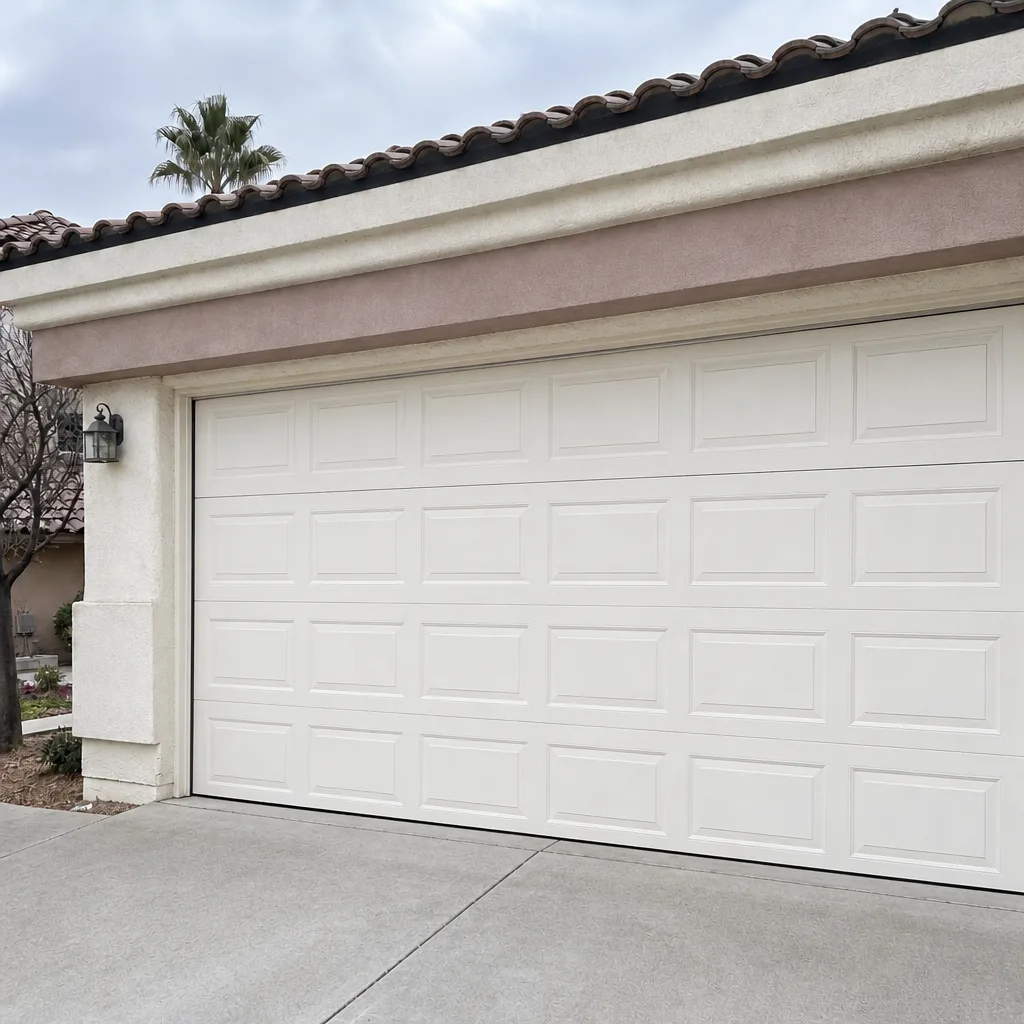
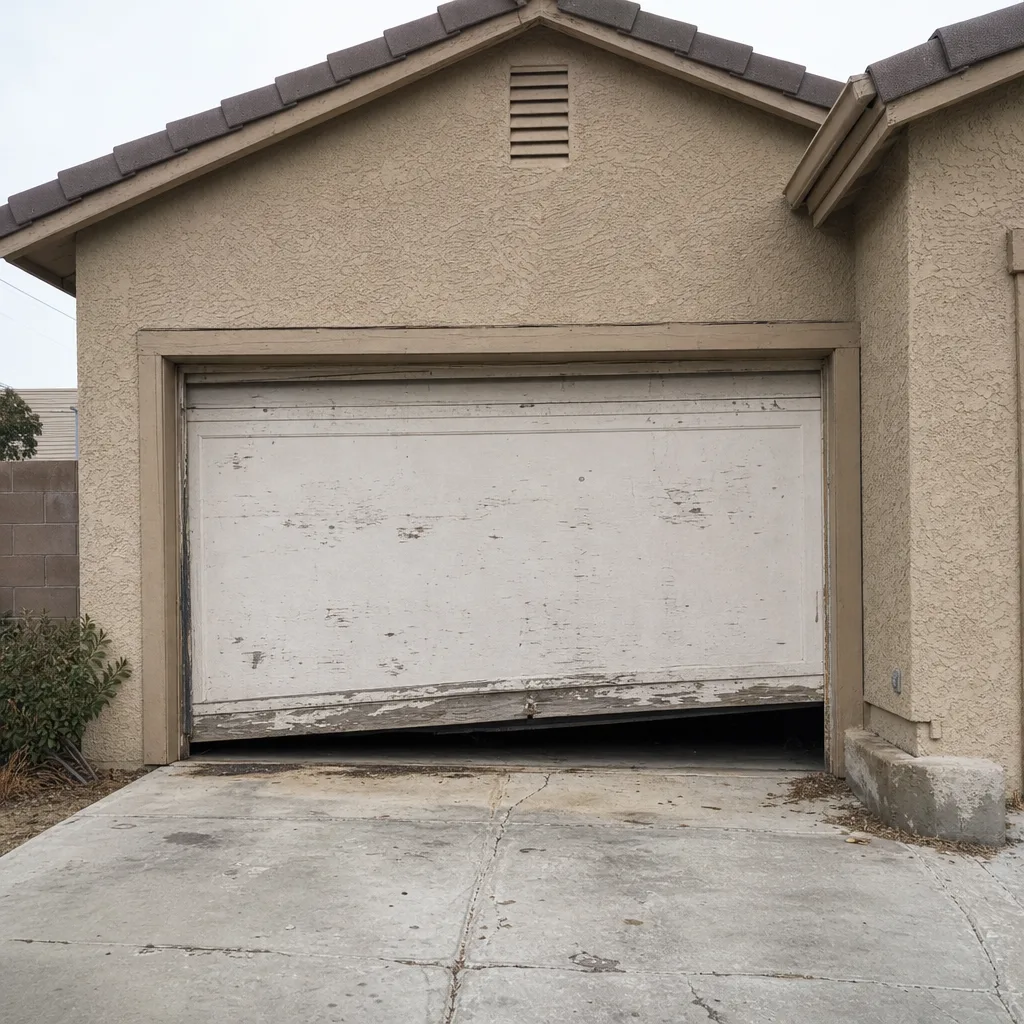
See the difference
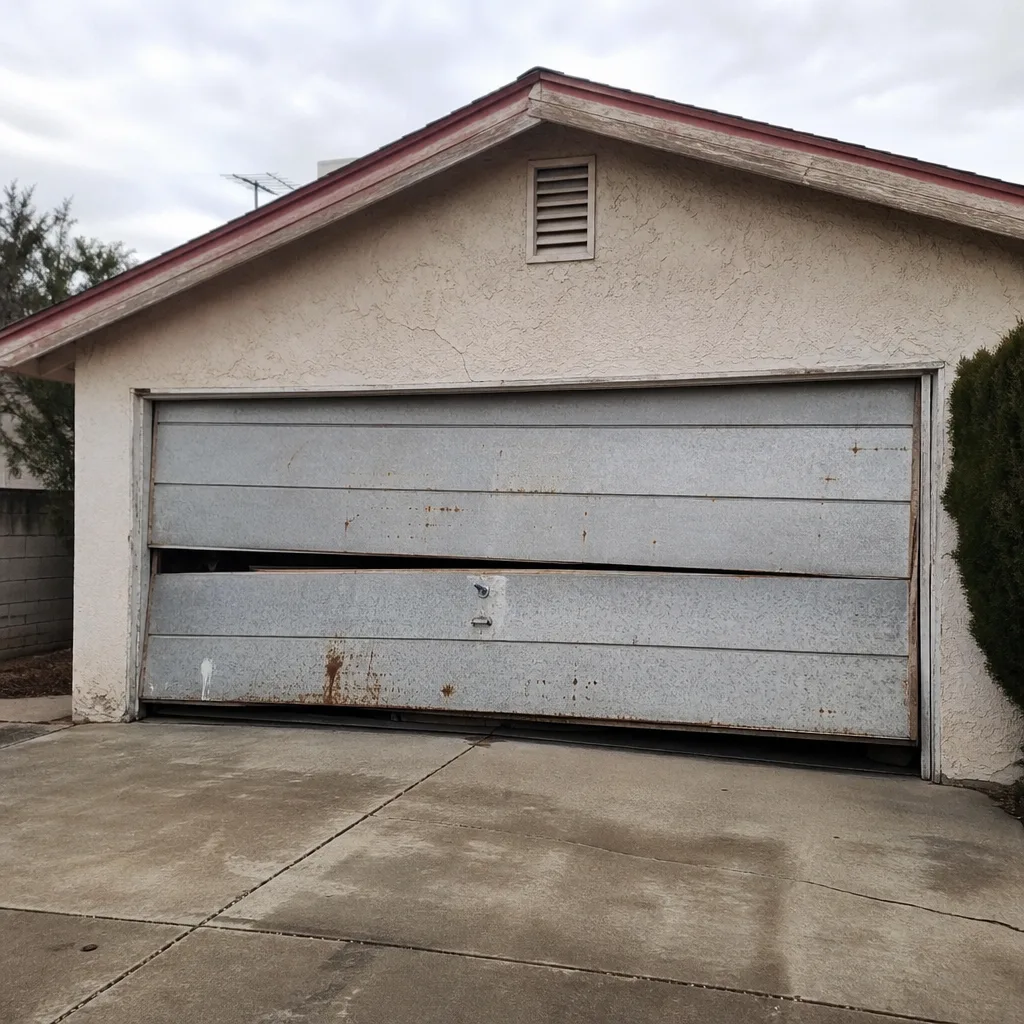 Before
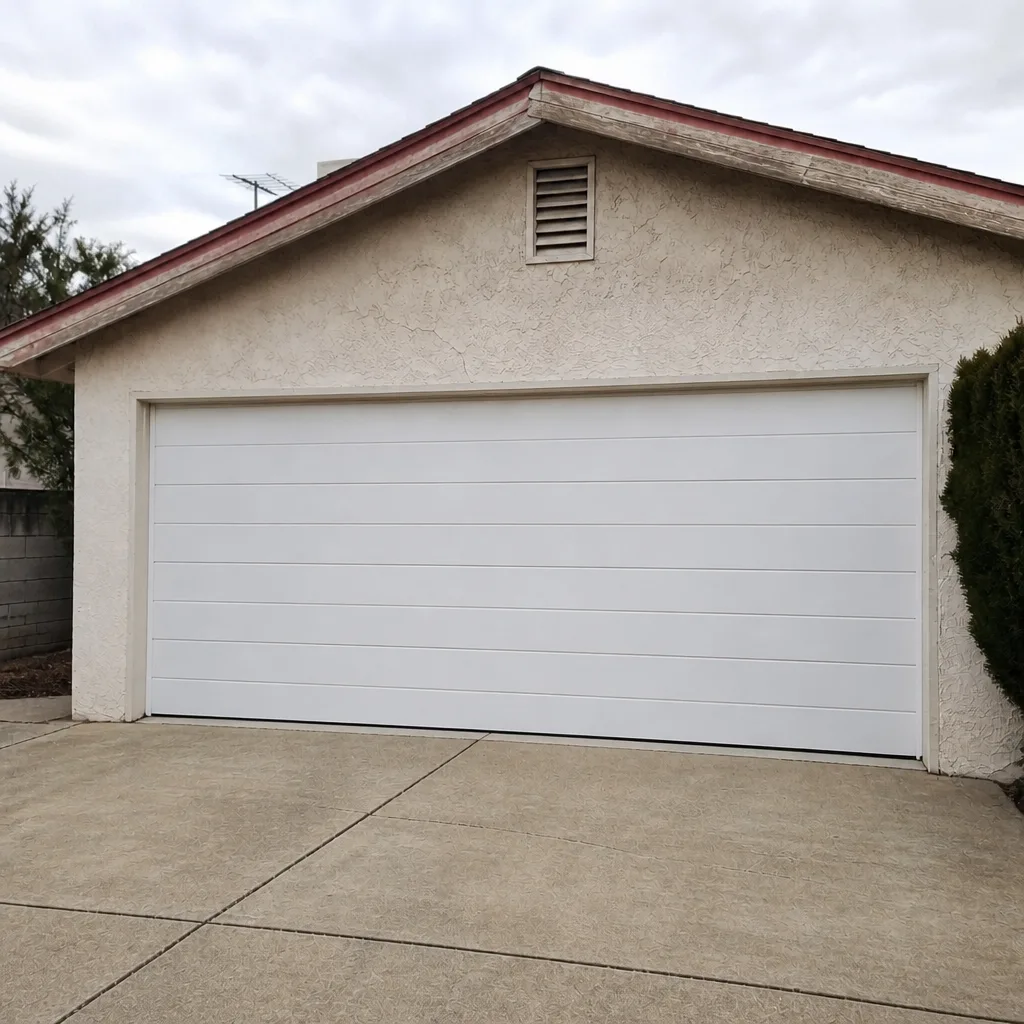 After
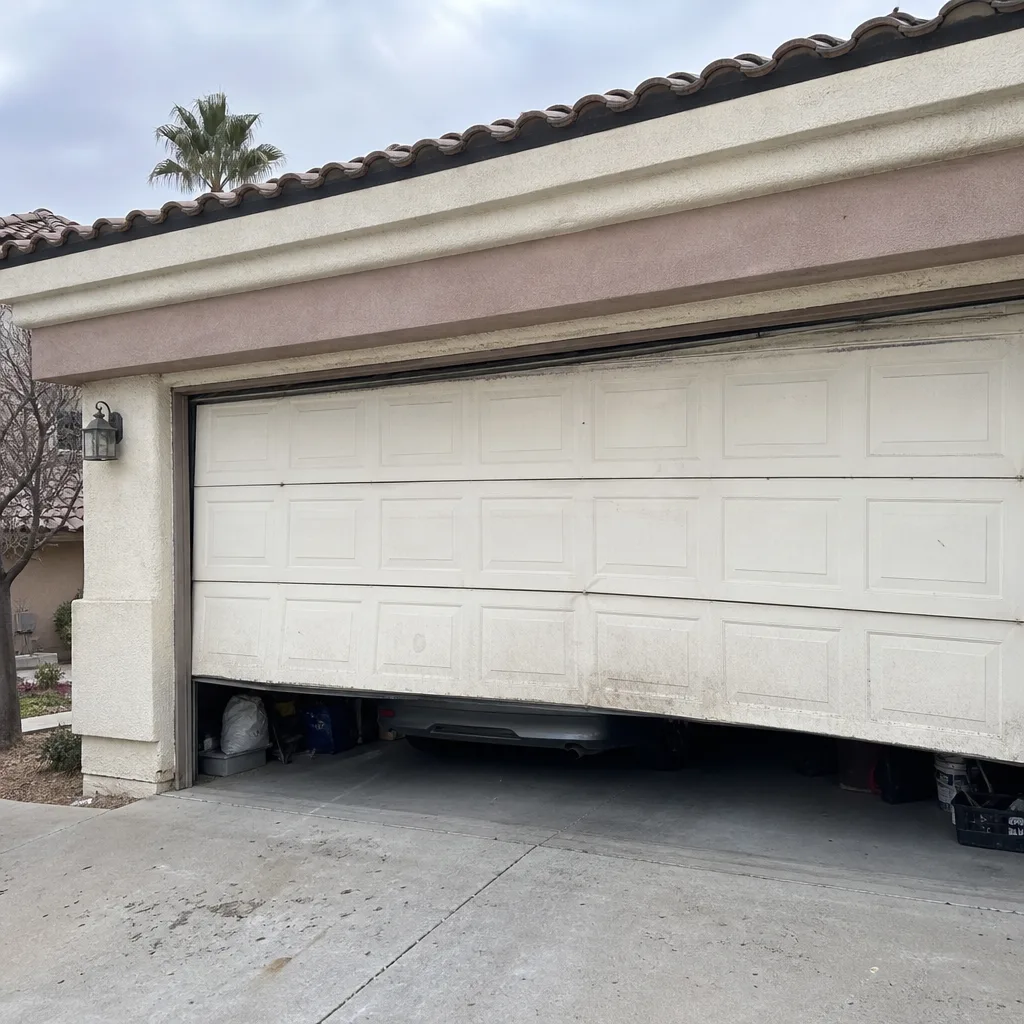 Before
 After
 Before
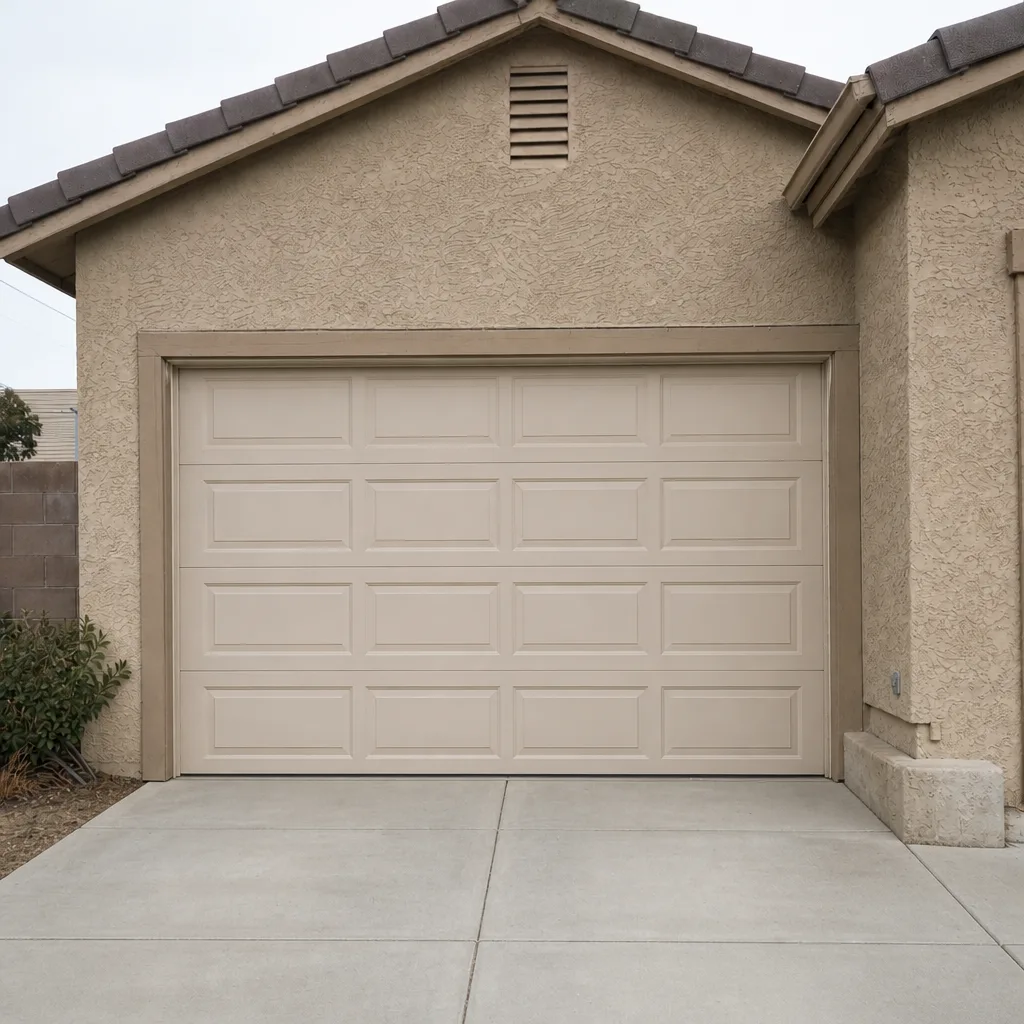 After
When to Call a Professional
You should call for the job when any part of the weight-bearing system is involved, when the door moves wrong rather than not at all, or when a reset doesn’t clear an opener fault. Broken springs, frayed cables, off-track doors, and openers that hum without lifting are all sign-it’s-over DIY territory. The same goes for panel or track damage after a car bump – what looks cosmetic often means the door is no longer square.
Our technicians have up to 10 years of experience, arrive in uniform and background-checked, and come with springs, cables, and common parts already on the truck. The price is stated before the work begins, agreed up front so there are no surprises on the bill, and every job is covered by our written 90-Day Done Right Promise. Mainspring Garage Door Co. in Boulder City offers free estimates – call (833) 605-8582 and a live person answers, day or night. You can also reach us through our Mainspring Garage Door Co. Boulder City home to see the full range of what we do.
Frequently Asked Questions
The safest immediate step is to prop it with a C-clamp on the vertical track above a roller, on both sides if you can, and keep people clear until a technician arrives. Do not attempt to force it closed or adjust the spring. A stuck-open door is a security exposure and a hazard, so call (833) 605-8582 and a live person will walk you through the next step.
Yes, for most emergencies we can reach you the same day, and calls are answered around the clock. When you call, describe whether the door won’t move at all or moves wrong, and whether you hear any noise from the spring. The more you can tell us, the faster we can bring the right parts. Call (833) 605-8582 for a free estimate.
No. The flat price is quoted and agreed before any work starts on the door, so what you’re told is what you pay – no surprises on the bill. If the diagnosis reveals a bigger problem than expected, we’ll show you and get your agreement before proceeding. Call (833) 605-8582 to talk through your situation.
Yes – our technicians are background-checked, arrive in uniform, and are trained as journeymen under our K.E.Y.S. values code. Every completed job is backed in writing by our 90-Day Done Right Promise: if it isn’t right, we return at no charge, no arguing. Call (833) 605-8582 for details on your specific job.
Only the electrical and reset steps are safe for a homeowner: power, photo eyes, remotes, the wall button, and a logic reset. Anything mechanical – springs, cables, tracks, a door that won’t stay up – is not safe to DIY. When in doubt, stop and call (833) 605-8582.
Disengage the trolley with the manual release cord (door closed, opener off) and lift the door by hand. If it lifts smoothly and stays up, the opener is the suspect; if it’s heavy or won’t stay up, the door’s spring system is the problem. Either way, call (833) 605-8582 and we’ll help you sort it out.
The Bottom Line
Most garage door emergencies fall into two groups: a door that won’t move, which is often an electrical or logic fault you can safely check, and a door that moves wrong, which is a mechanical hazard you should not touch. The manual release cord, done correctly with the door closed and the opener off, tells you which one you’ve got in under a minute. A C-clamp on the track is a safe temporary stop for an open door, and a power cycle clears more opener codes than you’d guess. Past that – springs, cables, tracks, anything weight-bearing – the right call is the professional one. If you’re in Boulder City and your door has crossed that line, Mainspring Garage Door Co. is ready to help. For a free estimate or to talk through your situation, call us any time at (833) 605-8582 and a live person will pick up. Our technicians have up to 10 years of experience, we carry parts so most jobs finish in one visit, the price is set before we start, and every job is backed in writing for 90 days. We stand behind the work, and we’ll be there when we say.
Planning ahead? A Garage Door Installation in Boulder City or a seasonal tune-up prevents most of what we get called out for in an emergency, and our Garage Door Opener service in Boulder City keeps the brain of the door healthy before it quits on a Monday morning.
Written by the team at Mainspring Garage Door Co. Boulder City.