
Last updated November 18, 2026
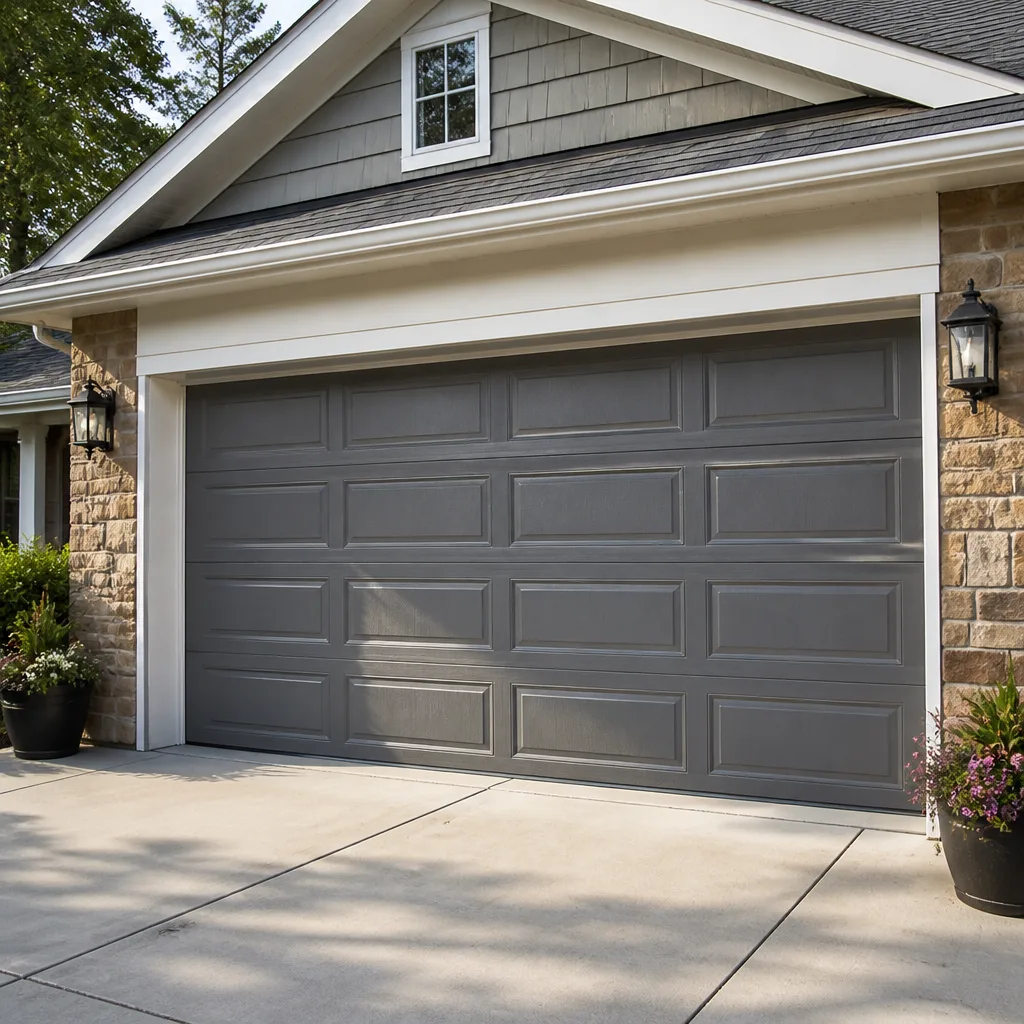 Raised-panel steel
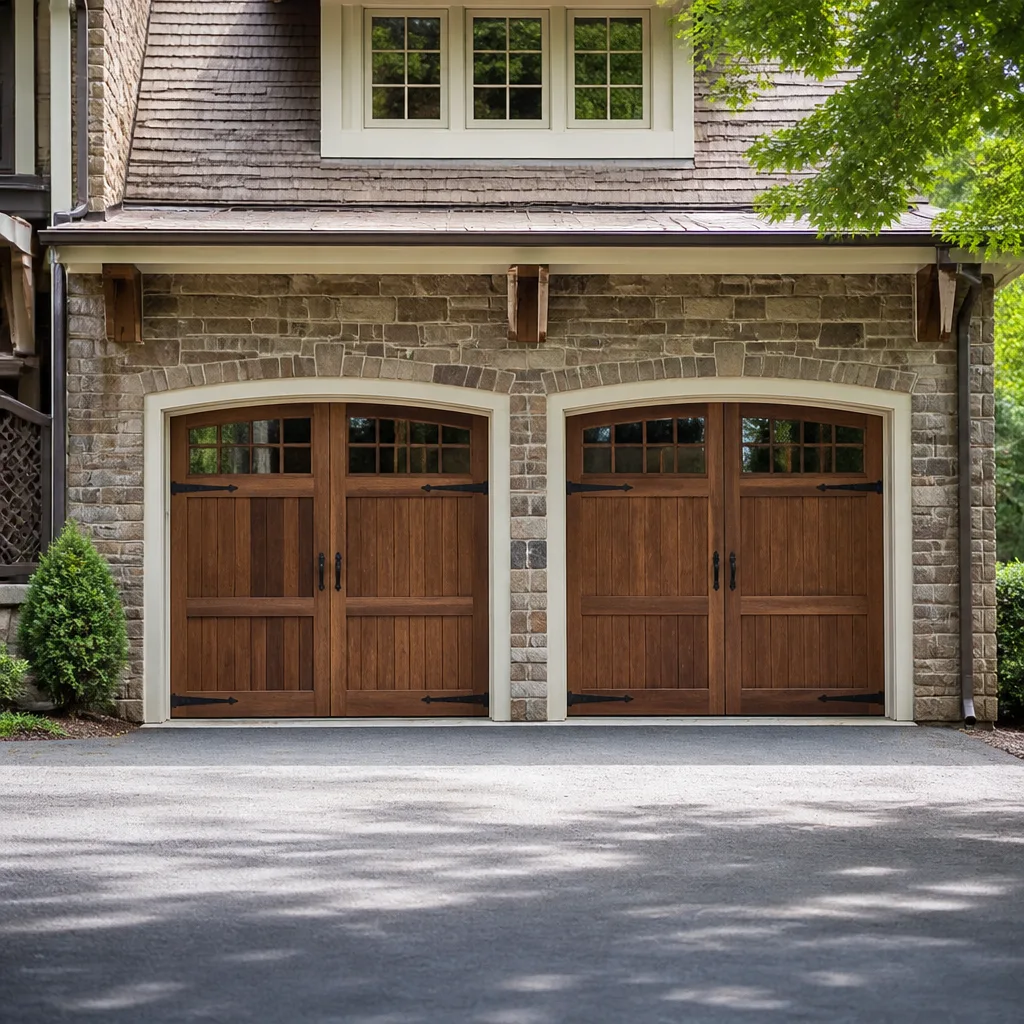 Carriage house
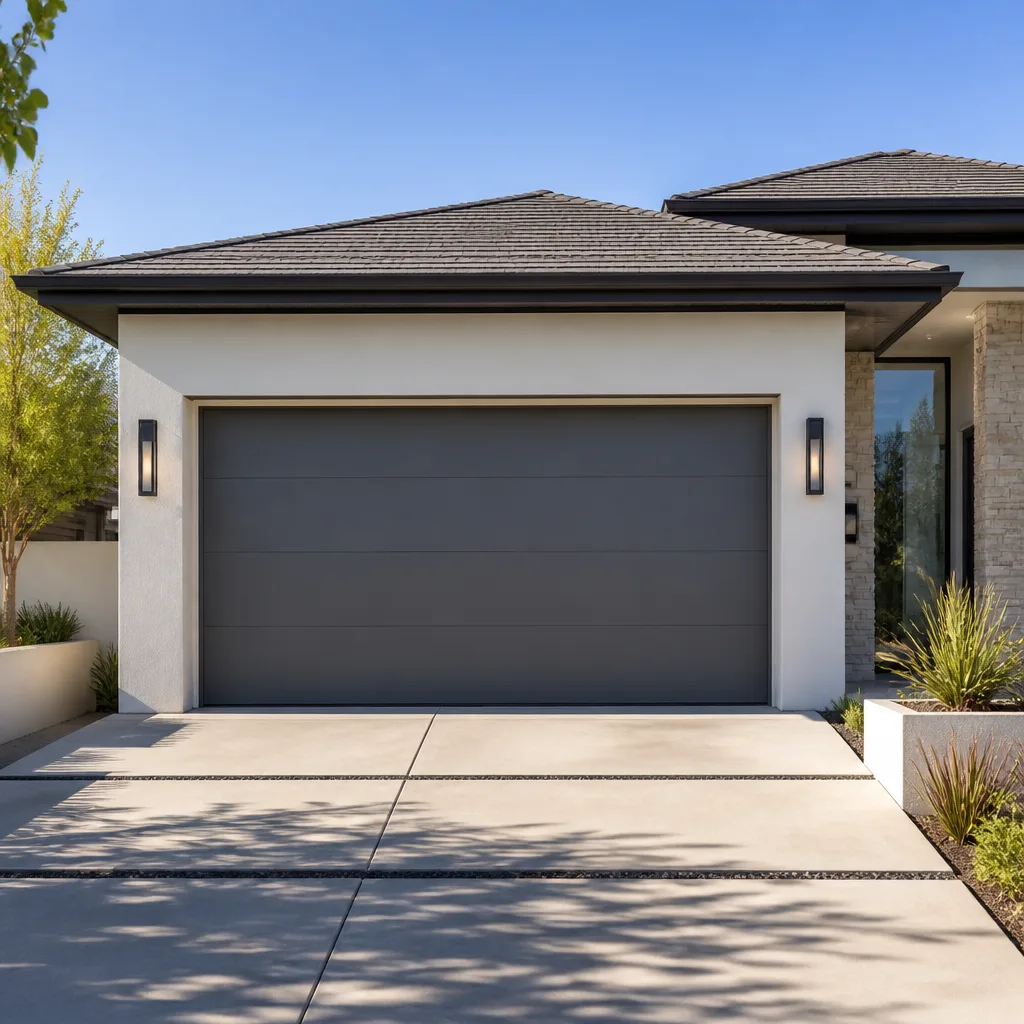 Modern flush
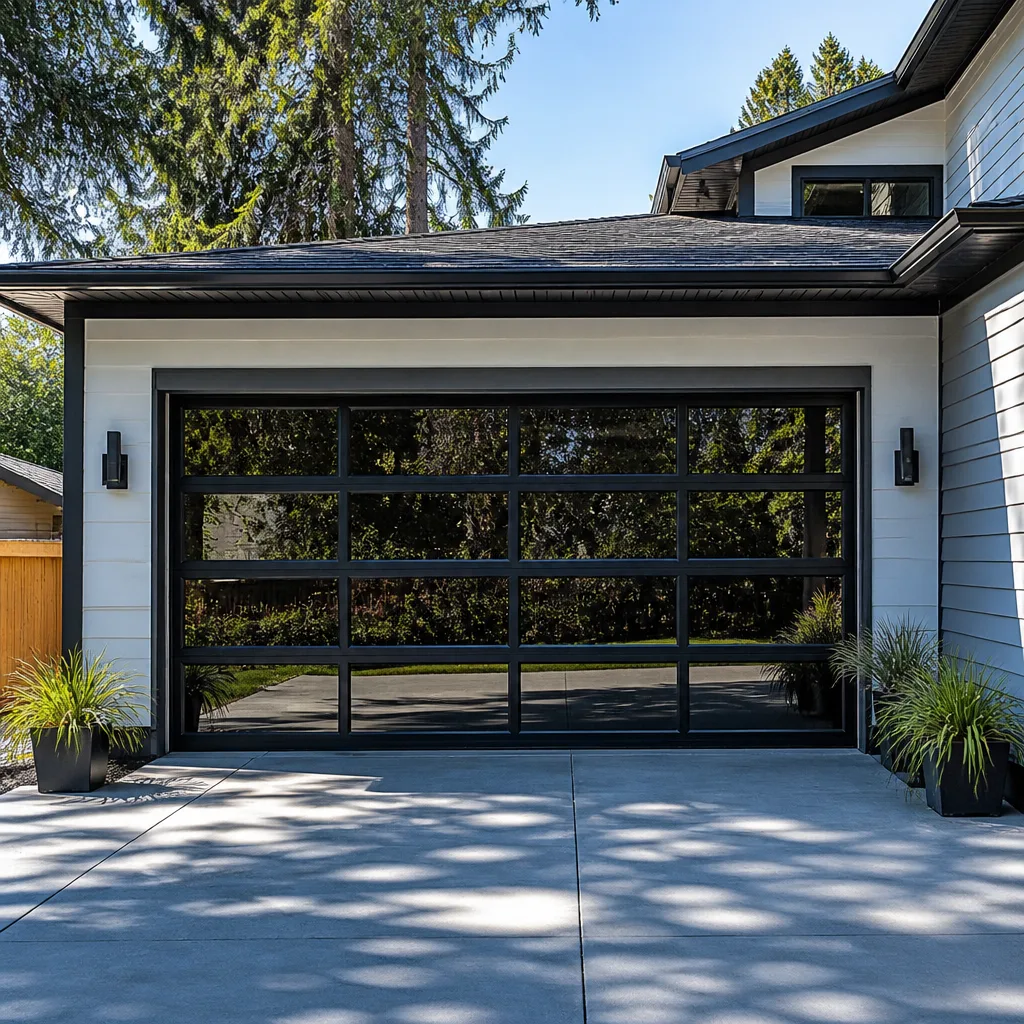 Full-view glass
 LiftMaster openers
 Chamberlain openers
Full 25-point door and opener safety check with every visit - springs, cables, rollers, tracks, and your LiftMaster or Chamberlain opener included
You get a price before we start. It does not change when the pro arrives.
Get your free estimateGarage Door Parts Troubleshooting: Common Problems and How to Fix Them
When a garage door comes off its track, the track rarely started it. In our experience, a worn roller or a bent hinge shifted the load until the door walked sideways, and replacing the track without fixing the roller means the same failure returns in eight months. That pattern repeats across almost every garage door problem we see in Boulder City: one cheap component fails first, then loads the parts around it until they fail too. A $40 roller turns into a $300 cable and drum replacement because nobody caught the original failure. This guide works backward from what you see and hear to the part that actually started the problem, with the inspection steps you can safely run yourself and the ones that should wait for a technician.
Quick Answer
Most garage door problems trace to one failed component – a worn roller, a fraying cable, a bent hinge, or a tired torsion spring – that puts extra load on the parts around it until they fail in turn. You can safely identify many of these causes yourself with the door closed and the power disconnected, but springs, cables, and bottom brackets are under extreme tension and should only be inspected by a trained technician. Catching the first failure early is what keeps a small repair from turning into a major one.
Styles & brands we work with
- Raised-panel steel
- Carriage house
- Modern flush
- Full-view glass
- LiftMaster openers
- Chamberlain openers
Table of Contents
- How do you map a symptom to the part that failed?
- The cascade failure pattern: why one failed part takes down three
- The safe visual inspection sequence
- Asymmetric vs. symmetric problems: what each tells you
- What you can check vs. what needs a technician
- Reading the door by its noise
- Boulder City conditions that change the failure pattern
- Common mistakes to avoid
- When to call a professional
How do you map a symptom to the part that failed?
Start with what the door does, not what it looks like. The observable behavior narrows the suspect list fast, and it keeps you from guessing at the expensive parts first. Here is how we sort the most common complaints.
- Door binds or shudders on the way up: worn steel or nylon rollers, or a hinge that has bent out of alignment. Rollers are the usual culprit.
- Door drifts down a few inches after it opens: torsion spring tension has dropped, or the opener’s travel limit is off. Often a spring on the way out.
- Loud bang, then the door won’t lift: a torsion spring broke. Stop using the door and call a technician.
- Door hangs crooked, one side lower: a snapped or jumped cable on one side, or a drum that has lost its wrap.
- Door reverses before it closes: safety sensor misalignment, a blocked photo-eye, or a track obstruction.
- Grinding or scraping sound: a dry or seized roller, or the door rubbing the track because a hinge has shifted.
- Door won’t stay on the track: a bent track plus the worn roller that caused the misalignment in the first place.
Notice how many of those point to a cheap part as the trigger and an expensive part as the secondary damage. That is the pattern this whole guide is built around. Whether your door is an Amarr steel model or an older Wayne Dalton, the failure logic runs the same way. If you’d rather have the diagnosis done in person, our garage door repair in Boulder City covers everything from a single roller swap to full track realignment.
The cascade failure pattern: why one failed part takes down three
Garage doors are balanced systems. Load that should be shared evenly across the springs, cables, rollers, and hinges is wasted the moment one component stops doing its job. That wasted load moves to the neighbors, and the neighbors wear out early.
Here is a concrete example we see regularly. One roller seizes. It stops rolling and starts dragging. The door now pushes harder through that section of track, which loads three hinges on either side of it. Those hinges bend slightly. The bent hinges push the door out of square, which shifts weight onto one cable and one drum. The cable stretches and frays. Two months later, the homeowner calls about a frayed cable and has no idea the roller was the seed of the whole thing.
The same logic runs through the springs. A fraying cable changes how the torsion spring shares its tension cycle, so the spring works harder every time the door opens and closes. The cable fails, the spring fails, and both repairs arrive at once.
That is why an experienced technician sometimes recommends replacing more than the one obvious part. They are not padding the bill – they are stopping the cascade from coming back. When we quote a repair in Boulder City, we explain exactly which parts started the failure and which ones are already stressed, so you can decide with the full picture. Our garage door opener in Boulder City page also covers how opener strain fits into the cycle when the door itself has been dragging.
The safe visual inspection sequence
You can catch a lot of problems before they cost you, as long as you do it safely. The rule is simple: door fully closed, power disconnected, and no hands on springs, cables, or the bottom bracket. Here is the sequence we suggest in that order.
- Kill the power. Unplug the opener or pull the emergency release only if the door is already down. Never release a door mid-travel.
- Look at the rollers. With a flashlight, check each roller for flat spots, chips, or cracks in the wheel. Steel rollers show wear as ridges; nylon rollers show hairline cracks. Any roller that looks rough is a candidate.
- Check the hinges. The hinge at each panel joint should sit flat and straight. A bent hinge shows as a gap, a twisted leaf, or a panel that doesn’t sit flush.
- Inspect the cables. From the side, look for fraying, broken strands, or a cable that has jumped the drum. Fraying is your stop sign – call a technician.
- Look at the bottom bracket. The bracket at the bottom of the door should be tight against the panel with no bends. It is under spring tension, so inspect from a distance, never with hands.
- Examine the drums and springs. Look only. A gap in a torsion spring, rust dust at the coil, or a cable drum with uneven wrap are all reasons to stop and call.
That list catches most of the cheap triggers. It also tells you where to stop. If anything in steps 4 through 6 looks wrong, do not test it yourself – that is technician territory, and it’s where the real danger lives.
Asymmetric vs. symmetric problems: what each tells you
The single most useful diagnostic question a homeowner can ask is whether the problem is lop-sided. A door that behaves differently on one side than the other points to a different family of causes than a door that fails evenly. This one distinction saves a lot of misdirected repair.
- One side sags, one cable is slack, one drum has lost wrap: asymmetric. Root cause is almost always a single cable, drum, or the roller on that side. The failure is localized, and so is the repair.
- Door shudders evenly, both sides drag, opener strains: symmetric. Root cause is usually a spring tension issue, an opener limit setting, or a set of rollers worn down together. The repair touches more parts.
- One panel leans, the door rubs one track: asymmetric. A bent hinge or worn roller on one side has pushed the door out of square. The track is the victim, not the cause.
- Door reverses on closing every time: symmetric. Almost always the safety sensor alignment or a photo-eye issue, not a mechanical part at all.
In Boulder City, we see the asymmetric cable problem more often on doors facing the afternoon sun, because heat cycling on that side of the door works the cable and drum a little harder over the years. Subdivisions that went up in the 1980s and 1990s on the east side of town are full of doors with a set of original rollers and one cable that has already been replaced. The replaced cable is usually a clue the other side is next.
What you can check vs. what needs a technician
You can safely observe and report a lot of what a technician needs to know, and doing so makes the service call faster and more accurate. But there are parts that should never be poked at by an untrained hand. Here is the clean split.
You can safely observe and report:
- Roller condition (flat spots, cracks, roughness)
- Hinge condition (bends, gaps, twisted leaves)
- Track alignment (dents, bends, debris in the channel)
- Panel condition (dents, separation, sagging)
- Weather seal condition at the bottom and sides
- Safety sensor alignment and the indicator lights
- Opener behavior (reverses, strains, won’t respond)
Only a trained technician should inspect or work on:
- Torsion springs – under extreme tension, and the most dangerous part on the door
- Extension springs – same hazard
- Cables and cable drums – hold the spring tension and can snap without warning
- The bottom bracket – the cable’s anchor point and under continuous load
- Any part of the door while it is raised and under full tension
Those last five are not caution tape for the sake of it. Torsion springs carry the entire weight of the door, and a spring or cable that lets go can cause serious injury in a fraction of a second. Mainspring is named for the spring that carries a door’s entire weight, and we don’t take its danger lightly. When you call in, telling us exactly what you saw gets the right parts on the van and often finishes the job in one visit. Our Mainspring Garage Door Co. Boulder City home page covers the full range of what we service.
Reading the door by its noise
Sound carries the diagnosis before sight does. The type of noise usually tells you which part is struggling. Listen on a quiet morning when the door runs from closed to open and back.
- Grinding or metal-on-metal: a seized or dry roller, or a hinge rubbing metal against metal. Lube won’t fix a seized roller – it needs replacing.
- Squeaking that tracks the door travel: hinges, rollers, or a dry torsion spring tube. Routine lubrication helps, but a repeating squeak at one spot is usually a worn hinge.
- Rattling or banging: loose hardware, a drum with a loose set screw, or the door skipping on the track because a roller has worn flat.
- Loud bang, then silence: a torsion spring has broken. Stop using the door and call. This is not a roll-up-your-sleeves repair.
- Humming opener with no door movement: opener gear, drive, or logic board. That is an opener issue, not a door part. A Craftsman or LiftMaster unit that hums but won’t move usually needs the opener itself serviced.
If the noise happens at the same point every time the door travels, the part is right there in that track section. If it happens evenly across the whole travel, it is more likely a balance or tension issue up top.
Boulder City conditions that change the failure pattern
Desert heat and dust do not break parts in new ways – they speed up the failures already in motion. In our experience working across Boulder City, a few local patterns repeat.
Summer heat is hard on any part with oil in it – roller bearings, spring grease, opener gears. A roller that would last years in a cooler climate can seize in half the time here. The dust works the other way: it gets into the track channel, mixes with the old grease, and turns into a grinding paste that eats rollers and hinges from the inside. Homes near the dry washes and open desert edges see more of that dust. The afternoon sun on a west-facing door also does its part. The heat cycling on the sun side can work that cable and drum a little harder, which is why asymmetric failures show up on that side first.
Older subdivisions on the east side of town are full of 1980s and 1990s doors where the original steel rollers and hinges are still in place, and a replacement cable on one side is often a clue the other side is close behind. If you’d like a full rundown of the mechanics, our garage door installation in Boulder City page also covers when a new door or a full set of new parts makes more sense than piecemeal repair.
A seasonal tune-up is the single best defense against the local conditions. A quick tune-up clears the dust from the channels, checks the balance, and catches a part on its way out before it takes its neighbors with it.
Common Mistakes to Avoid
- Replacing the track when a roller failed. The bent track is the symptom, not the cause. Fix the roller and hinge that shifted the door sideways, or the new track bends again in months.
- Greasing a seized roller instead of replacing it. A roller that has stopped rolling won’t roll again with more grease. It just drags quietly and loads the hinges on either side.
- Ignoring one frayed cable. A fraying cable is a warning, not a small problem. It can snap under load, and it puts added duty on the torsion spring while it waits.
- Testing springs by hand. Torsion and extension springs are under extreme tension at all times. Do not touch, lift, or test them – this is where serious injuries happen.
- Assuming a loud opener means the door is fine. If the door drags, the opener works harder and eventually fails too. Fix the door, not just the opener.
- Waiting for a small shudder to become a stuck door. A single worn roller that drags for months is a $40 repair that becomes a cable and drum job once the cascade starts.
- Skipping the seasonal check in a desert climate. Boulder City dust and heat speed up wear. A tune-up catches the first failure before the rest of the door takes the load.
When to Call a Professional
Call a professional the moment you hear a loud bang, smell hot metal from the opener, see fraying on a cable, or find the door hanging crooked or off its track. Those are the failures that carry real danger and the ones that cascade fastest. Call if the door reverses on its own, the opener hums but won’t move the door, or the door won’t stay up once you let it go. And call if you’ve done the safe visual check, found a worn roller or a bent hinge, and want the diagnosis confirmed before you spend anything.
Mainspring Garage Door Co. Boulder City offers free estimates in Boulder City – call (833) 605-8582. The price is stated flat before any work begins, so there are no surprises on the bill. Most jobs finish in a single visit because the van arrives with the right parts, and every job is covered in writing by our 90-Day Done Right Promise.
See the difference
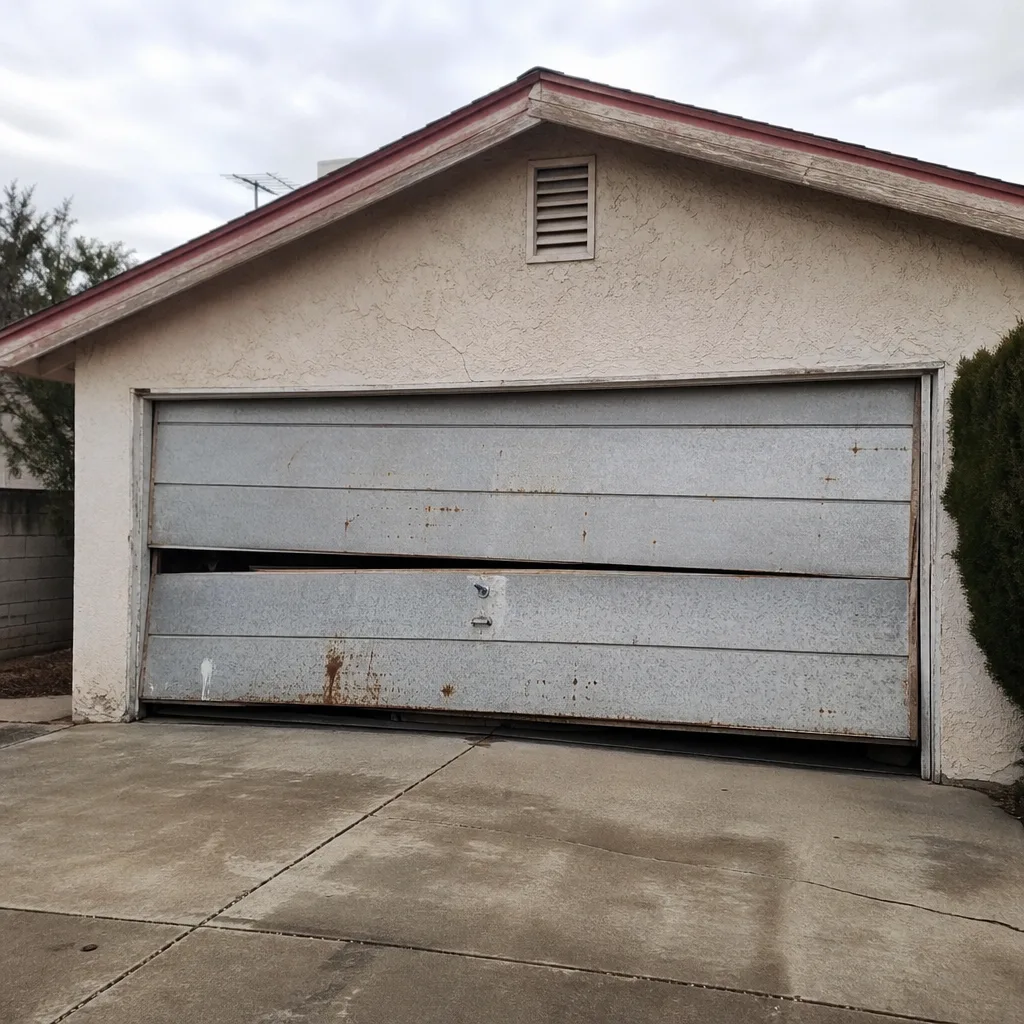 Before
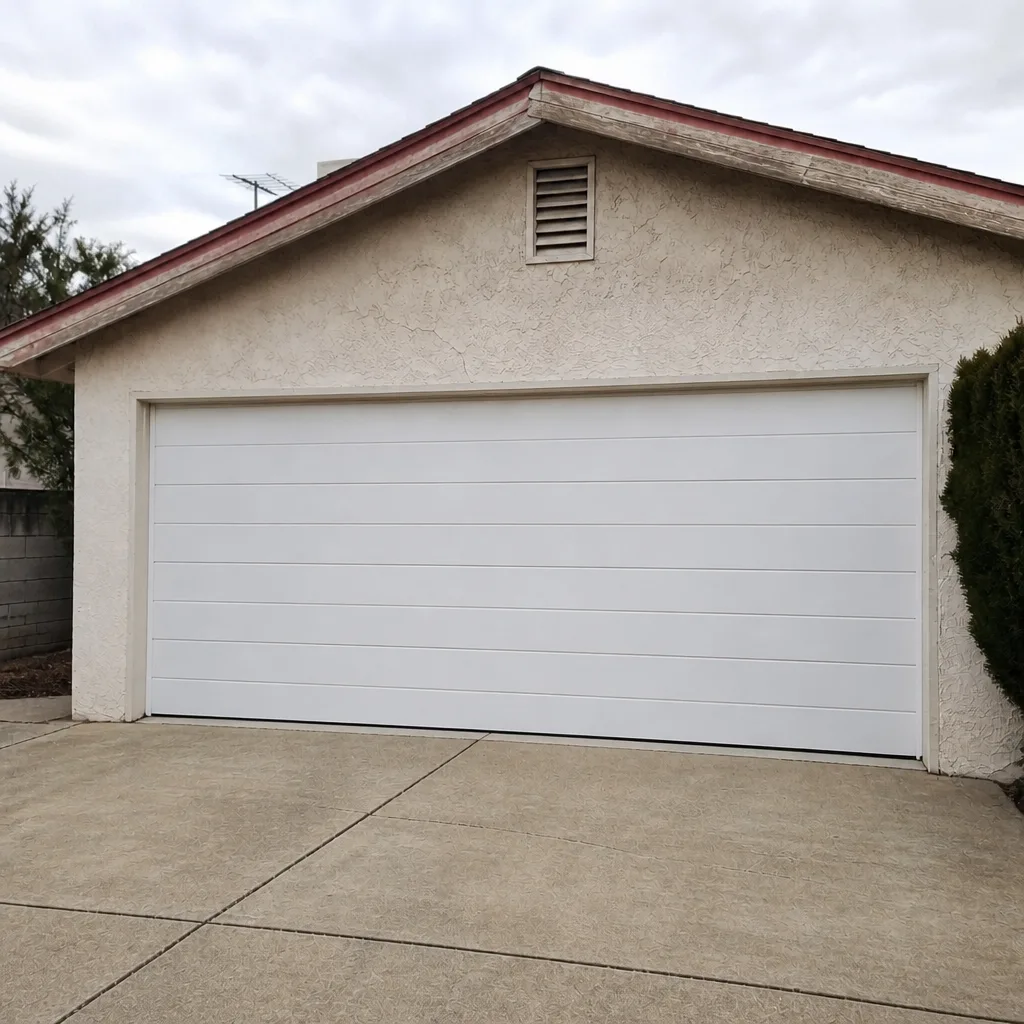 After
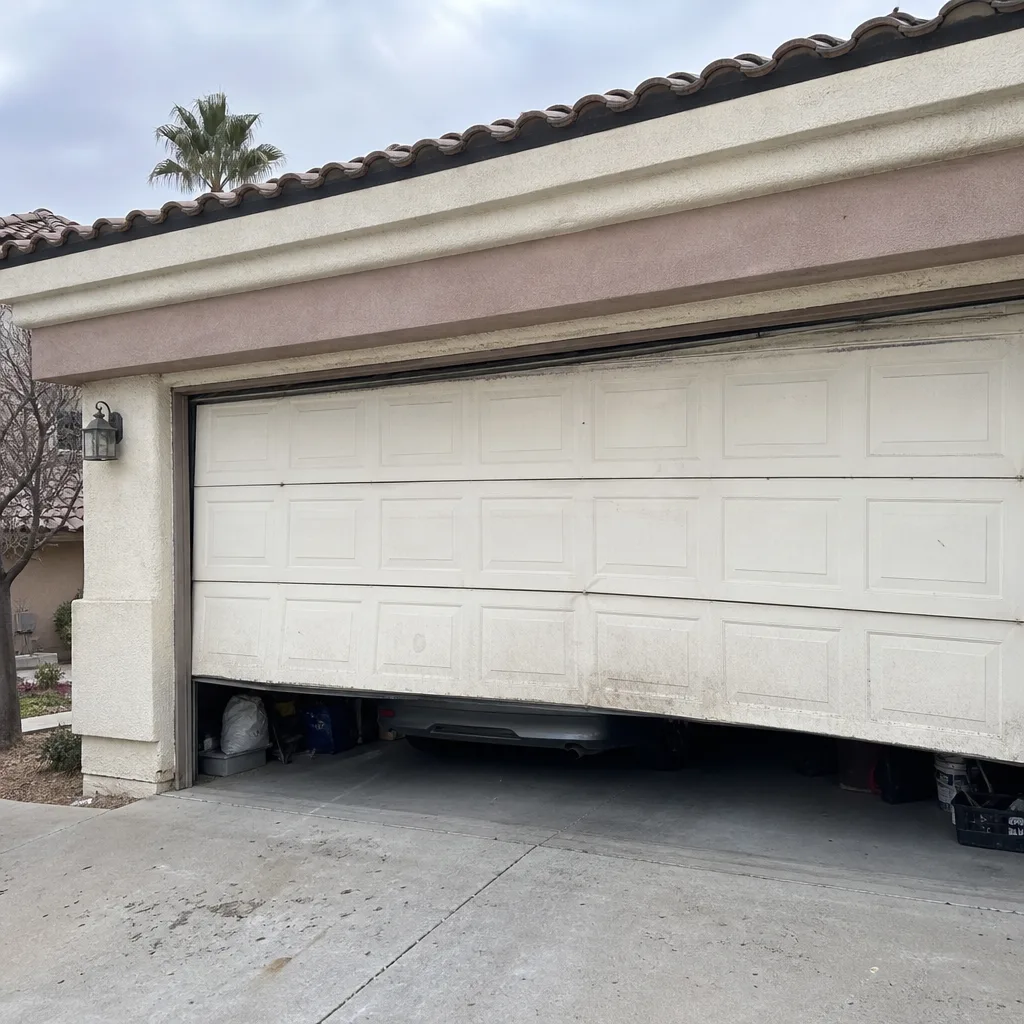 Before
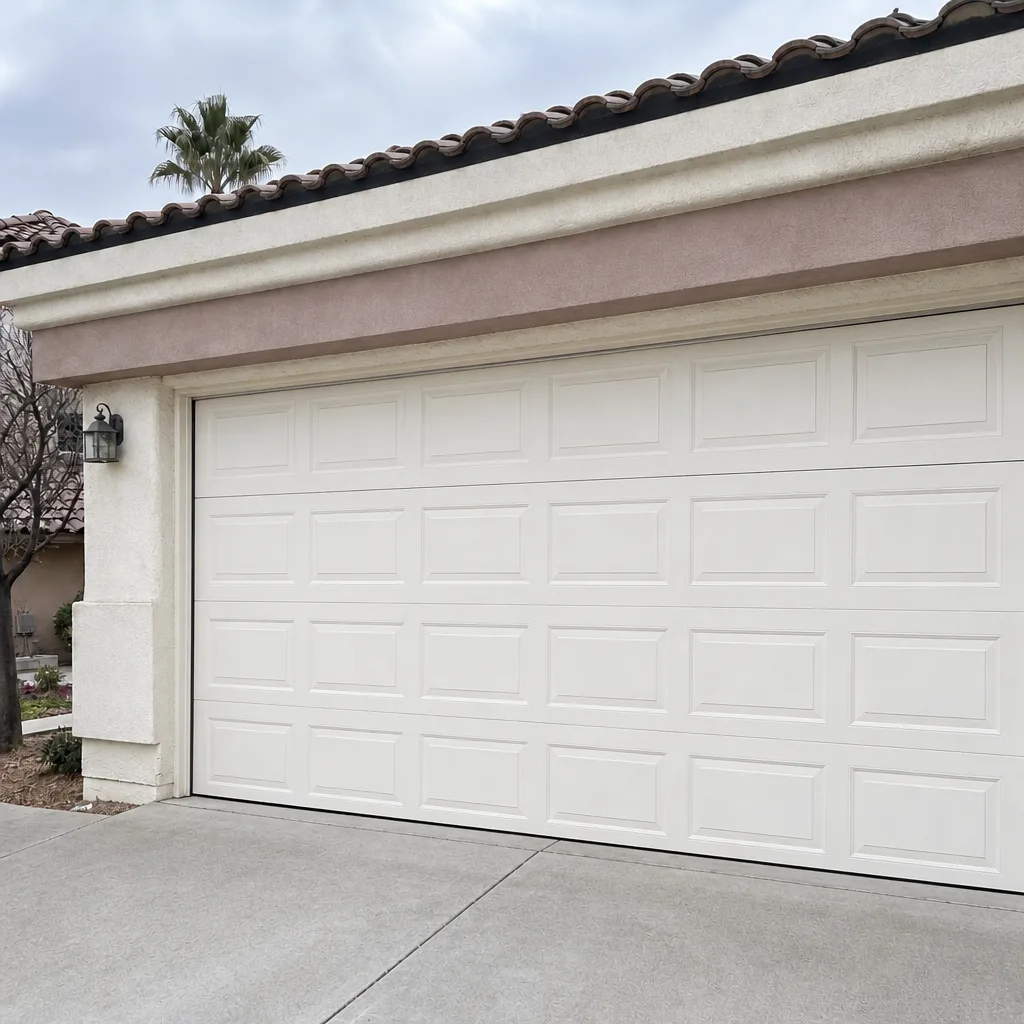 After
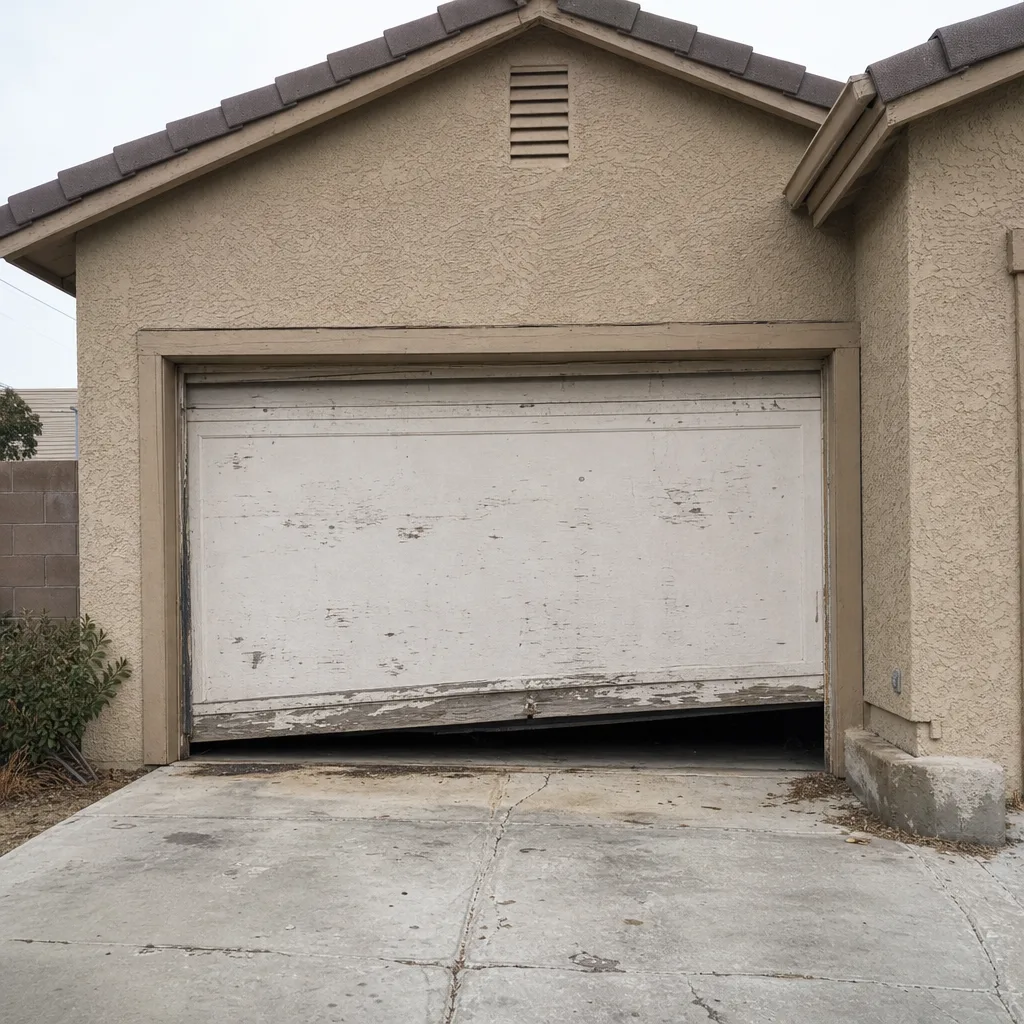 Before
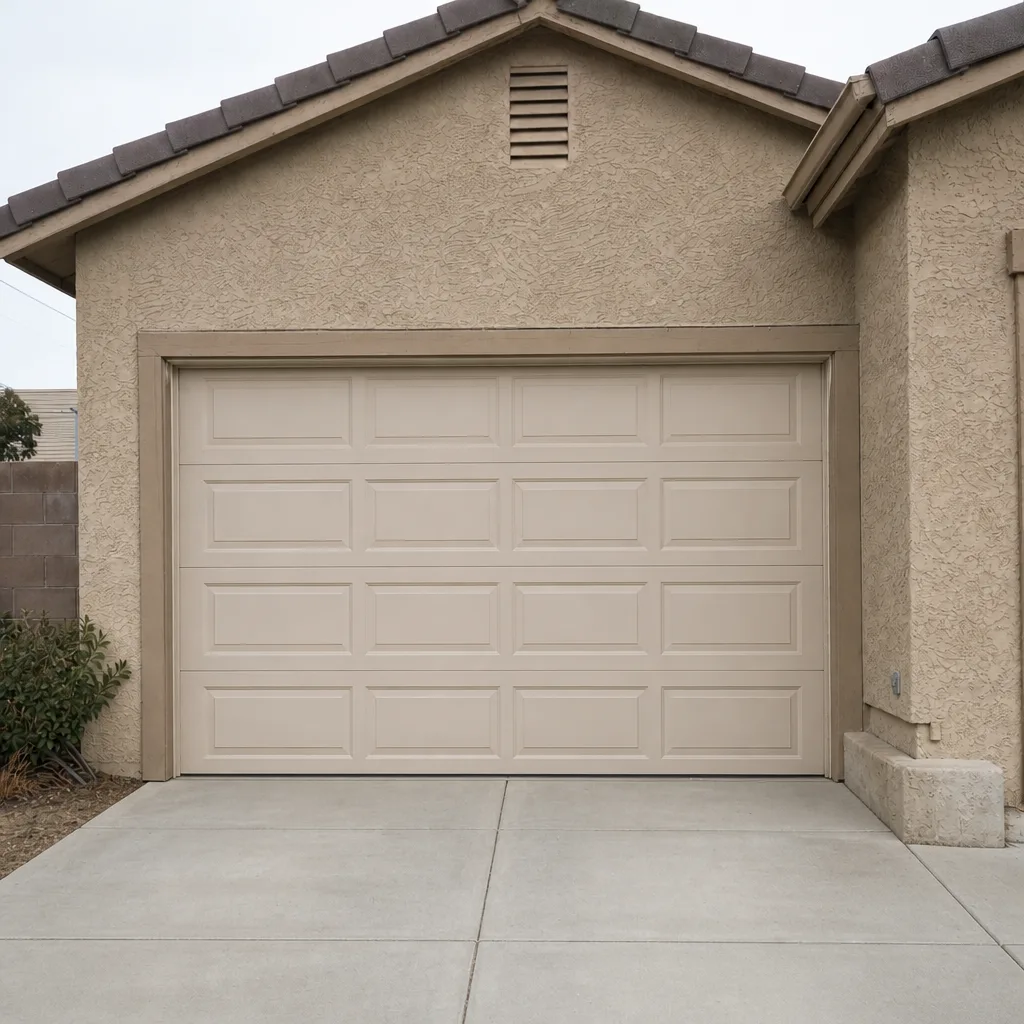 After
Frequently Asked Questions
Start with the symptom, not the part. A door that shudders on the way up usually has a worn roller; a door that drifts down after it opens usually has a spring losing tension; a door that hangs crooked usually has a failed cable on one side. Run the safe closed-door visual check and report what you see when you call. Call (833) 605-8582 for an exact quote – estimates are free.
It depends on the door and the roller, but the task usually goes beyond a homeowner DIY job because the door has to be adjusted and rebalanced afterward, and a mistake can send it off track. Springs, cables, drums, and the bottom bracket are strictly technician work – they are under extreme tension and can injure you in seconds. A technician handles rollers safely and checks the parts around them at the same time. Call (833) 605-8582 to book a visit.
Because one failed part loads the parts next to it. A seized roller drags three hinges; a fraying cable works the torsion spring harder. The repair price covers the part that started the failure plus the ones already stressed. We state the flat price before work starts, so you know the full number up front. Call (833) 605-8582 for a free estimate.
Once a year for most doors, and honestly sooner if the door faces afternoon sun or sits near open desert where dust gets into the track. The heat and dust in Boulder City wear rollers and hinges faster than in cooler climates. Our $89 Seasonal Tune-Up catches a part on its way out before it takes its neighbors with it. Call (833) 605-8582 to schedule.
No. The flat price is stated before any work begins, and that is the number you pay. If the inspection turns up a part that needs attention beyond what we discussed, we tell you and you decide before anything is touched. Every job is also backed by our 90-Day Done Right Promise, in writing. Call (833) 605-8582 for an exact quote – estimates are free.
Most repairs are, because the van arrives with springs, cables, rollers, and opener parts already on board. In our experience across Boulder City, a single visit finishes most jobs. If it’s an emergency – a broken spring, a door off its track, a car trapped inside – a live person answers the phone any hour. Call (833) 605-8582 and we’ll give you a straight answer on timing.
The Bottom Line
Garage door troubleshooting works backward. You start with the symptom – the shudder, the bang, the crooked hang, the grinding sound – and you trace it to the one part that failed first. That part is usually cheap. The damage around it is not. Caught early, a worn roller is a small repair; caught late, it’s a cable, a drum, and a spring. In Boulder City, the heat and dust speed up that timeline, so the annual check matters more than it would elsewhere. Check what you can safely observe, leave the springs and cables to a trained technician, and act on the first sign of trouble.
Call Mainspring Garage Door Co. Boulder City at (833) 605-8582 for a free estimate. We answer live, any hour, and we quote the flat price before the wrench comes out. We are factory-familiar with all major brands, from Amarr and Raynor to Craftsman and Wayne Dalton, and we stand behind every job with the 90-Day Done Right Promise in writing. A square deal, no surprises on the bill. We will be there when we say.
Written by the team at Mainspring Garage Door Co. Boulder City.