
Last updated November 18, 2026
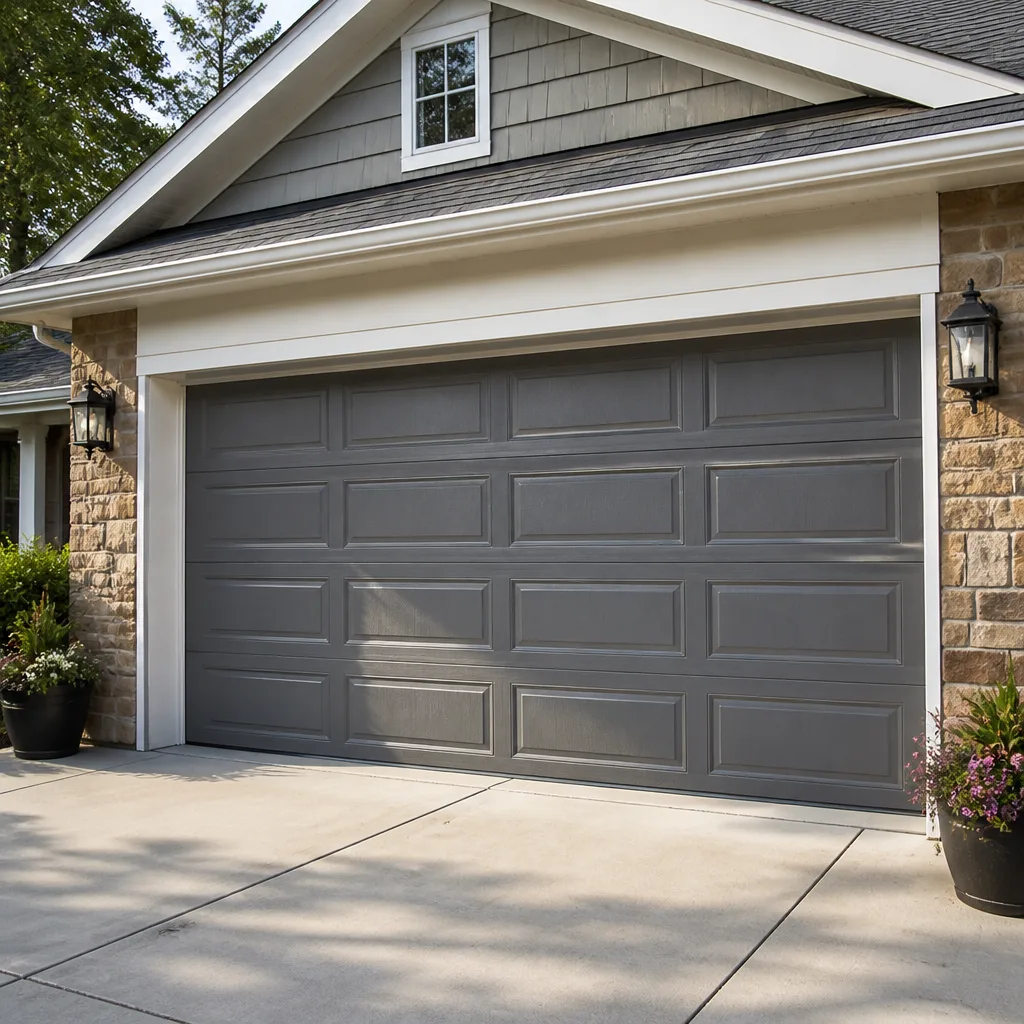 Raised-panel steel
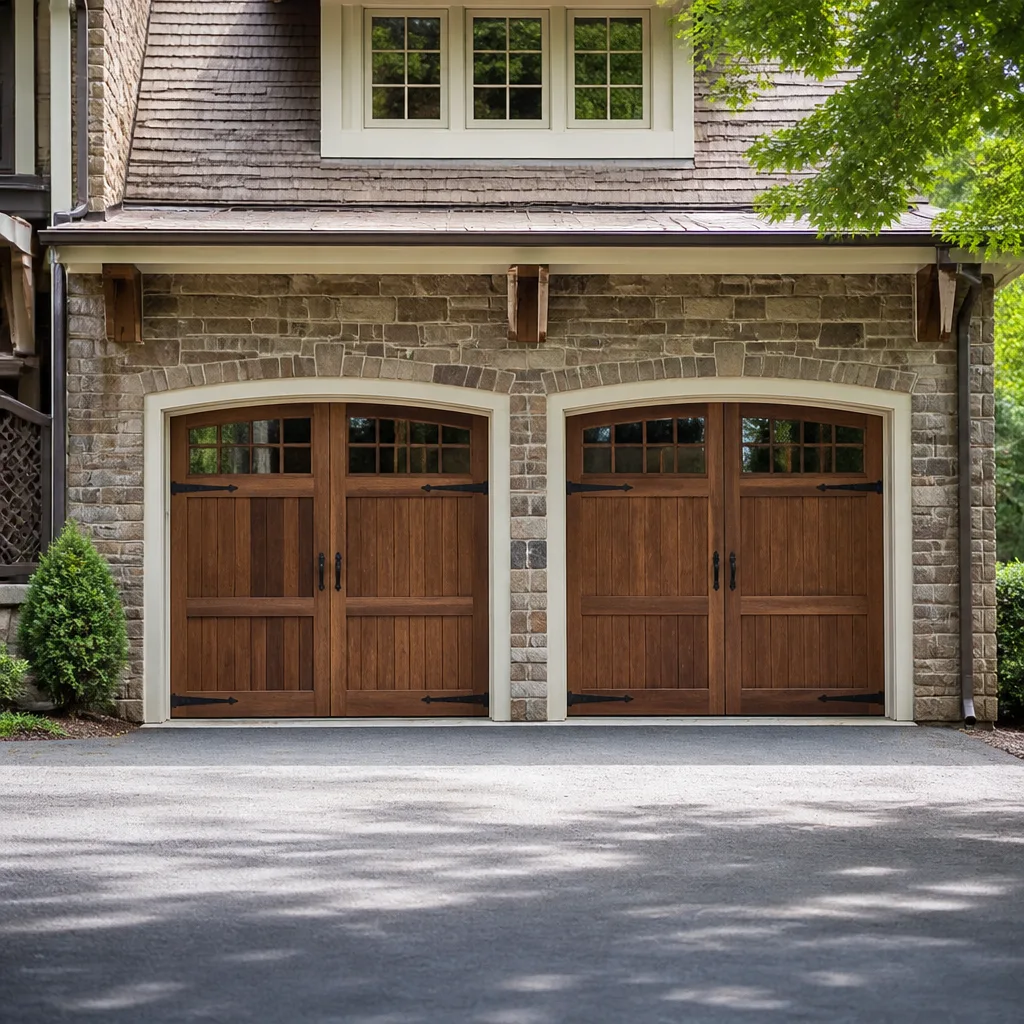 Carriage house
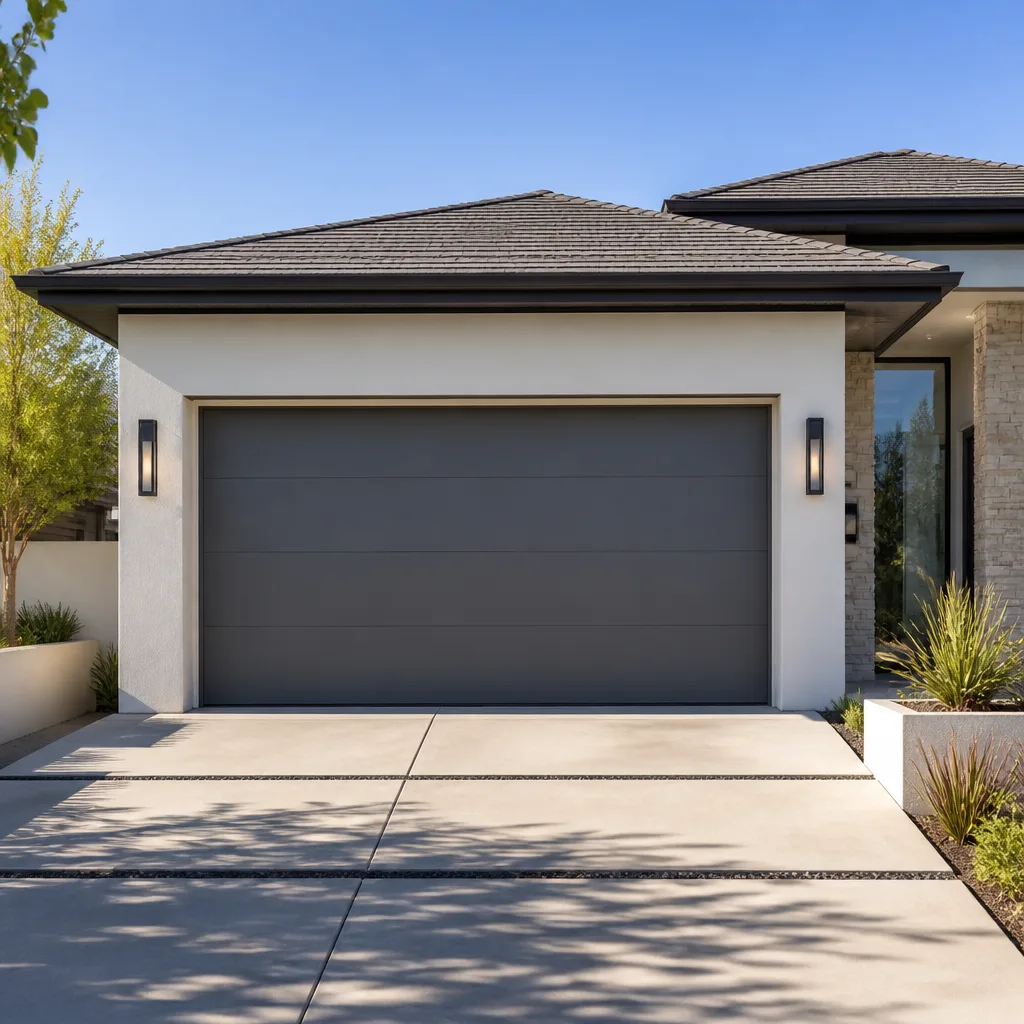 Modern flush
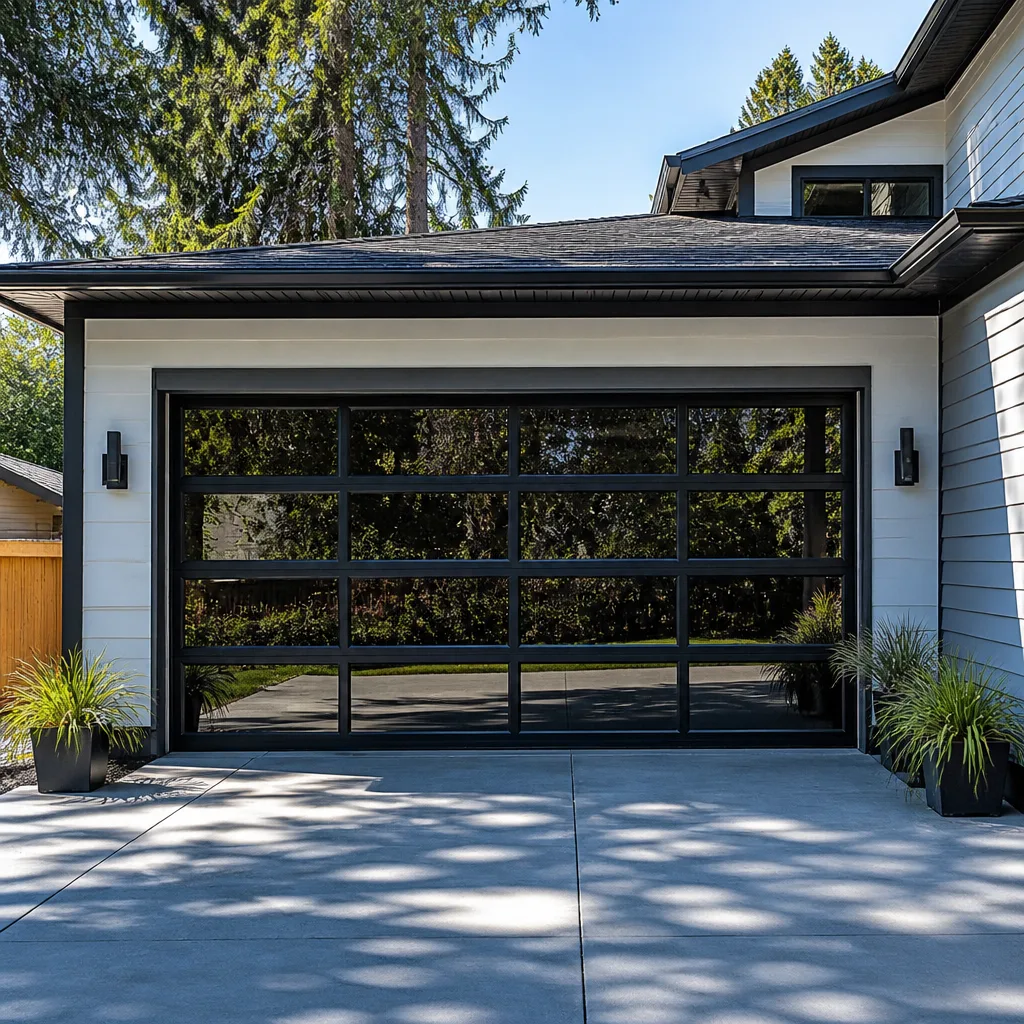 Full-view glass
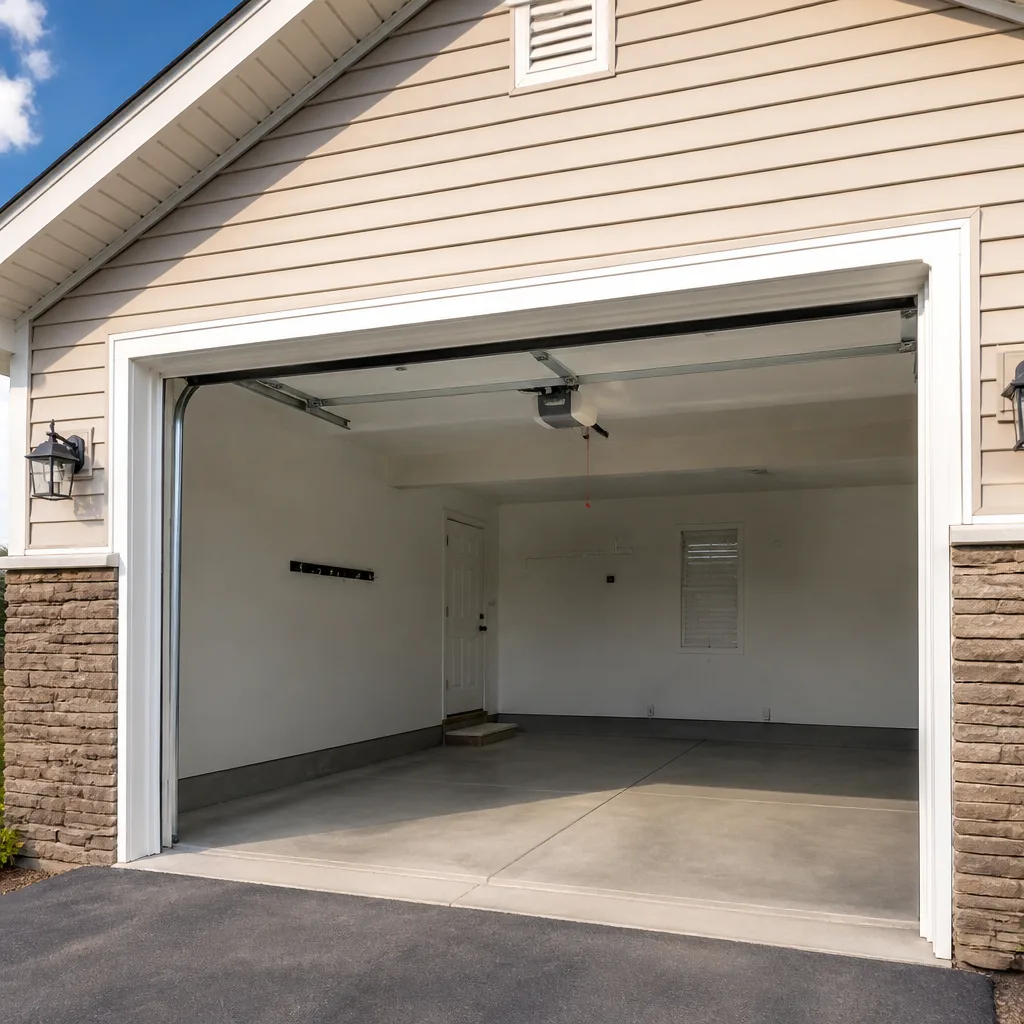 LiftMaster openers
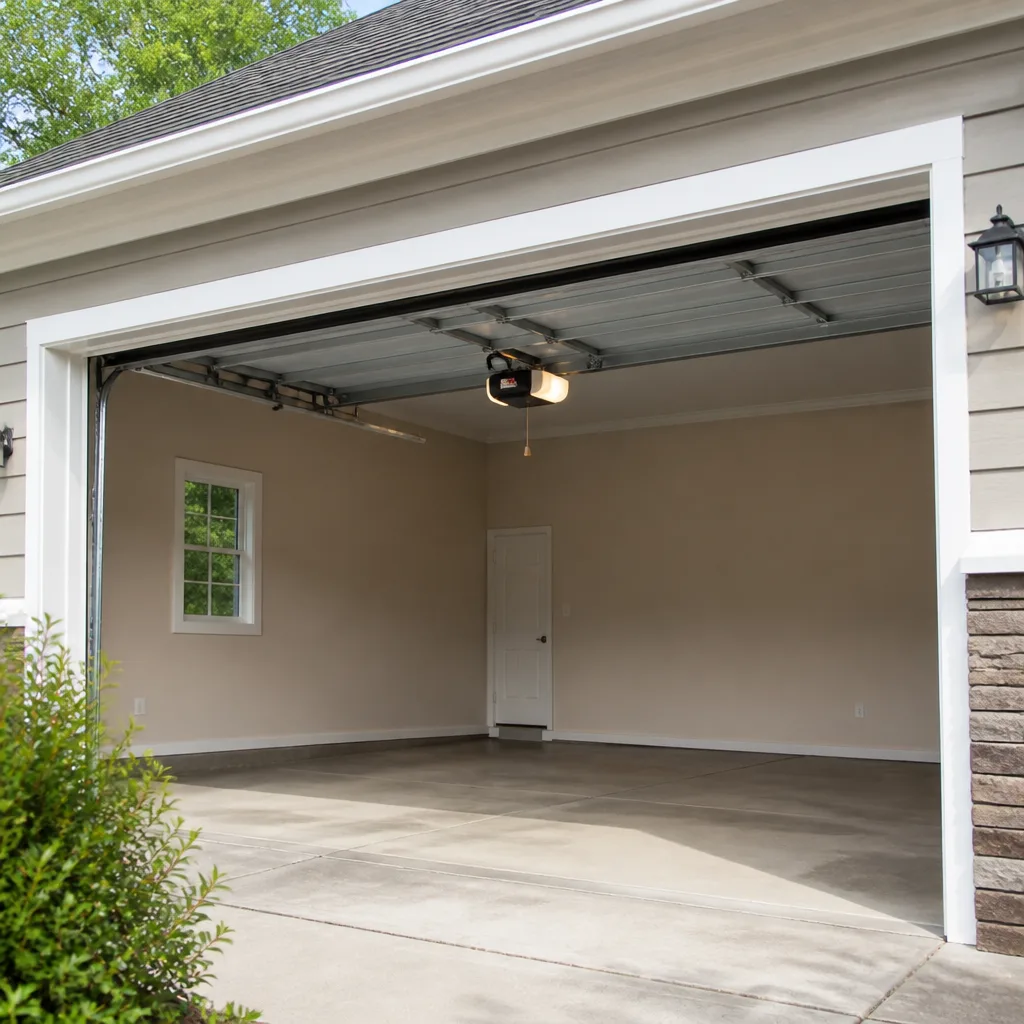 Chamberlain openers
Full 25-point door and opener safety check with every visit - springs, cables, rollers, tracks, and your LiftMaster or Chamberlain opener included
You get a price before we start. It does not change when the pro arrives.
Get your free estimateThe Complete Guide to Garage Door in Boulder City
Boulder City is one of the only cities in Nevada that still reviews exterior changes for architectural compatibility, and that single fact upends most of what a generic garage door guide will tell you. Homeowners order a door online, get it delivered, and only then learn that the municipality has design standards covering material, color, and window style. Boulder City sits at the edge of the Mojave, where summer heat radiating off a concrete driveway can push surface temperatures well past what the manufacturer’s spec sheet assumes. This guide covers how the Historic District rules work, why some doors fail faster here than anywhere else, what’s actually in stock in the region, and how to spend your money once instead of twice.
Quick Answer
For most Boulder City homes, the right door comes down to three things: a design that clears the municipal standards for your district, a material that survives 110°F-plus heat without warping, and an installation sized correctly for the structure of an older slab-on-grade house. Get those three right and the door lasts. Skimp on any one of them and you’ll be back at the same decision in a few years.
Styles & brands we work with
- Raised-panel steel
- Carriage house
- Modern flush
- Full-view glass
- LiftMaster openers
- Chamberlain openers
Table of Contents
- How Boulder City Design Standards Affect Your Door
- Why Heat and Radiant Driveway Load Warp Doors Here
- Choosing Materials: Aluminum, Steel, Wood, and Composite
- Water Hardness and Weatherseal Longevity
- Part Availability: What’s Regional and What Takes a Week
- Single-Car vs. Double-Car Load on Older Homes
- Openers, Springs, and the Components That Carry Weight
- A Seasonal Routine for Boulder City Doors
How Boulder City Design Standards Affect Your Door
The surprise usually arrives at the permit counter or the first neighborly conversation after the wrong door is on the wall. Boulder City maintains residential design standards, and in the Historic District those standards carry real weight. The guidelines exist to protect the character of a city that was purpose-built in the 1930s, and they do influence what you can put on the front of your house.
What the standards touch most often:
- Color. Bright-shock colors and high-gloss finishes that fight the surrounding palette tend to draw comments. Muted earth tones, warm grays, and the classic whites and creams fit with less friction.
- Material appearance. Rustic or carriage-house styling, raised panels in a traditional pattern, and wood-look finishes read as compatible. High-tech modern glossy panels read as out of place.
- Window and lite configuration. Multi-pane inserts and the shape of the glazing matter more in the historic zones than the visible-from-the-street quality of a plain steel door does.
- Scale. A door whose proportions fight the house’s front elevation can be flagged even when the color and finish are correct.
The most practical move is to confirm before you order. Call the city, get the standards for your specific property, and match the door to them. That takes twenty minutes and saves the cost of swapping a door that was never going to pass. When we quote a new door in Boulder City, the first question we ask isn’t about price. It’s whether the district has been checked.
Why Heat and Radiant Driveway Load Warp Doors Here
Boulder City summers run to 110°F and beyond, and the local twist is what comes up off the driveway. A concrete slab bakes all day and then radiates that heat straight at the lower half of the door for hours after the air temperature has peaked. Manufacturer ratings assume ambient air. In our experience they don’t fully account for the radiant load from a sun-facing driveway at close range.
What that produces:
- Hollow-steel doors warp. A single-layer steel door with no insulation has thin panels that heat unevenly. Over two or three summers, the bottom section bows and starts to bind on the track.
- Cheap aluminum gets noisy and loose. Aluminum won’t rust, but lightweight sections flex under heat expansion. Screws back out, hinges wear, and the door develops a rattle that wasn’t there before.
- Wood needs attention here. Solid wood doors are beautiful and compatible with the standards, but low humidity pulls moisture out of the wood and opens seams. A wood door in Boulder City needs a finish refresh every couple of years, not every ten.
- Weatherseal goes brittle. The rubber at the bottom and around the frame hardens faster than in a milder climate. A seal that should last five years can crack at three.
The fix is choosing a door built for the environment rather than one built for the average. Insulated door sections with a bonded backer hold their shape through the heat cycles. Clopay and Amarr both build insulated residential lines that handle the radiant load without the panel flex you get from thin single-layer steel. If a door was installed here a decade ago and is only now starting to bind, heat is the first thing to suspect.
Choosing Materials: Aluminum, Steel, Wood, and Composite
The material question is really three questions running at once: what survives the heat, what clears the design standards, and what you’re prepared to maintain. Ranked by how they hold up in Boulder City specifically:
- Insulated steel. The most common and the most forgiving. Two-layer or three-layer construction holds its shape, resists the heat cycles, and comes in a range of colors and panel styles that fit the local palette. The finish can be repainted or refinished down the road.
- Composite and fiberglass. Wood-look composites carry the historic aesthetic without the ongoing finish work. Good for homeowners who want the look and don’t want the upkeep.
- Aluminum. Won’t rust, but the light-gauge versions flex. If you go aluminum, spend the money on a heavier-gauge frame and section built for full-size residential use.
- Wood. The natural choice where the standards are strict, and the maintenance-heavy one. The finish needs refreshing every couple of years to survive the low humidity.
Wayne Dalton and Amarr both build paneled lines that fit the historic look without requiring real wood. Genie, Chamberlain, and LiftMaster openers pair with any of the above. What we don’t recommend is ordering a door from an online marketplace without confirming the district standards. That’s the fastest path to paying twice for one door.
Water Hardness and Weatherseal Longevity
Boulder City water runs hard, and that affects a garage door more than most homeowners realize. Mineral deposits build up wherever water sits or drains along the door. The section of the door that quietly suffers is the bottom seal and the frame weatherstripping, which are the parts that keep the dust and the summer heat out of the house.
What the minerals actually do:
- They dry onto the rubber seal and harden it, cutting short the life of a seal that should otherwise last five years.
- They collect on the metal threshold along the floor and can start surface rust on the bottom panel where the finish is thin.
- They lodge in the weep holes and drain channels, then hold water against the door base.
A garden hose rinse along the threshold and bottom seal every few months is the cheapest maintenance there is. Wipe the seal down after you rinse it so the minerals don’t dry back onto it. Budget for a bottom seal replacement every three years or so, which is shorter than a manufacturer’s spec would predict but consistent with what we find on the doors we service around town.
Part Availability: What’s Regional and What Takes a Week
Parts availability is where a city this size creates real practical differences. Boulder City is close enough to the Las Vegas valley that regional supply matters. Some parts are stocked in Henderson warehouses and turn around fast. Others have to be ordered, and that means a wait measured in days.
What’s typically quick to source:
- Standard residential torsion springs and extension springs
- LiftMaster and Chamberlain belt-drive and chain-drive openers
- Common rollers, hinges, and bottom seals
- Basic angle steel and track components
What often takes longer:
- Specialty historic-style door sections from Amarr, Clopay, or Wayne Dalton in a specific color or window configuration
- High-lift or custom-track garage doors
- Proprietary openers not handled by the regional distributors
- Older Craftsman and Raynor parts where the model is no longer in current production
This is the strongest practical argument for keeping a stocked service truck on a repair call. A broken spring is a same-day, sometimes same-hour job when the spring and the tools are already on board. A broken custom door section is a measured and ordered job, and it’s going to be a wait. We tell homeowners which one they’re facing before anyone picks up a wrench.
Single-Car vs. Double-Car Load on Older Homes
Many Boulder City homes date to the 1930s through the 1960s, and a lot of them are built on a slab-on-grade foundation. The garage door opening in those homes carries different structural demands than what you find in a newer build, and the difference matters most when it’s time to replace the door.
What to watch on older homes:
- The header over a double-car opening. A 16-foot opening puts roughly twice the load on the header above it that an 8-foot single-car opening does. On older homes, the header build quality needs checking before a heavier new door goes up. A modern insulated door weighs more than what came out in 1950.
- Track and jamb alignment. Slabs settle. A settled slab can throw the track out of plumb, and a new door on an out-of-plumb track will bind within a season.
- Spring sizing. Older single-car doors were often balanced for a lighter door. Put a heavier door on the old spring setup and the spring fails fast.
- Anchoring. The side jambs on a concrete-block garage in an older part of town may not take modern anchor fasteners the same way a wood-framed garage does.
A proper measure visit catches all four of these before the door is ordered. This is the reason we don’t quote a replacement price over the phone without seeing the opening. The price for the door is one thing. The price for a door that fits your structure is the only number that matters.
Openers, Springs, and the Components That Carry Weight
The door is the part people see. The parts that do the actual work are the opener, the springs, and the cables. On any Boulder City door, these are the components that fail first and the ones where professional work matters most.
A few things worth understanding:
- The spring carries the weight. The opener only lifts. The opener is not built to lift a door on its own. When a spring fails, the opener is suddenly lifting the full weight of the door, and it will not do that for long.
- Belt-drive runs quieter than chain. In a house where the garage shares a wall with a bedroom, a belt-drive opener is worth the extra cost.
- Battery backup is standard on newer code-compliant openers. Useful when the power goes out in the summer.
- Regular opener service is cheap insurance. A seasonal tune-up catches spring wear, roller failure, and track misalignment before they become a repair bill.
High-tension torsion springs and cables are the genuinely dangerous part of any garage door. The spring is under enough tension to cause serious injury if it lets go while someone is working on it. This is not a job for a homeowner with a YouTube tutorial. If you’re hearing a snap, seeing a gap in the coiled spring, or the door slams down hard, call for a service visit and leave the door alone until someone trained takes a look. Our Garage Door Repair in Boulder City page covers the common failures in more detail.
A Seasonal Routine for Boulder City Doors
A garage door in Boulder City needs a few small checks each year. Do them and you’ll get the full lifespan out of the door. Skip them and you’ll be calling for a repair that was preventable.
- Spring and fall, after the temperature swing. Walk the full travel of the door by hand and listen for grinding or popping. Feel for a door that wants to bind or feels heavier than it used to.
- Before summer. Rinse the bottom seal and threshold with a garden hose to clear mineral buildup. Wipe the seal dry.
- Before summer. Check the spring balance. Raise the door halfway by hand. It should hold itself there. If it drops, the spring is losing tension.
- Twice a year. Lubricate the rollers, hinges, and the spring shaft. A light silicone spray is fine. Don’t use grease on the tracks.
- Annually. Test the opener’s safety reverse by placing a 2×4 flat on the ground in the door’s path and running the door down. It should reverse on contact.
- Annually. Look at the weatherstripping around the frame. Cracked or hardened stripping is a heat-and-dust leak.
A seasonal tune-up catches the problems early. The $89 Seasonal Tune-Up we offer is built around exactly this list. It’s cheaper than a repair bill and it’s the reason so many of the doors we service here run quiet for years. If your annual check uncovers something you can’t confirm, a free second opinion on any written estimate is available.
Common Mistakes to Avoid
- Ordering a door before checking the district standards. Boulder City reviews exterior changes, especially in the Historic District, and a door ordered without that confirmation can fail and have to be swapped. The door itself is typically non-returnable.
- Buying on price alone. The lowest bid on a door replacement is usually the one that skips the measure visit or the header check. Both come back as repair bills on your side.
- Lifting a door on a broken spring. The opener is not built to carry the door’s weight. Running it on a failed spring burns out the opener gear and motor, and it’s unsafe while the door is unbalanced.
- Ignoring the bottom seal. A cracked seal lets in the summer dust and the heat. On a hard-water city, the seal degrades faster than you’d expect, and the fix is cheap if you catch it early.
- DIY spring work. Torsion springs carry tension that can cause serious injury. This is the single most dangerous repair on a garage door and the one that most often sends homeowners to the emergency room.
- Using a lightweight aluminum door on a sun-facing driveway. The heat cycling flexes the section and the door starts to rattle. On a full-sun Boulder City driveway, spend the extra money on insulated steel or a heavier composite.
- Skipping the measure visit. A double-car door replacement on an older slab-on-grade home needs the header and track alignment checked first. A phone-quoted price without that check is not the real price.
See the difference
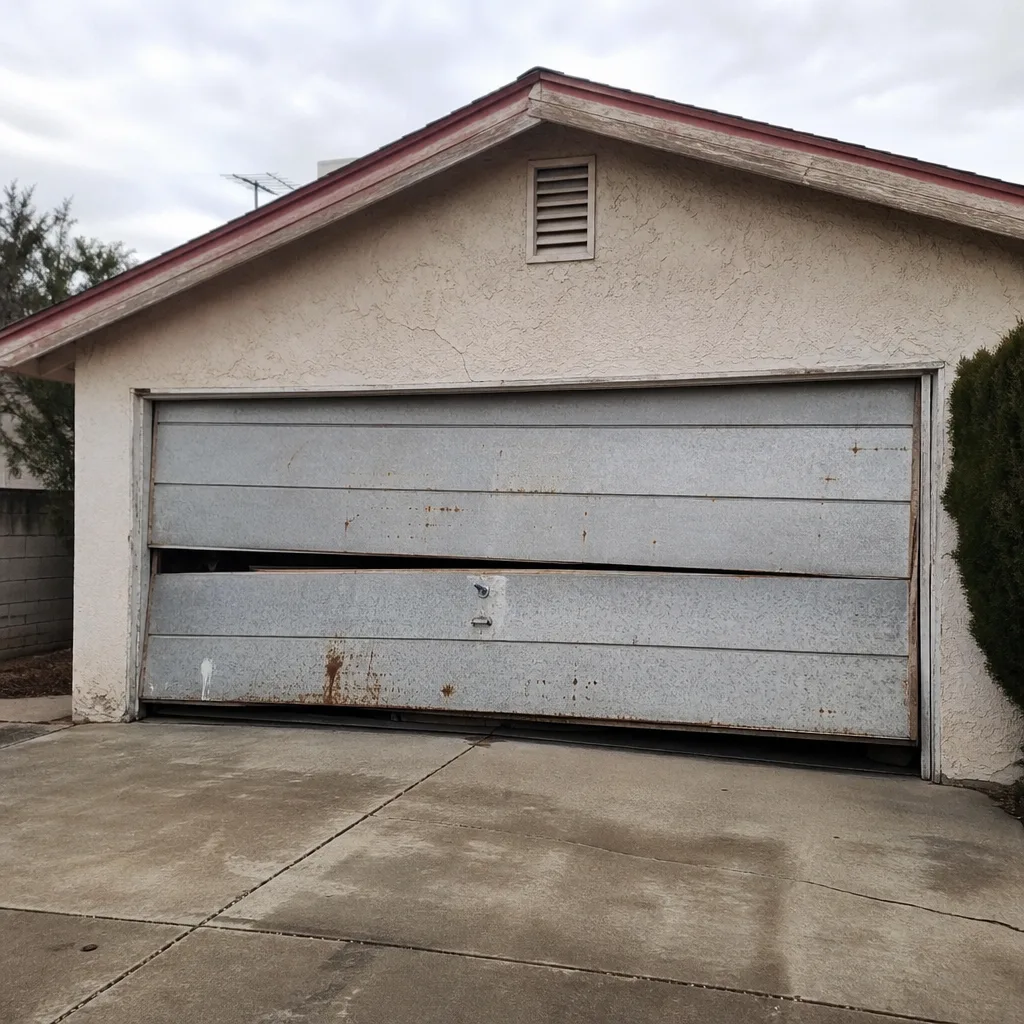 Before
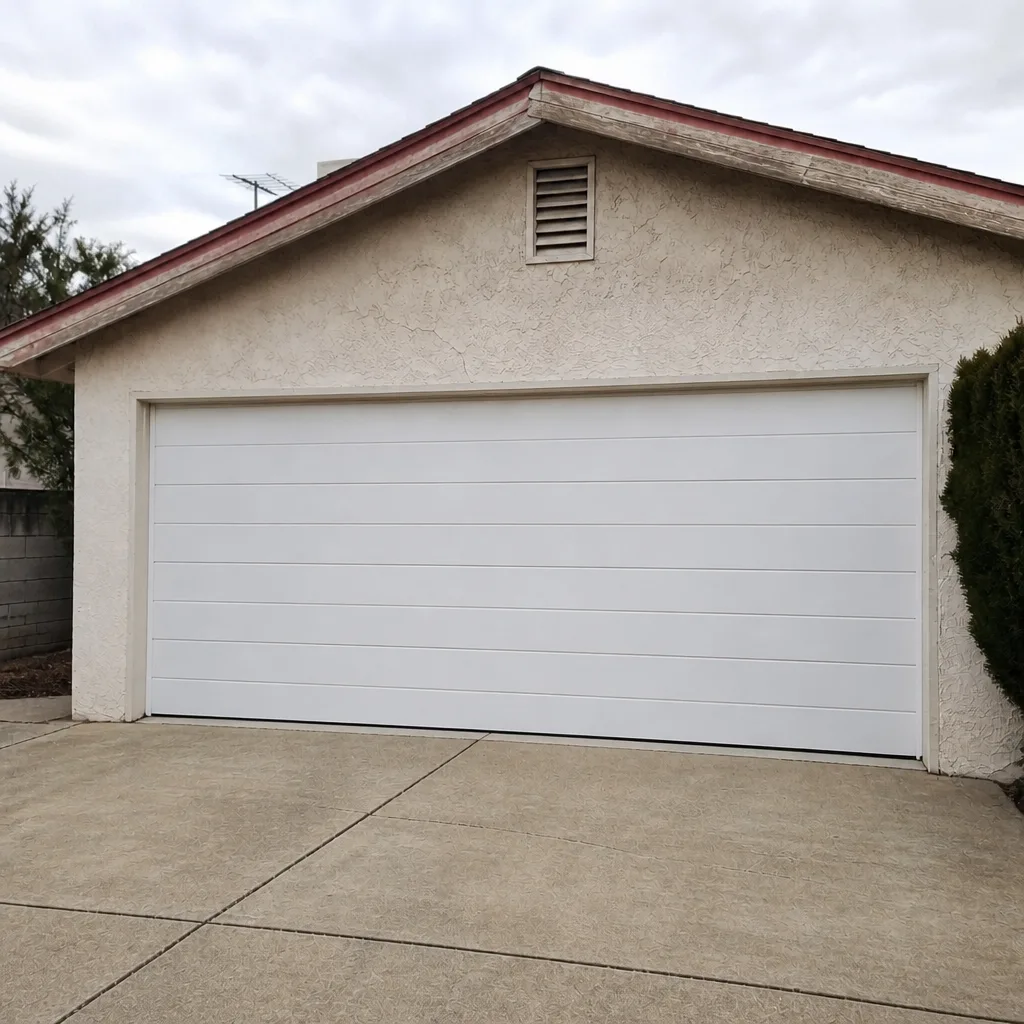 After
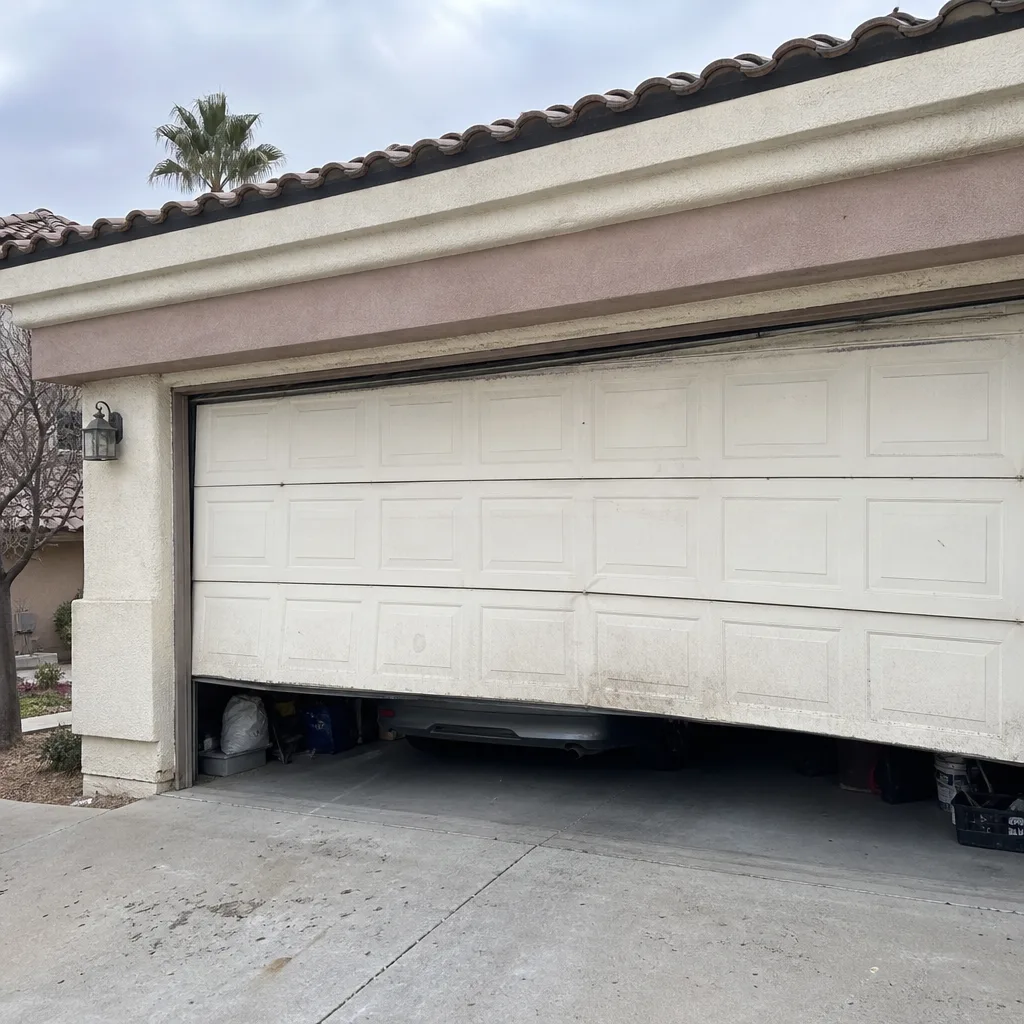 Before
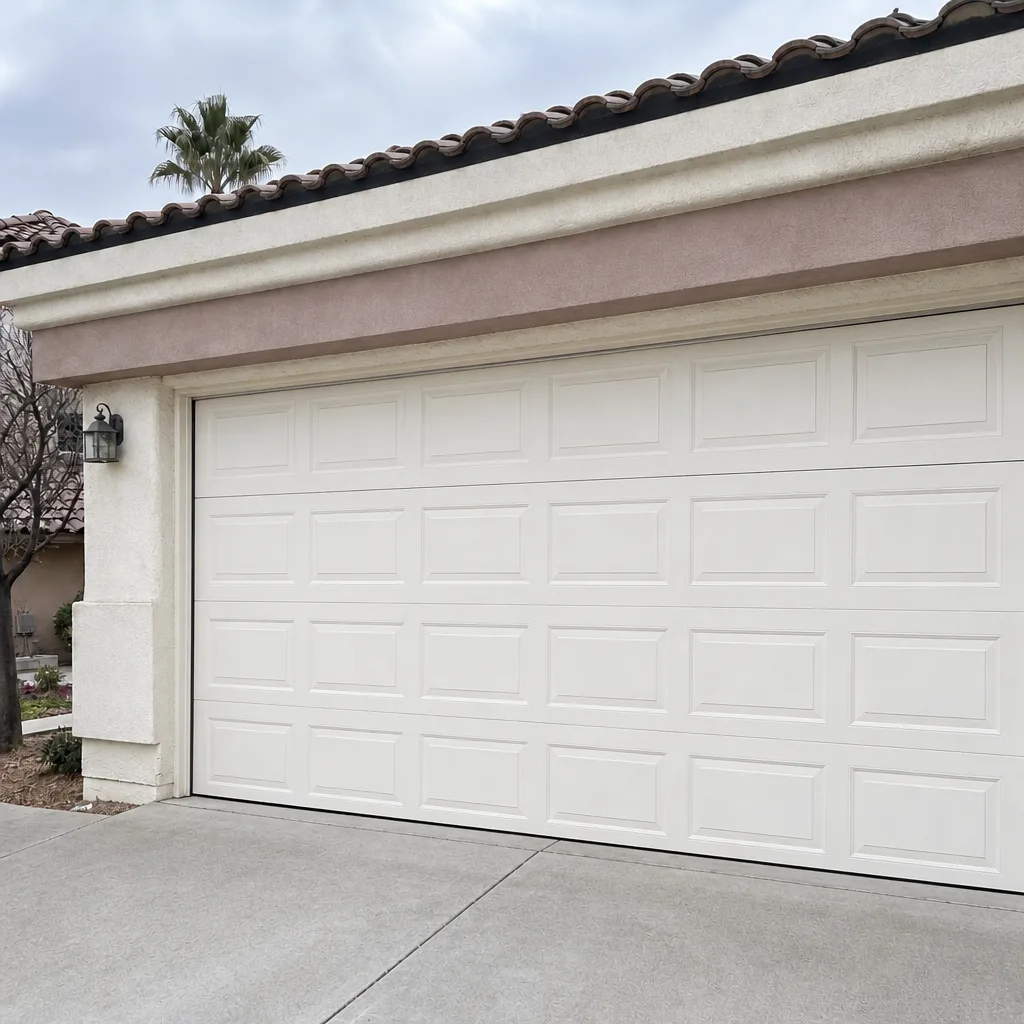 After
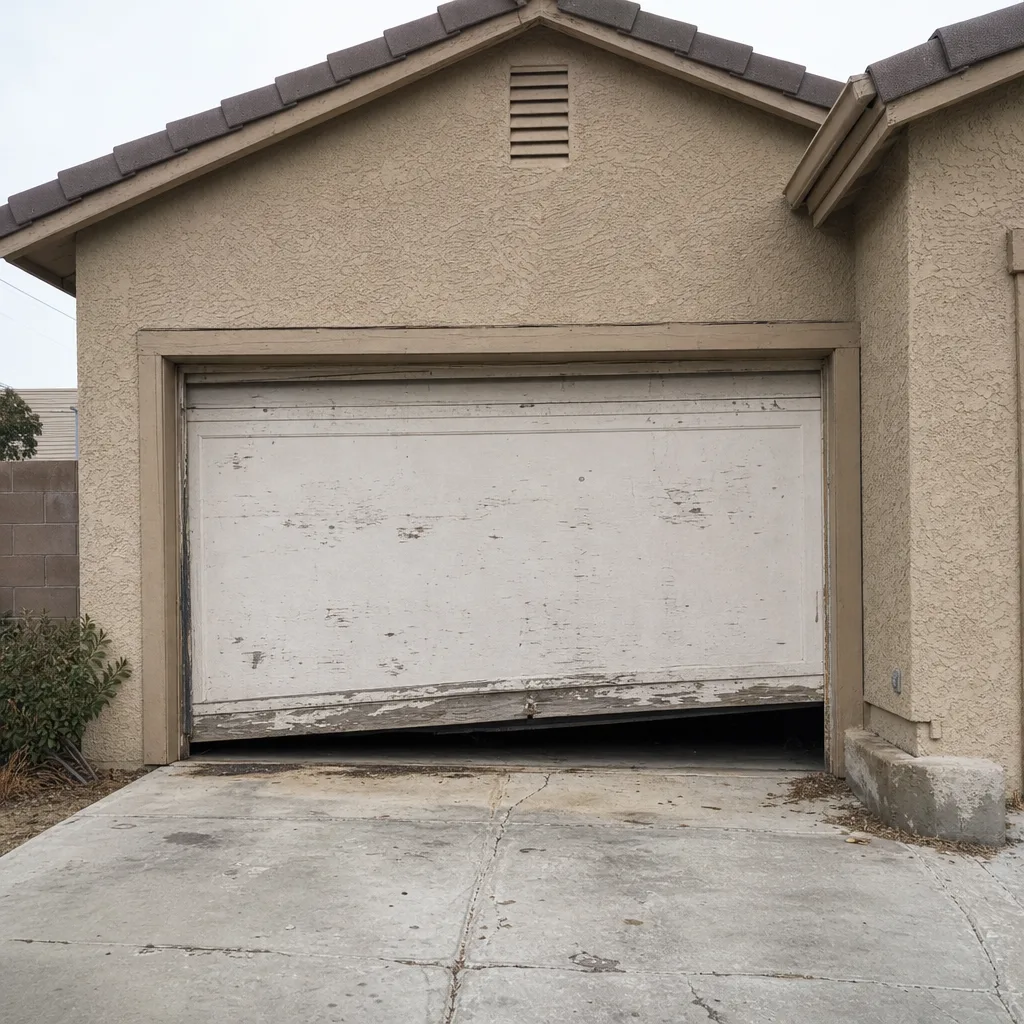 Before
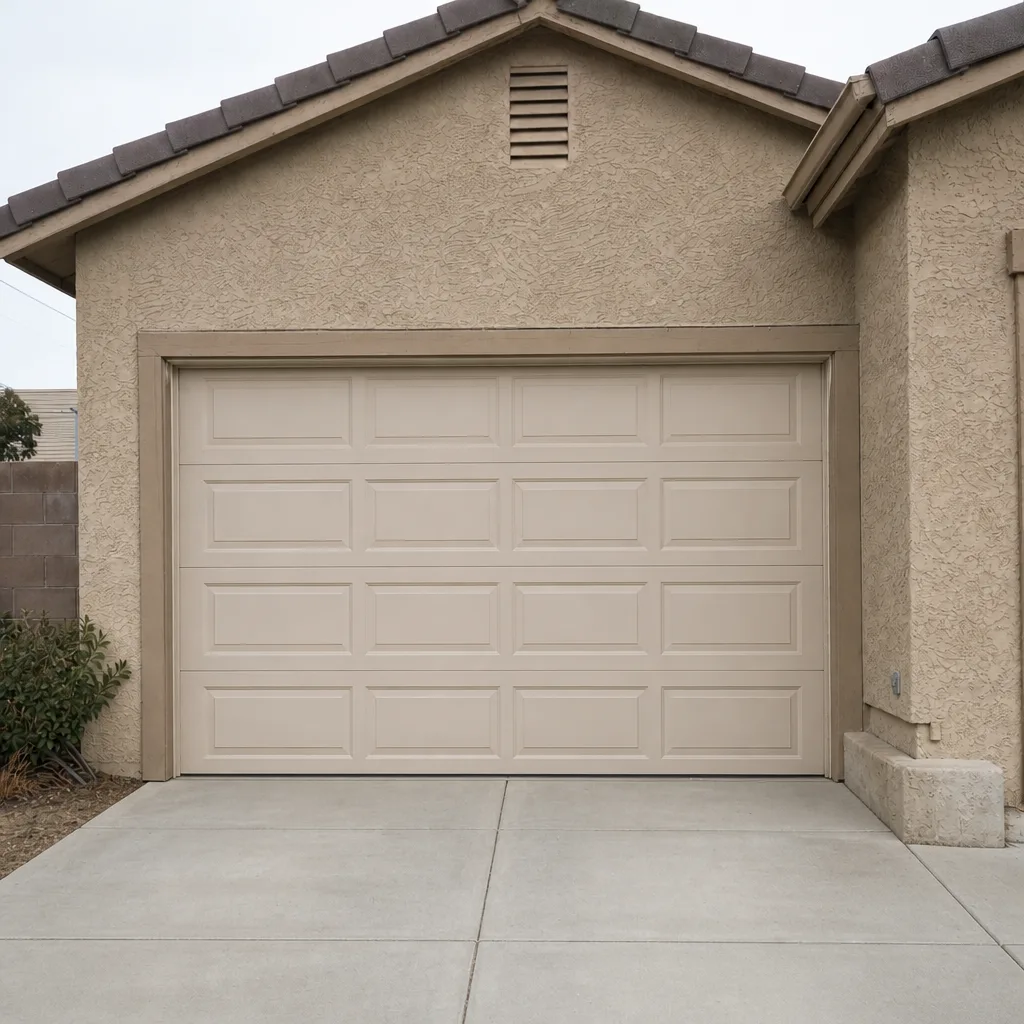 After
When to Call a Professional
Some garage door work belongs in your own hands: the hose rinse, the lubrication, the annual safety-reverse test. Some does not. Call for help when the door won’t reverse, when you hear a snap from the spring, when the door comes down unevenly, when the opener runs but the door doesn’t move, or when the door has visibly come off the track. Springs, cables, and openers under load are professional work, full stop. For a full replacement on a Boulder City home, the first step is a measure visit and a written price, not a phone quote. Mainspring Garage Door Co. Boulder City offers free estimates in Boulder City. Call (833) 605-8582. New door installation and replacement is scheduled, not same-day, so expect a measure and a written price before any work is ordered. Our Garage Door Installation in Boulder City page has more on how a replacement runs.
Frequently Asked Questions
Yes, in most cases. Boulder City reviews exterior changes, and the Historic District and residential design standards apply to material, color, and window style. Confirm the standards for your specific property with the city before you order the door. The door itself is usually non-returnable, so the check matters.
Insulated steel holds up best for most homes, with composite as a strong second for a wood-look finish that fits the historic look. Aluminum and thin single-layer steel both flex under the radiant heat off a sun-facing driveway. Wood is beautiful and compatible but needs its finish refreshed every couple of years in our low humidity.
Common repairs here start around $150 and run up to a few hundred dollars depending on the part. A seasonal tune-up is $89. A spring replacement is on the higher end because of the weight and tension involved. The price is quoted and agreed before any work starts, so the number on the bill is the number you were told. Call (833) 605-8582 for an exact quote.
For a repair or emergency we aim to be out the same day, and our phones are answered by a live person 24/7, including nights, weekends, and holidays. New door installation and full replacement are scheduled jobs, not same-day. Call (833) 605-8582 and we’ll tell you what’s realistic for your situation.
No. The price is quoted and agreed before any work begins. If the scope turns out to be different from what was quoted – a bent track discovered under a worn roller, for example – we tell you before we touch anything and you decide. Every job is also backed by the 90-Day Done Right Promise, in writing, so if it isn’t right we come back.
No. Torsion springs carry tension strong enough to cause serious injury, and this is not a job for a homeowner with a tutorial. Leave the door down, keep people and pets clear, and call a professional. Call (833) 605-8582 and we’ll get a technician out with the right spring on the truck.
The Bottom Line
A garage door in Boulder City is not a commodity purchase. The municipal design standards shape what fits your district. The summer heat and the radiant load off a sun-facing driveway shorten the life of the wrong door. Hard water eats the bottom seal. Parts availability in the region determines how long a repair takes. Older slab-on-grade homes put different structural demands on a replacement than newer builds do. Get all four right and you replace the door once. Get one wrong and you pay for it twice. Our Garage Door Opener in Boulder City page covers the component side in more detail, and you can always start from the Mainspring Garage Door Co. Boulder City home page. For a free estimate on any repair, tune-up, or replacement, call (833) 605-8582. We’ll tell you straight what the door needs and what it costs before we touch it.
Written by the team at Mainspring Garage Door Co. Boulder City.