
Last updated November 18, 2026
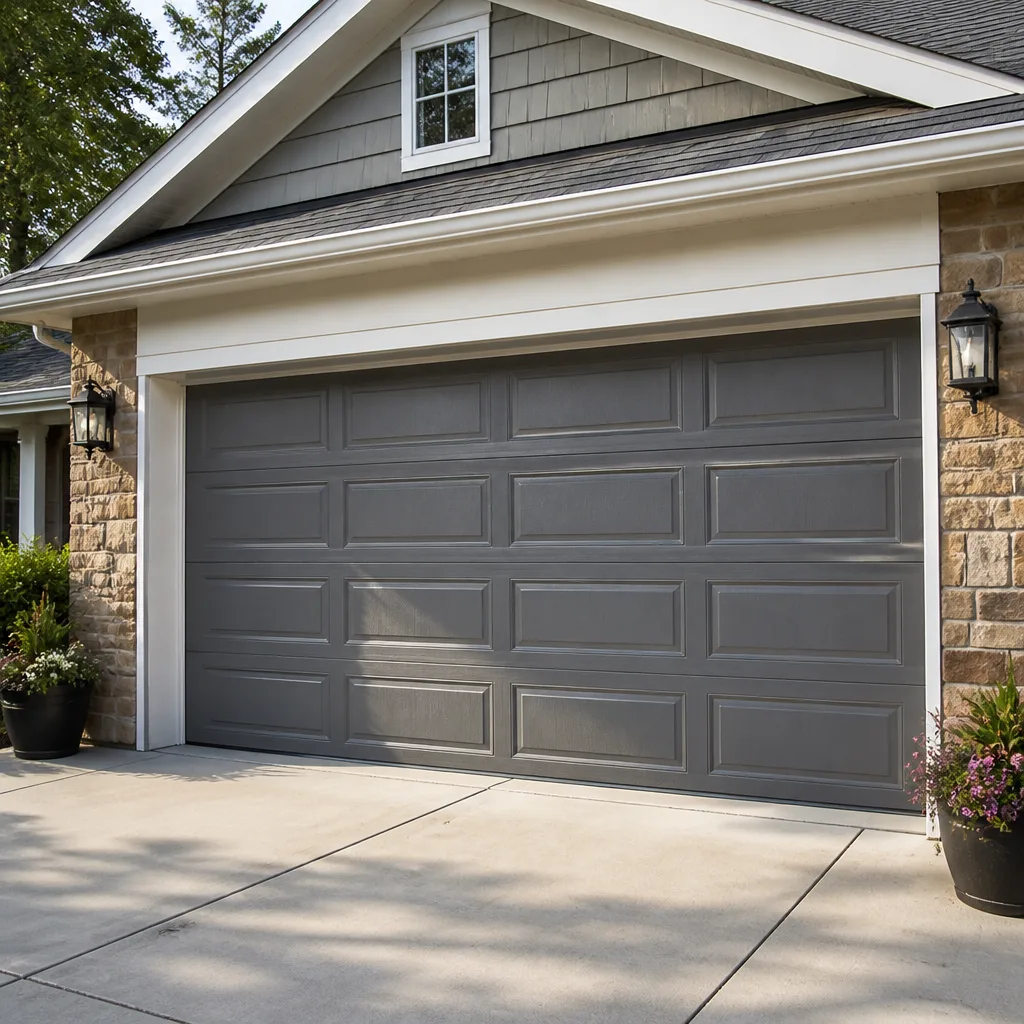 Raised-panel steel
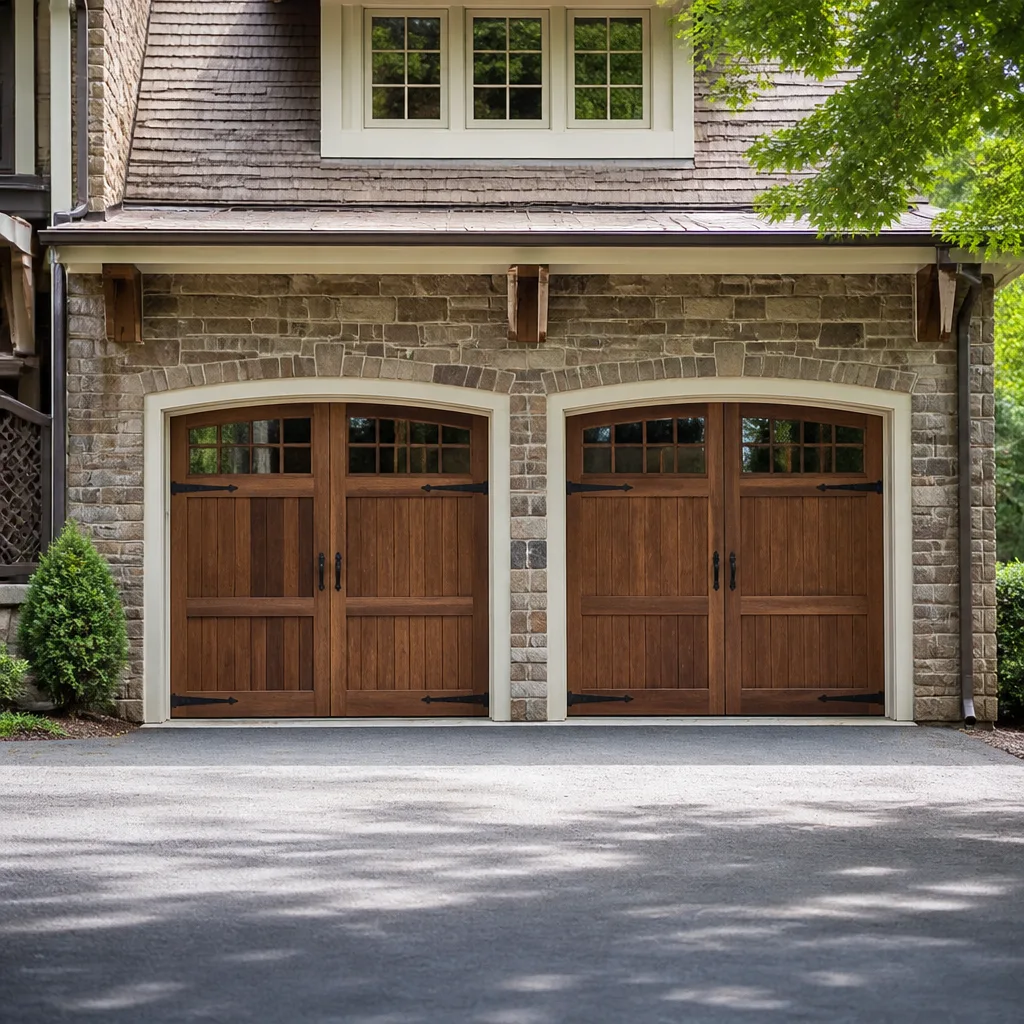 Carriage house
 Modern flush
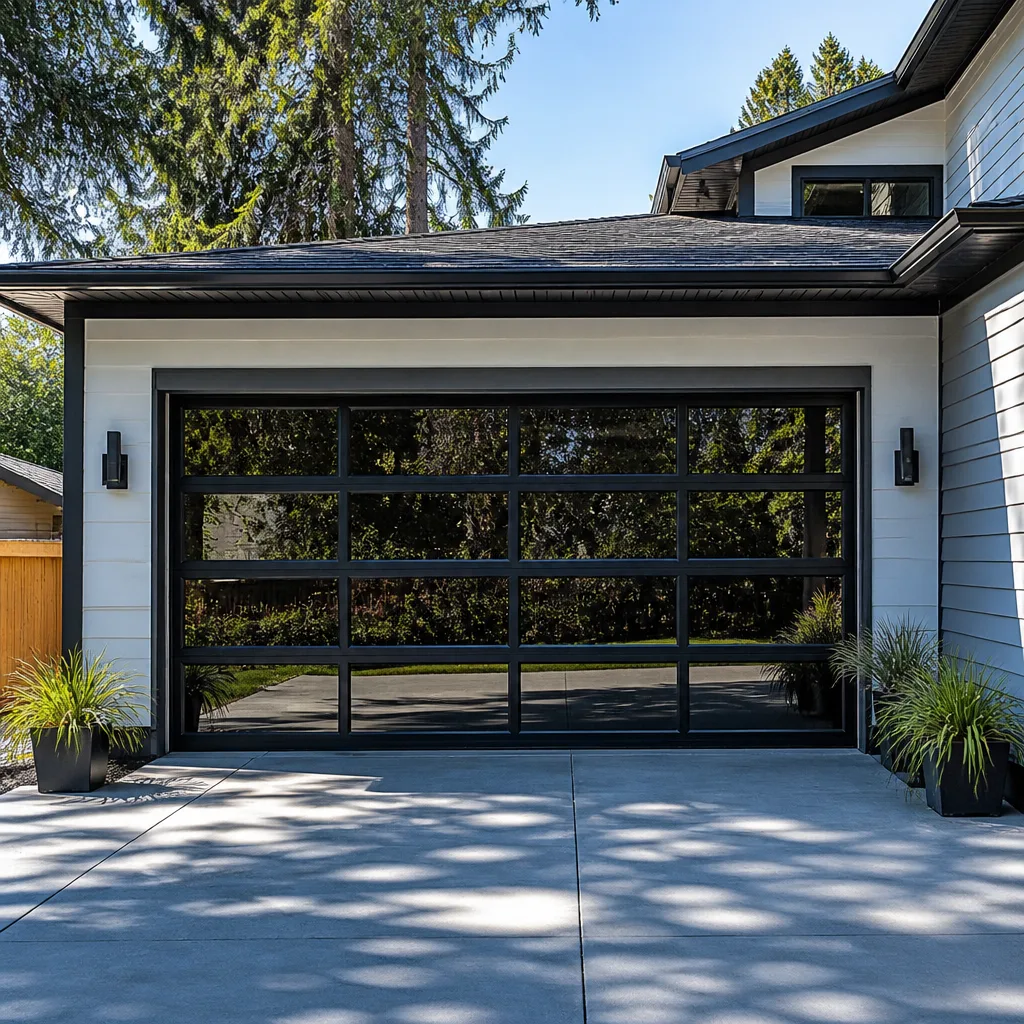 Full-view glass
 LiftMaster openers
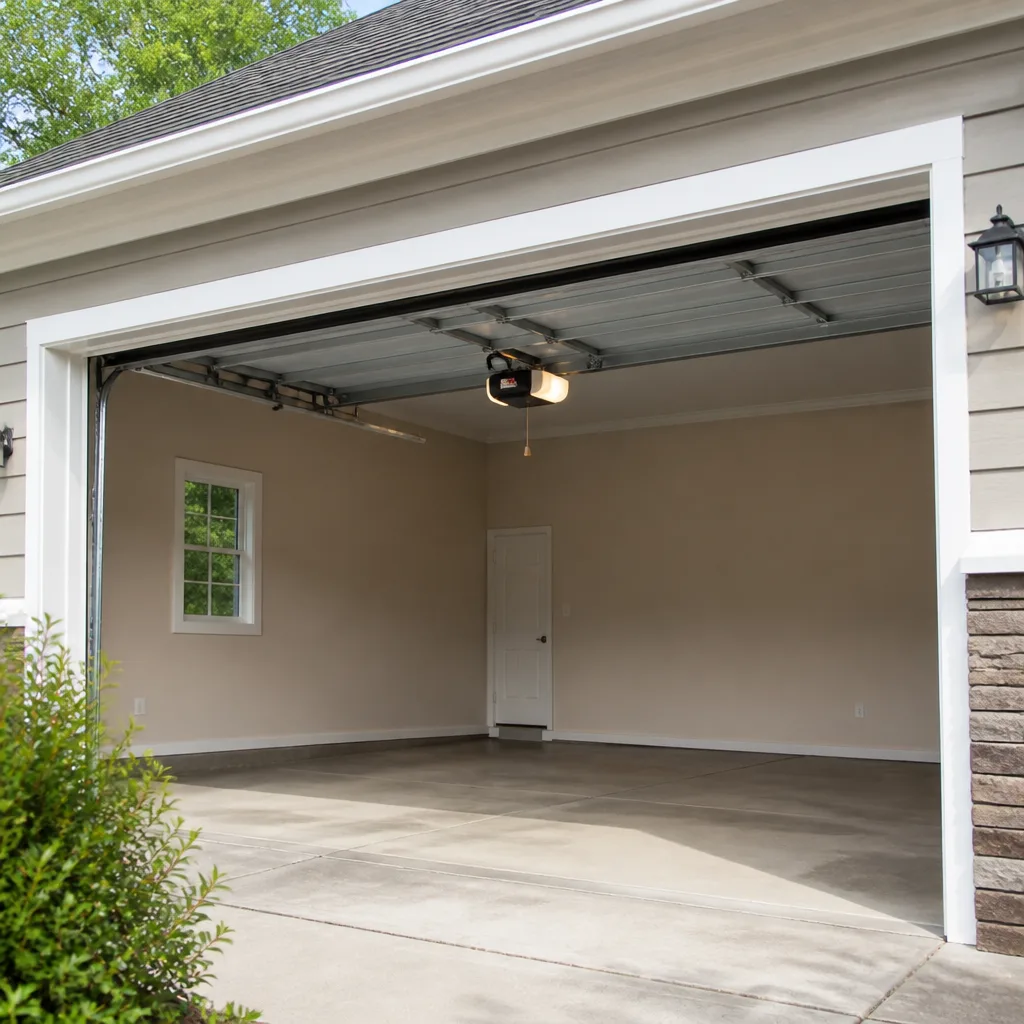 Chamberlain openers
Full 25-point door and opener safety check with every visit - springs, cables, rollers, tracks, and your LiftMaster or Chamberlain opener included
You get a price before we start. It does not change when the pro arrives.
Get your free estimateDIY vs Professional Garage Door Repair: What’s Safe to Do Yourself
A torsion spring under normal load stores roughly 100 to 200 foot-pounds of torque. That’s the energy of a small engine held in check by a steel rod the thickness of a pencil. When a homeowner miscalculates a single winding turn, the spring doesn’t politely bend. It releases, and the winding bar becomes a projectile that travels through drywall, ladder rungs, and whatever else is in its path. That’s the part most DIY guides skip. This guide draws the line clearly: which garage door tasks you can safely handle, which ones require training and professional tools, and how to check your own work in Boulder City when you’re done.
Quick Answer
Sensor alignment, lubrication, and testing the manual release are safe for most homeowners to do themselves. Torsion spring work, cable replacement, and bottom-bracket removal are not, because those components store enough force to cause serious injury even when you’re careful. Everything in between depends on the tools you own and whether the fix touches a load-bearing part. When in doubt, a free estimate costs less than an emergency room visit.
Styles & brands we work with
- Raised-panel steel
- Carriage house
- Modern flush
- Full-view glass
- LiftMaster openers
- Chamberlain openers
Table of Contents
- Why Garage Door Repair Is Different from Other Home Repairs
- Safe to Do Yourself: the Low-Risk Tasks
- Off-Limits: the Three Jobs That Require a Professional
- The Physics, Plainly Explained
- The Hidden Cost of a “Free” DIY Repair
- How to Verify Your Repair Held: Three Checks
- What to Tell a Technician After a DIY Attempt
- Common Mistakes to Avoid
- When to Call a Professional
- Frequently Asked Questions
Why Garage Door Repair Is Different from Other Home Repairs
A garage door is the largest moving object in most homes. It’s also one of the few that stores energy continuously. A torsion spring on a standard single-car door can carry a load equivalent to lifting several hundred pounds, held in place by a few square inches of hardened steel. Cable tension runs the same continuous load across pulleys no thicker than your finger.
That’s why “I’ve done plumbing, I can do this” doesn’t hold. Plumbing fails at atmospheric pressure. A garage door fails under stored energy, and the failure happens in milliseconds. We’ve seen the aftermath in Boulder City homes where a homeowner tried to wind a spring with a screwdriver because the winding bars were on backorder. The door came down, the bracket bent, and the repair went from a tune-up to a full spring and cable replacement in the same afternoon.
Boulder City adds its own wrinkle. Afternoon heat pushes past 100 degrees through July and August, and springs in garages that face west lose tension faster than the manufacturer’s estimate. That heat cycling also makes cables brittle over time. If you’re going to work on your own door, you need to know it’s under more stress than the door your neighbor in a cooler climate owns.
Safe to Do Yourself: the Low-Risk Tasks
These jobs don’t touch a load-bearing spring, cable, or bracket. Most homeowners can handle them with common tools and a stepladder. None of them require winding bars or special spring tools.
- Safety sensor alignment. The photo-eye sensors on each side of the door track need to face each other at the same height. Loosen the wing nut, adjust, retighten. Ten minutes.
- Lubrication. A few drops of garage door lubricant on hinges, rollers, and the torsion bar bearings (not the spring itself) keeps things quiet. Twice a year is plenty.
- Manual release testing. Pull the red cord with the door closed, then lift. If the door opens by hand with one hand and stays put when you let go halfway, the balance is correct. If it drops, the spring tension is off – stop and call.
- Track cleaning and minor debris removal. Wipe the track with a dry cloth. Small leaves and grit build up fast in Boulder City dust storms.
- Weatherstripping replacement. The bottom seal wears out every few years. Prying out the old and pushing in a new one is a homeowner-friendly job.
- Remote battery swaps and wall button reseating. A dead battery or loose wire causes half the “my door won’t open” calls we get. Check that first.
If the repair on your list is on that bullet list, go ahead. If it isn’t, read on before you start.
Off-Limits: the Three Jobs That Require a Professional
These tasks are categorically off-limits for DIY. Not because homeowners aren’t capable of learning, but because the failure mode when something goes wrong is injury, not a leaky pipe.
1. Torsion spring replacement or adjustment
Torsion springs are wound under 100 to 200 foot-pounds of torque on most residential doors. That energy is released through the spring when the winding bars come out of the cone. If the set screws slip mid-wind or the bars aren’t seated fully, the bar becomes a projectile. Professional installers use two hardened steel winding bars, the correct diameter for the spring, and a winding sequence dictated by the spring manufacturer. There’s no shortcut.
2. Cable replacement
Cables run under the same continuous tension as the springs. A cable that snaps while your hand is near the drum can cut through flesh to the bone. Even after the door is down, cables under tension can uncoil in an unpredictable direction. This is one of the most dangerous jobs on the entire door.
3. Bottom bracket removal
The bottom bracket is what holds the cable to the door. It’s under load even when the door is closed. Removing the bracket without first releasing cable tension (using the proper procedure and the proper tools) can send the bracket and cable straight up through the door panel, the ceiling, or the person standing in front of it. These three are the “call a pro” jobs, full stop.
The Physics, Plainly Explained
Why aren’t springs and cables a matter of “being careful”? Because the energy isn’t something you can see. Think of it this way:
- The spring stores force, not motion. When you wind a torsion spring, you’re packing roughly the same energy as a bungee cord holding a car. It doesn’t look active. It is.
- The door weighs 150 to 300 pounds. Most of that weight is counterbalanced by the springs. Break the counterbalance, and gravity takes over instantly.
- Releasing the energy takes a fraction of a second. A slip during winding doesn’t produce a slow failure. It’s over before your hand can react.
- The winding bar is the projectile. It’s a solid steel rod, roughly 12 to 18 inches long. When the spring releases, the bar leaves at speed and does not care what’s in the way.
We’ve seen the results in Boulder City garages where the homeowner had already been careful for 30 years. Training isn’t about being careful. It’s about knowing the sequence so a slip can’t happen in the first place.
The Hidden Cost of a “Free” DIY Repair
A homeowner-performed repair that goes wrong rarely costs only the original part. It usually triggers a secondary failure that turns a $200 job into a $600 one. Here’s how the math tends to work:
- Parts warranty voided. Spring and opener manufacturers won’t cover a failure from incorrect installation. A $90 spring becomes a $90 loss.
- Secondary damage. A miswound spring takes out the cable, the drum, sometimes a door panel. Each is separate from the original problem.
- Opener strain. A door running with off-balance tension or wrong springs makes a LiftMaster or Genie motor work harder. Motors fail earlier than they should.
- Emergency premium. Doors that fail catastrophically at 9 p.m. on a Sunday cost more to repair than doors fixed the first time on a Tuesday afternoon.
- Insurance complications. Some homeowner policies exclude damage from “unpermitted mechanical work.” Check the fine print before you decide.
When we run a free second opinion on a homeowner’s written estimate, we routinely find that the “cheap” DIY path was the trigger for the whole repair. The honest math usually works out to the same number, minus the risk.
How to Verify Your Repair Held: Three Checks
If you did handle a safe-side repair yourself, run these three checks 24 hours later. They catch most failures before they become emergencies. Do them in daylight with the door in view.
- Run the door three times, top to bottom. Watch for jerking, hanging, or a door that hesitates at a specific height. A door that stutters at the same point each cycle has a balance problem.
- Listen to the opener. It should sound even, not strained. A Chamberlain belt-drive runs quiet and steady. Grinding, clicking, or a surge of labor noise means something’s binding.
- Do the manual release test again. Door closed, pull the cord, lift with one hand. If the door won’t stay at the halfway point, the balance is wrong and the door needs professional adjustment.
If any of those three fail, don’t run the door again until someone looks at it. Repeated cycling on a failing component speeds up the failure. If you want a quick review before the weekend, schedule a garage door repair in Boulder City and we’ll check the balance and tension in one visit.
What to Tell a Technician After a DIY Attempt
If you’ve already worked on the door and something’s not right, the most helpful thing you can do is describe what changed. That’s not a confession. It’s information a technician needs to make a correct diagnosis instead of starting from zero.
Here’s what we need to hear:
- What you attempted. Sensor alignment, spring winding, cable swap, opener reprogramming – say it plainly. Nothing we haven’t heard.
- What you used (if it wasn’t the correct part). A screwdriver in place of a winding bar tells us to expect spring deformation, not just tension drift.
- What the door did before and after. “It worked fine, then I adjusted X, and now it does Y.” The “before” is the diagnosis.
- What you heard. A single pop, a grinding noise, or a slow creak all point in different directions.
- The current symptom, not the original one. Whatever was wrong before matters, but the priority is what’s wrong now.
We’re factory-familiar with all the major brands – Chamberlain, Genie, Clopay, Amarr, and the rest – so a description of the door and opener model is enough to prep the truck for a single visit.
Common Mistakes to Avoid
- Using a screwdriver or pliers instead of proper winding bars. Two reasons this fails: the wrong tool can slip mid-wind, and it deforms the winding cone over time. Both lead to a spring failure that a proper tool prevents.
- Working on a loaded door while standing on a ladder. Half the spring injuries we hear about involve a fall, not just the spring. The door should always be down and untensioned before safe-side maintenance begins.
- Ignoring the second “thud” sound. If you hear a thud and then a second thud a minute later, the door has dropped – stop and call. Running the opener on a broken spring bends the door panels and can damage the motor.
- Reprogramming a Genie or Chamberlain opener before checking sensors. Nine out of ten “opener failed” calls turn out to be a misaligned sensor or dusty photo-eye. Clean and align first; reprogram second.
- Waiting until the door won’t close. A door that closes unevenly, slows near the top, or reverses on its own is telling you a spring or cable is losing tension. Wait and it becomes an emergency repair in Boulder City heat.
- Buying springs from an online marketplace. Cycle ratings vary widely by manufacturer and door weight. A cheap replacement spring can fail inside a year and void whatever was left of the original warranty.
When to Call a Professional
Call a professional if any of these is true: the torsion spring is broken or sagging, the door came down and won’t lift by hand, a cable is visibly frayed or off the drum, the door hangs crooked at one corner, the bottom bracket looks deformed, or you hear any noise that didn’t exist before you started. Any of those point to a load-bearing component. Don’t wait for it to get worse. And if your opener is more than ten years old and the door runs heavy, the opener is likely doing work the spring should be doing. That’s a door problem, not an opener problem, and a garage door opener in Boulder City swap won’t fix it. Mainspring Garage Door Co. Boulder City offers free estimates in Boulder City. Call (833) 605-8582 and we’ll tell you whether it’s a homeowner job or a truck job. Every price is stated before any work begins, and most repairs are finished in a single visit because the truck carries the springs, cables, and openers we expect to need.
Frequently Asked Questions
No. Torsion springs store 100 to 200 foot-pounds of torque, and releasing that energy incorrectly can send a winding bar through anything in its path. Even careful homeowners lack the proper tools and the correct winding sequence. Spring replacement is a professional job, every time. Call (833) 605-8582 for a free estimate – we’ll quote a flat price before any work starts.
Sensor alignment, lubrication, manual release testing, weatherstripping, and remote battery swaps are safe for most homeowners. These don’t touch a load-bearing spring, cable, or bottom bracket. Anything that involves winding, cables, or the brackets under tension should go to a professional.
Usually, yes. Spring and opener manufacturers tie their coverage to correct installation. A repair that isn’t done with the right tools and sequence voids the part warranty, and sometimes the door’s as well. That’s the hidden cost of most DIY repairs – not the part, but the coverage you lose. Call for a free second opinion on any written estimate before you commit to a path.
It depends on what changed. A balance adjust after a homeowner mis-aligned a sensor might be a short service call. A miswound spring that damaged the cable and drum is a much larger repair. We quote the flat price before any work begins, so you know the number before we open the toolbox. Estimates in Boulder City are free.
Run the door three full cycles 24 hours later and watch for jerking, listen for grinding, and redo the manual release test. If the door hangs or drops at the halfway point, the balance is off and needs a professional adjustment. Any of those three failing means stop using the door until someone looks at it.
Yes, on most jobs. Our technicians are familiar with all the major brands – Chamberlain, Genie, Clopay, Amarr – and trucks carry the parts most jobs call for, so a single visit handles it. If the diagnosis isn’t certain on the phone, we schedule a visit where the technician can look at the door in person.
Repair work on an existing door generally doesn’t require a permit. Full door replacement sometimes does, depending on the scope and structural changes involved. That’s a question to ask before the work is scheduled, not after. When you call, tell us what’s changing on the door and we’ll point you in the right direction for a garage door installation in Boulder City if the answer turns out to be “replace it.”
The Bottom Line
The DIY-versus-professional question comes down to stored energy. Sensors, lubrication, and release checks are safe for most homeowners, and they’re the ones we recommend doing yourself. Springs, cables, and bottom brackets are not, no matter how careful or experienced you are – the failure mode is injury, and the tools are specialized. If you’ve already started a repair and something changed, describe it clearly to the technician. Whoever you call, ask for the flat price upfront, ask about a written warranty, and ask whether the parts they’ll use match your door’s weight and cycle rating. That’s the whole game. Mainspring Garage Door Co. is Mainspring Garage Door Co. Boulder City home for homeowners who want the answer stated plainly and the price stated first. Call (833) 605-8582 for a free estimate in Boulder City.
Written by the team at Mainspring Garage Door Co. Boulder City.
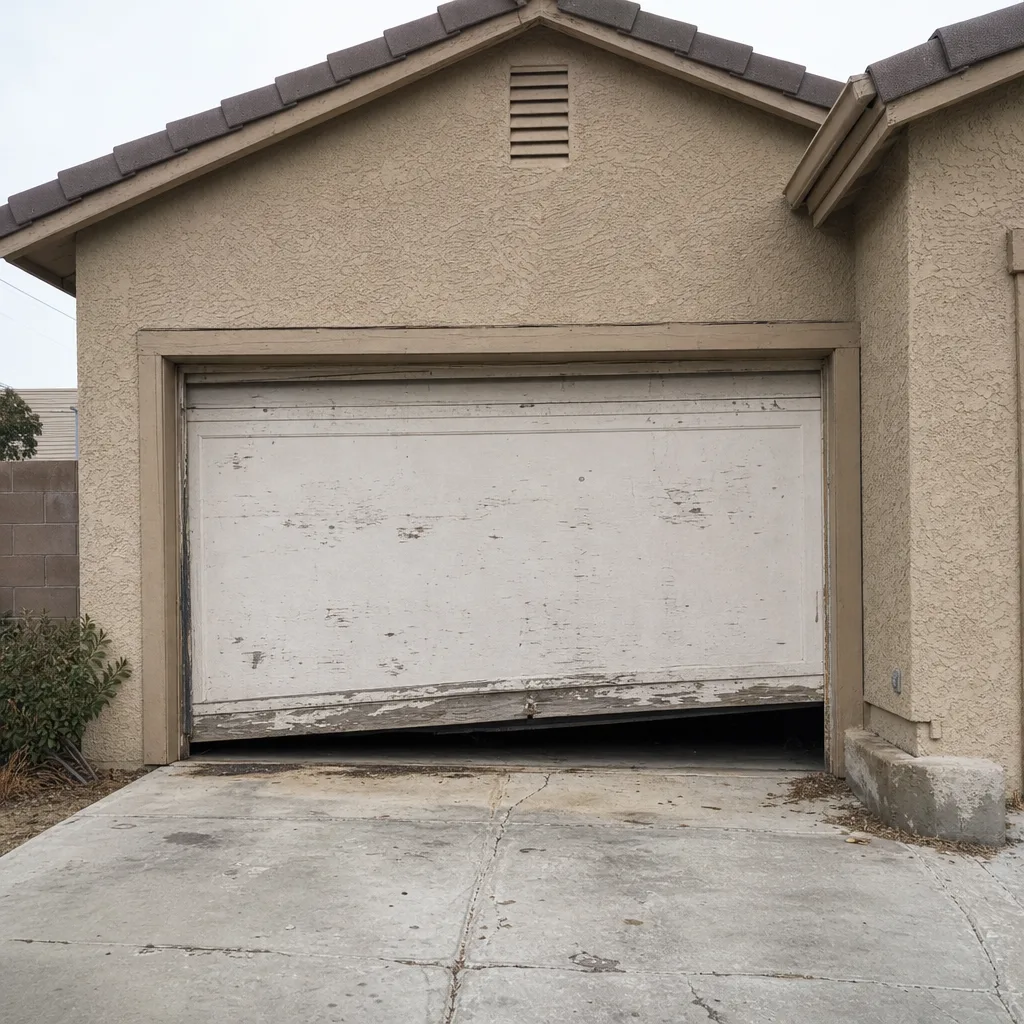
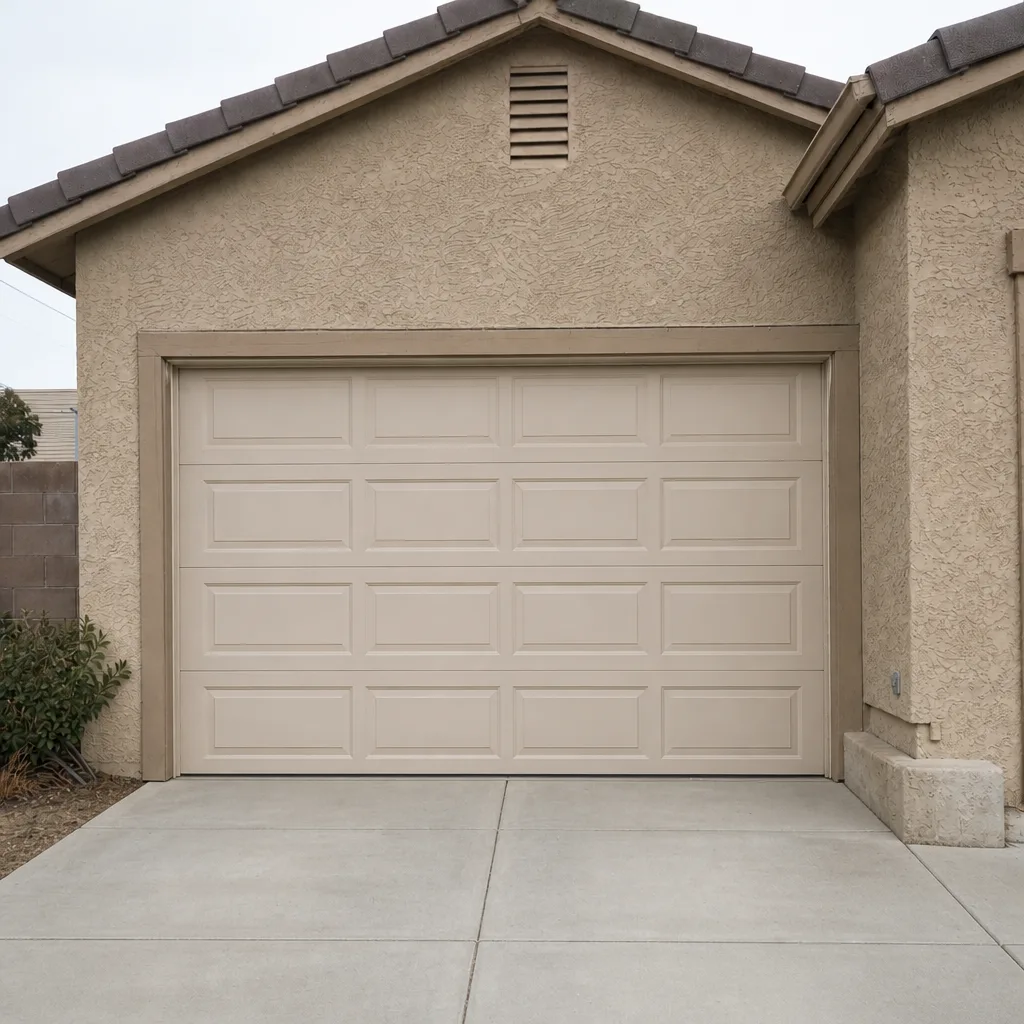
See the difference
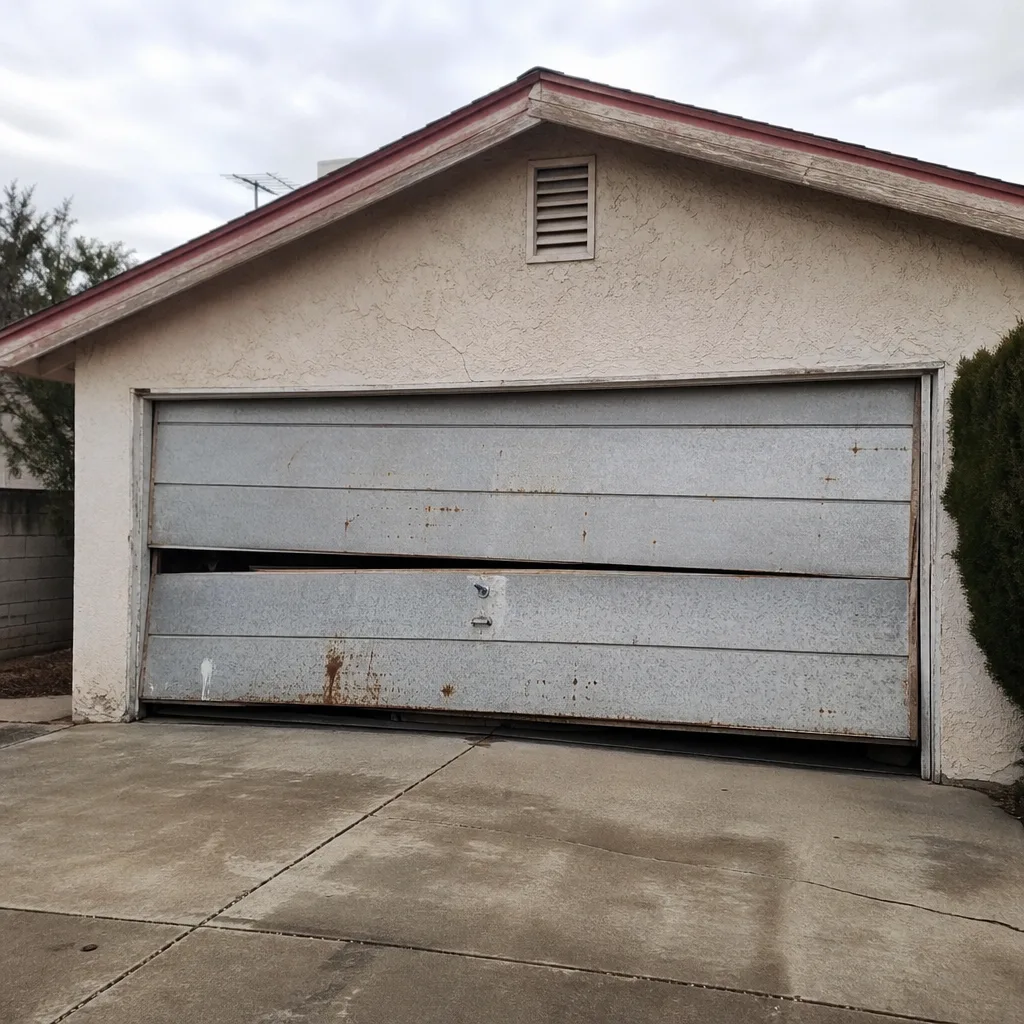 Before
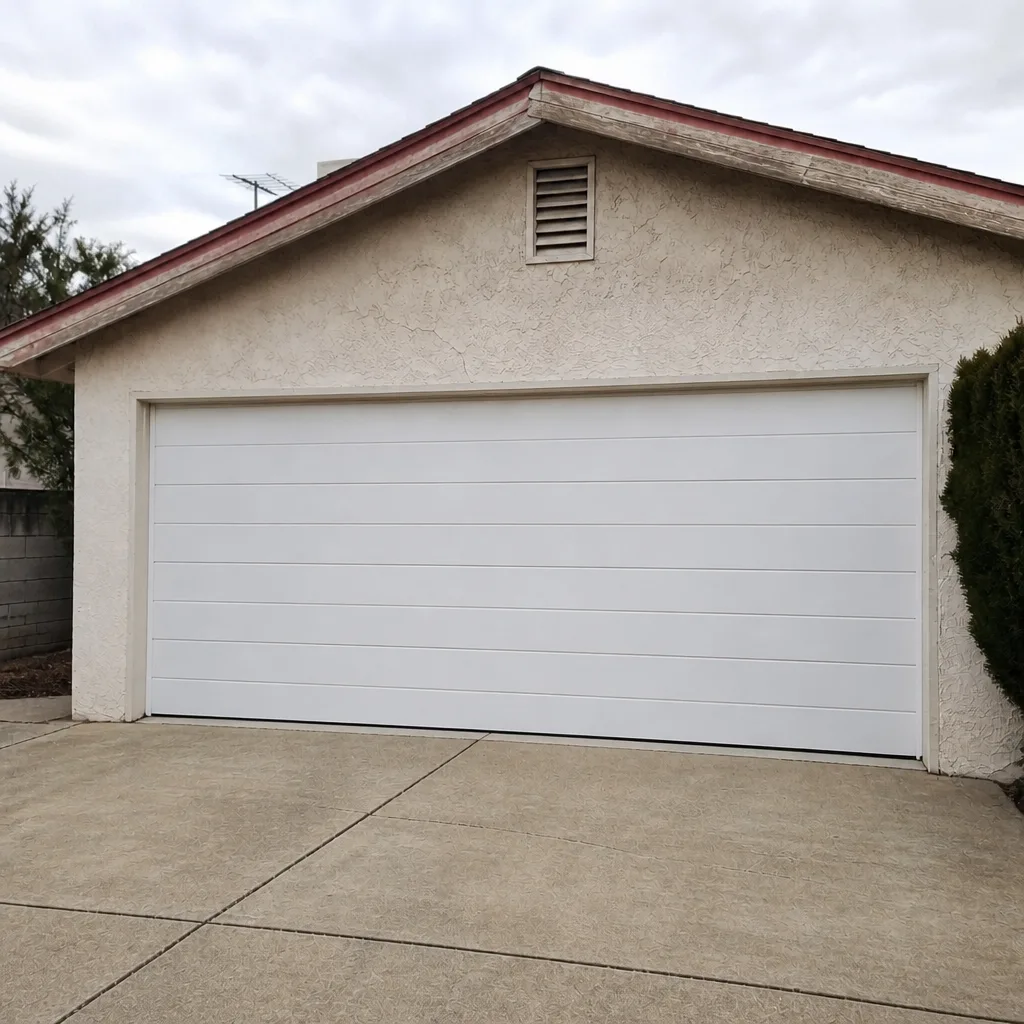 After
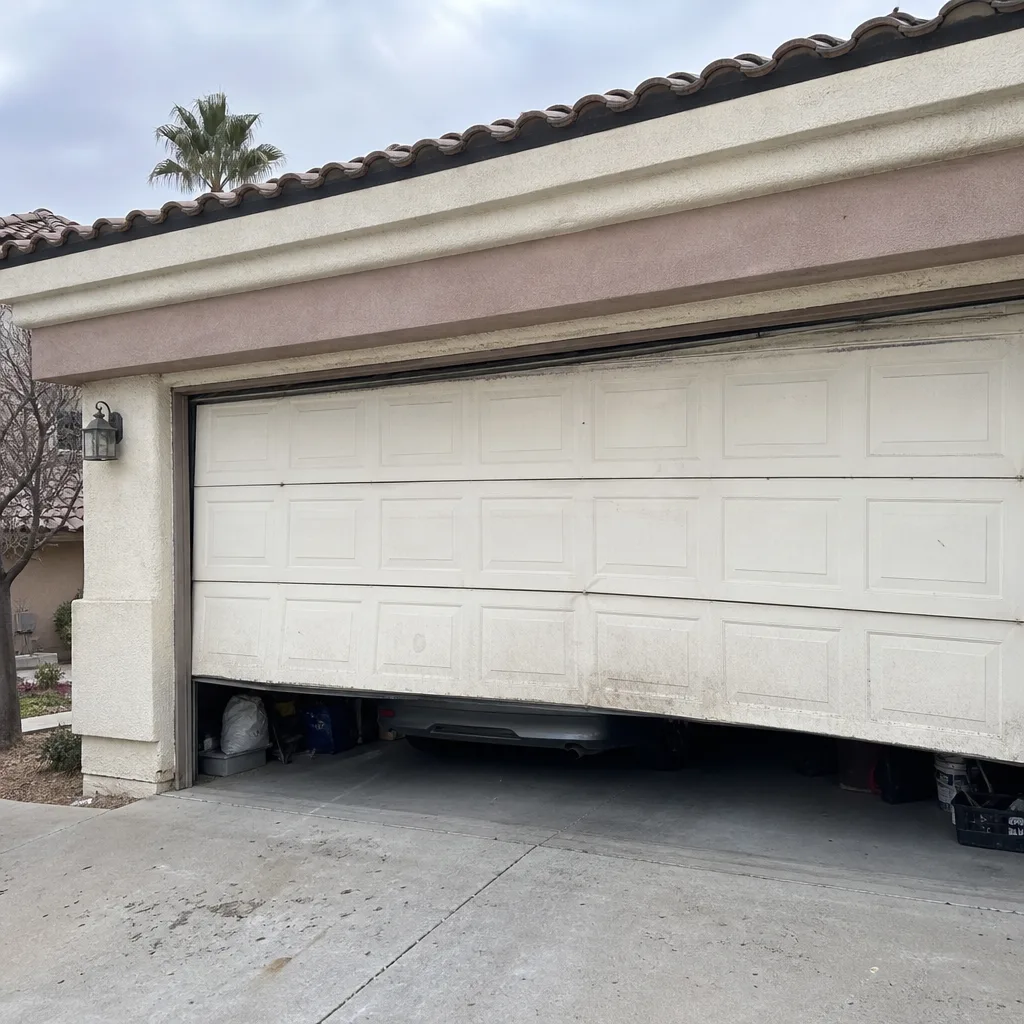 Before
 After
 Before
 After