
Last updated November 18, 2026
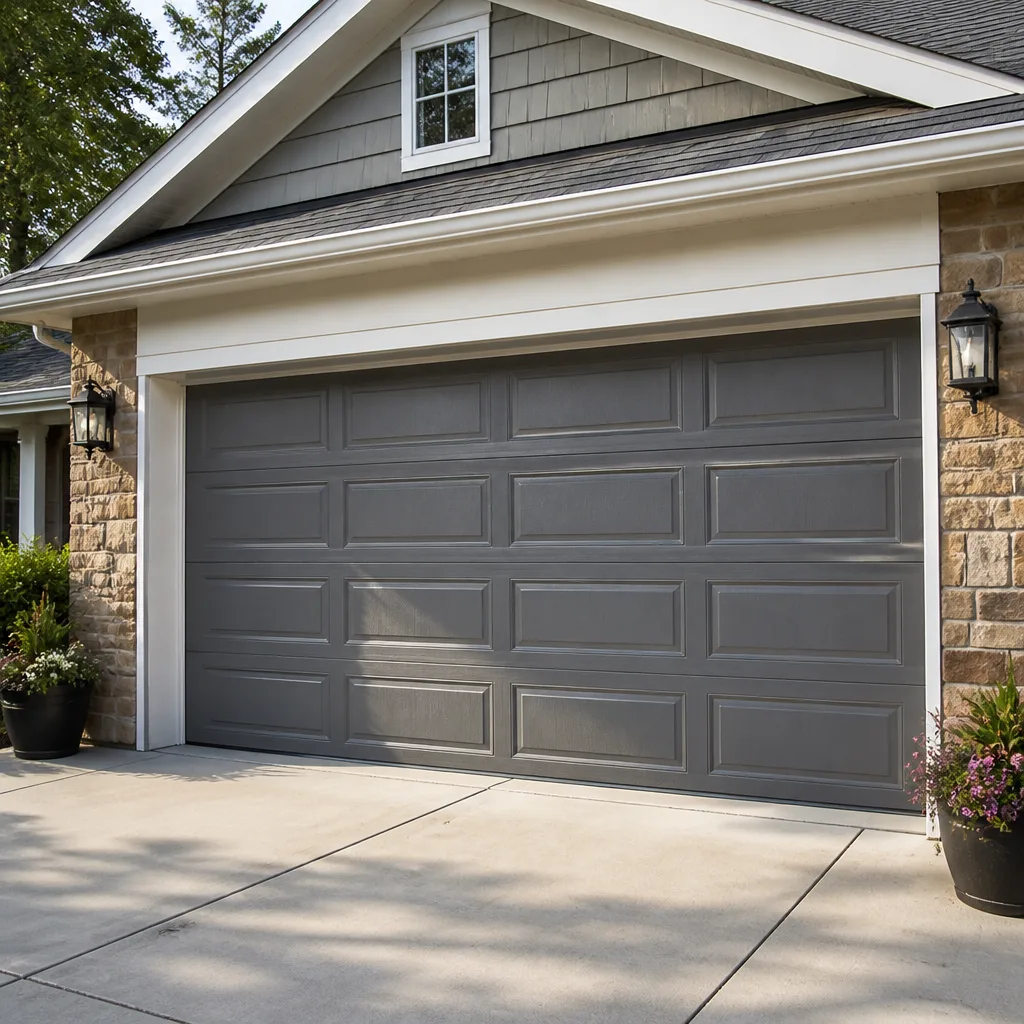 Raised-panel steel
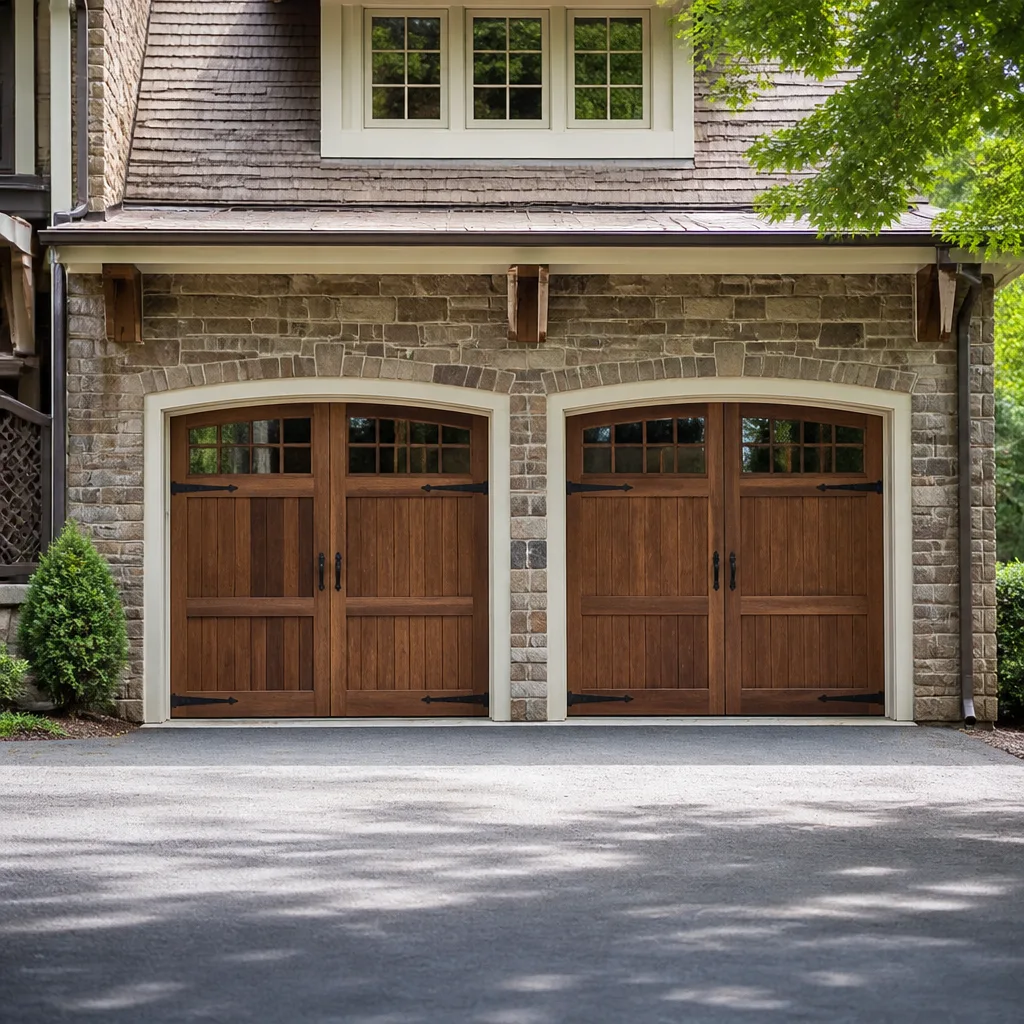 Carriage house
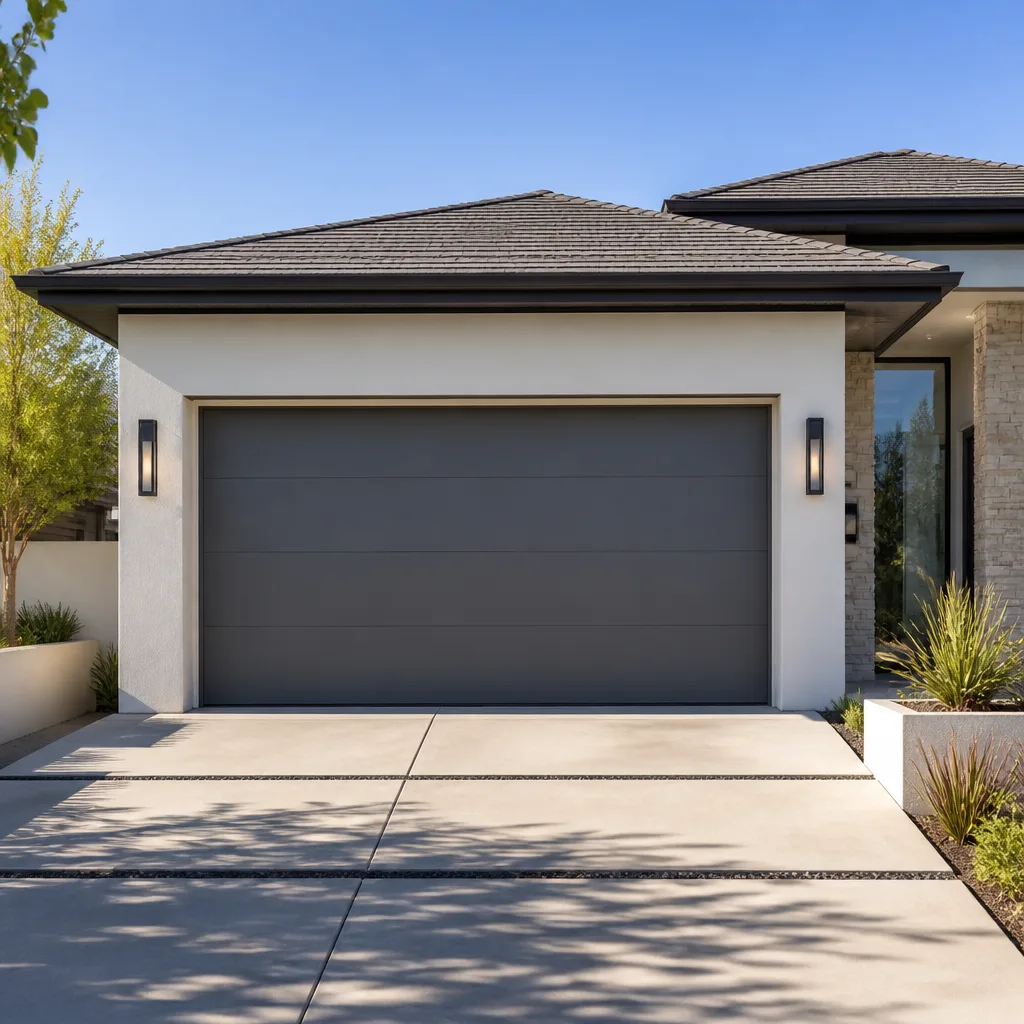 Modern flush
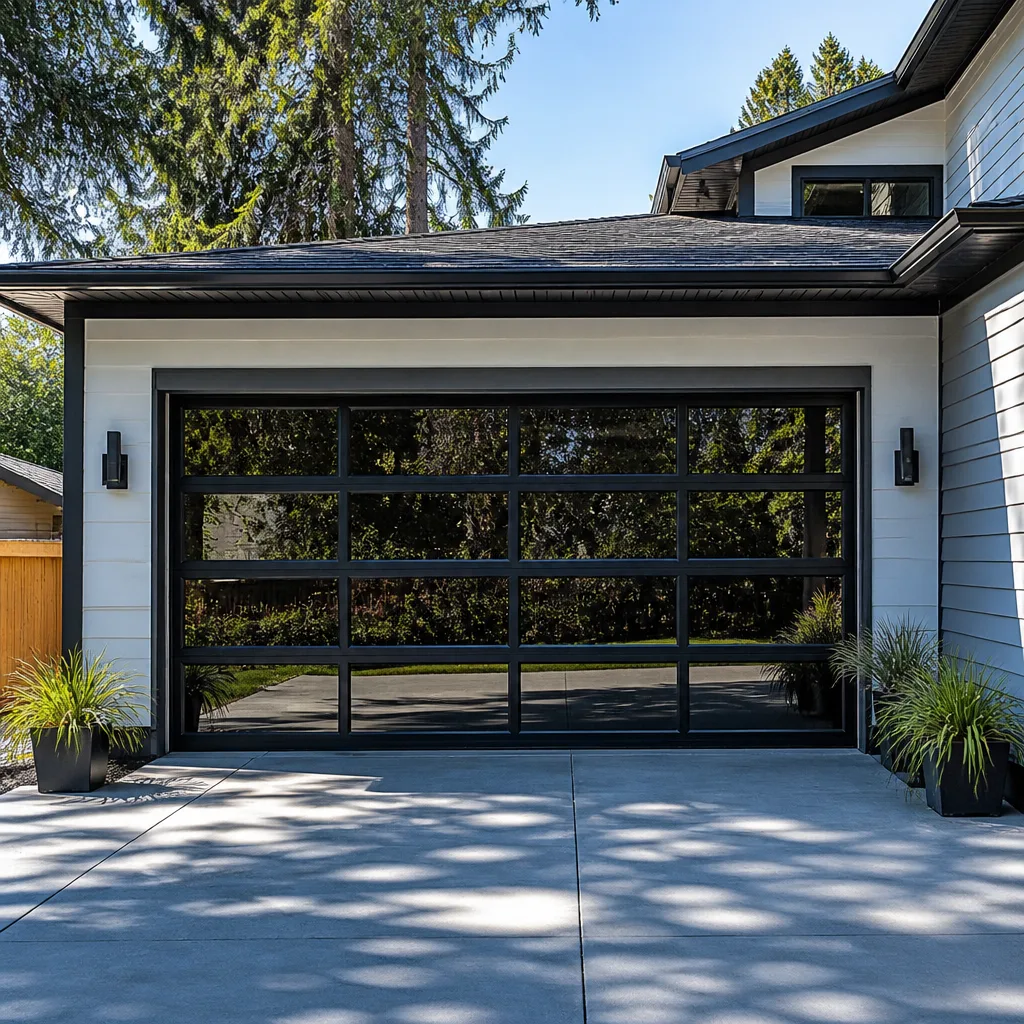 Full-view glass
 LiftMaster openers
 Chamberlain openers
Full 25-point door and opener safety check with every visit - springs, cables, rollers, tracks, and your LiftMaster or Chamberlain opener included
You get a price before we start. It does not change when the pro arrives.
Get your free estimateGarage Door Parts Warning Signs Every Homeowner Should Know
By the time your garage door looks broken, the part causing it usually failed weeks ago. The first warning is almost always a sound, not a movement. That grinding you hear on the way up, the pop that shows up in cold weather and vanishes by afternoon, the squeal that wasn’t there last spring – those are the door telling you something is wearing out before it lets go. In Boulder City, where summer afternoons push past 100°F and winter mornings drop near freezing, that swing speeds up the wear on metal parts. This guide teaches you to listen and feel your door, not just watch it, and it will show you exactly which sounds and signs point to which parts.
Quick Answer
Garage door parts rarely fail without warning. The earliest signs are mechanical and audible: grinding points to rollers and bearings, popping points to a spring under load, and squealing points to dry hinges and tracks. A visible gap in a torsion spring or fraying near the cable drum means stop using the door and call for service today, not next week.
Styles & brands we work with
- Raised-panel steel
- Carriage house
- Modern flush
- Full-view glass
- LiftMaster openers
- Chamberlain openers
Table of Contents
- Why You Should Listen Before You Look
- What Each Sound Tells You About a Failing Part
- The Visual Signs That Matter Most: Cables vs. Springs
- The Balance Test: Your Best At-Home Diagnostic
- How Boulder City Heat and Cold Speed Up Wear
- Watch-and-Monitor or Stop Today? A Clear Decision Rule
- Common Mistakes to Avoid
- When to Call a Professional
Why You Should Listen Before You Look
Most homeowners check their garage door the way they check a light switch: they press the button, watch it move, and call it fine if it goes up and down. That habit misses the two to four weeks of warning a failing part usually gives you. Movement is the last thing a worn part loses. Sound is the first.
Think about what’s actually moving. A standard sectional door rides on rollers inside a steel track, lifted by springs under heavy tension and steadied by cables wound around drums. Every one of those parts gives off a distinct noise when it starts to go. A roller with a worn bearing grinds. A torsion spring that’s losing tension pops as it slips. A hinge that’s lost its lubricant squeals. Your ears pick those up long before your eyes notice anything wrong with how the door travels.
We’ve seen this play out across Boulder City – in homes off Nevada Way, in the older neighborhoods near the lake, and in the newer builds up the hill. A homeowner hears a noise in March, ignores it because the door still works, and calls in May when the door won’t come up at all. Catching it in March costs less and, more to the point, means nobody gets stuck with a car inside a dead garage. Sound-first, sight-second is the habit that catches problems early. Garage door repair in Boulder City starts with that same listening step when we arrive.
What Each Sound Tells You About a Failing Part
Not every noise means trouble. A door that’s always been a little loud isn’t necessarily failing. What you’re listening for is a change, and you’re matching the type of sound to the part that makes it. Here is how we group them when a customer describes a noise over the phone.
- Grinding or a low rumble. Usually rollers with worn or dry bearings, or a torsion shaft that’s lost lubrication. Grinding on one side often means a single bad roller in that track. Grinding across the whole door points to the shaft or a bearing plate.
- Popping or a sharp snap. Points to a spring that’s slipping or a stretch spring that’s jumped its track. A single loud pop followed by a door that suddenly feels heavy is a spring that has broken outright. A series of smaller pops as the door rises is a spring losing tension gradually, and that’s the one worth catching before it snaps.
- Squealing or a high whine. Almost always dry hinges and track rollers. This one is the easiest to fix and the cheapest to ignore, which is why people let it go until the squeal turns into a grind. A quick lubrication of the hinges and rollers quiets it, but persistent squealing after lubrication means the roller bearings are going.
- Rattling or a looseness. Loose hinge bolts, a track that’s worked out of its brackets, or a panel that’s come slightly apart at a seam. Rattling usually shows up after a hard bump from a car or a door that’s been out of balance for a while.
If you can tell us the sound and where it comes from, we can usually tell you the part before we roll a truck. That’s the value of listening first. We keep springs, cables, and rollers on the truck precisely because the sound almost always names the part.
The Visual Signs That Matter Most: Cables vs. Springs
Once you’ve listened, look. But look at the right things. Most people inspect the door panel and the opener and stop there. The parts that fail dangerously are the cable and the spring, and each has its own tell.
The cable that’s about to snap
Look at where the cable winds around the drum at the top corner of the door – you’ll see it spooling there when the door is down. A healthy cable is one smooth, tight coil of steel strand. A failing cable shows fraying near the drum: individual wire strands separating, a fuzzy or whiskered look, or a kink where the cable has jumped its spool. That fraying is the strands breaking one at a time. A cable that fails completely can whip loose with enough force to cause serious injury, so fraying near the drum is a stop-today sign, not a watch-and-wait one.
The spring that’s about to break
Torsion springs sit on the shaft above the door. A failing torsion spring often shows a visible separation gap: a line where the coil has started to crack apart, usually a little off-center. On a stretch spring, mounted along the horizontal track, look for a stretched-out or gappy coil. Either way, a visible gap means the spring is fracturing and the door is days or hours from feeling a hundred pounds heavier. That’s another stop-today sign. Springs and cables are under extreme tension, and adjusting or replacing them is genuinely dangerous work. This is not a do-it-yourself job, and we’d rather you call than reach for a wrench.
For a look at how the opener fits into this picture, garage door openers in Boulder City have their own set of visual tells – stripped gears, worn drive belts, and a motor that strains under a door that’s no longer balanced.
The Balance Test: Your Best At-Home Diagnostic
If you do one hands-on check on your door, make it the balance test. It’s the single most reliable at-home diagnostic we know, and it tells you more about the health of your springs than any visual inspection.
Here’s the procedure, and the one safety condition that comes with it:
- Disconnect the opener first. Pull the release cord so the door is operating by hand only. If you can’t gently move the door by hand, skip the test and call us – a door that won’t budge is already telling you something.
- Lift the door to about waist height – roughly halfway – using the handle or bottom edge, keeping your hands clear of the hinges and the gap between panels.
- Let go and watch. A well-balanced door stays where you put it, or drifts no more than a few inches.
- Read the result. If it drops toward the floor, the springs are losing lift. If it rises toward the open position, the springs are too tight. Either way, the balance is off and the springs are the cause.
A door that fails the balance test puts the whole load on the opener, which shortens its life and makes a sudden failure more likely. If the test feels awkward or the door moves fast, stop – don’t force it. When the door is this far out of balance, the springs need a trained hand. Garage door installation in Boulder City customers often hear the same thing from us: a new door is only as good as its balance, and balance is a spring adjustment.
How Boulder City Heat and Cold Speed Up Wear
Garage door parts live outside, even when they’re on the inside of the door. That means Boulder City’s temperature swing does real work on them. Summer afternoons climb above 100°F, and winter nights drop toward freezing. Metal expands in the heat and contracts in the cold, and every cycle of that puts stress on the parts that are already under tension.
What that does, specifically:
- Torsion springs. Extreme heat softens the steel slightly and cold stiffens it, and the repeated expansion and contraction accelerates fatigue. In Boulder City, our springs tend to show fatigue cracking earlier than in milder climates. That visible separation gap is the tell.
- Cables. Heat and dry air strip lubrication from the cable, which then runs metal-on-metal at the drum and frays faster. The whiskered look near the drum shows up sooner here.
- Rollers and bearings. Dust from the surrounding desert works its way into bearing races, and combined with heat, bearings wear out faster than the rollers themselves. That grinding sound is often a bearing, not a roller.
- Track. The same expansion and contraction can loosen track brackets, which is why rattling after a hot spell is common in Boulder City.
The practical takeaway: a seasonal check in spring and fall – before the worst of the heat and before the cold sets in – catches the wear that this climate accelerates. A door that’s quiet in April is often the one that squeals in July, because the heat cooks the lubricant out of it. If you want a look over a door that’s been through a few Boulder City summers, our repair team can check the balance, springs, and cables in one visit.
Watch-and-Monitor or Stop Today? A Clear Decision Rule
Here’s the part most homeowners get wrong. They treat every noise as either “ignore it” or “emergency,” when the real answer is a third path: monitor it. Use this rule to sort what you find.
Stop using the door today
- A visible separation gap in a torsion spring or a stretch spring.
- Fraying or whiskering on the cable near the drum.
- A door that won’t hold on the balance test and drops fast.
- A loud pop followed by a door that suddenly feels very heavy.
- A door that comes down unevenly or hangs at an angle.
If any of these apply, leave the door down, keep cars out from under it, and call. A broken spring or cable is dangerous and only gets more expensive to fix the longer the door keeps running on it.
Watch and monitor – schedule a visit soon
- A grinding sound that’s new but the door still moves evenly.
- Intermittent popping in cold weather that stops as the day warms.
- Squealing that quiets after lubrication.
- A balance test that fails by a few inches, not a full drop.
These are the two-to-four-week warnings. They’re not emergencies, but they’re not “wait until it breaks” either. Book a service call and let a technician confirm the part before it lets go. The same logic applies to your opener: a motor that strains or reverses intermittently is telling you the door below it is out of balance. Garage door opener service in Boulder City starts by checking the door first.
Common Mistakes to Avoid
- Judging the door only by whether it moves. A door closing is not a door that’s fine. A worn spring or frayed cable can still move the door right up until it fails, so check the sound and the balance, not just the motion.
- Greasing a noise and calling it fixed. Lubrication quiets a squeal, and that’s good, but persistent noise after lubricating usually means a worn part, not a dry one. In Boulder City, dust and heat dry parts out fast, so treat recurring squeals as a signal.
- Reaching for the springs and cables yourself. These parts hold the door’s full weight under high tension. Adjusting or replacing them without the right tools and training is a serious injury risk, and we’ll say so plainly.
- Ignoring the balance test because the door still opens. Imbalance is the most common problem we find under a grinding opener. Left alone, it wears out the opener and the rollers with it.
- Waiting until the door won’t close with the car inside. The two-to-four-week warning is the whole point. Calling on the sound costs less than calling on the break.
- Trusting a price you can’t see in writing. A quote that’s “about right” over the phone and bigger on the bill is its own warning sign. We quote a flat price before we start, in writing, so there are no surprises on the bill.
See the difference
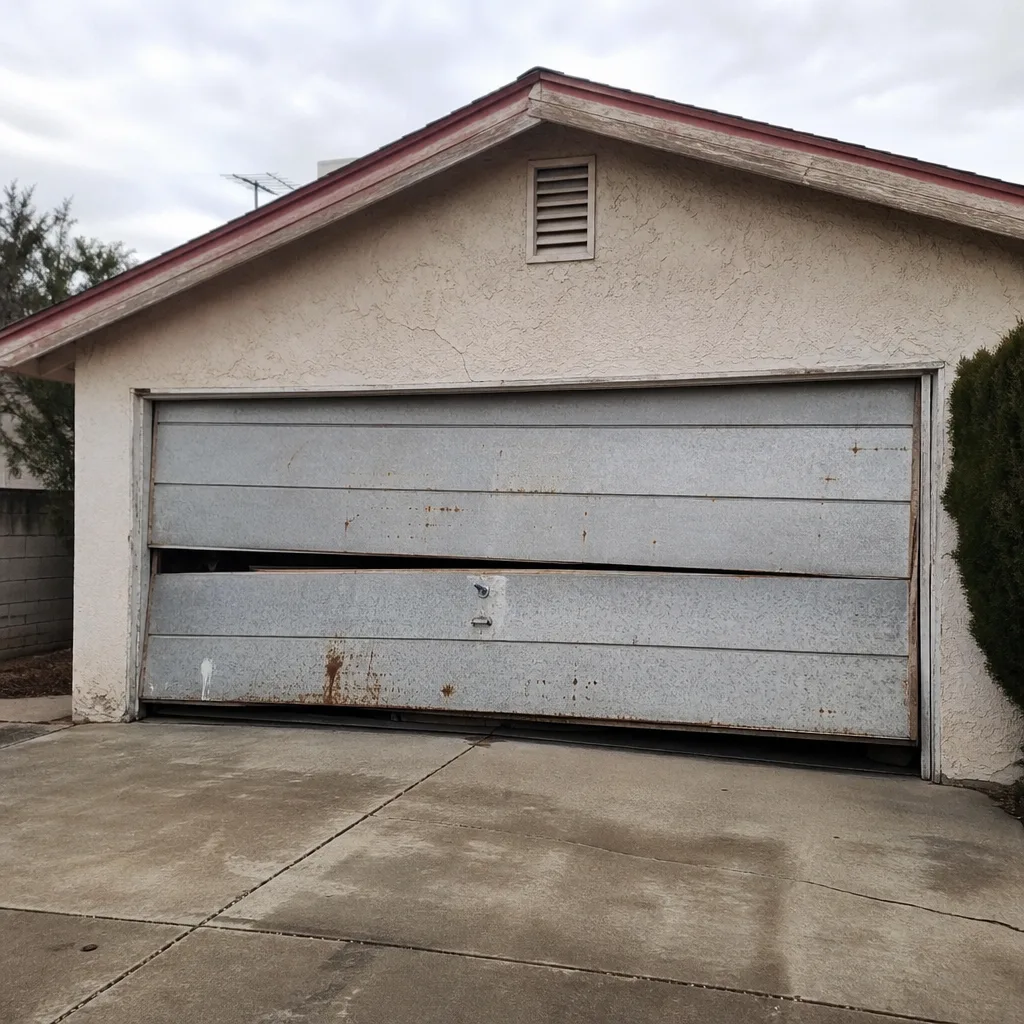 Before
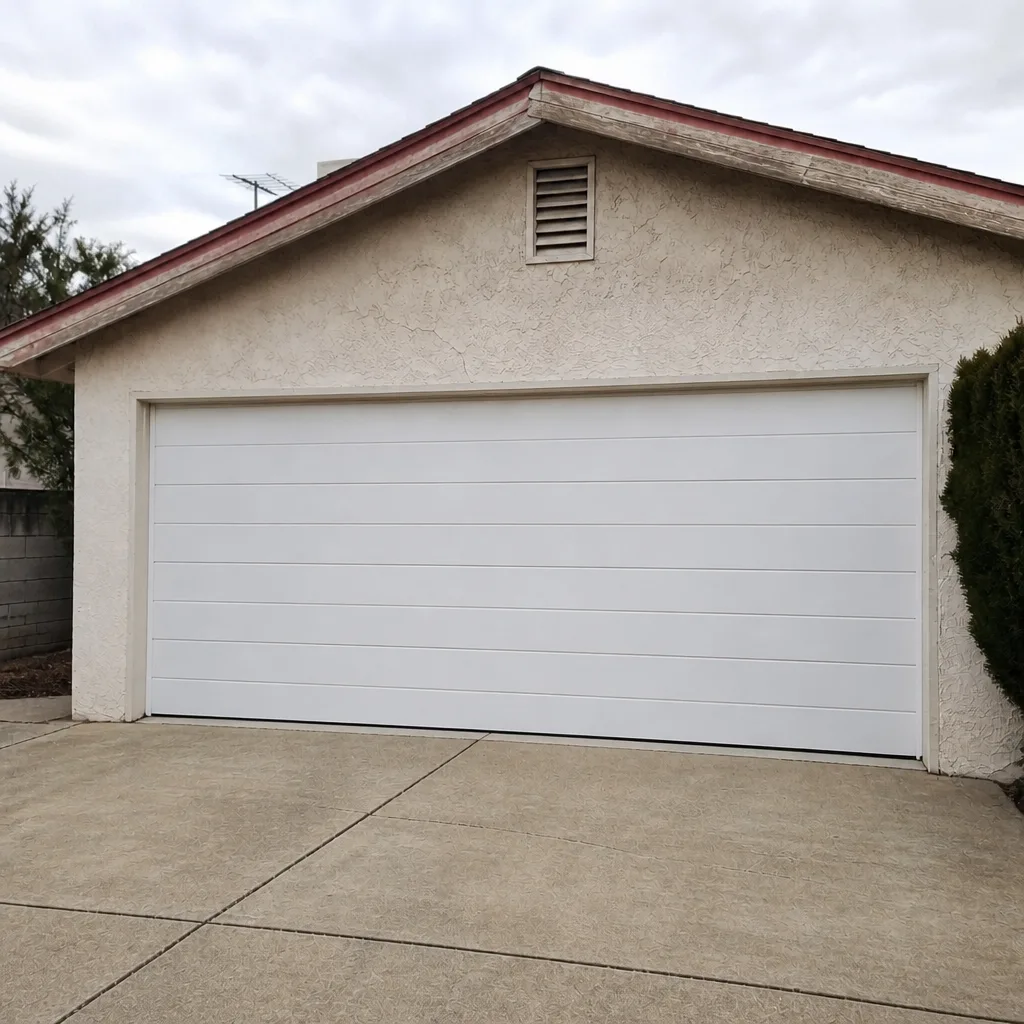 After
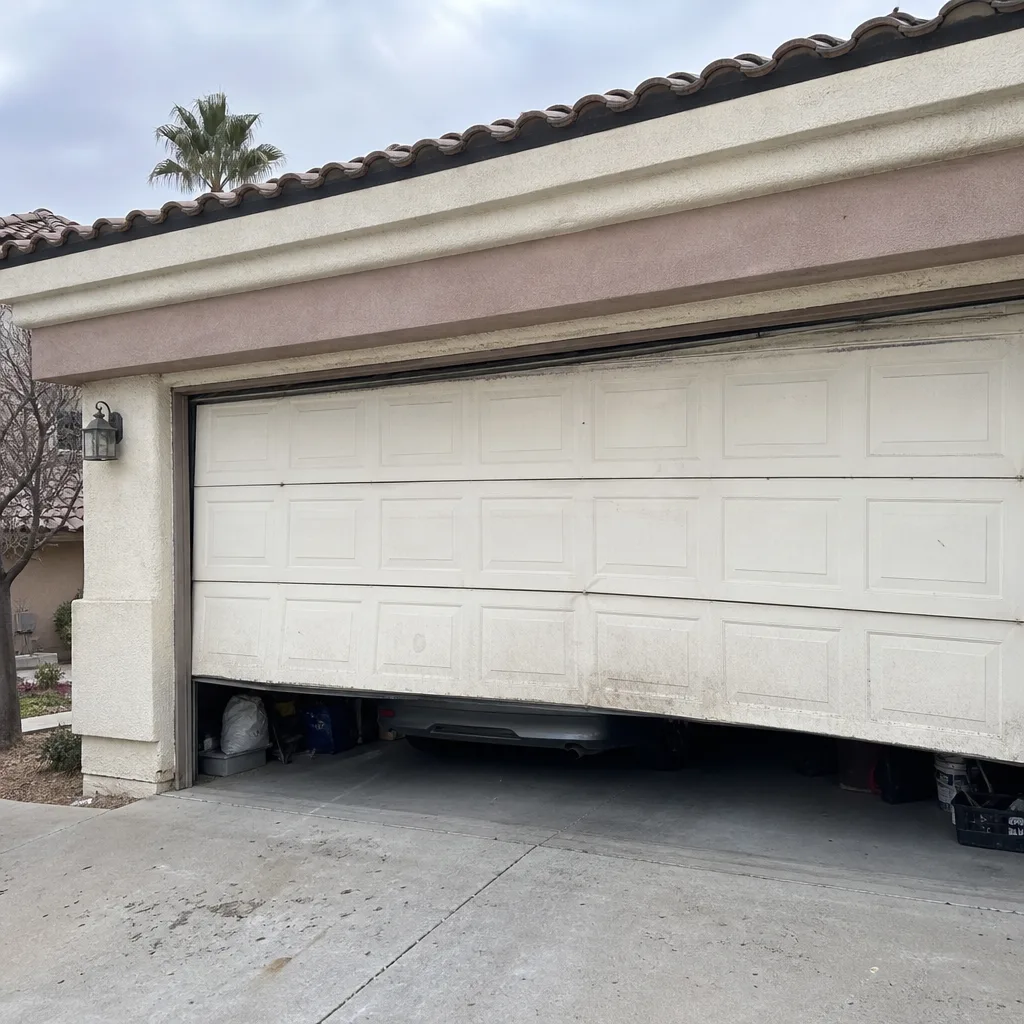 Before
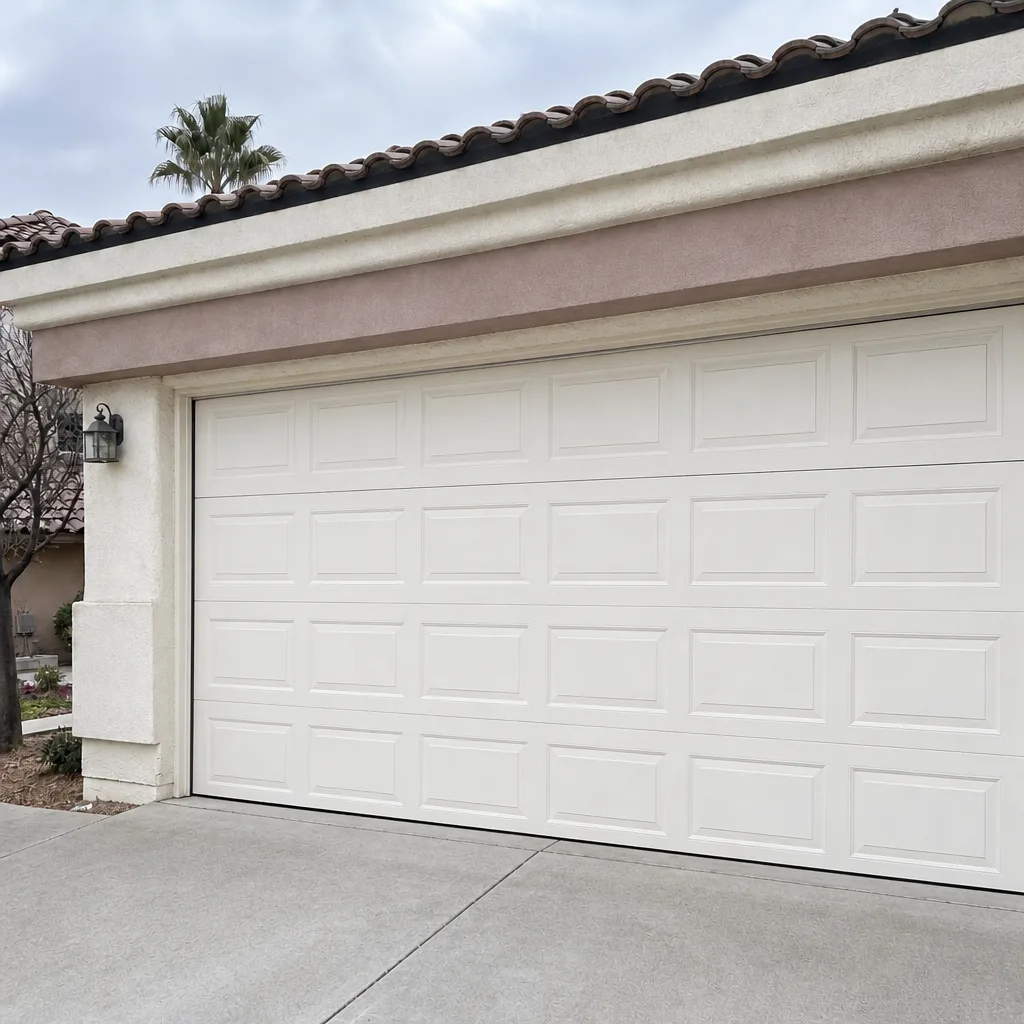 After
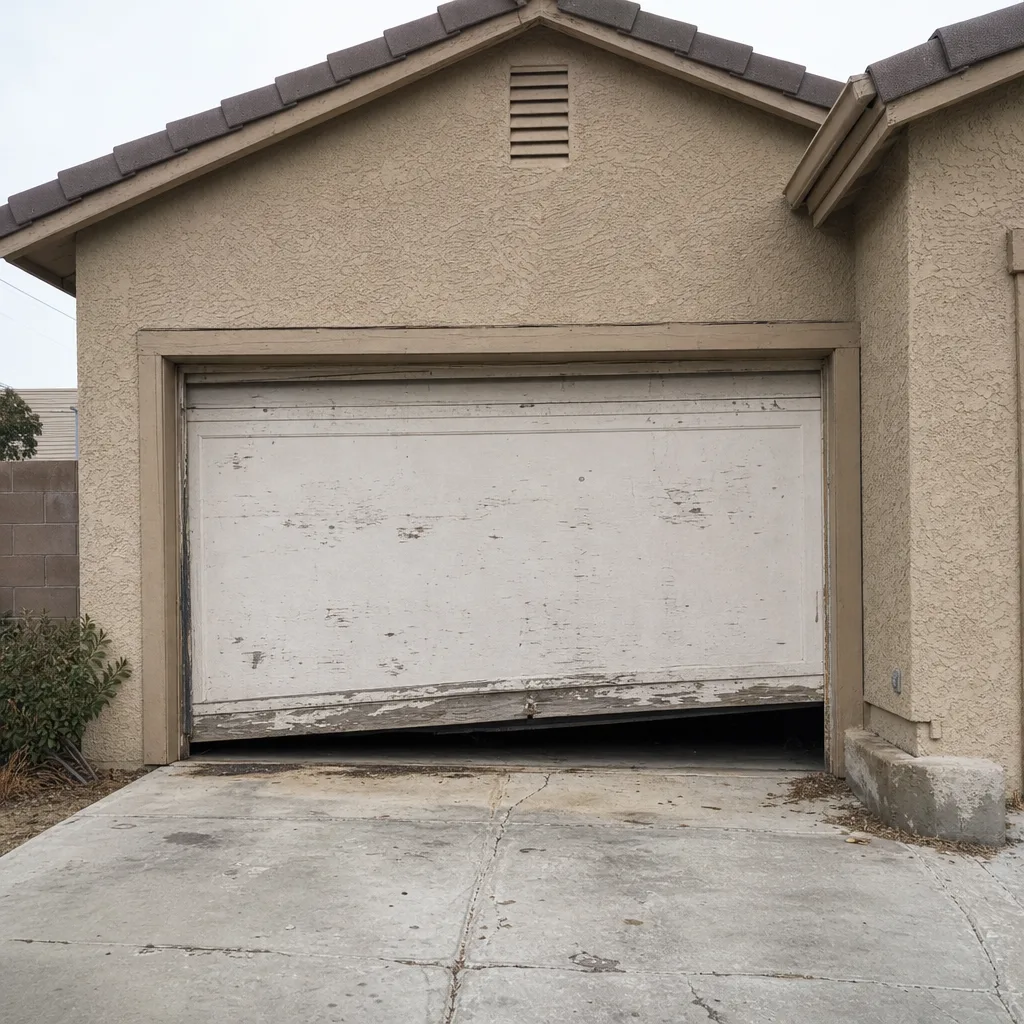 Before
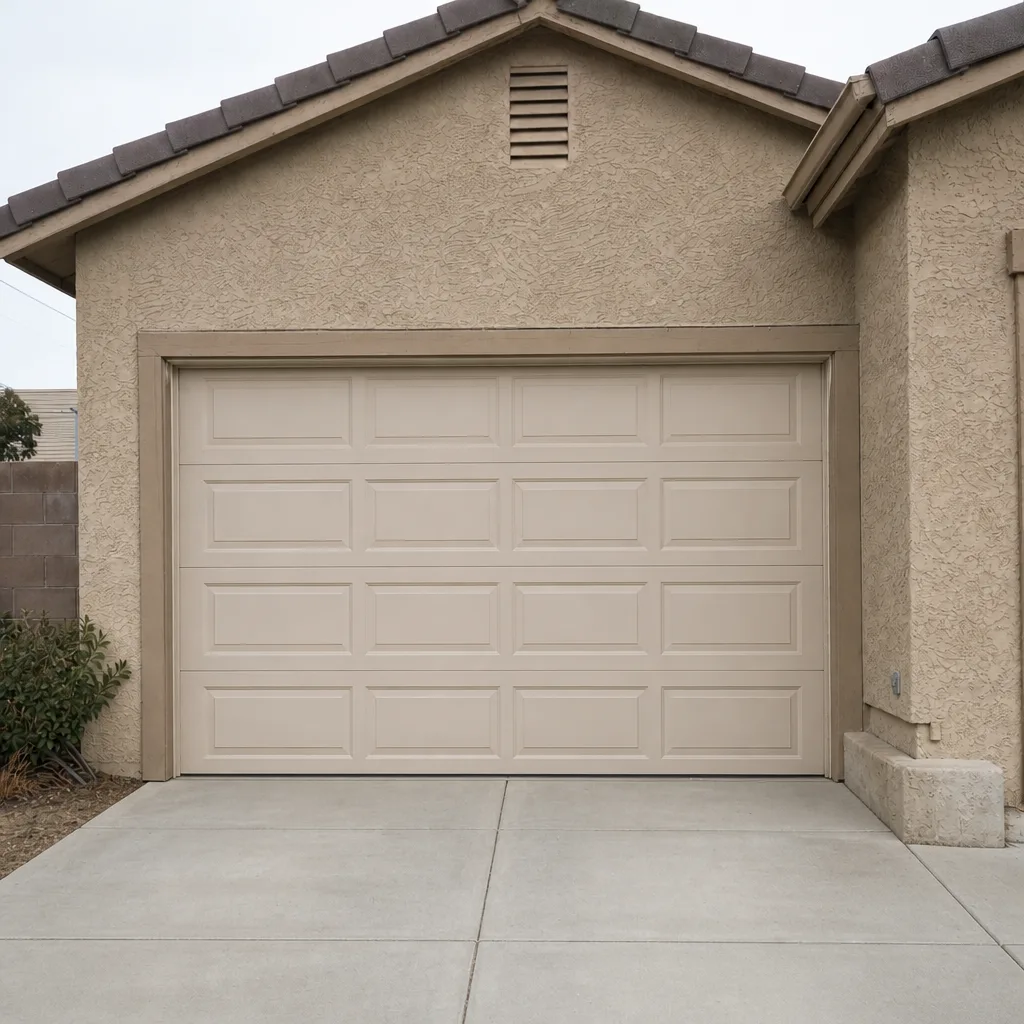 After
When to Call a Professional
Some of this you can check yourself: listen, look at the cable and spring, run the balance test. But there’s a point where a trained eye saves you money and risk. Call when a spring shows a visible gap, when a cable frays near the drum, when the door drops on the balance test or feels heavy, or when a grinding noise persists despite lubrication. Call also if the door hangs unevenly, if the opener strains, or if you simply haven’t had the door checked in a while and want a straight answer. Mainspring Garage Door Co. Boulder City offers free estimates in Boulder City – call (833) 605-8582. We’ll tell you which parts are worn, which are fine, and what the fix costs before any work begins. If a part needs ordering – a new spring, a Clopay or Amarr panel – we’ll measure on the first visit and schedule the work, with a written price. For doors that are simply tired, garage door installation in Boulder City is an option we’ll lay out honestly if repair stops making sense.
Frequently Asked Questions
The first sign is almost always a sound – grinding, popping, or squealing – weeks before the door stops working. A change in sound is your earliest warning, which is why we teach homeowners to listen before they look.
Fraying near the cable drum, where the wire strands start to separate, is the cable sign. A visible separation gap in the spring coil – a crack line, often slightly off-center – is the spring sign. Both mean stop using the door today and call for service.
Yes, using the balance test: disconnect the opener, lift the door to waist height, and let go. A balanced door holds its position or drifts a few inches. Do not attempt to adjust or replace springs or cables yourself – they’re under high tension and a trained professional should handle them.
Heat above 100°F thins and cooks lubricant out of hinges and rollers, and expansion and contraction puts stress on springs and track. That’s why a door that was quiet in April often squeals by July, and why a spring check before summer is worth it.
No. We state the flat price before any work begins, in writing, so there are no surprises on the bill. If we find something you didn’t mention, we tell you the price for that part before we touch it – you approve it or you don’t.
Our technicians arrive with springs, cables, and openers on the truck, so most jobs are finished in a single visit. For a specific door panel or opener model – a Chamberlain or Genie unit, for instance – we may measure and schedule, and we’ll tell you the timeline upfront.
The Bottom Line
Your garage door tells you it’s failing through sound first and balance second, and the parts that matter most – springs and cables – show visible, warning signs weeks before they give out. Listen for grinding, popping, and squealing, and match each to its part. Look for fraying near the drum and separation gaps in the spring. Run the balance test regularly, especially in a Boulder City climate that works metal harder than most. Sort what you find into stop-today and monitor, and call early on the monitor list. Mainspring Garage Door Co. keeps the right parts on the truck, states the flat price before the wrench comes out, and stands behind every job in writing with our 90-Day Done Right Promise. For a steady, no-surprises look at your door, call Mainspring Garage Door Co. in Boulder City at (833) 605-8582 for a free estimate.
Written by the team at Mainspring Garage Door Co. Boulder City.