
Last updated November 18, 2026
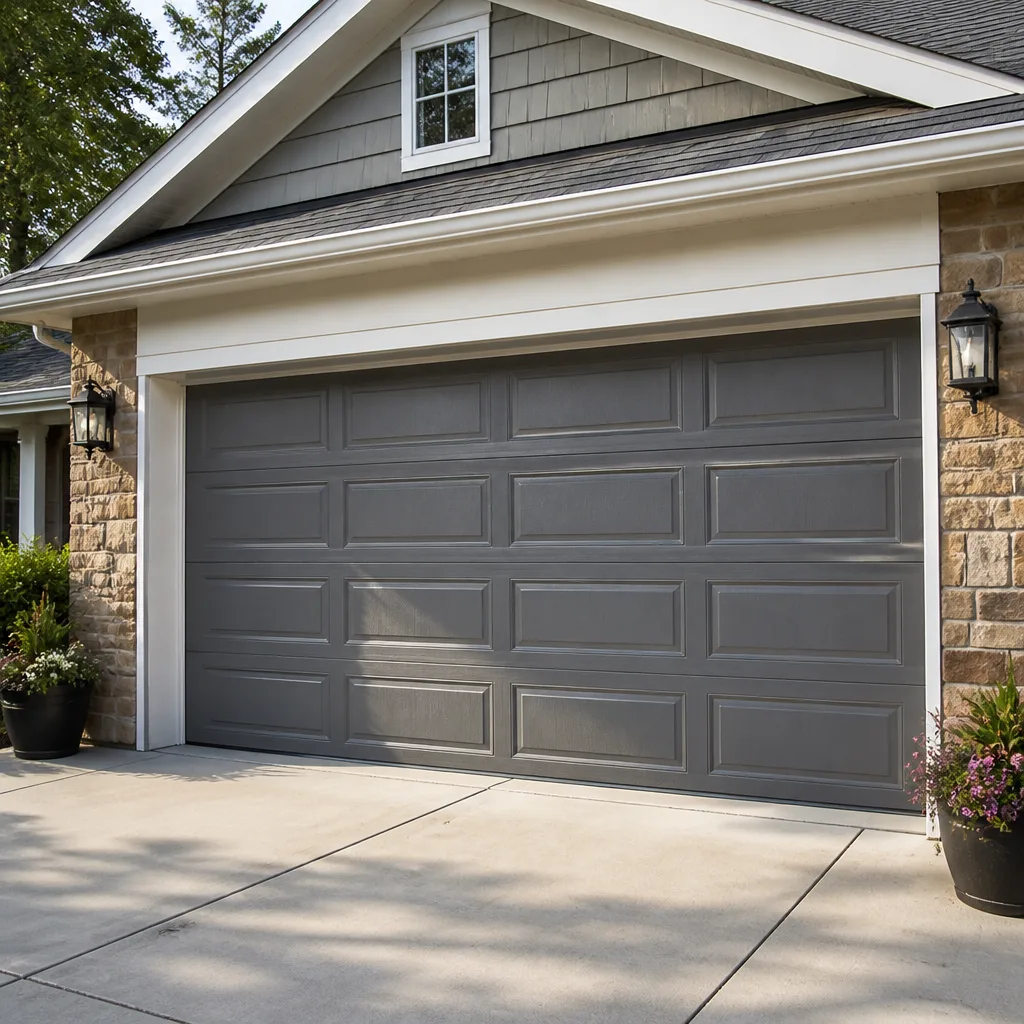 Raised-panel steel
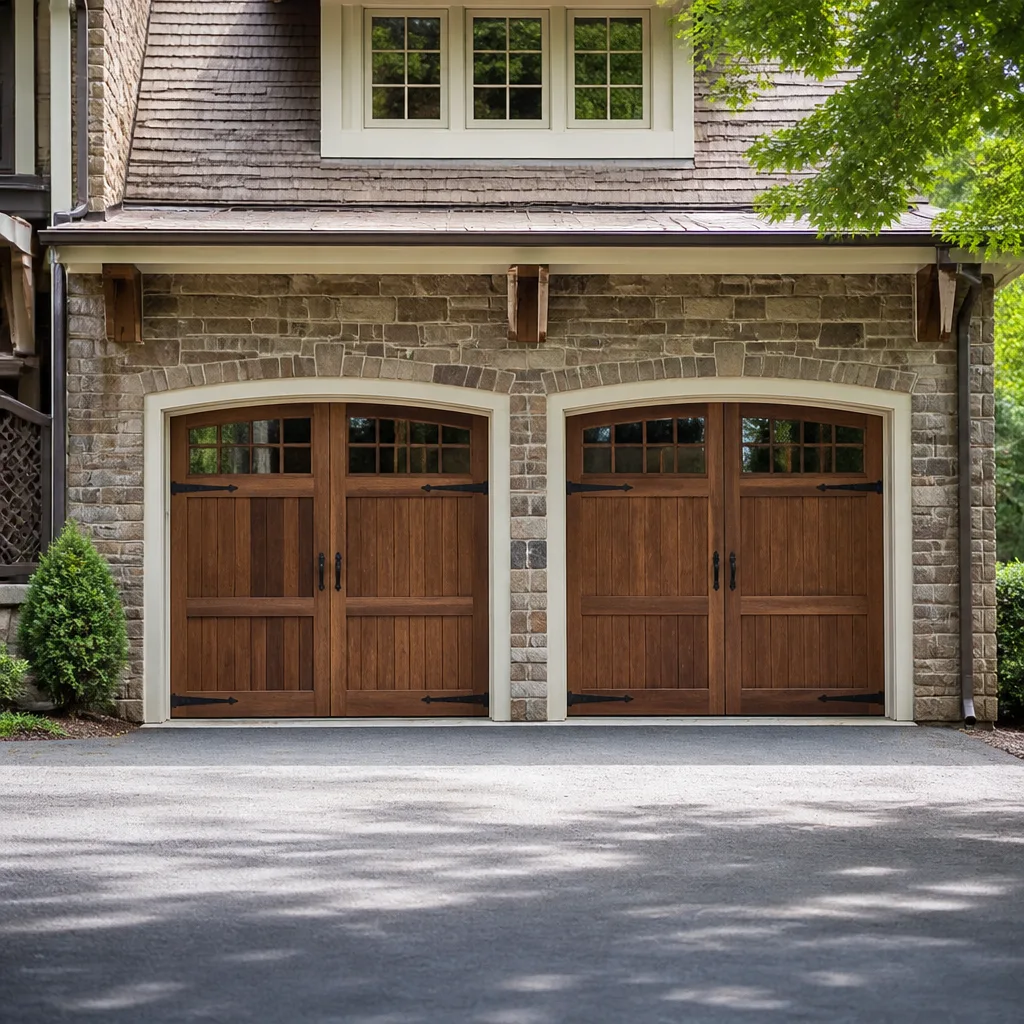 Carriage house
 Modern flush
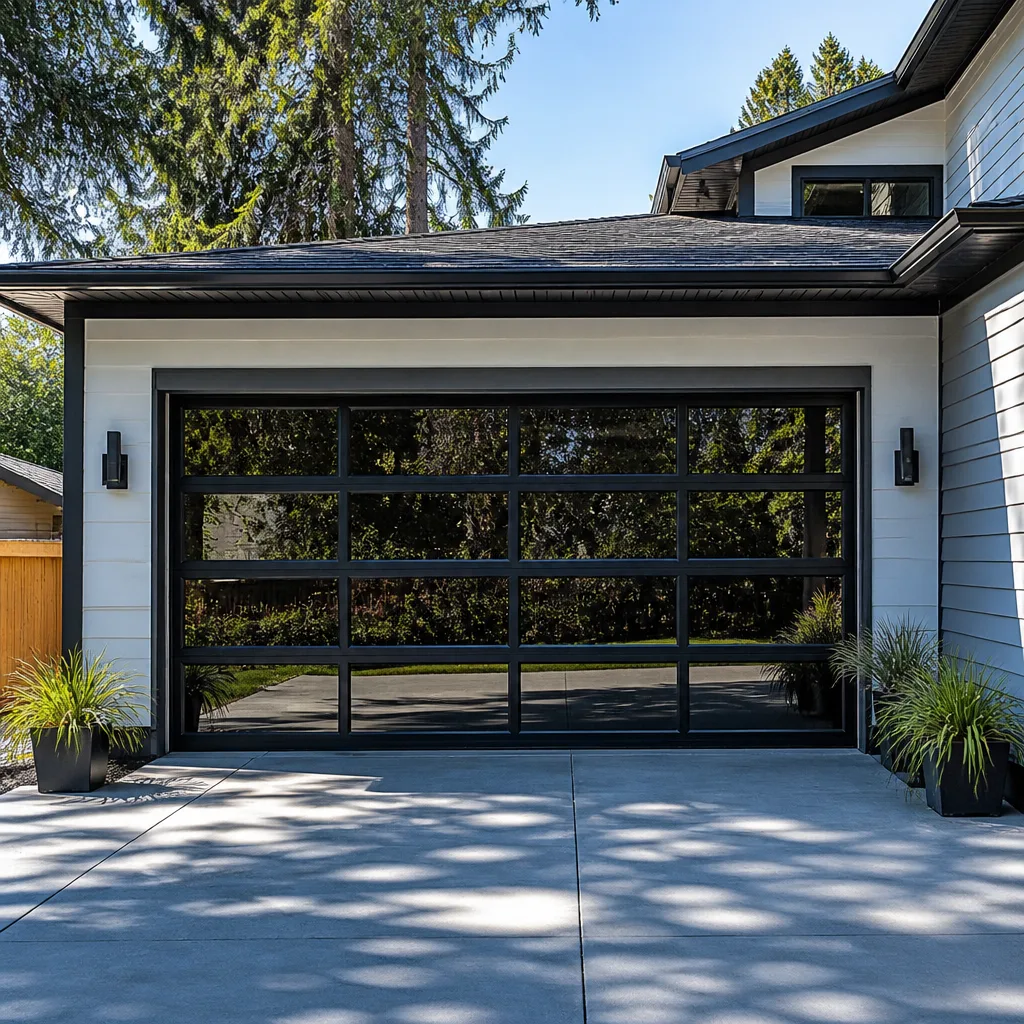 Full-view glass
 LiftMaster openers
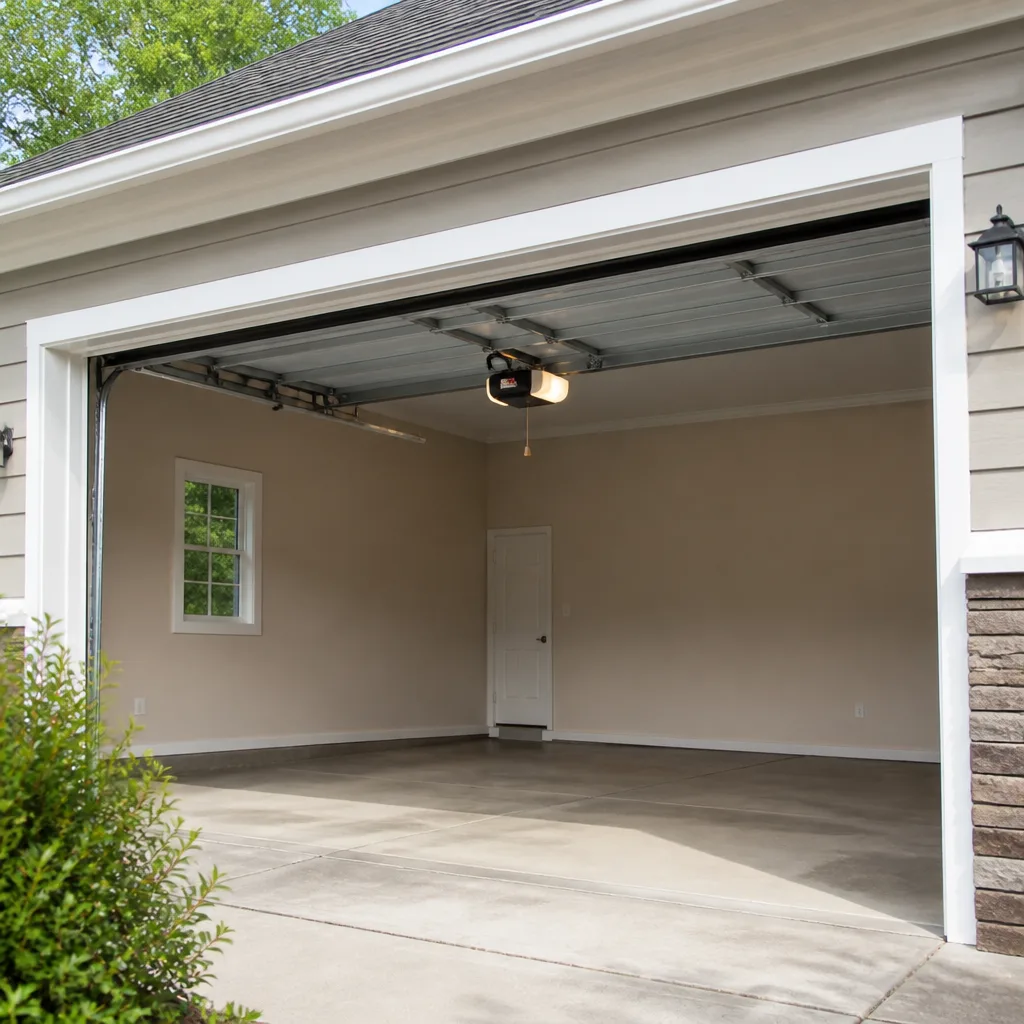 Chamberlain openers
Full 25-point door and opener safety check with every visit - springs, cables, rollers, tracks, and your LiftMaster or Chamberlain opener included
You get a price before we start. It does not change when the pro arrives.
Get your free estimateGarage Door Repair Maintenance Schedule: What to Do and When
If you’ve been lubricating your garage door every spring and fall because a sticker on the wall said to, you may be over-maintaining some parts and critically under-maintaining others at exactly the wrong time of year. A calendar-based schedule assumes every door in Boulder City lives through the same seasons and the same workload. They don’t. A north-facing single-car door with a chain opener and two cars in the driveway wears at a completely different rate than a south-facing Clopay double door on a quiet street. What actually breaks garage doors is cycles and heat, not the month on the page. This guide lays out a use-cycle maintenance framework, the three tasks that must happen before Boulder City’s summer heat peaks, and a quarterly walk-around that catches most failures before they strand you.
Quick Answer
A garage door maintenance schedule should be built around use cycles and temperature stress, not calendar months. Check and lubricate at roughly 500 cycles, inspect springs, cables, and rollers at 1,000 cycles, and have a professional evaluate the full system at around 2,500 cycles. In Boulder City, do the heavy-pass tasks before May, because summer heat accelerates wear on springs, grease, and weather seals far faster than the rest of the year.
Styles & brands we work with
- Raised-panel steel
- Carriage house
- Modern flush
- Full-view glass
- LiftMaster openers
- Chamberlain openers
Table of Contents
- Why a Calendar Schedule Fails Your Door
- The Use-Cycle Framework: 500, 1,000, and 2,500 Cycles
- The Three Tasks That Must Happen Before May in Boulder City
- Lubrication That Survives 100°F Heat
- Your 15-Minute Quarterly Walk-Around
- What to Log After Every Maintenance Pass
- Brand Notes: Genie, Clopay, and Amarr Doors Differ
- A Boulder City Year, Adjusted for Heat
Why a Calendar Schedule Fails Your Door
A door that opens four times a day runs about 1,460 cycles a year. A door on a busy household with two drivers, a gardener, and a package routine can run double that. Same calendar, very different wear. The manufacturer of a Genie or LiftMaster opener rates its spring life in cycles for a reason: the spring that carries the door’s entire weight doesn’t know what month it is. It knows stress cycles and temperature swings.
Boulder City makes that gap bigger. From late May through September, daily highs run past 100°F on a regular cadence, dropping back into the 70s at night. That is a heat and cool cycle every single day, and it stresses the torsion spring, the grease in the rollers, and the rubber weather seal on the bottom of the door. A homeowner who is diligent about the spring-and-fall sticker schedule is still hitting the wrong window. They’re doing routine lubrication after the heat has already done its damage, then skipping the door all summer when it needs the most attention.
We’ve seen seals in Boulder City go brittle and crack in eighteen months while the door itself is barely out of its first decade. That isn’t bad luck. It’s a schedule that ignores heat. If you want one framework that respects both your actual door usage and the local climate, count cycles and layer the temperature-sensitive tasks on top. That’s the approach we’ll walk through next.
The Use-Cycle Framework: 500, 1,000, and 2,500 Cycles
This is the framework we recommend for any residential door, and it’s how we think about service intervals whether we’re working on a Wayne Dalton in Boulder City or driving out to inspect a small commercial door on the edge of town.
The simplest way to count cycles: every time the door opens and closes, that’s one full cycle. Write down a rough count for an average weekday (open at 7, open at 5, close at 10 – three cycles) and multiply by seven to get a weekly figure. Most households land between 20 and 45 cycles a week. From there the checkpoints line up.
- 500 cycles (roughly 3 to 6 months of use). Balance test the door, wipe and re-lube hinges, rollers, and the torsion shaft bearings, and look at the photo-eye alignment on the opener. This is a quick homeowner pass, about 15 minutes.
- 1,000 cycles. Inspect the torsion springs for separation or rust bloom at the coils, check the lift cables for frayed strands or kinks, and look for flat spots or cracking on steel rollers. Nylon rollers should be checked for cracks. Worn weather seal along the bottom gets replaced here if it’s dried out.
- 2,500 cycles. Time for a technician evaluation. The spring is likely past its midpoint life. Cables may have stretched beyond tolerance. Hinges and rollers on a high-use door start to need replacement as a set. The door will still be working, which is exactly why this pass matters.
None of these checkpoints map cleanly to “spring and fall.” Some Boulder City households will hit 1,000 cycles before the first solid heat wave. Others will still be under 500 cycles when the heat is peaking. The cycle counter is what tells you which one you are.
The Three Tasks That Must Happen Before May in Boulder City
The single most valuable schedule adjustment for a Boulder City homeowner is to move the heavy maintenance tasks into April. Once the daytime highs cross 100°F, every task on the door costs you two things: the work is harder to do safely in the heat, and by then any breakdown has usually already begun.
Three tasks specifically. Do them every year, in April or very early May, before the heat sets in.
- Full spring and cable inspection. The torsion spring and the lift cables are under constant load and heat accelerates their failure. A technician checks for coil separation, rust issues, and cable condition before summer stress starts stacking on top of existing wear. This is not a homeowner task; the springs are under enough tension to cause serious injury if handled wrong, and we always recommend a trained technician for this step.
- Roller and hinge lubrication with a high-temp product. Standard white lithium grease thins above 90°F and runs off the roller stems. Lube in April with a lubricant rated for high heat and you get a full summer of quiet running instead of a door that slowly starts to squeal by July.
- Weather seal and bottom rubber replacement if dried out. UV combined with 100°F heat will crack a bottom seal in a season. Replace it before summer so it doesn’t take a set that warps the door panel edges.
If you’re behind on any of those three going into summer, we’d rather see the door inspected now than after something fails in August. Calls come in heavier in July than any other month for exactly this reason. A free second opinion on any written estimate we or anyone else hands you is always available, and it’s worth using before you authorize spring work.
Lubrication That Survives 100°F Heat
Most garage door lubricant advice was written for moderate climates and doesn’t survive a Boulder City July. Standard white lithium grease starts breaking down above 90°F. It thins, migrates off the roller stems and hinge points, and leaves you with a door that’s dry in the middle of the harshest wear season of the year. That is the exact opposite of what you want.
For this climate, use a high-temp lithium complex grease or a silicone-based lubricant rated for at least 250°F. Some homeowners prefer a dry PTFE (Teflon) spray for the roller stems and hinges because it attracts less dust. The dry option sacrifices a little quiet for a lot less grit accumulation. Either will outperform a basic white grease through a Boulder City summer.
Where to apply, and where not to:
- Apply: hinge pivot points, roller stems (the metal shaft, not the roller surface), the torsion shaft bearings at the header, and the opener rail if it’s a screw-drive or chain-drive model.
- Do not apply: the door tracks. Grease on the track attracts dust and grit, and the rollers should glide on a clean surface, not a greasy one. Wipe tracks with a dry cloth and leave them dry.
- Do not apply: the torsion spring itself. A light wipe of engine oil is sometimes recommended by manufacturers for spring coils to resist rust, but oil on a high-heat spring needs to be applied with the load off, and that is a technician job. Don’t do it yourself.
Whether you’re running a Chamberlain belt-drive or a Genie chain-drive opener, the rail gets a light film of lubricant, not a coating. More is not better here. A thin film that stays put through the heat beats a heavy coat that slings off in July.
Your 15-Minute Quarterly Walk-Around
Ninety percent of the garage door failures we see in Boulder City announced themselves weeks before they happened. A noise that started small, a door that stopped closing flush, a photo-eye that drifted a half-inch out of alignment. A 15-minute walk-around every quarter catches nearly all of them. Do it once in each season, and do the spring one as close to May as you can manage.
- Balance test. Disconnect the opener (pull the red release cord), lift the door by hand to about halfway, and let it go. A properly balanced door will sit still. If it drops or rises on its own, the springs are out of adjustment or failing. Reconnect the opener afterward, carefully.
- Visual spring check. Look at the torsion spring above the door. Any visible gap between coils, rust-colored bloom, or a coil that has lost its even spacing is a warning sign. Do not touch it. Note it and call.
- Cable check. The lift cables run from the bottom corners of the door up and around the drums. Look for frayed strands, kinks, or slack. Do not touch a cable under tension. Look only.
- Roller and hinge noise test. Open and close the door slowly and listen. Squeaking at a specific point in the travel usually means a dry hinge or roller. Grinding usually means a worn bearing or a roller about to fail.
- Photo-eye test. Wave a hand or a shoe in front of the safety sensors while the door is closing. The door should reverse within a second. If it doesn’t, stop using the opener until it’s fixed.
- Weather seal look. Run a hand along the bottom rubber from inside and out. Any cracking, tearing, or a gap at the corners means replace before summer.
- Reverse test. Lay a 2×4 flat on the ground under the closing door. It should reverse on contact. This is the safety reverse test and it’s the single most skipped one.
Keep it to 15 minutes. If you find something that makes you uncomfortable, stop and book a service call. A trained technician handles spring and cable issues. Those components are under enough tension to send someone to the emergency room, and no walk-around is worth that risk. If you’d rather have a technician run this for you, an $89 seasonal tune-up covers it.
What to Log After Every Maintenance Pass
Homeowners who keep a service log save themselves money on two fronts. First, the log makes a warranty claim on a part or an opener trivially easy to support. Second, and this surprises people, a well-kept garage door log supports resale documentation. Home inspectors and buyers look at maintenance records, and a clean log with dated service entries moves a deal along.
What to record after each pass:
- Date and a rough cycle count (if you don’t have an exact figure, a stated estimate is fine).
- Tasks performed, briefly: “inspected springs, lubed hinges and rollers, tested photo-eye.”
- Any parts replaced, with brand and part (e.g. “bottom seal, Clopay-compatible, replaced”).
- Any technician who serviced the door on that visit, plus the work order number or invoice reference.
- Notes on anything that looked marginal but didn’t need replacement yet. This is the single most valuable entry. It’s how you avoid being surprised later.
A spiral notebook in the garage wall next to the opener is a perfectly good log. A note on your phone works too. The point is to have it, in writing, with dates, so that any conversation about spring life, opener warranty, or resale value has something concrete to reference. If we do the work, you get the service record from us automatically. Over the years we’ve been called back to doors we serviced and having the log meant the difference between a quick fix and a full diagnostic. That kind of continuity pays off.
For new installations, log the install date, the model, and the warranty terms the day the door goes up. If you’re weighing a replacement, our Garage Door Installation in Boulder City page covers what to expect, and the log starts that day.
Brand Notes: Genie, Clopay, and Amarr Doors Differ
Not every door wears the same way, and a maintenance schedule that pretends all doors are identical will miss the specific failure modes of the brand on your wall. Three brands we work with regularly show different patterns.
Genie openers (particularly the chain-drive and belt-drive residential lines) benefit from a rail inspection at every quarterly pass. The chain tension changes slightly with temperature swings, and a loose chain on a Genie shows up first as a slight rattle at the start of travel. That’s a five-minute tension check, and it’s an easy one to forget.
Clopay doors at the mid and premium end of the lineup have tighter tolerances on the panel seams. The most common Boulder City issue we see on a Clopay is bottom-rubber wear showing up earlier than the homeowner expected, usually because the door face is getting more direct sun than a north-facing install. Check the bottom seal twice a year in high-sun orientations, not just once.
Amarr doors tend to hold up well in heat, but their steel roller carriers wear faster than nylon in dry climates. At the 1,000-cycle inspection, look at the roller-to-hinge connection specifically. A little wobble at a roller stem on an Amarr is a warning sign that gets missed when the door is otherwise running quietly.
If you’re not sure what brand you have, take a photo of the manufacturer’s tag inside the door panel and send it our way, or check our Garage Door Repair in Boulder City page for what a service visit covers. Wayne Dalton and Chamberlain follow different but similarly specific patterns; we can walk through those on the phone.
A Boulder City Year, Adjusted for Heat
Here’s how the cycle framework maps to a typical Boulder City household through a year, assuming a moderate-use door (roughly 25 cycles a week, or about 1,300 cycles a year).
- January through March. Door is running cold. Listen for extra drag at the start of travel, which usually means thickened grease. This is a good window for the quarterly walk-around and for anything that needs a technician before the summer peak.
- April and early May. The heavy-task window. Spring and cable inspection. High-temp lubrication pass. Bottom seal replacement if needed. This is the single most valuable two months on the calendar for a Boulder City door.
- Late May through September. Heat stress months. Expect 2,500-cycle pace on a high-use door. Walk-around each month, listen for new noises, watch the photo-eye. If something feels off, don’t wait for October.
- October and November. Cool-down. The temperature swings reveal spring and cable issues that didn’t show in summer heat. This is the second-best window for a professional evaluation.
- December. Holiday season with a door that gets heavy use. Quick lube and balance test is worth 15 minutes here.
The point isn’t that every Boulder City door hits these exact marks. It’s that the two months that matter most are April and early May, not spring and fall generally. Since we’re local, we’re already seeing failure patterns that map to this heat calendar, and we schedule accordingly. We’ll be there when we say, whether that’s a routine service in April or an emergency in August.
Common Mistakes to Avoid
- Following a spring-and-fall lubrication schedule in Boulder City. The schedule was written for moderate climates. Here, the heat peaks in June through August, and a door that gets its lubricant in April and September is running dry through the worst of it.
- Using white lithium grease. It thins above 90°F and migrates off the roller stems and hinges. Use a high-temp lithium complex or dry silicone product instead.
- Greasing the tracks. Tracks should be dry. Grease on the tracks collects dust and grit and accelerates roller wear.
- Ignoring a small noise until it’s a big repair. A squeak that starts small in June is usually a spring that’s telling you something by August. The 15-minute walk-around catches these.
- Skipping the reverse test. It’s the single most-skipped maintenance step and the most important safety check on the door. A failed reverse can pinch a child or a pet.
- Handling the torsion spring yourself. The springs are under far more tension than most homeowners expect. Every year, do-it-yourself spring adjustments send people to the ER. Springs and cables are technician-only.
- Not keeping a log. Warranty claims, resale documentation, and continuity of service all depend on having written records. A notebook next to the opener is enough, and skipping it costs you later.
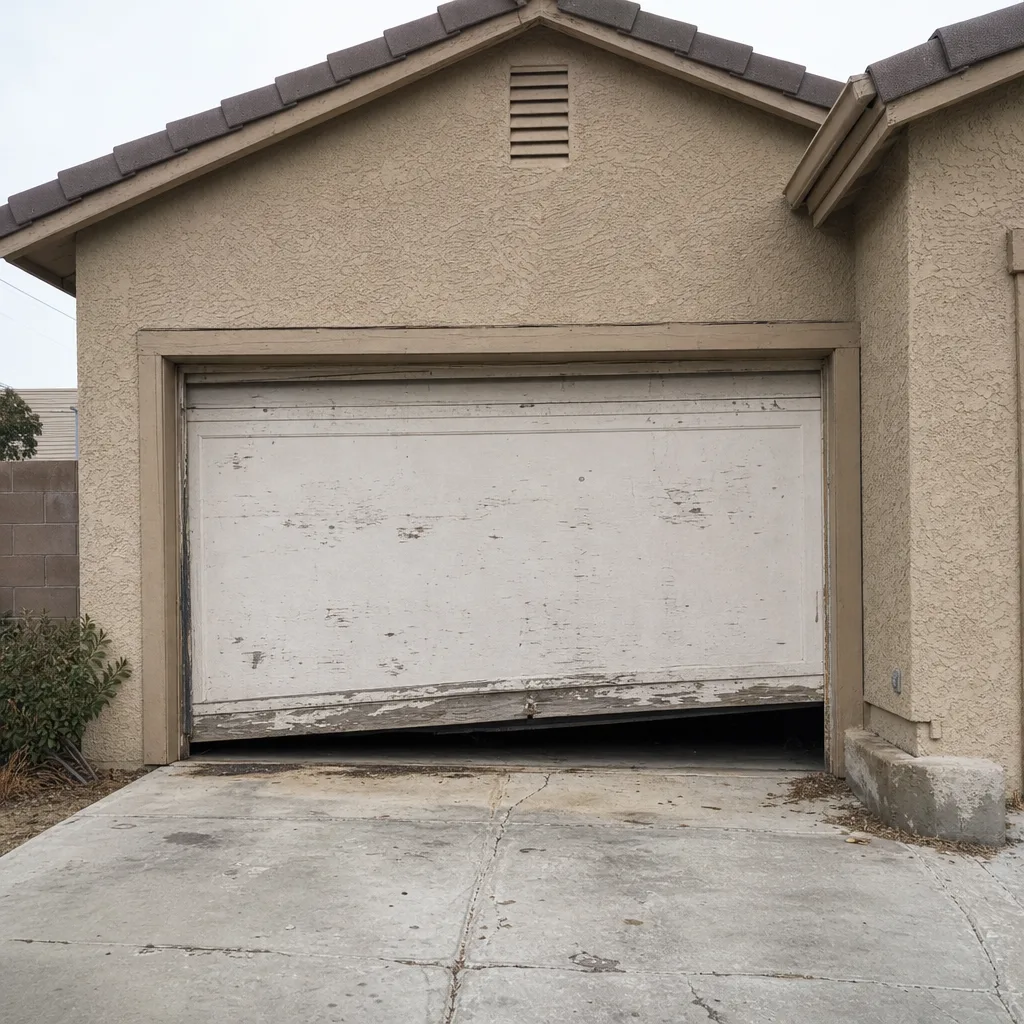
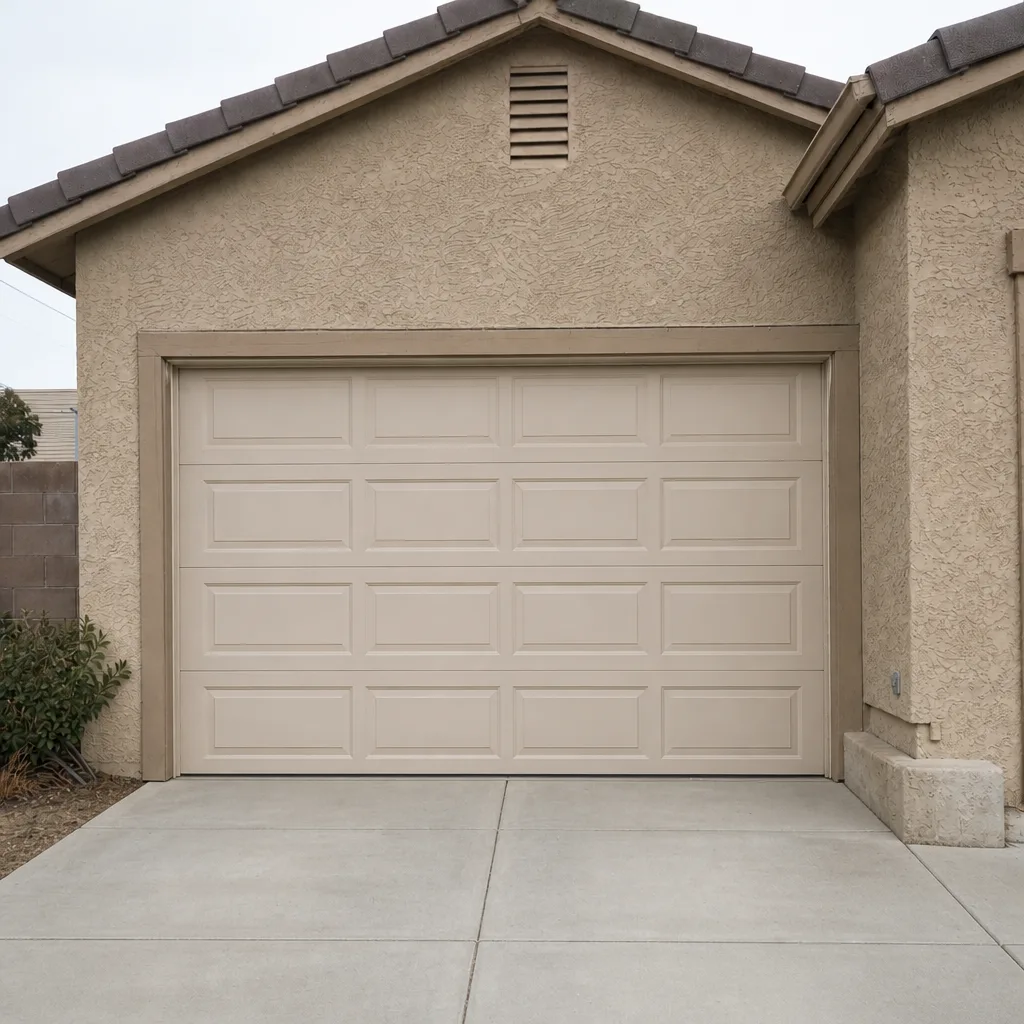
See the difference
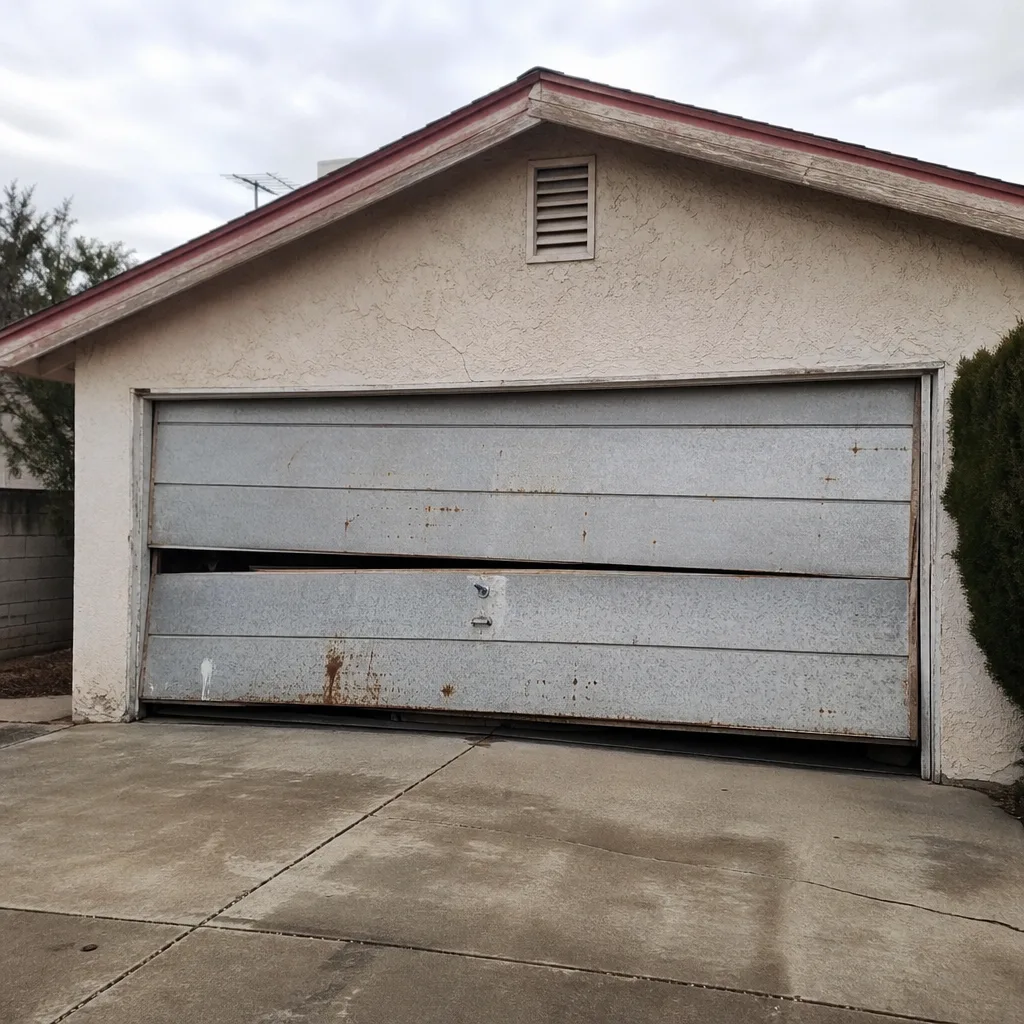 Before
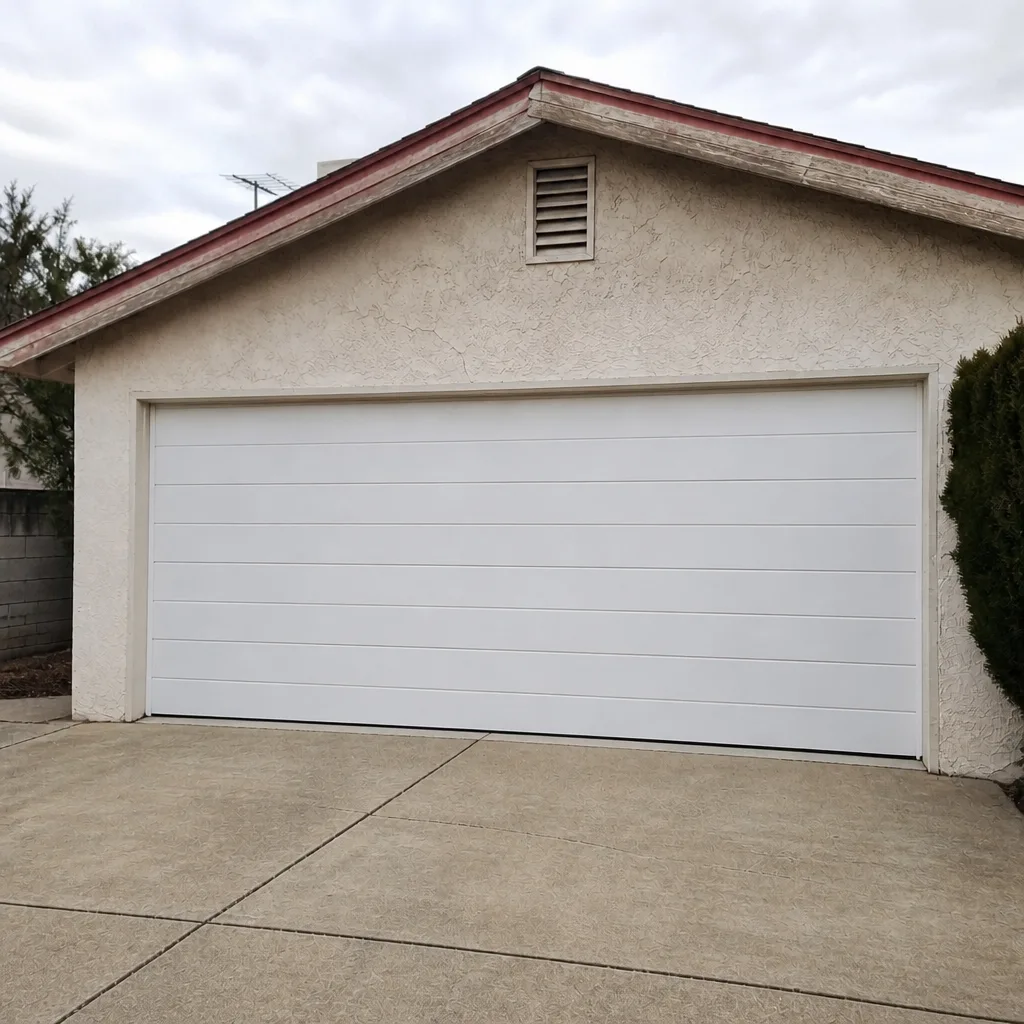 After
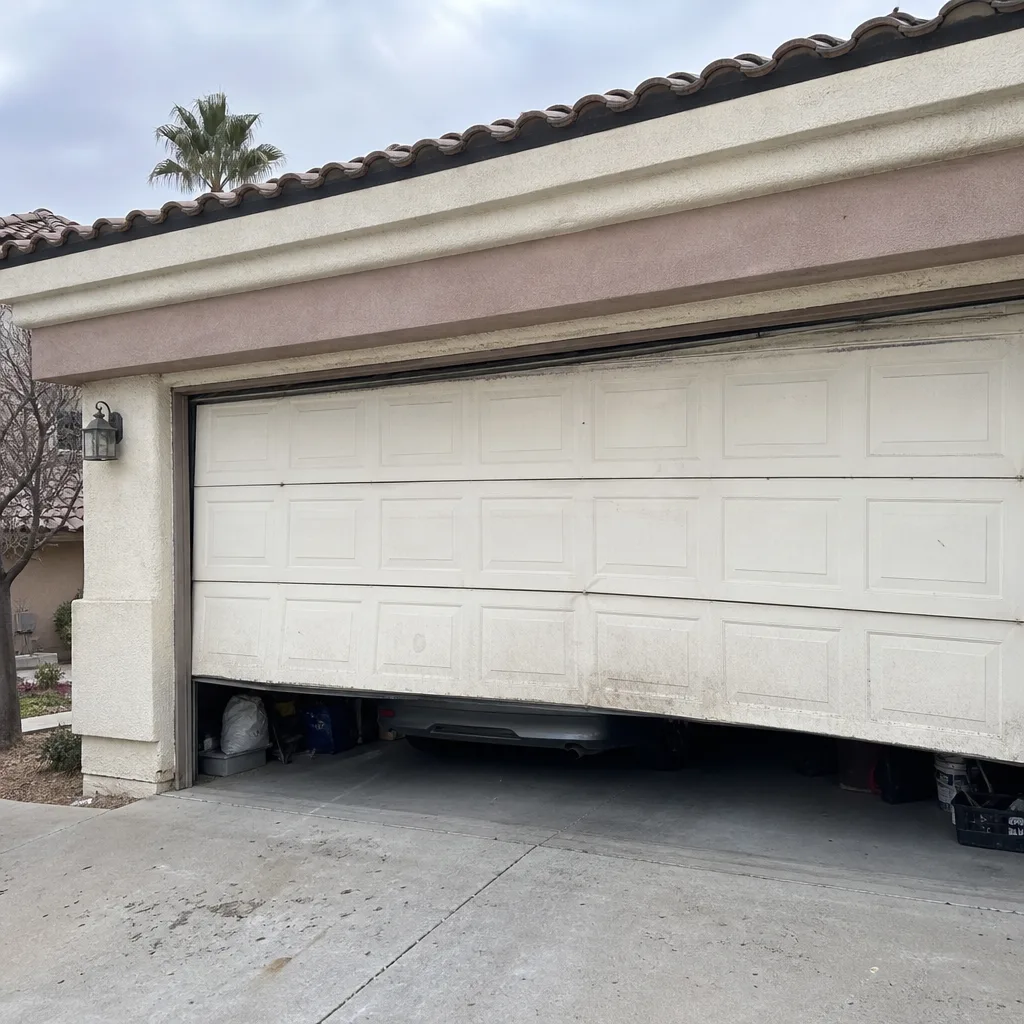 Before
 After
 Before
 After
When to Call a Professional
Some of this schedule is a homeowner’s job: the walk-around, the lubrication, the log. Some of it isn’t. Call a technician for any spring or cable issue, any time the door isn’t balanced, when the opener is making new grinding or clicking sounds, when a photo-eye won’t stay aligned, or when the door has passed 2,500 cycles without a professional evaluation. Spring and cable work is genuinely dangerous; those components carry the full weight of the door, and they can release suddenly. We’ve seen the consequences and we don’t recommend any homeowner touch them. If you’re relocating and inheriting a door with no maintenance record, a full inspection is also worth it before the first summer. Call (833) 605-8582 for an exact quote. Estimates are always free, and we’ll tell you exactly what the flat price is before any work starts.
For a scheduled tune-up or if you’re building a long-term service relationship, our Garage Door Opener in Boulder City page covers what to expect from an opener-side evaluation, and our Mainspring Garage Door Co. Boulder City home page has the full list of services. Free second opinion on any written estimate is one of our standing offers and worth using if you’re being quoted spring work. Our technicians have up to 10 years of experience, arrive background-checked and in uniform, and every job is covered by the 90-Day Done Right Promise in writing.
Frequently Asked Questions
Two to three times a year is the right cadence for most Boulder City doors, with the most important pass in April or early May before the summer heat peaks. Add professional evaluations at roughly 2,500 cycles regardless of calendar timing. The April pass matters more than the fall pass in this climate because heat accelerates wear.
Yes, the hinges, roller stems, and opener rail are safe to lubricate yourself. Do not lubricate the torsion spring, the cables, or the tracks. Those are either dangerous to touch under load or should stay dry for dust reasons. Use a high-temp grease or dry silicone product, not white lithium.
Use a high-temp lithium complex grease or dry PTFE spray rated for at least 250°F. Standard white lithium grease breaks down above 90°F and runs off the parts it’s supposed to protect. In Boulder City, that breakdown is happening six months of the year.
A spring that has gaps between the coils, rust-colored bloom, or that fails the balance test (the door won’t sit still at halfway) is a candidate for replacement. Spring life is measured in cycles, not years, and a spring evaluated at 2,500 cycles needs a professional opinion. Call (833) 605-8582 for a free estimate on a spring inspection.
A proper tune-up is worth it when it catches one hanging issue before it becomes a repair. Ours is $89 and covers lubrication, balance test, spring and cable inspection, and photo-eye check. If something needs repair, we state the flat price before the work begins. No surprises on the bill.
Log the date, the approximate cycle count, the tasks performed, any parts replaced with brand and part number, any technician work-order reference, and any marginal parts to watch next time. That record supports warranty claims and resale documentation, and it makes the next service call easier.
The Bottom Line
A maintenance schedule that respects cycles and heat beats a schedule that respects the calendar. Count your cycles, do the heavy-pass tasks in April, lubricate with a product rated for high heat, and keep a written log so the next service call starts from a place of information instead of guesswork. In Boulder City, that April pass is the difference between a door that runs quietly through August and one that calls in a technician in July. Most of this schedule is yours to run. The spring, cable, and professional evaluation passes are ours. If you need a technician or just want a second opinion on someone else’s quote, call (833) 605-8582. We’re local, we answer the phone with a live person around the clock, and we state the price before any work begins.
Written by the team at Mainspring Garage Door Co. Boulder City.