
Last updated November 18, 2026
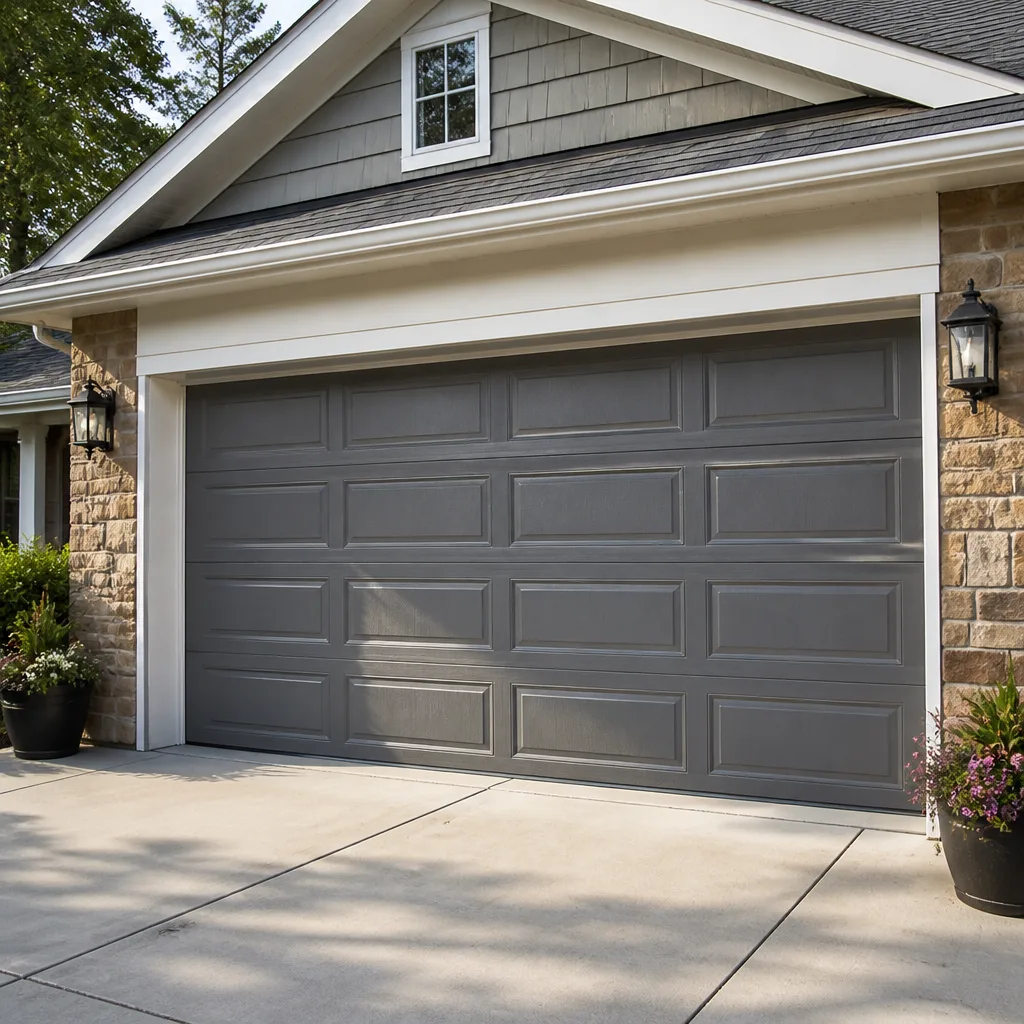 Raised-panel steel
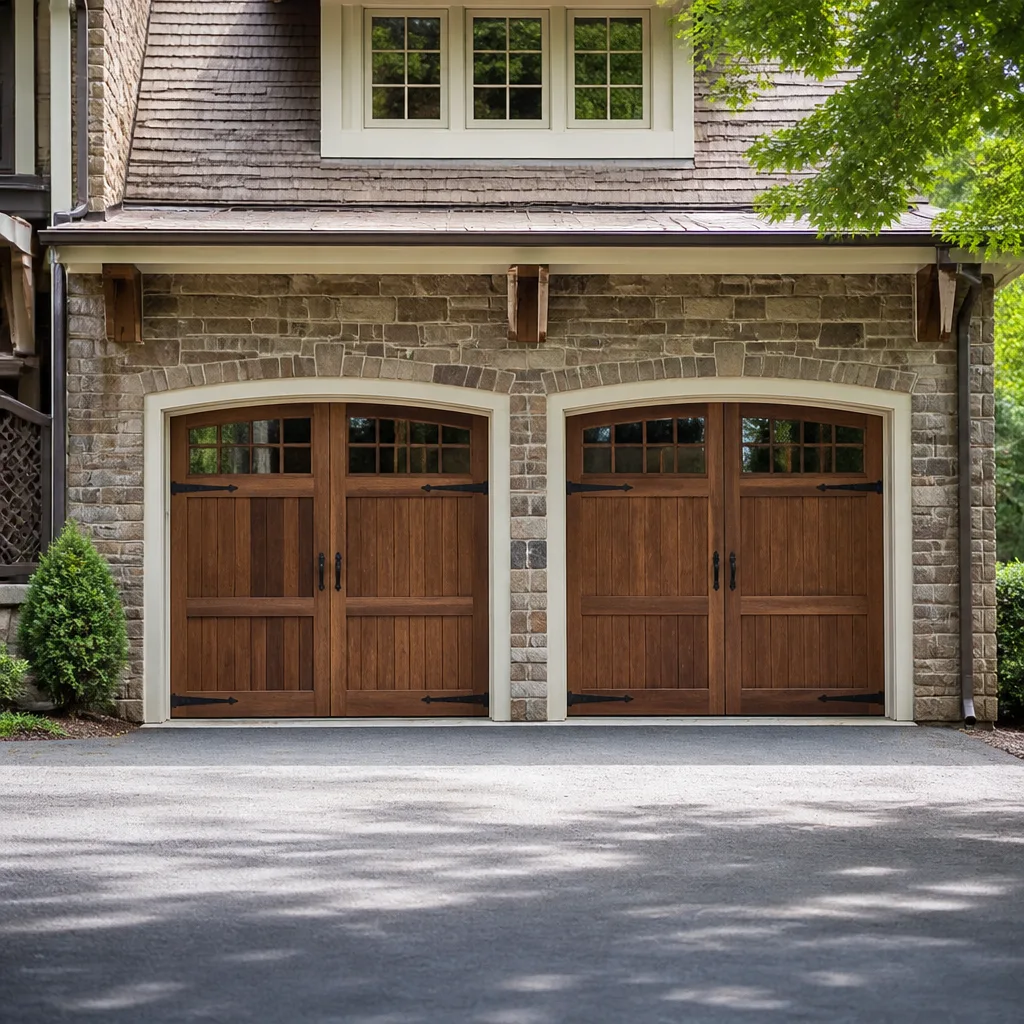 Carriage house
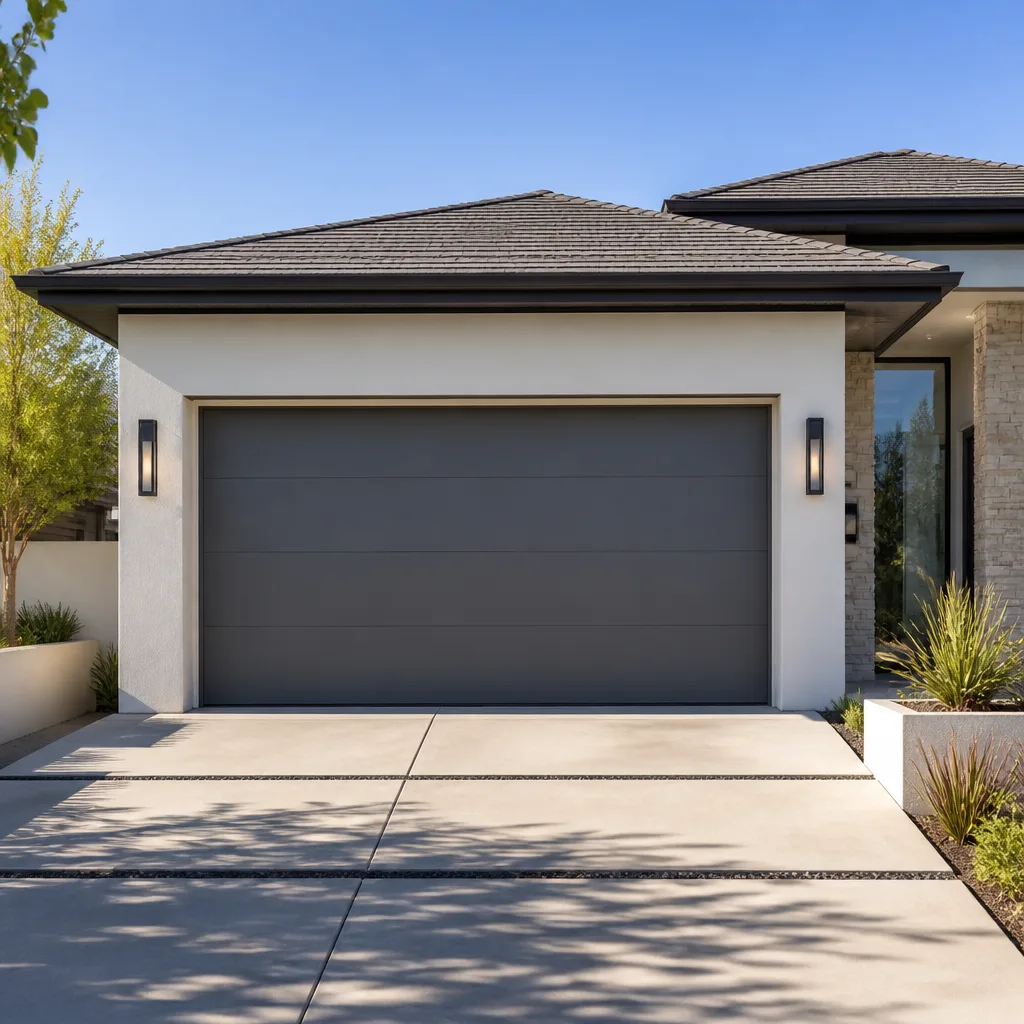 Modern flush
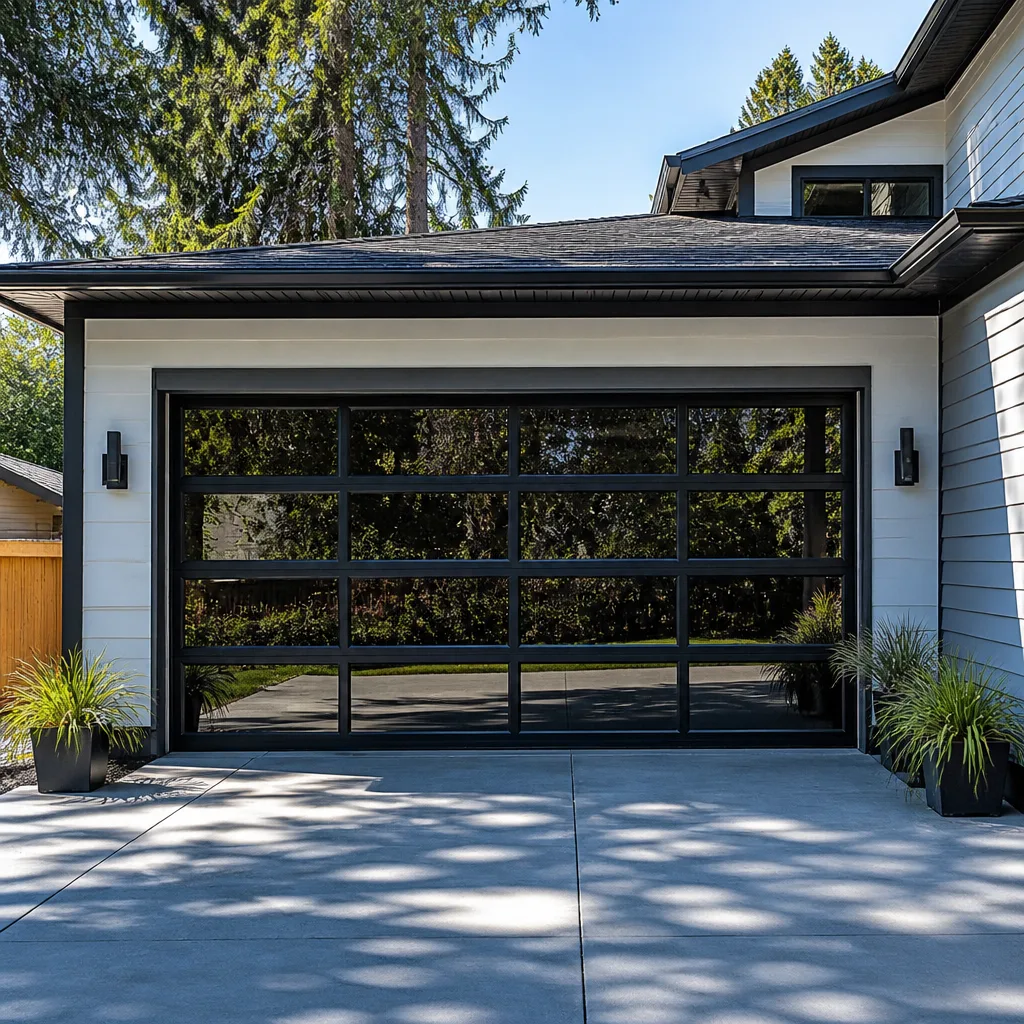 Full-view glass
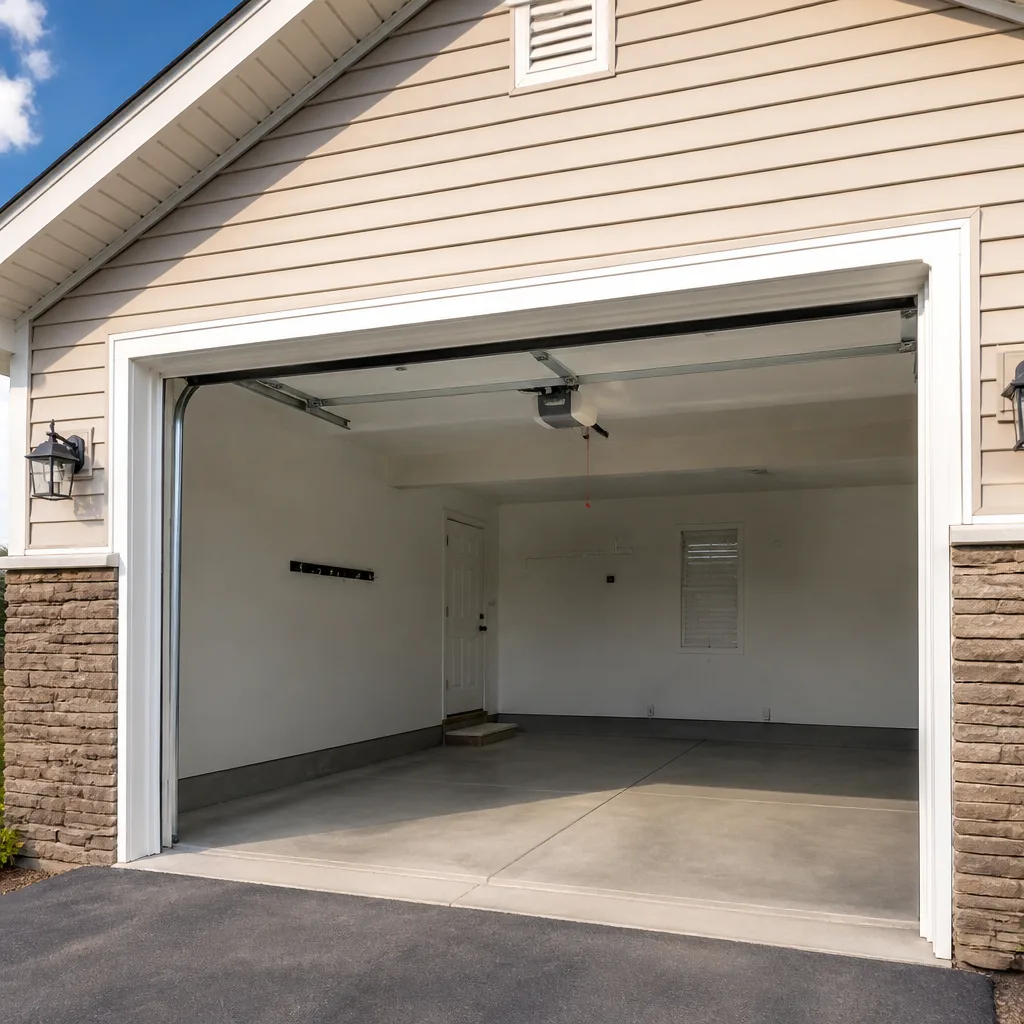 LiftMaster openers
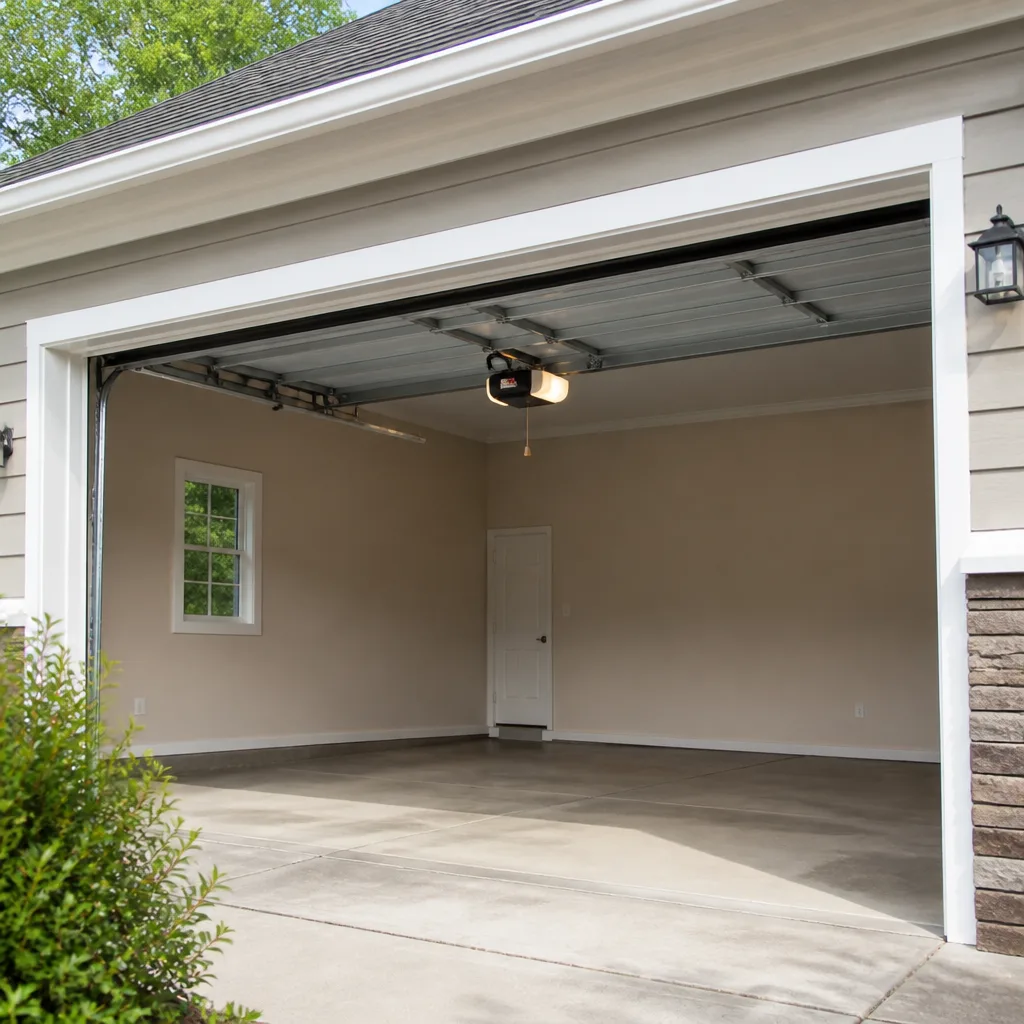 Chamberlain openers
Full 25-point door and opener safety check with every visit - springs, cables, rollers, tracks, and your LiftMaster or Chamberlain opener included
You get a price before we start. It does not change when the pro arrives.
Get your free estimateGarage Door Repair Warning Signs Every Homeowner Should Know
Most garage door failures don’t happen without warning. They announce themselves weeks in advance through specific sounds, movements, and visual cues that homeowners dismiss as normal aging rather than recognizing as repair triggers. The slight hesitation your door shows when it reverses direction isn’t the door warming up. It’s a spring that has lost measurable tension and is likely 30 to 60 days from snapping under load. In Boulder City, where summer heat pushes metal and dries out lubricant faster than most homeowners expect, those warnings come earlier and quieter than they do in cooler climates. This guide walks you through the seven physical signs ranked by urgency, the 90-second inspection that catches most impending failures before they strand a car inside, and how to describe what you’re seeing so the right parts arrive on the first visit.
The Seven Warning Signs, Ranked by Urgency
Not every warning sign means drop everything and call today. Some do. Knowing the difference between “call this morning” and “watch it for a month” saves you money and stress. Here’s how we rank them.
- Door reverses without touching anything (call today). If the door starts closing and then reverses on its own, the safety sensors or the opener’s force settings have failed. A door that reverses unpredictably can crush a pet or a child. Stop using it until a technician checks it.
- A snapped spring or dangling cable (call today). A loud bang from the garage followed by a door that won’t lift is a broken torsion spring. Never try to operate the door or lift it by hand. The cables and springs carry the door’s entire weight.
- One side of the door lower than the other (call today). An uneven door is never cosmetic. It almost always means a stretched or failing cable on one side, and it puts twisting stress on the panels and tracks.
- Grinding, scraping, or metal-on-metal noise (call within the week). This usually points to worn rollers, dry hinges, or a track that has shifted. It gets worse with every cycle, and heat in Boulder City accelerates the wear.
- Door hesitates or lurches at the start of travel (call within the month). That stutter is a spring losing tension or an opener straining against a door that’s heavier than it was designed for.
- Visible gaps, cracks, or rust on the springs (schedule within 30 days). Springs don’t fail cleanly. They show a thin rust line or a hairline crack before they break, and that crack is your warning window.
- Door drifts down a few inches when you release it (watch for 30 days). A properly balanced door stays put at any height. If yours sags, the balance is off and the spring is on its way out.
If you’re wondering how to read these against your specific door, the crew writing for our Mainspring Garage Door Co. Boulder City home page can walk you through it when you call.
Styles & brands we work with
- Raised-panel steel
- Carriage house
- Modern flush
- Full-view glass
- LiftMaster openers
- Chamberlain openers
The 90-Second Visual Inspection That Catches Most Failures
You don’t need to touch a spring to spot trouble. Stand outside the garage door, look at it head-on, and run through this sequence. It takes less than two minutes and catches roughly 70 percent of impending failures before they leave a car stuck inside.
- Look at the gap along the top and sides. The door should sit square in the opening with even gaps. A widening gap on one side signals a bent track or a hinge pulling loose.
- Look at the panel seams. Horizontal seams should line up straight across. A seam that kinks or bows means the door’s structural integrity is compromised and a panel could crack.
- Look at the springs above the door (from the floor, never on a ladder). A torsion spring is a coiled steel bar mounted on a shaft. Look for a visible gap, a rust streak, or a spring that appears looser on one side than the other.
- Look at the cables. They should run straight and tight along the sides. A cable that’s frayed, kinked, or hanging slack is a serious safety issue.
- Look at the rollers and hinges. Rollers worn flat or hinges that look dry and dusty will grind and eventually seize.
- Look at the weather seal. A torn bottom seal lets water, insects, and cold air in, and in Boulder City it’s the first thing desert sun degrades.
Do this once a month, especially after a windy spring or a summer heat wave. Photograph anything that looks off. If the door has more than a few years of hard use, this inspection is your best early-warning system.
The Difference Between Normal Noise and Warning Noise
Every garage door makes noise. The question is which noises are normal and which ones mean something is failing. Here’s how we describe the difference so you can identify what you’re hearing.
- Normal: A soft, steady hum from the opener motor, a quiet rattle of the door panels as they roll, and the click of the opener’s trolley engaging. This is the sound of a door doing its job.
- Warning: A grinding or grinding-scraping that sounds like metal dragging on metal. That’s a track or roller problem, and it will eventually break something.
- Normal: A gentle thud when the door reaches the floor and the opener stops.
- Warning: A sharp pop or bang from above the door. That’s a spring failing or a cable snapping, and it’s the sound you call about immediately.
- Normal: The chain or belt of a chain-drive opener making a light, rhythmic tick as it cycles.
- Warning: A rattle that gets louder as the door opens, or a squeal that builds with speed. Both point to worn components that need replacement, not lubrication.
In our experience in Boulder City, the heat dries out the lubricant on rollers and hinges faster than the manufacturer’s maintenance schedule anticipates. A door that runs quiet in winter can start grinding by August. If the noise changed on its own, treat it as a warning. For opener-specific sounds and service, the Garage Door Opener in Boulder City page covers what to listen for.
Why an Uneven Door Is Never Cosmetic
A door that hangs lower on one side is the most commonly dismissed sign we see. Homeowners assume it’s the door settling, or the track being slightly off. It isn’t. An uneven door almost always means a cable on one side has stretched or is beginning to fail, and it implicates the cable, the drum it wraps around, and the spring that carries the load every time the door moves. If left alone, the door twists in its tracks, the panels bow, and eventually the cable snaps under tension. That’s a safety hazard, and it’s a much more expensive repair than the cable replacement would have been.
The only time an uneven door is cosmetic is when the slab the garage sits on has settled, which is a foundation issue, not a door issue. If the door itself is square in its opening and the gap is even all the way around, you’re fine. If one side dips, call. Our Garage Door Repair in Boulder City team sees this most often in older homes where the original cables have done their job for years and are at the end of their working life.
How to Photograph and Describe Warning Signs When You Call
When you call for service, the more precisely you describe what you’re seeing, the more likely the technician arrives with the right parts the first time. A vague description like “the door is acting weird” means a technician who has to guess at parts, and a second visit if the guess is wrong. Here’s how to give a useful description.
- Photograph the spring from the floor. Stand back and take a picture of the whole spring assembly above the door. Note whether it’s a torsion spring (a horizontal bar across the top) or extension springs (two springs running along the sides).
- Photograph the side of the door that looks off. Get the cable, the drum, and the hinge line all in one photo.
- Note the door’s brand and model if you can see it. Most doors have a sticker on the inside of a panel. Brands we work with regularly include Raynor, LiftMaster, Chamberlain, and Genie.
- Describe the sound in plain words. “It pops when it starts to close” is more useful than “it’s noisy.” “It grinds for the first few inches” tells a technician about the track and rollers.
- Say when it happens. At the start of travel, in the middle, at the very bottom. Each points to a different component.
The more of this you can pass along, the fewer trips it takes. That’s part of why we keep a stocked truck and a live person on the phone around the clock. You can reach us at (833) 605-8582 and we’ll take the details.
Seasonal Signs to Watch For in Boulder City
Boulder City’s climate does specific things to garage doors. The summer heat is the obvious factor, but the wind and the dust matter just as much. Between May and September, metal expands during the day and contracts at night. That cycle works the fasteners loose and dries out lubricant on every moving part. Dust from the surrounding desert works its way into the tracks and rollers. After a windstorm, check the track alignment and the bottom seal first.
The spring is where the heat does the most damage. A torsion spring is under constant tension, and extreme heat weakens the steel over time. A spring that would last a decade in a milder climate can lose meaningful tension within a few years in Boulder City. Combine that with a door that gets used twice a day, and you have a component that can fail earlier than expected. That’s why the 90-second inspection is worth doing more often here than a generic maintenance calendar would suggest. If the door is nearing the point where the spring, the rollers, and the opener all need attention at once, it may be time to talk about a new door through our Garage Door Installation in Boulder City service.
How the Warning Signs Add Up to a Repair vs. Replace Decision
A single warning sign rarely means you need a new door. But when several stack up, the math changes. If the door is on its second set of springs, the panels are bowed from an old cable failure, and the opener is straining on every cycle, the cost of repairs can approach the cost of replacement. A door that’s structurally sound and just needs a spring and new rollers is a straightforward repair. A door with cracked panels, a misaligned frame, and a failing opener is usually worth replacing.
Our technicians have up to 10 years of experience reading that decision, and we’ll tell you plainly which side of it your door is on. We don’t sell a new door when a spring will do, and we don’t patch a door that’s past saving. That’s what we mean by a square deal. If you’re unsure, the Free Second Opinion on any written estimate exists for exactly this moment. Whatever the answer, the price is quoted and agreed before any work starts.
See the difference
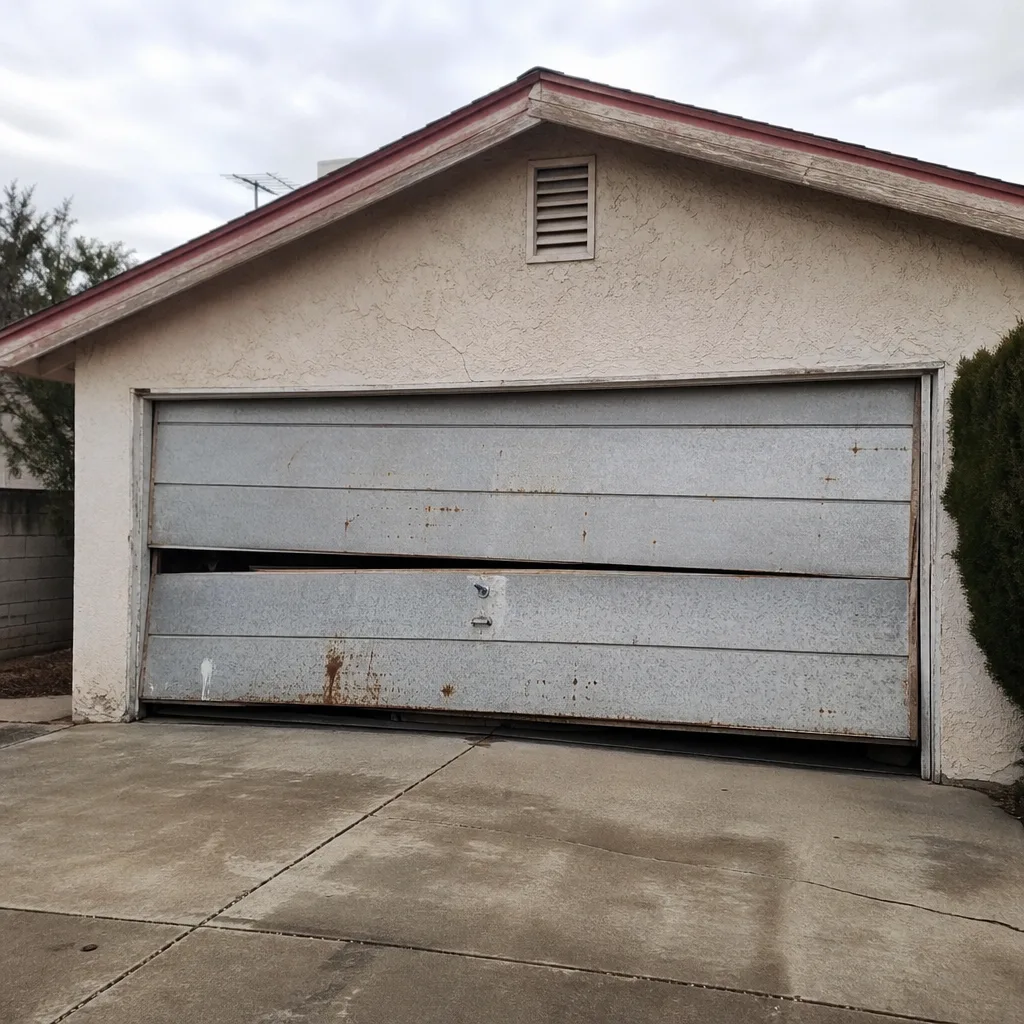 Before
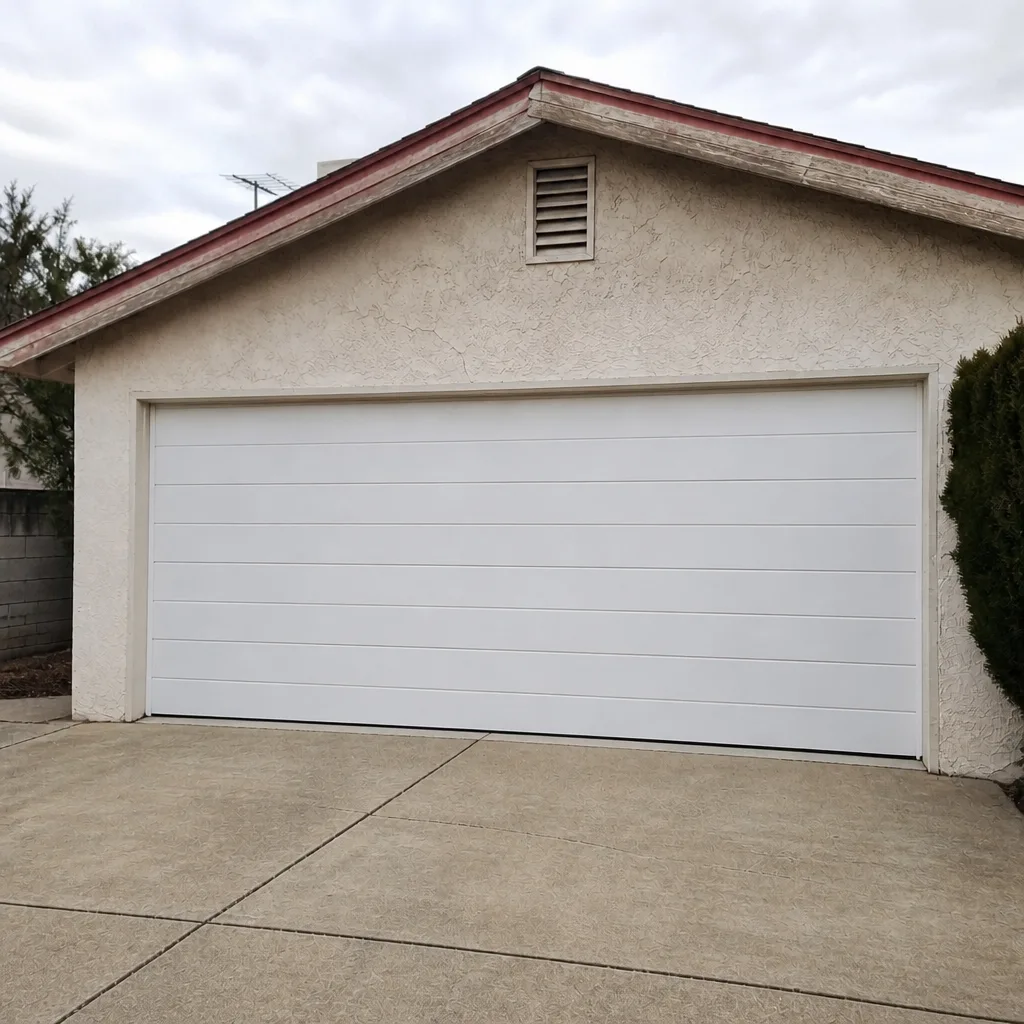 After
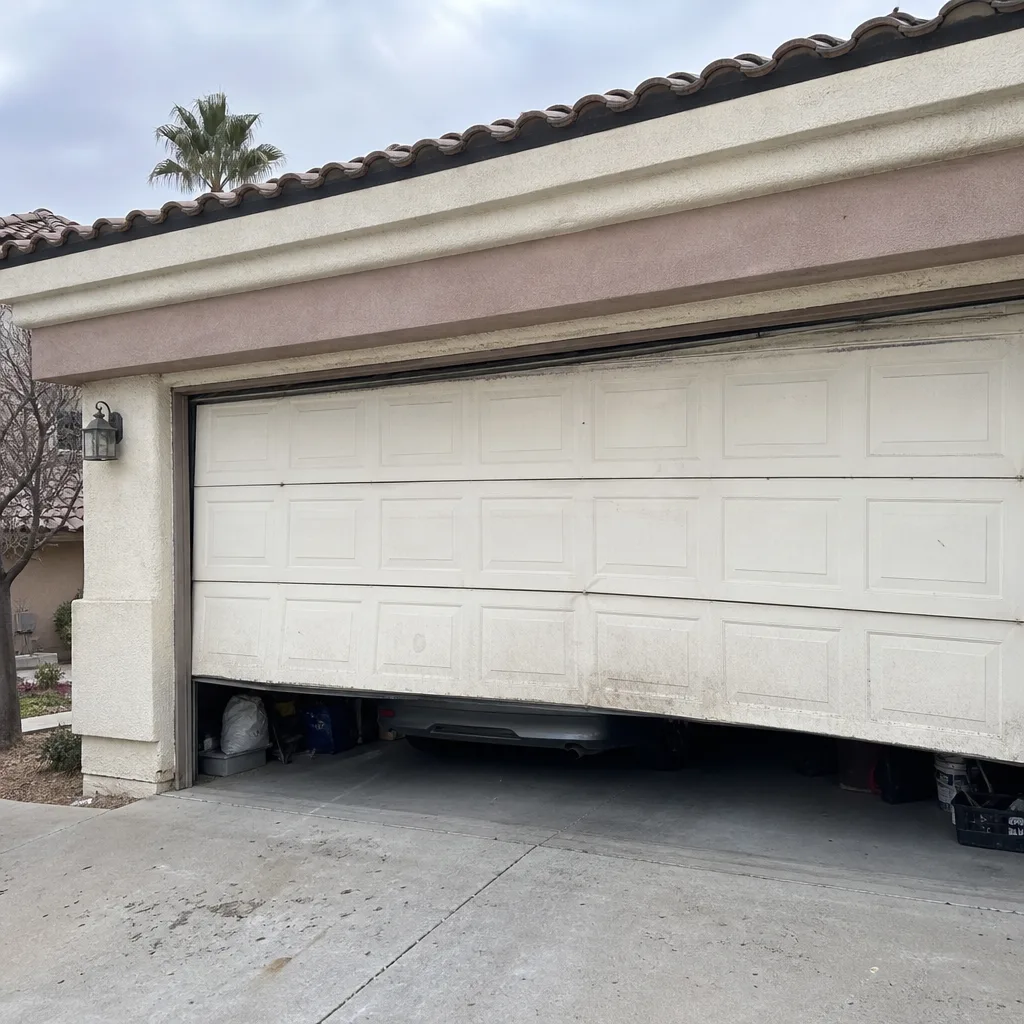 Before
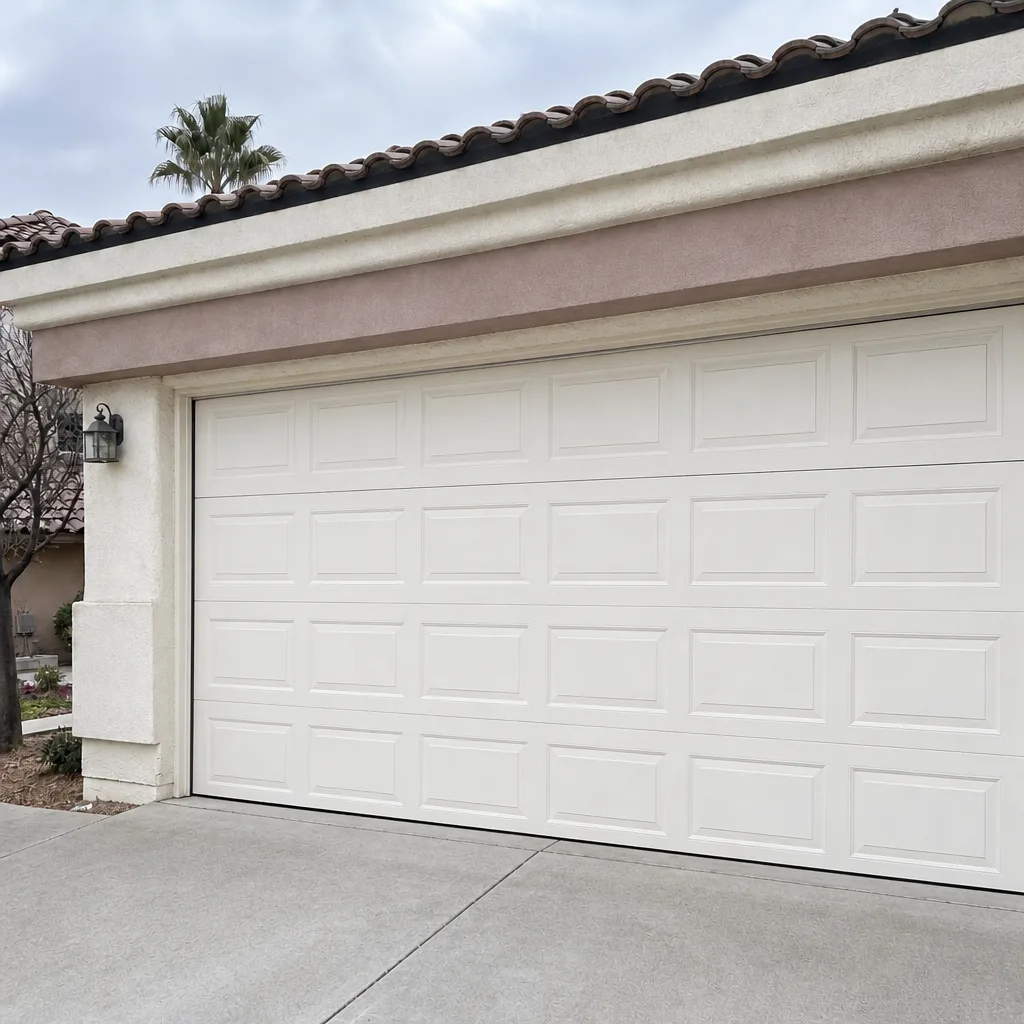 After
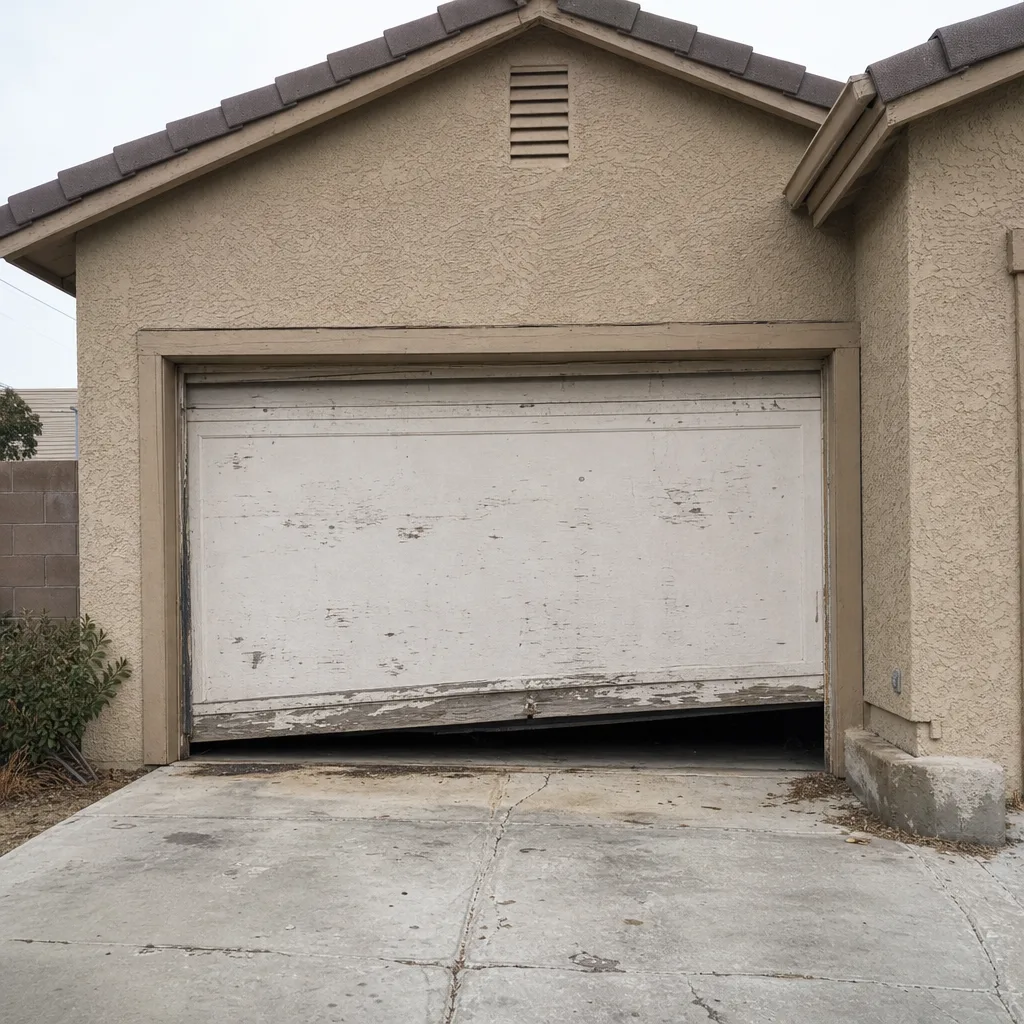 Before
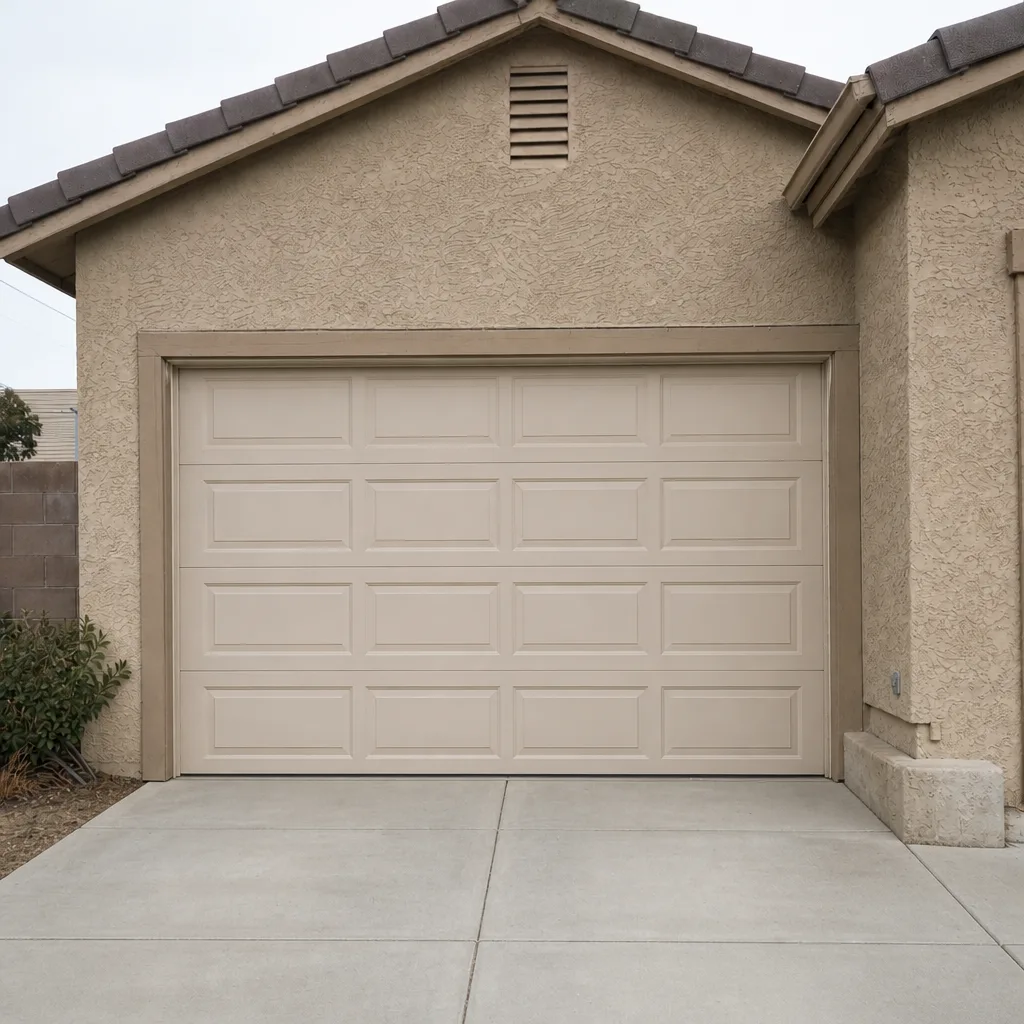 After
Common Mistakes to Avoid
- Ignoring the hesitation at the start of travel. That stutter is the door telling you a spring is losing tension. Waiting for the door to stop working entirely means paying for an emergency call and a more expensive repair.
- Lubricating the springs to “fix” a noise. The springs need no lubrication, and the spray can mask a crack that’s about to fail. Clean and lubricate the rollers and hinges instead, and have the springs inspected.
- Assuming an uneven door is a settling house. It’s almost always a cable or spring issue, and it gets more expensive the longer you wait.
- Trying to lift a broken door by hand to get the car out. With a spring snapped, the door’s full weight is unsupported. This is how serious injuries happen. Leave it closed and call.
- Skipping the after-windstorm inspection. The desert wind in Boulder City shifts tracks and blows dust into rollers. A quick visual check after a big blow saves a repair.
- Calling with a vague description. “The door is acting weird” guarantees a guessing game. Photograph the spring, the cable, and the noisy section, and name the brand.
- Paying a second visit for parts that should have been on the truck. A technician who arrives without the right spring or roller is a technician who wasn’t told the whole story on the phone.
When to Call a Professional
Call a professional the moment you hear a sharp pop from the spring assembly, see the door reverse on its own, or notice one side dipping below the other. Those are call-today signs, and they carry real injury risk. For grinding, squealing, or a door that hesitates on every cycle, schedule service within the month. Springs and cables are under extreme tension and require trained hands and the right tools; this is not a homeowner repair. Mainspring Garage Door Co. Boulder City offers free estimates in Boulder City. Call (833) 605-8582 and a live person will take your details and get you on the schedule.
Frequently Asked Questions
The first warning is usually a hesitation or stutter when the door starts to move, followed by the door feeling heavier than it used to. A visible rust line or hairline crack on the spring itself is the clearest physical sign that failure is close. If you see or feel either, call for an inspection before the spring snaps.
No. Torsion and extension springs store enough energy to cause serious injury or death if handled incorrectly, and they require specialized tools. A snapped spring also leaves the door’s full weight unsupported. Leave the door closed, keep everyone out of the garage, and call a trained technician. In Boulder City, call (833) 605-8582 for a free estimate.
We recommend the 90-second visual inspection once a month and a professional tune-up once a year, because the Boulder City heat and dust accelerate wear on springs, rollers, and tracks. After a major windstorm, do the visual check again. The $89 Seasonal Tune-Up covers the professional inspection and adjustment.
A crooked door almost always means a stretched or failing cable on one side, which puts uneven load on the door and the spring. That’s a safety issue and a sign of a repair that should happen now, not later. A trained technician can usually identify the failed component on the first visit. Call (833) 605-8582 for a free quote.
No. We quote a flat price upfront and confirm it with you before any work begins, so you know the total before the wrench comes out. If the inspection reveals something that changes the repair, we tell you and you decide. There are no surprises on the bill.
Tell them the door’s brand, whether it’s a torsion or extension spring, what the sound is and when it happens, and which side looks off. Photos of the spring and the cable help. The more precise the description, the more likely the right parts arrive on the first visit. Call (833) 605-8582 and we’ll take it from there.
Quick Answer
Garage door failures almost never happen without warning. The signs to watch for, ranked by urgency, are a door that reverses on its own, a snapped spring or dangling cable, one side hanging lower than the other, grinding or metal-on-metal noise, and a door that hesitates or stutters at the start of travel. Do the 90-second visual inspection from outside the garage once a month, and call for service the moment you see or hear a call-today sign.
Table of Contents
- The Seven Warning Signs, Ranked by Urgency
- The 90-Second Visual Inspection That Catches Most Failures
- The Difference Between Normal Noise and Warning Noise
- Why an Uneven Door Is Never Cosmetic
- How to Photograph and Describe Warning Signs When You Call
- Seasonal Signs to Watch For in Boulder City
- How the Warning Signs Add Up to a Repair vs. Replace Decision
- Common Mistakes to Avoid
- When to Call a Professional
- Frequently Asked Questions
The Bottom Line
Your garage door is a heavy machine under constant load, and it tells you when something is wrong weeks before it fails. Hear a pop, see a dip, catch a stutter, or notice a grind, and treat it as a repair trigger rather than normal aging. Do the 90-second inspection once a month, photograph anything suspicious, and describe it precisely when you call. In Boulder City’s heat and dust, the springs and cables are the parts to watch most closely, and an uneven door is never just cosmetic. If you’d rather leave the reading to a trained eye, call (833) 605-8582 for a free estimate. A live person answers around the clock, and the flat price is agreed before any work starts.
Written by the team at Mainspring Garage Door Co. Boulder City.