
Last updated November 18, 2026
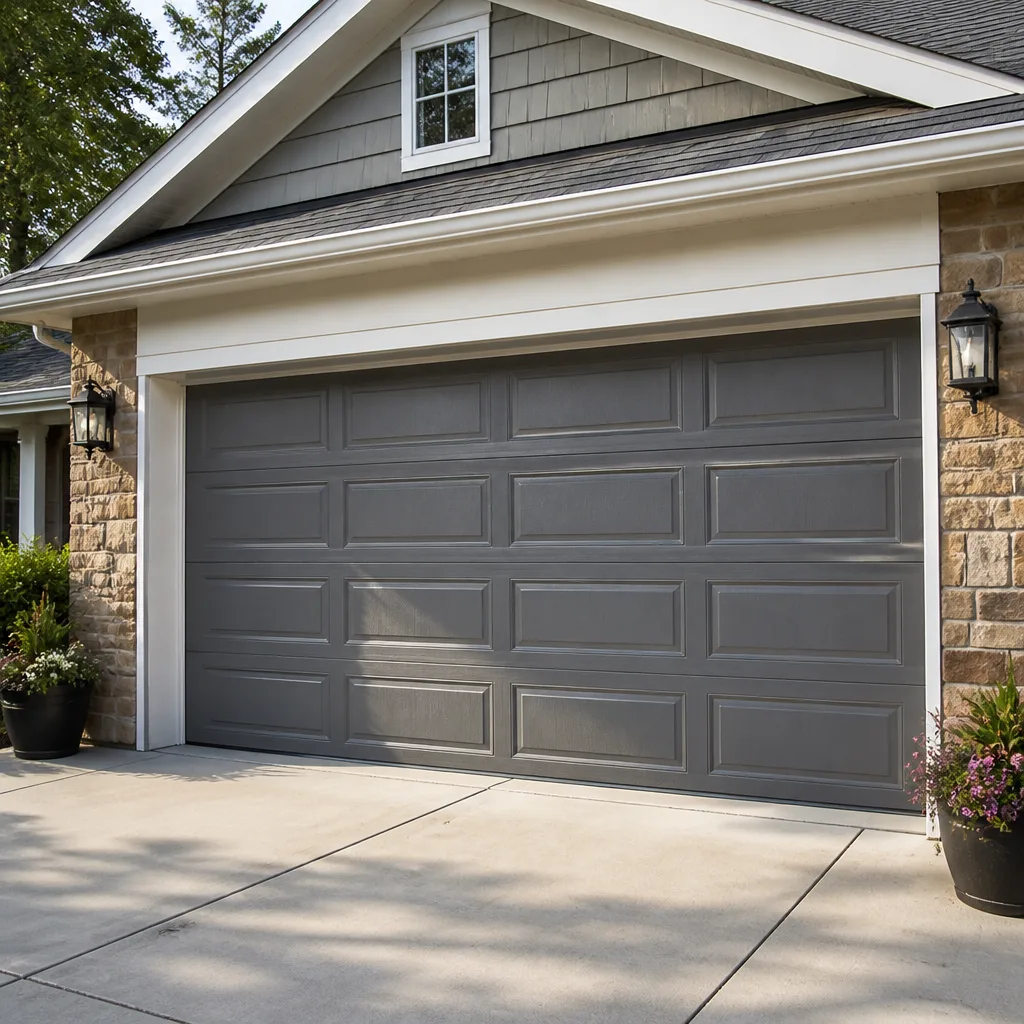 Raised-panel steel
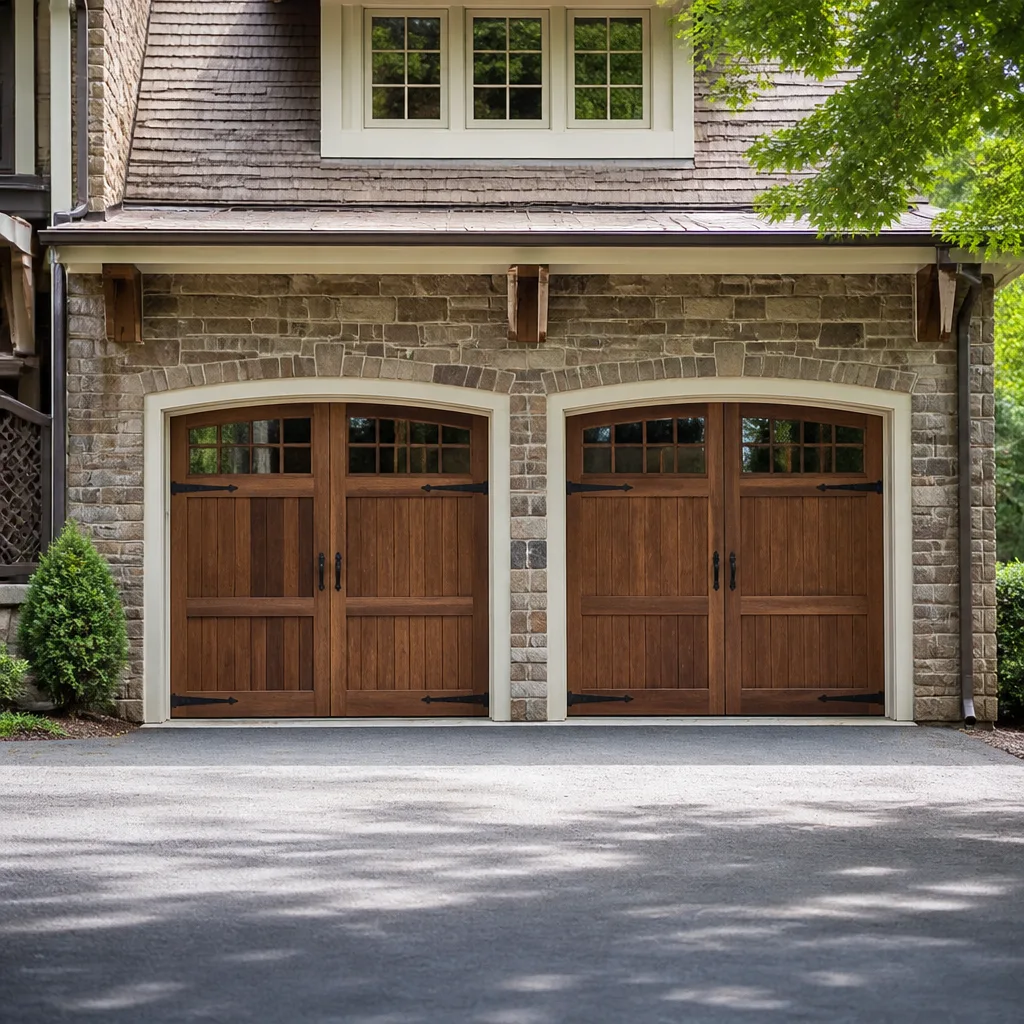 Carriage house
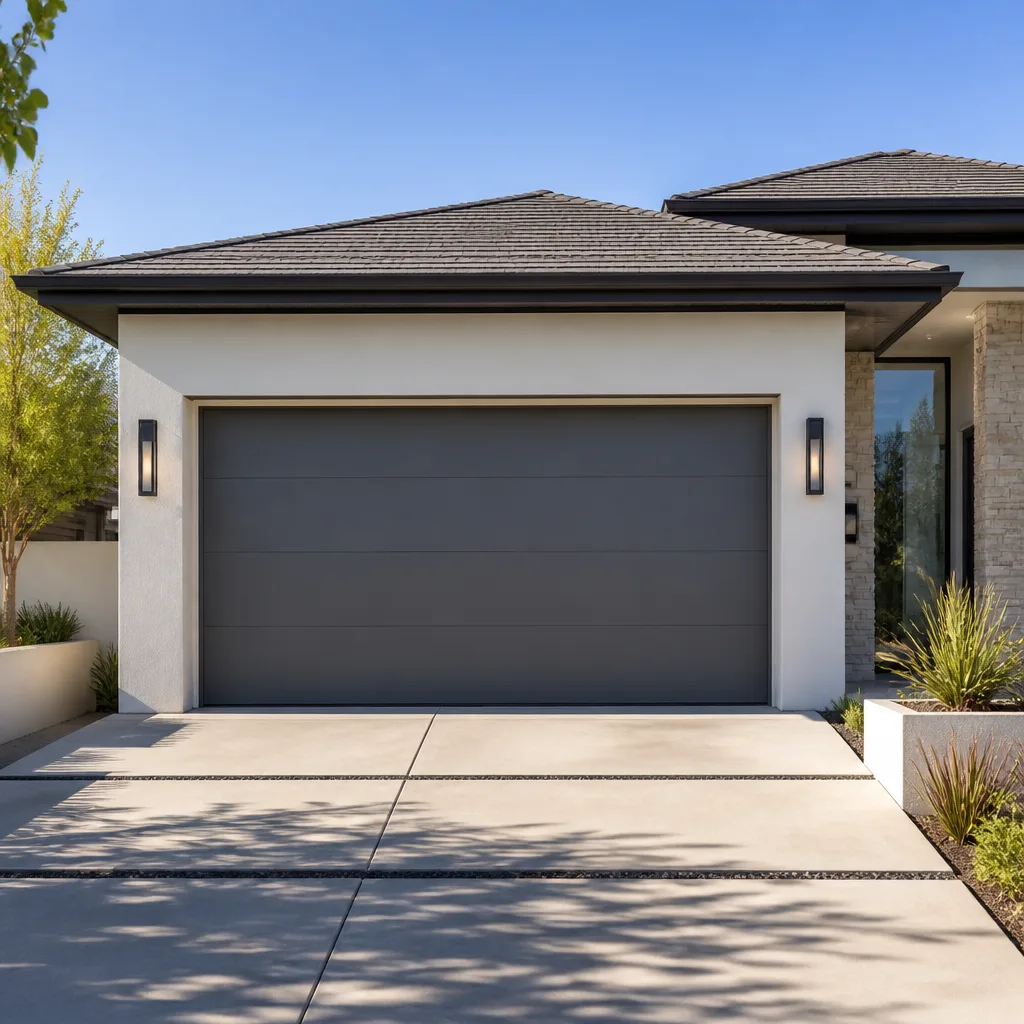 Modern flush
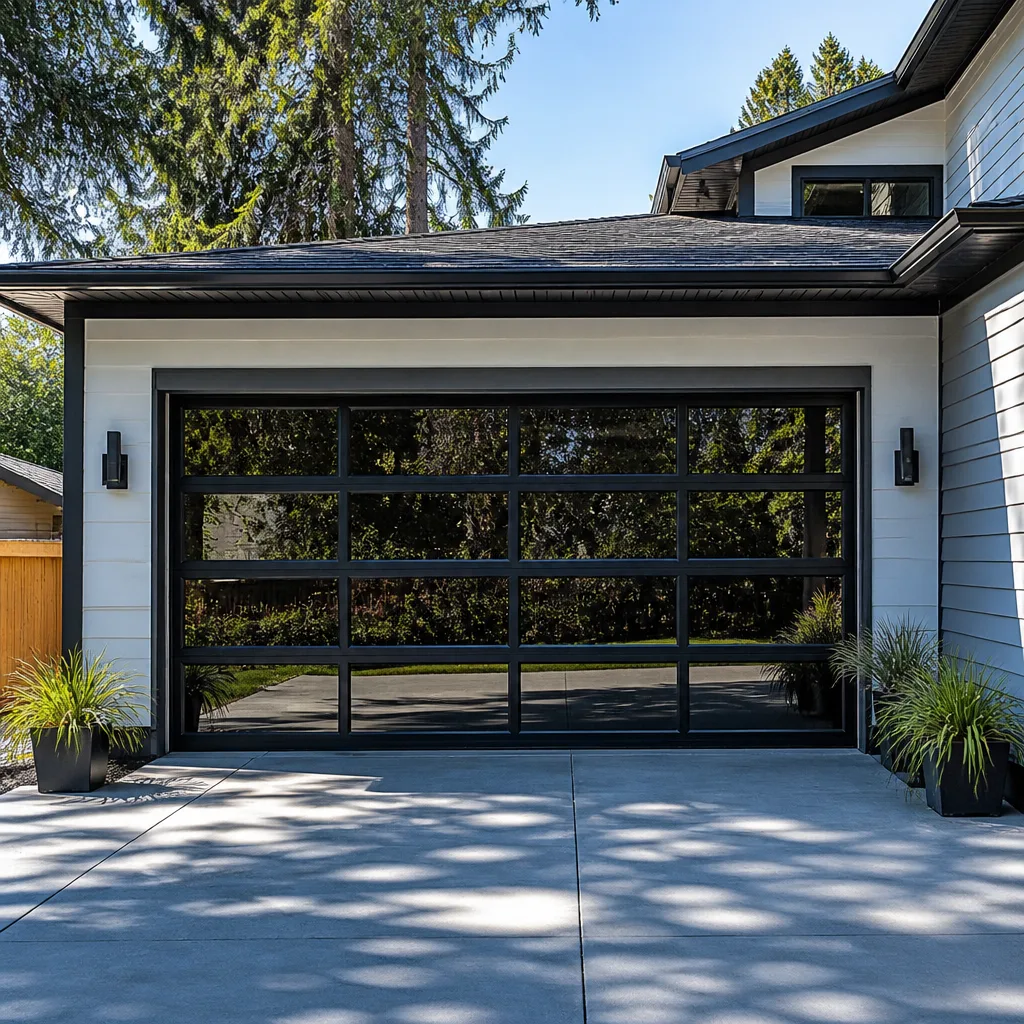 Full-view glass
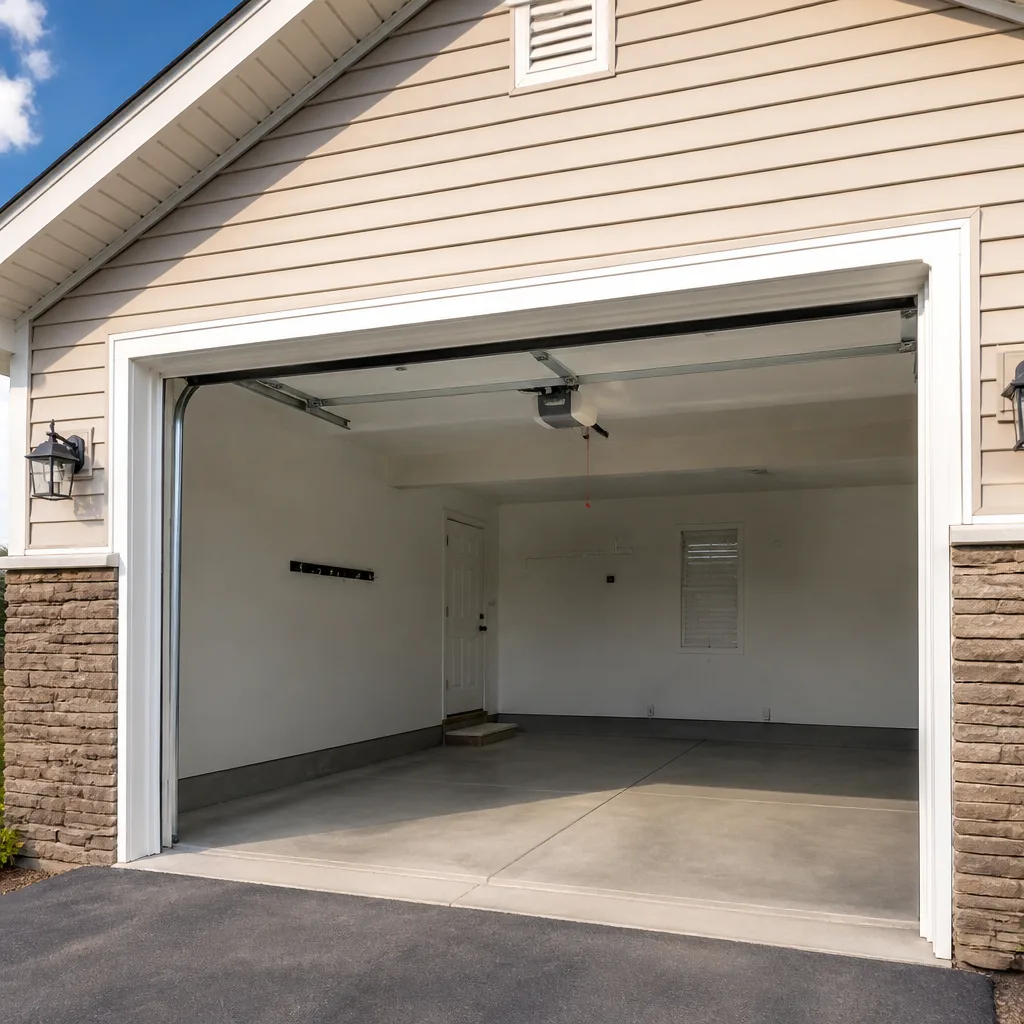 LiftMaster openers
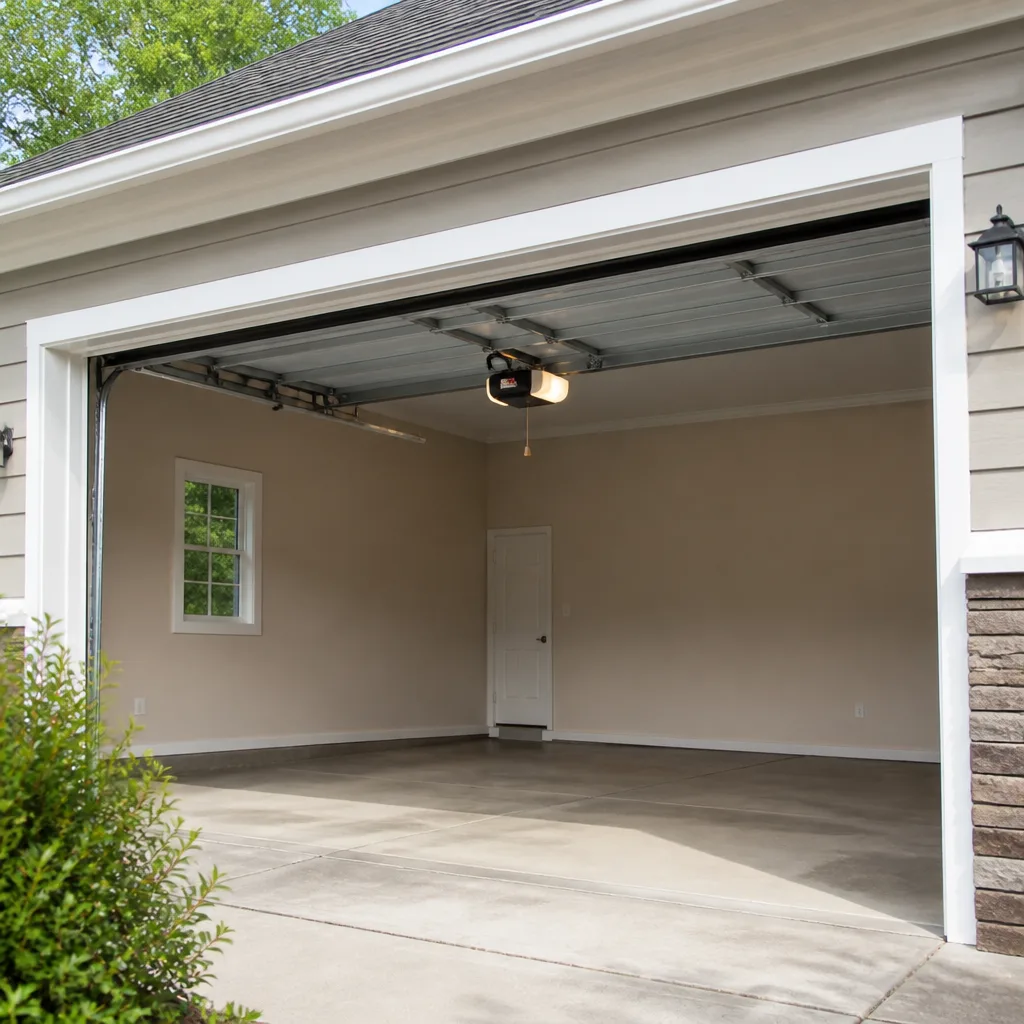 Chamberlain openers
Full 25-point door and opener safety check with every visit - springs, cables, rollers, tracks, and your LiftMaster or Chamberlain opener included
You get a price before we start. It does not change when the pro arrives.
Get your free estimateEmergency Garage Door Maintenance Schedule: What to Do and When
Emergency garage door calls spike in Boulder City in two windows: late May, when temperatures first cross 100°F, and late October, when they drop 40 degrees overnight. Both are predictable. Neither has to become your emergency.
Here’s the counterintuitive part. There is no such thing as an “emergency maintenance schedule.” Nobody schedules a broken spring for a Tuesday. But there is a set of quarterly checks that eliminates most of the conditions that cause emergencies in the first place. That’s what this guide is about: reframing maintenance as emergency prevention, not routine upkeep. By the end you’ll know the two Boulder City stress windows, the five pre-emergency indicators worth watching, and the cost math behind catching a $12 roller before it becomes a $400 call.
Quick Answer
A workable garage door maintenance schedule runs a one-minute visual check every month, a full hands-on inspection in spring and fall timed to Boulder City’s two temperature swings, and one professional tune-up a year. That cadence catches the five failure modes that trigger most emergency calls – frayed cables, worn rollers, a widening spring gap, a bowed track, and drifting opener sensors – while they’re still cheap to fix.
Styles & brands we work with
- Raised-panel steel
- Carriage house
- Modern flush
- Full-view glass
- LiftMaster openers
- Chamberlain openers
Table of Contents
- Why Boulder City’s Climate Sets the Schedule
- The Two Seasonal Stress Windows
- The Five Pre-Emergency Indicators
- The One-Minute Monthly Check
- Your Quarterly Maintenance Checklist
- What the 90-Day Promise Covers (and What It Doesn’t)
- The Cost Math: Prevention vs. Emergency
Why Boulder City’s Climate Sets the Schedule
Generic maintenance advice tells you to check your door “seasonally.” That’s fine if you live somewhere with four even seasons. Boulder City doesn’t. The desert here pushes a garage door through a much harder range than a coastal or midwestern schedule assumes, and the wear concentrates in short, violent windows rather than spreading out evenly across the year.
Think about what a door actually endures in Boulder City. Summer afternoons sit above 100°F for weeks, and the metal tracks, springs, and hinges absorb that heat all day. Then the sun drops behind the McCullough Range and temperatures fall fast overnight. That daily expansion and contraction, repeated across a season, works every fastener and bushing on the door. Add the dust that blows in off the open desert around Railroad Pass and the fine grit that settles into tracks and roller races, and you have a mechanical system under steady abrasion.
The metal fatigue doesn’t arrive gradually. In our experience, torsion springs and cables fail most often right at the moment of a sharp temperature swing, not in the middle of a mild stretch. A spring that survived all winter can let go the first week the mercury pushes past 100. The heat is the stress test, and it comes twice a year, on a schedule you can actually plan around.
That’s the whole premise of this guide. You’re not maintaining a door so it runs quieter. You’re front-running two predictable windows when the door is most likely to break, and getting ahead of them. A door that gets a tune-up before late May and another check before late October simply has fewer surprises waiting.
The Two Seasonal Stress Windows
Build your calendar around these two windows. Everything else is secondary.
Window One: Late May (heat arrives)
This is when Boulder City crosses 100°F for the first time and the door’s thermal load jumps. If you do one professional tune-up a year, late April or early May – just ahead of the first big heat – is the right slot. You want a technician’s eyes on the springs, cables, and rollers before the door starts working in extreme heat, not after a spring snaps on a Saturday afternoon.
Window Two: Late October (the overnight drop)
The desert fall is abrupt. A 40-degree overnight shift puts fresh contraction stress on springs and tracks within days. This window calls for the full homeowner inspection – the quarterly checklist below – done before the cold settles in. If the May tune-up flagged anything marginal, this is when you confirm it held.
- Late April/early May: professional tune-up ahead of the heat.
- June through September: monthly one-minute check, nothing more.
- Mid-to-late October: full quarterly inspection as temps fall.
- January: mid-winter visual pass, light touch.
- April: repeat the annual tune-up cycle.
Two hard checkpoints, one annual professional visit, and a light monthly habit. That’s the entire schedule. A door under that level of attention rarely produces an emergency call.
The Five Pre-Emergency Indicators
Every emergency we get called for in Boulder City started as a small, visible warning that went unwatched. These five conditions are exactly what routine maintenance is designed to catch. None require a professional eye to spot, though two of them need a professional to fix safely.
- Cable fraying. Look at the cables running along each side. Smooth and tight is good. Frayed strands, a fuzzy look, or a kink mean the cable is on its way out. Cables carry the door’s load and are under dangerous tension – do not touch or adjust them yourself. Flag it and call.
- Roller wear. Worn rollers get flat spots or start to wobble. A door that trembles as it travels is telling you the rollers are past their service life. This is cheap to replace and worth doing before one seizes and bends a track.
- Spring gap. Torsion springs stretch over time. A visible gap in the coil, or a door that feels heavier than it used to when you lift it by hand (with the opener disconnected), means the spring is losing its charge. A spring on the edge of failure is the classic late-May or late-October surprise.
- Track bow. Stand back and sight down each vertical and horizontal track. It should be straight. A bend or a widening gap between track and roller means the door is being forced off its path – and that wears everything else faster.
- Sensor drift. The safety sensors near the floor should be aligned and their indicator lights steady. Drift is usually a knock or a dusty lens, but it will stop your door dead at the worst moment. Wipe the lenses and confirm alignment monthly.
Two of these – frayed cables and a slacking spring – are genuinely dangerous to handle, which is why we recommend a trained professional for either one. A torsion spring under load stores enough energy to injure someone badly. “How it works” is worth knowing; “how to do it yourself” is not, not for those two.
The One-Minute Monthly Check
Here’s the habit we ask homeowners to build. Once a month, run one full open-and-close cycle with the garage lights off, and watch the door rather than just listening to it.
The lights-off part matters. In daylight or with the garage lit, you hear the door but don’t really see it. Kill the lights and the eye picks up things the ear misses: a slight shudder on the way up, a hesitation near the top, a sensor light flickering when the door passes. Watch the whole cycle. Listen second.
What you’re watching for in that one minute:
- Does the door travel smoothly, or does it catch somewhere?
- Does it open and close at an even pace, or slow down near the top or bottom?
- Do the safety sensors hold a steady light the whole time?
- Does the door reverse when you break the sensor beam with a broom?
- Any new noise – a grind, a squeal, a rattle – that wasn’t there last month?
One minute, once a month, lights off, eyes on the door. That single habit is the most useful thing in this entire guide. It catches the five indicators above while they’re still small, and small is cheap. A door you watch every month doesn’t get to surprise you.
Your Quarterly Maintenance Checklist
The monthly check is eyes-only. The quarterly pass, done in the two stress windows above, is hands-on where it’s safe to be. Here is the sequence we walk through, in order, from the ground up.
- Lubricate the moving parts. A garage-door-rated lubricant on rollers, hinges, and the spring (not the tracks – keep those clean and dry). This quiets the door and slows wear in the desert dust.
- Wipe down the tracks. Dust and grit around Boulder City collect in the track channels. A dry cloth, no grease, keeps rollers rolling clean.
- Sight down the tracks. Confirm straight, no bow, even gaps at the rollers. Note anything off for the technician.
- Inspect cables for fraying. Visual only. Do not adjust tension or handle cables under load.
- Check the spring for gaps and test balance. Disconnect the opener and lift the door halfway by hand. It should hold roughly where you leave it, with modest effort. If it drops or feels very heavy, the spring is losing charge – flag it.
- Confirm the safety reverse. Break the sensor beam with an object and confirm the door reverses. Test the opener’s force-reverse the same way per the manufacturer’s instructions.
- Tighten visible hardware. Hinges and brackets loosen under thermal cycling. Snug what’s loose, but leave spring and cable hardware alone.
This is also the point to get familiar with your opener’s brand. LiftMaster and Chamberlain openers here have their own sensor and force-test procedures, and following them is what keeps a minor adjustment minor. If a task on this list involves cables, springs, or anything under tension, stop and hand it to a trained technician.
What the 90-Day Promise Covers (and What It Doesn’t)
It helps to know where a professional’s responsibility ends and yours begins. Our 90-Day Done Right Promise is straightforward: if the work we did isn’t right, we come back and make it right, at no charge, in writing, with no arguing. What that covers is the repair itself – the spring we replaced, the cable we installed, the opener we serviced, the adjustment we made. If any of that fails within 90 days, it’s on us.
What no warranty covers is the wear that happens after the job. A new spring is not a promise that the door never needs attention again. That ongoing care is the homeowner’s side of the deal, and it’s exactly the monthly and quarterly routine above. The distinction matters because it’s where most friction between a homeowner and a contractor comes from – and honestly, where most emergency calls originate.
So here’s the clean split:
- Ours: the work we performed failing within 90 days – covered, in writing, no dispute.
- Yours: the monthly one-minute check, the quarterly lubricate-and-inspect pass, and calling when something looks off.
- Ours: the safety-critical repairs (springs, cables, opener service) done with the right parts on the truck so most jobs finish in one visit.
- Yours: keeping the door watched between visits.
Every completed job carries that written promise. When you’re comparing estimates, ask any company what happens if the fix fails in month two. The answer tells you a lot. If you want a second set of eyes on a written estimate before you commit, our free second opinion exists for exactly that – no pressure, just a square read on what you’ve been quoted.
The Cost Math: Prevention vs. Emergency
This is the calculation that makes the whole schedule worth keeping. Here are realistic Boulder City figures, kept as ranges because every door is different. The exact price is always quoted and agreed before any work starts, so you’re never guessing.
| Scenario | Typical cost range | When it happens |
|---|---|---|
| Annual professional tune-up | $89 seasonal tune-up | Scheduled, on your terms |
| Replace worn rollers (set) | Roughly $100 – $200 | Caught at inspection |
| Broken torsion spring (emergency) | Roughly $250 – $400 | After the late-May heat snap |
| Frayed cable replacement | Roughly $150 – $300 | Often paired with a spring call |
| Off-track door / bent panel (emergency) | Roughly $300 – $600+ | After a seized roller let go |
| Service-call premium for after-hours emergency | Adds to the repair total | Nights, weekends, holidays |
Run the numbers. One $89 tune-up a year, plus the occasional $100 roller set, is far below the cost of a single emergency spring-and-cable call at the height of a heat wave – which lands in the hundreds and often drags a bent-panel repair in with it. The prevention side is the cheaper side, reliably.
The other half of the math has nothing to do with dollars. An emergency call happens when the door chooses, at night, with your car inside and a packed schedule the next morning. A scheduled tune-up happens on a Tuesday morning you picked. Same work, very different day. If you’re a senior or veteran, a permanent 5% discount stays on the table whenever you do schedule – another reason to keep it tidy rather than reactive.
Common Mistakes to Avoid
- Skipping the pre-summer tune-up. The late-May heat snap catches doors that never got a spring checked in April. That’s the single most avoidable emergency in Boulder City.
- Greasing the tracks. Tracks collect desert grit, and grease turns that grit into an abrasive paste that wears rollers fast. Keep tracks clean and dry – lubricate the moving parts, not the rails.
- Ignoring a shutter or wobble. A door that shudders as it travels is showing you a worn roller. Left alone, that roller can seize, bend a track, and turn a cheap fix into a panel repair.
- Handling springs or cables to “save a call.” These carry the door’s entire weight under stored tension. A slipped torsion spring can injure badly. This is not a homeowner job, and it’s not worth the risk to try.
- Trusting the door to your ears only. If you never watch a cycle with the lights off, you’ll hear the grind but miss the shudder and the sensor flicker. Listen second, watch first.
- Assuming a new repair means no maintenance. A replaced spring resets the clock, it doesn’t stop it. The monthly and quarterly routine still belongs to you, and it’s what makes the repair last.
- Waiting for Saturday-night failure instead of booking a weekday. The difference between an emergency and an appointment is one phone call made in advance, not during a crisis.
See the difference
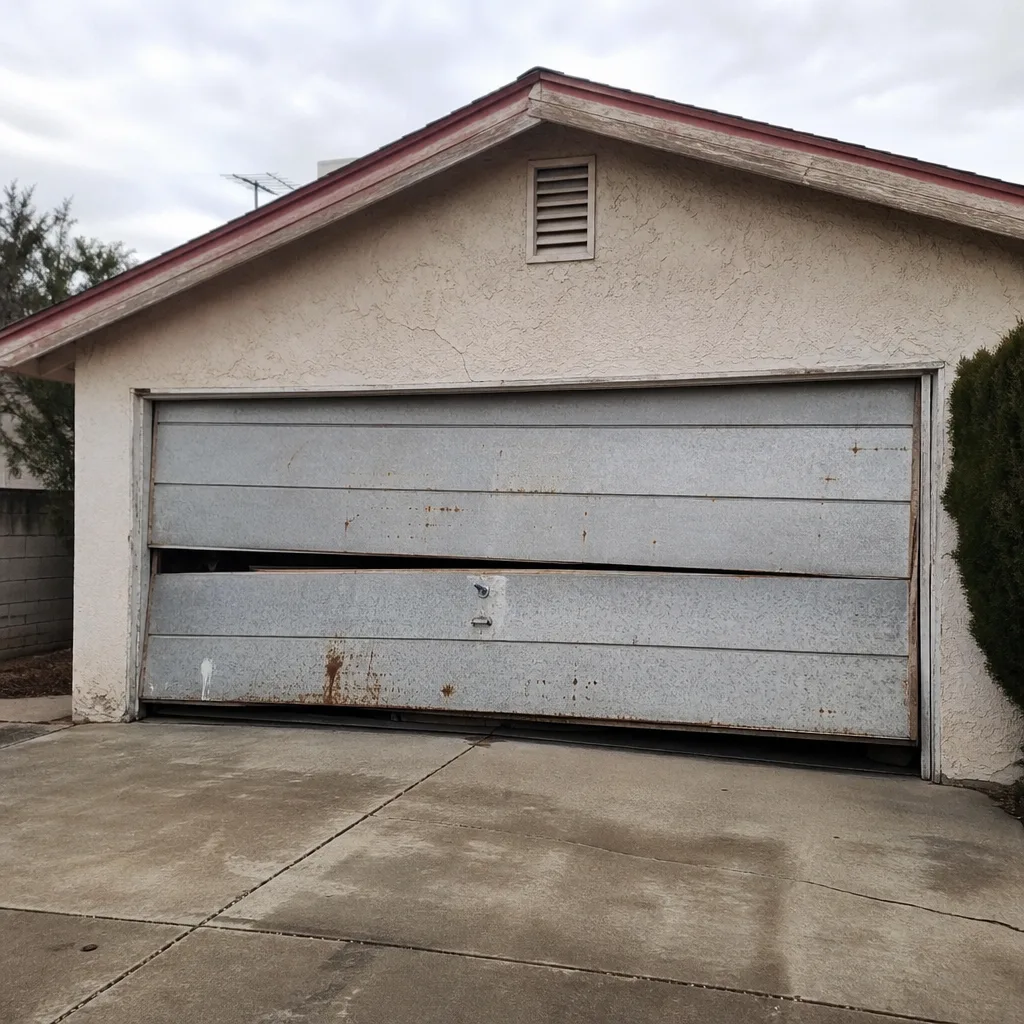 Before
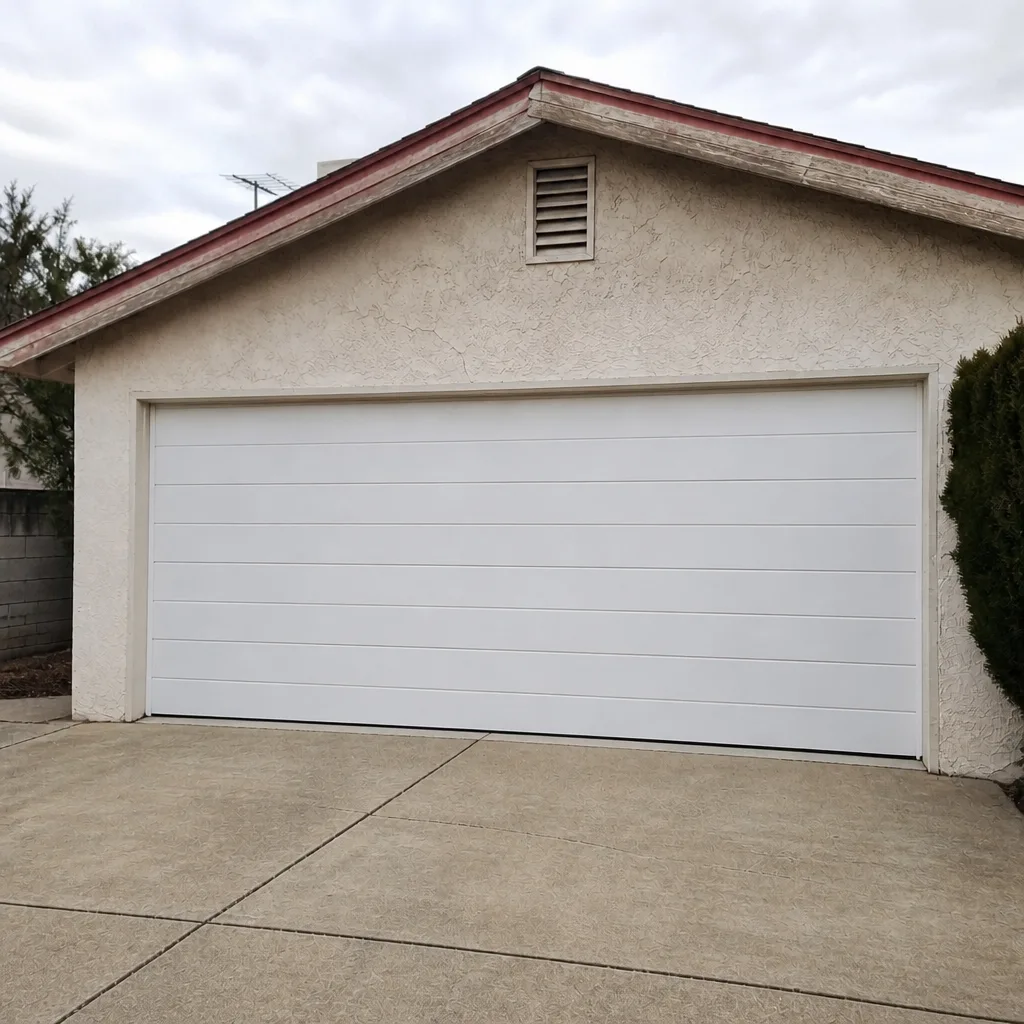 After
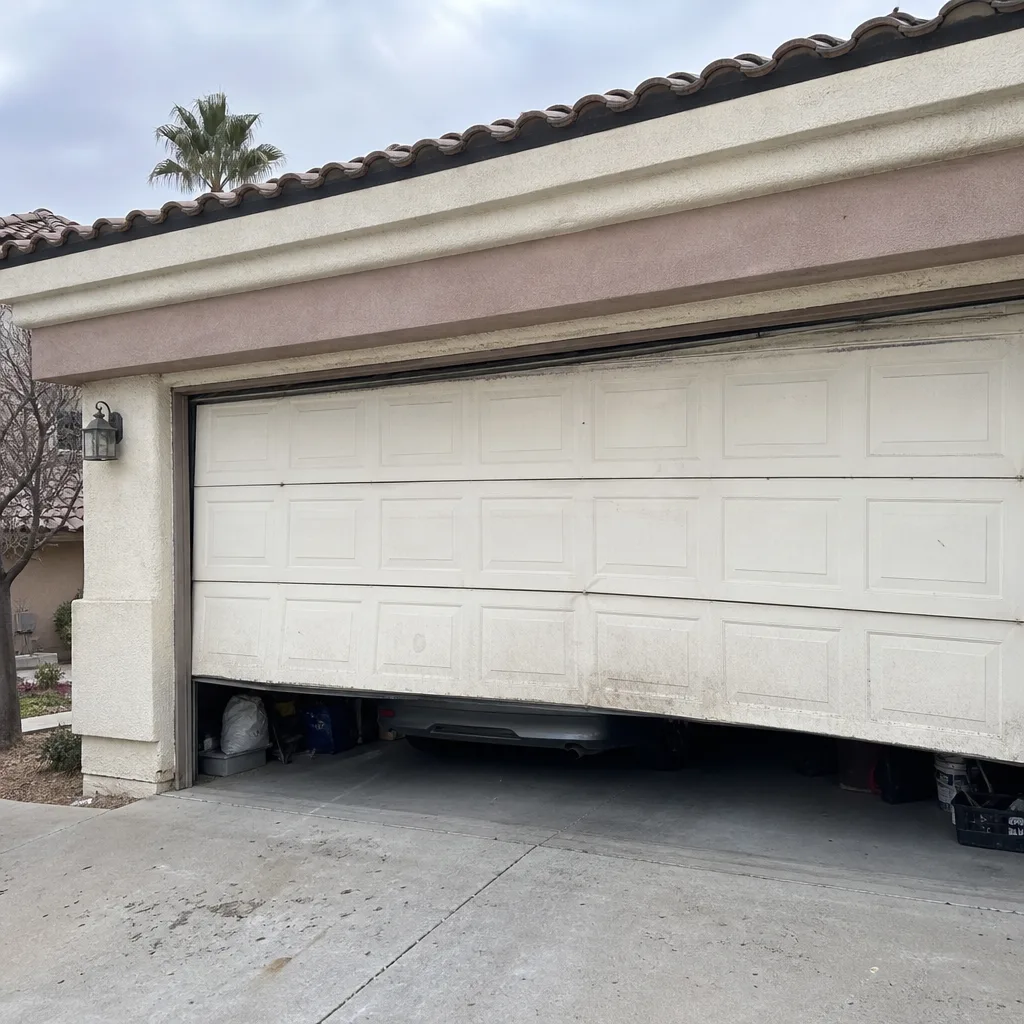 Before
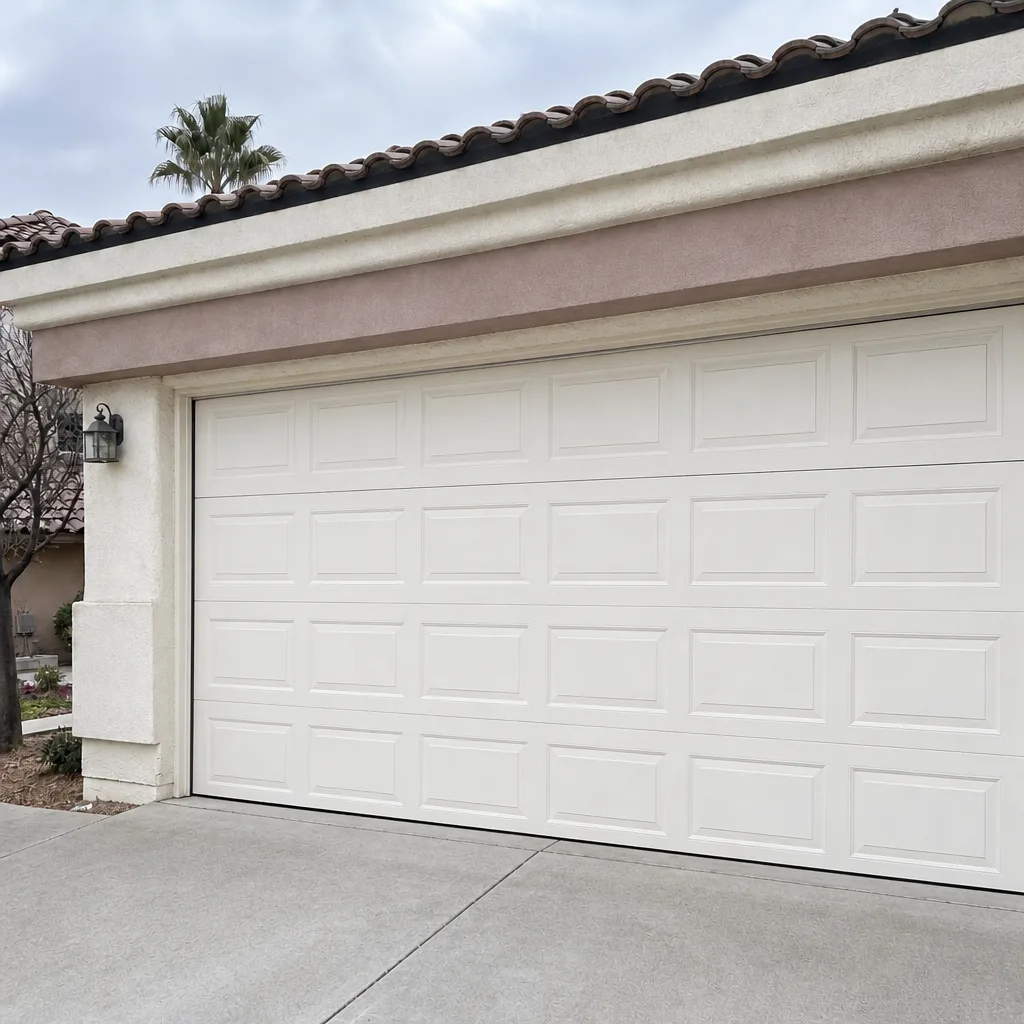 After
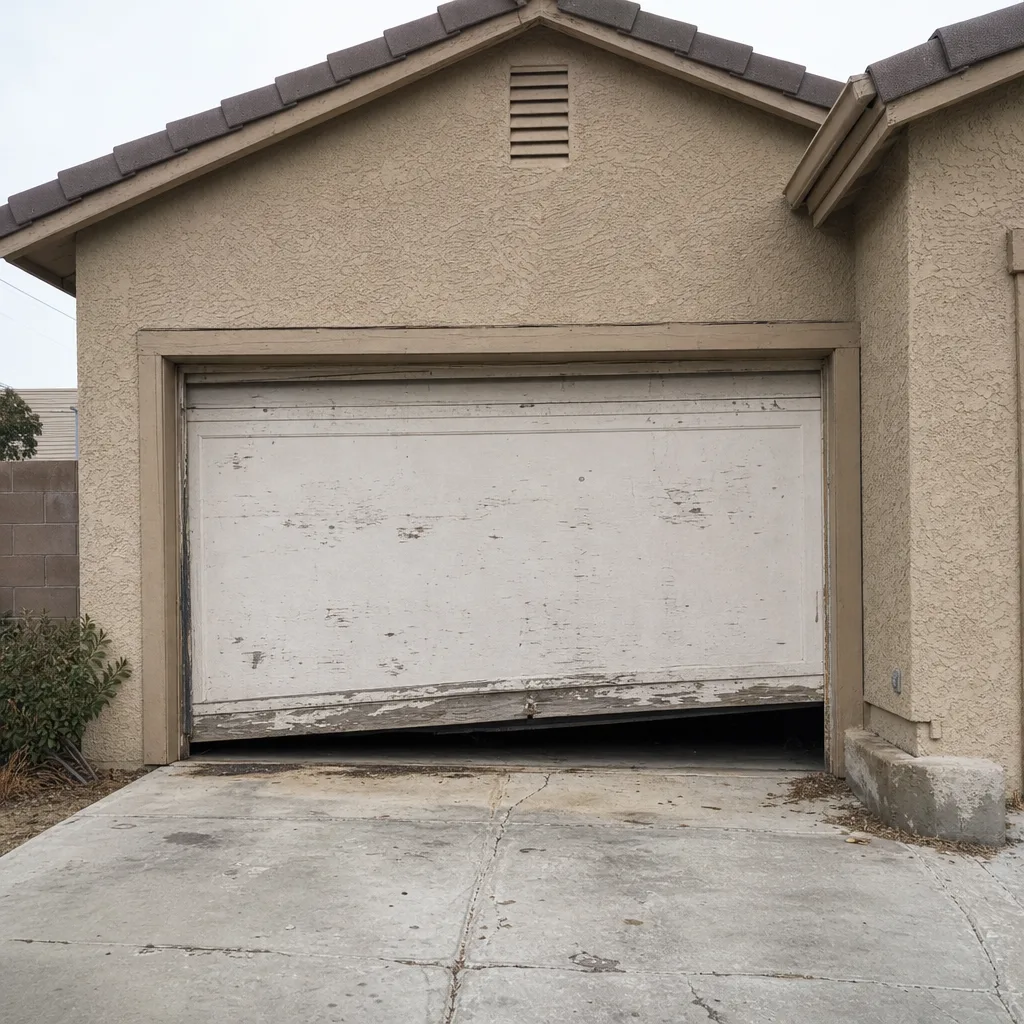 Before
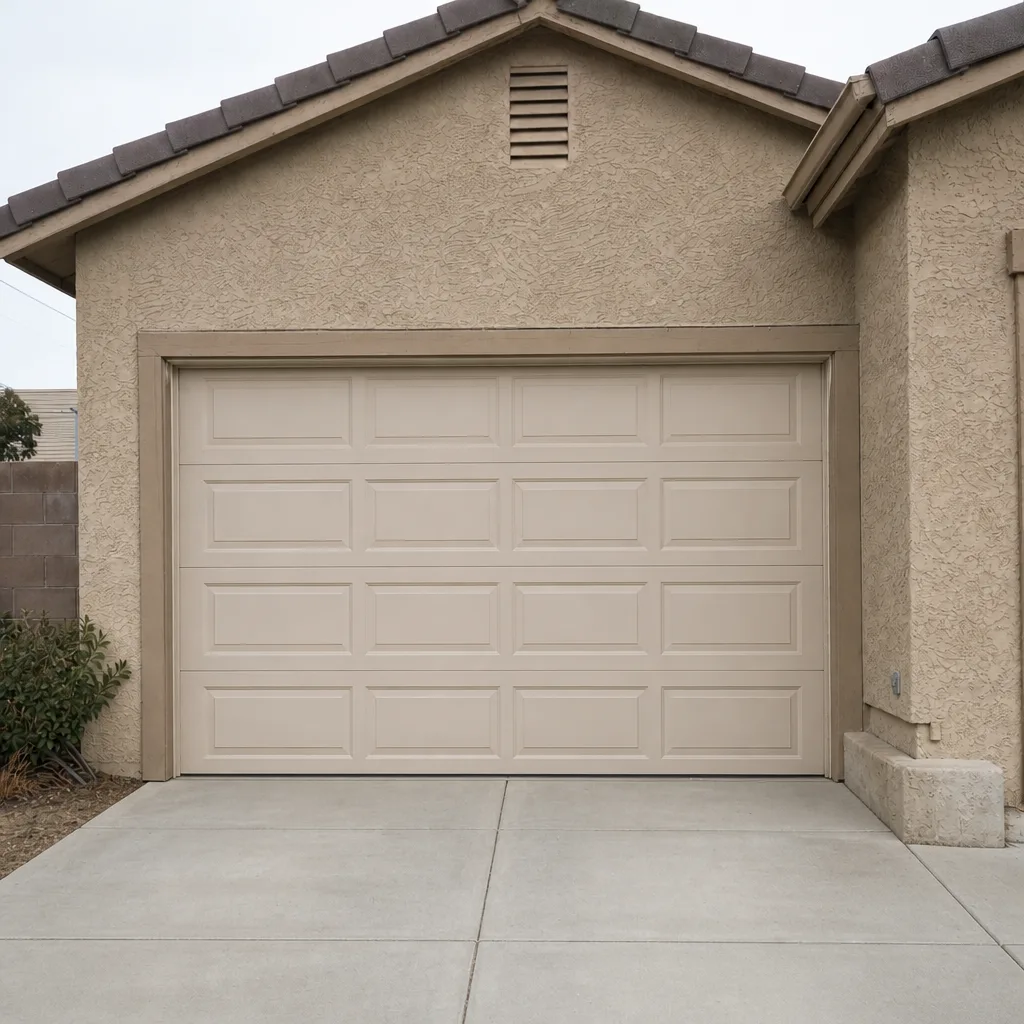 After
When to Call a Professional
Some of this work is yours to do. Some of it needs a trained technician, and knowing which is which is the whole safety story. Call us for a broken spring (a loud bang, a door that won’t lift), a visibly frayed or snapped cable, a door that’s come off its track or sits crooked, a bent or dented panel, an opener that won’t power or reverse, or a door that’s simply become too heavy to lift by hand. Boxes stored on the wrong side of the spring are a common culprit for a door that stops halfway in Boulder City – the opener has force limits, and a slightly off balance door trips them.
Mainspring Garage Door Co. Boulder City takes those calls around the clock, and a live person answers every one – no voicemail, no phone tree. We offer free estimates in Boulder City; call (833) 605-8582. Estimates are free, and the price is quoted before any work begins.
Frequently Asked Questions
Once a year is enough for most homes, timed just before Boulder City’s late-May heat arrives. Pair it with your own quarterly visual checks in April and October, and a one-minute watch each month. That cadence catches nearly every pre-emergency condition.
Late May, when temperatures first cross 100°F, and late October, when they drop 40 degrees overnight. Both swings stress springs and cables, and both are predictable. A door serviced ahead of each window rarely produces a surprise call.
Yes, on the rollers, hinges, and moving joints – that part is safe for a homeowner with a door-rated lubricant. Leave the springs and cables alone; those are under dangerous tension. Keep the tracks clean and dry, not greased.
Not yet, but it’s the early warning. A shudder usually means worn rollers, which are cheap to replace and easy to ignore until one seizes and bends a track. Get it looked at before it becomes a panel repair.
No. The flat price is quoted and agreed before any work starts, and the fix is done with the right parts on the truck so most jobs finish in a single visit. If anything unexpected turns up, we tell you first, before we touch it.
The local pro we connect you with is licensed and insured as their state requires, and every completed job is backed by our written 90-Day Done Right Promise – if it isn’t right, we come back at no charge. Call (833) 605-8582 for an exact quote.
The Bottom Line
There’s no such thing as scheduling an emergency, but there’s absolutely a way to prevent most of them. Watch the door once a month with the lights off. Do the full hands-on inspection in April and October, timed to Boulder City’s two temperature swings. Book one professional tune-up a year, ahead of the heat. Keep an eye on the five signals – cable fray, roller wear, spring gap, track bow, sensor drift – and hand the spring and cable work to a trained tech. Do that and the math works out in your favor, the door stops surprising you, and the emergency call you never make is the best money you never spent.
For garage door repair, new garage door installation, and opener service in Boulder City, Mainspring Garage Door Co. keeps the work done right and the price stated before anything begins. Start at our Mainspring Garage Door Co. Boulder City home page, or come straight to garage door repair in Boulder City if a spring has already let go. The Mainspring Garage Door Co. Boulder City home page is the place to start.
Contact
When you’re ready to get ahead of the next stress window instead of reacting to it, call (833) 605-8582 for a free estimate. A live person answers, day or night, and we’ll tell you plainly what your door needs and what it costs before any work starts. A square deal, done right, with the price on the table. That’s the whole offer.
Written by the team at Mainspring Garage Door Co. Boulder City.