
Last updated November 18, 2026
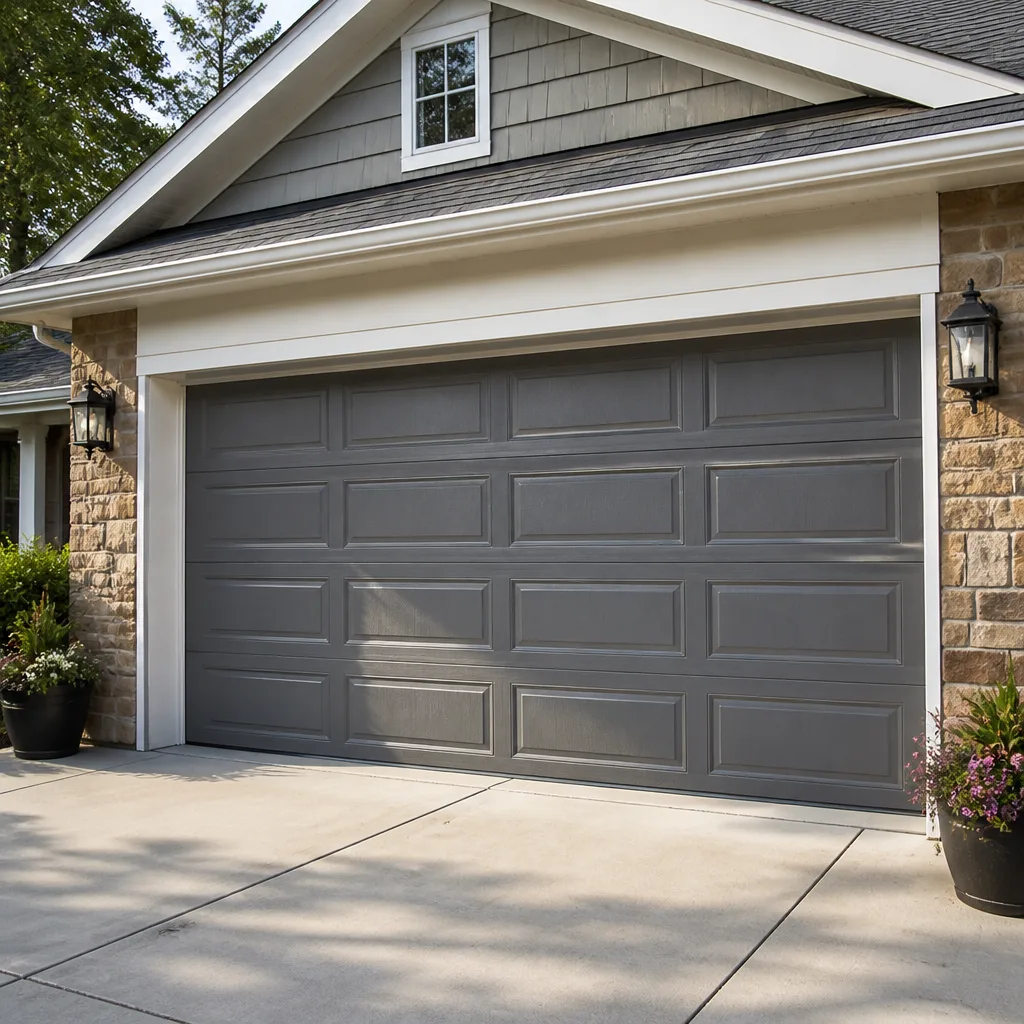 Raised-panel steel
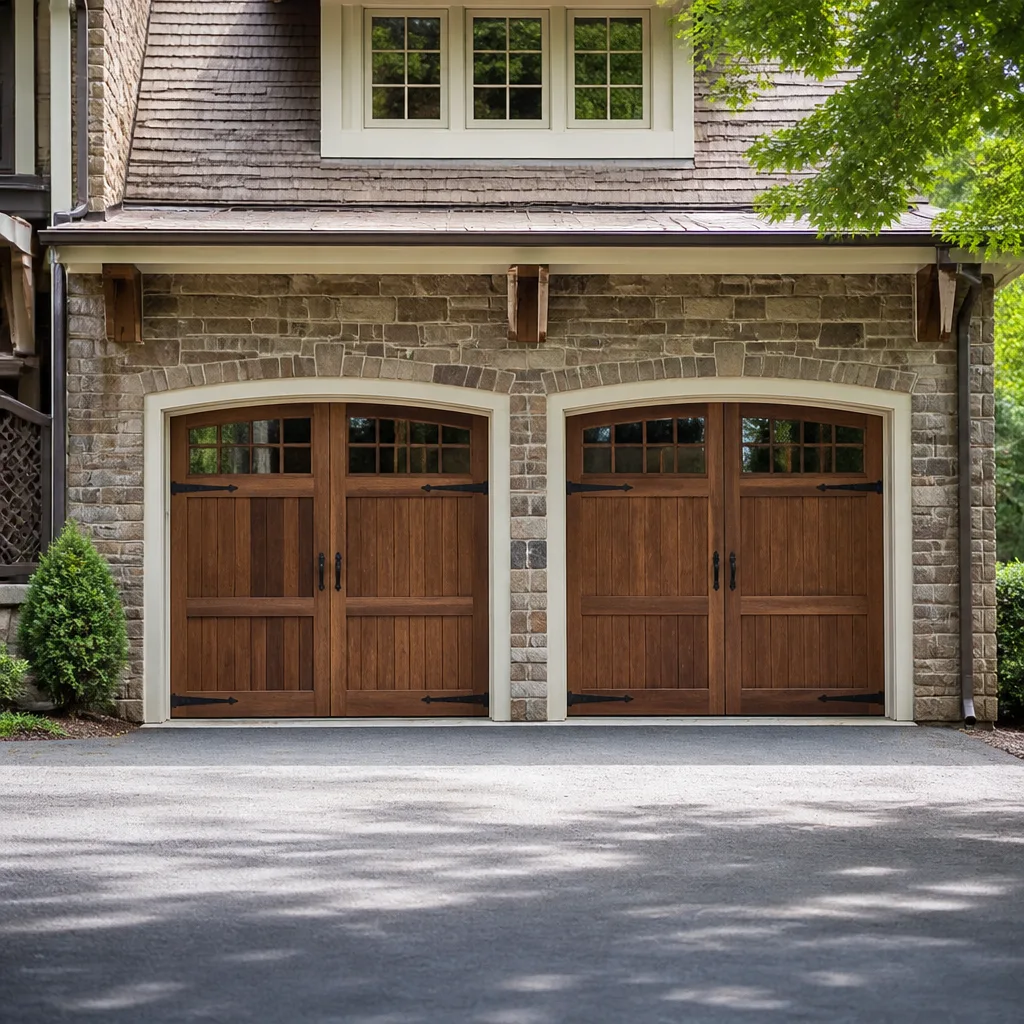 Carriage house
 Modern flush
 Full-view glass
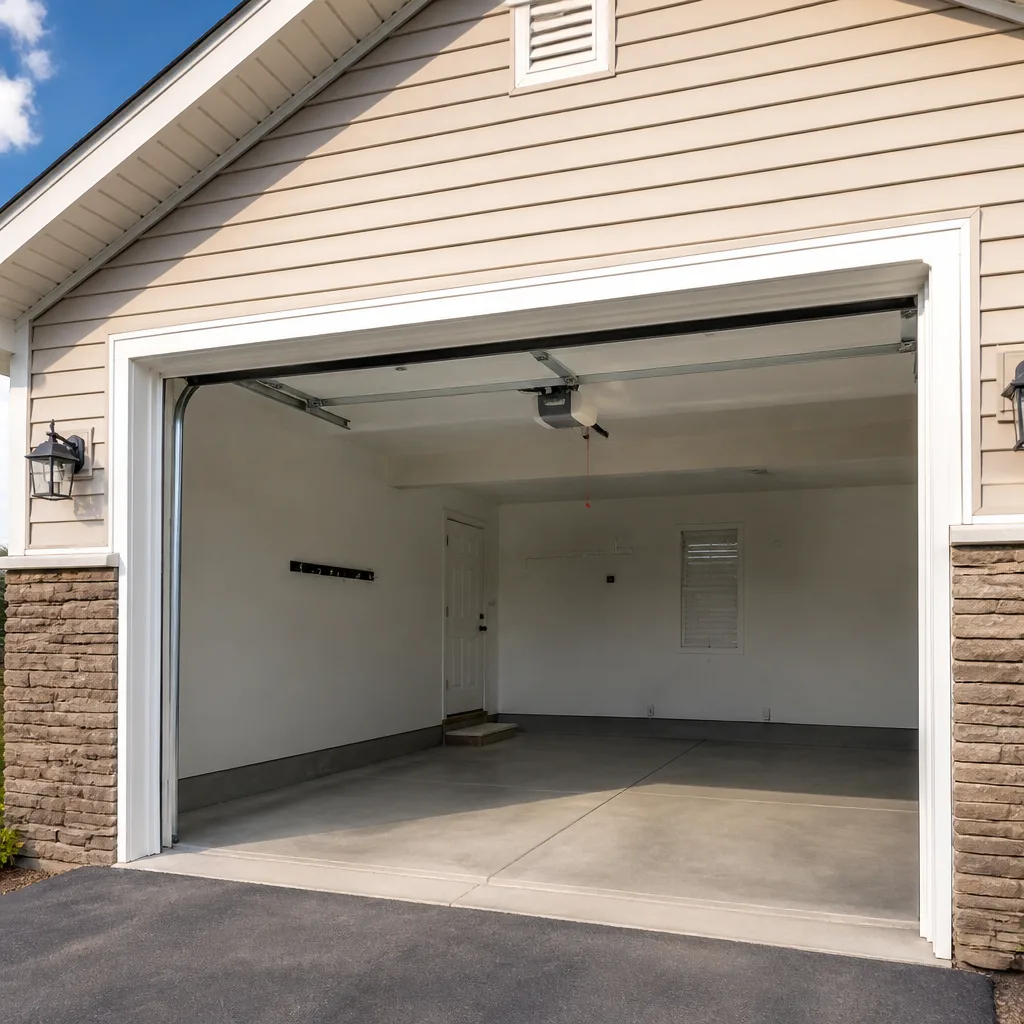 LiftMaster openers
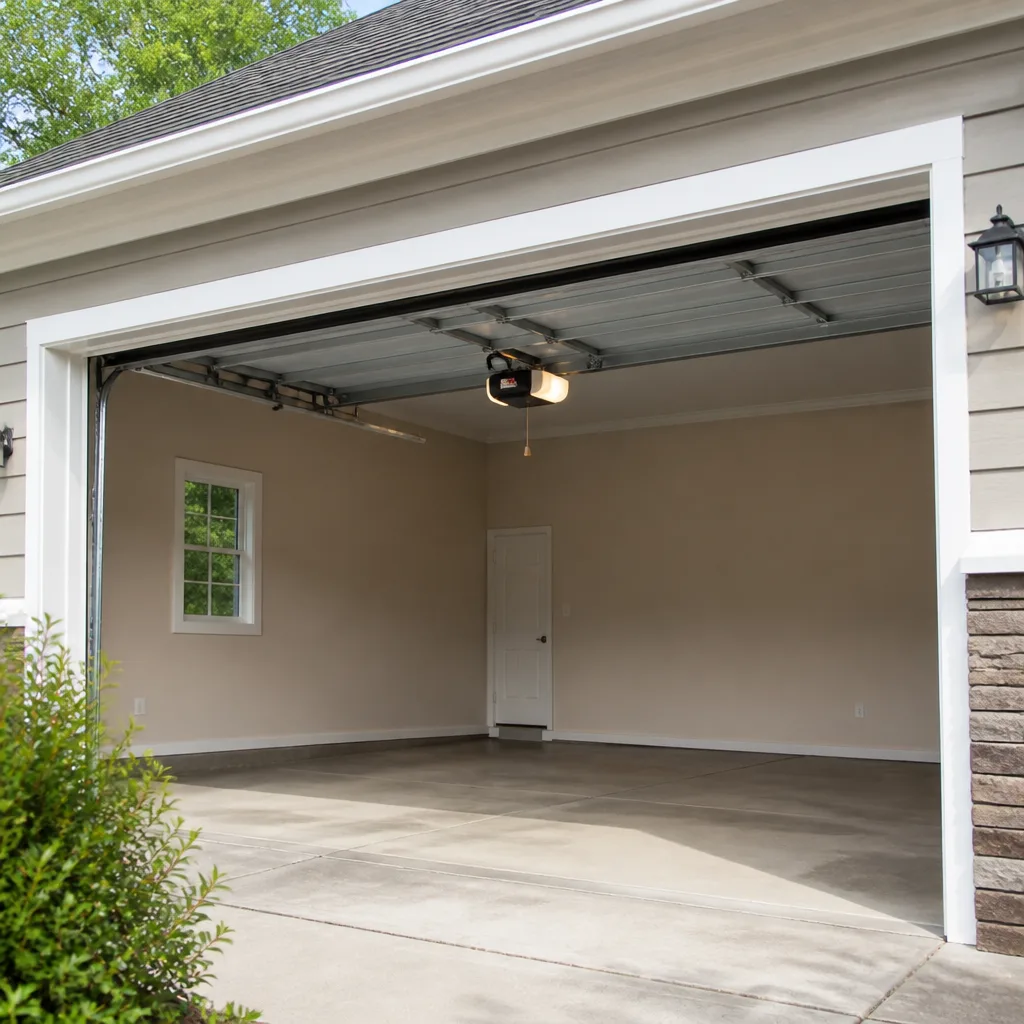 Chamberlain openers
Full 25-point door and opener safety check with every visit - springs, cables, rollers, tracks, and your LiftMaster or Chamberlain opener included
You get a price before we start. It does not change when the pro arrives.
Get your free estimateGarage Door Opener Maintenance Schedule: What to Do and When
The part that kills most garage door openers isn’t the motor. It’s a small nylon drive gear that dries out, cracks, and strips because nobody ever put the right lubricant on it. That gear costs a few dollars. Replacing the opener it takes down with it costs several hundred. The gap between those two numbers is a maintenance schedule, and most homeowners have never been given one that means anything. This guide builds a real calendar for Boulder City homes – what to do monthly, quarterly, and yearly, which tasks are safe to do with power on, and which ones need the breaker off. You’ll also learn which lubricants quietly destroy the plastic parts they touch, and when to stop catching up and call for help.
Quick Answer
A garage door opener needs three tiers of maintenance: a monthly safety-sensor wipe-down and visual check, quarterly lubrication of the drive chain or screw (never the rails with a product that damages nylon), and an annual balance and force-limit test done with the opener powered down. In Boulder City, move the pre-summer inspection up the calendar, because the desert heat breaks down lubricant faster than most schedules assume.
Styles & brands we work with
- Raised-panel steel
- Carriage house
- Modern flush
- Full-view glass
- LiftMaster openers
- Chamberlain openers
Table of Contents
- Why a Schedule Beats a Checklist
- The Monthly Tasks (15 Minutes)
- The Quarterly Tasks (Lubrication and Wear)
- The Annual Tasks (Balance and Force Limits)
- Power On vs. Power Off: The Distinction That Matters
- Which Lubricants Damage Plastic and Nylon
- The Boulder City Heat Factor
- When Maintenance Has Waited Too Long
Why a Schedule Beats a Checklist
Most opener guides hand you a list: lubricate moving parts annually, tighten bolts, test the safety reverse. That list sounds responsible and tells you almost nothing. It doesn’t say what fails first, or why, or what a skipped task actually costs you. A schedule tied to wear patterns is different, because every task has a failure behind it.
Here’s the order things actually wear out on a typical residential opener, based on what we see on service calls around Boulder City:
- The drive gear or belt – dries out, then strips. This is the most common failure and the most preventable.
- The safety sensors – lenses fog or collect dust, alignment drifts, the door refuses to close.
- The chain or screw drive – stretches or dries, and the opener starts working harder than it should.
- The force limit setting – drifts over years, letting the door press too hard before reversing.
- The motor itself – usually the last thing to fail, and usually because the four items above wore it out.
Notice the motor is fifth. When a homeowner in Boulder City tells us the opener “burned out,” what we usually find is a stripped gear, a stretched chain, or a force setting cranked so high the motor has been straining for a year. The motor was doing what it was told. Everything upstream of it was neglected. That’s why the schedule below works backward from failure, not forward from a generic list.
The Monthly Tasks (15 Minutes)
Every month, spend fifteen minutes on two things: the safety sensors and a visual pass over the door and hardware. Neither requires any tools, and neither requires shutting off power.
Wipe down the safety sensors. The two small lenses near the floor at each side of the door collect dust, spider webs, and in Boulder City, fine desert grit. A dry cloth across each lens takes seconds. While you’re down there, look at the indicator lights on each sensor – a steady light on both usually means alignment is good, a flickering or dark light means one is out of line or blocked.
Do a visual pass with the door closed. Look for:
- Frayed or kinked cables at the bottom corners
- Loose hinges or roller brackets
- Rollers that look worn, chipped, or are riding off the track
- Any gap or sag in the door panels
- The wall-mounted control and any remote working without a hard press
This monthly pass is where small problems get caught before they become service calls. A loose hinge bracket spotted in June is a two-minute tighten. The same bracket ignored until it tears out of the panel is a repair. In our experience, the homeowners who do the fifteen-minute pass rarely call us for anything but new installations and openers. The ones who don’t tend to call when something has already stopped working.
The Quarterly Tasks (Lubrication and Wear)
Quarterly maintenance is where the money is saved. It centers on the drive system – the chain, screw, or belt that actually moves the door – and the rollers and hinges that carry it.
For a chain drive: apply a small amount of white lithium grease or a purpose-made chain and gear lubricant along the length of the chain, then run the door once to distribute it. Wipe off excess. A dry chain is a chain that stretches and eventually jumps the sprocket.
For a screw drive: wipe the screw down with a clean rag, then apply a light film of white lithium grease. Screw drives collect grit and dry out faster than chains, and in a dusty environment they need this quarterly, not yearly.
For a belt drive: belts don’t need grease – they need inspection. Check tension by hand (slight give, no sag) and look for glazing or cracking on the belt surface. A glazed belt slips, and a slipping belt is the “opener is getting weak” complaint we hear most often before summer in Boulder City.
Rollers and hinges: a drop of light oil on each hinge pivot and each roller bearing. Use a silicone-based lubricant on rollers. Do not use a spray that leaves a sticky residue, because sticky residue attracts dust, and dust accelerates wear.
Four times a year, fifteen minutes, and you’ve addressed the four failure points from the list above. That’s the whole point of a schedule: small, regular, specific.
The Annual Tasks (Balance and Force Limits)
The annual test is the one that matters for safety, and it’s the one almost nobody does. It has two parts: the balance test and the force-limit check. Both should be done with the opener powered down.
Step 1: Power down. Pull the emergency release cord (or switch off the breaker, if the release isn’t reachable), so the door is disconnected from the opener.
Step 2: Balance test. Lift the door manually to about waist height and let go. A properly balanced door stays where you put it, or drifts only slightly. A door that falls quickly is out of balance – usually a spring has lost tension. A door that’s very hard to lift has a spring or track problem too. Either way, an out-of-balance door is loading the opener with weight it was never meant to carry.
Step 3: Reconnect and check the force limit. With the opener restored and the door closed, place a 2×4 flat on the floor under the door’s path. Run the door down. It should reverse on contact with the board. If it presses down and keeps going, the force limit is set too high and needs adjustment. This is the setting that determines whether the door stops for a child, a pet, or a dropped object.
The springs that carry the door’s weight are under high tension and can cause serious injury if adjusted by hand. Do not attempt to adjust, wind, or replace them yourself. The balance test tells you whether the springs are doing their job. If they aren’t, that’s the point to call a trained technician, not to reach for a winding bar. Our team at Garage Door Repair in Boulder City handles spring work daily and can tell you in minutes whether the door is balanced or headed for a failure.
Power On vs. Power Off: The Distinction That Matters
Most guides never make this distinction, and it’s the one that keeps you safe. Some tasks on this schedule are safe with the opener live. Some are not, and doing them with power on is how people get hurt.
Safe with power on:
- Wiping sensor lenses
- Visual inspection of the door, tracks, rollers, and cables
- Testing remotes and the wall control
- Lubricating the chain or screw (with the door fully closed and the opener idle)
Requires power off (breaker off or emergency release pulled):
- Adjusting the force limit or travel limits
- The balance test
- Inspecting or tightening the rail, chain, or screw assembly above the door
- Anything that puts your hands near the drive mechanism or the springs
A simple rule we give Boulder City homeowners: if a tool is involved, or your hands are anywhere near the moving parts, the power goes off first. If you’re wiping a lens or looking at the door, it can stay on. When in doubt, shut it off. The opener isn’t going anywhere, and neither is the door.
Which Lubricants Damage Plastic and Nylon
This single point prevents more gear failures than any other maintenance advice in this guide. The wrong lubricant doesn’t just fail to help – it actively destroys the plastic and nylon components inside your opener.
Never use these inside or on an opener:
- WD-40 (the standard multi-use formula): it’s a solvent-based product, not a lubricant. It strips the factory grease from nylon gears and leaves them dry. On a drive gear, this is the beginning of the failure described at the top of this page.
- Aerosol degreasers and brake cleaners: they dissolve the plasticizers in nylon and polycarbonate parts, making them brittle. A gear that was flexible becomes a gear that cracks.
- Petroleum jelly or heavy grease on plastic: petroleum-based products can degrade some plastics over time, and heavy grease attracts grit that grinds the gear down.
Safe on and around plastic and nylon parts:
- White lithium grease (the standard for chain and screw drives)
- Silicone-based lubricant (for rollers, hinges, and any plastic-to-plastic contact)
- Purpose-made chain and gear lubricants that state they’re safe on plastic
If you have a can of WD-40 under the workbench, keep it there for loosening rusted bolts on the lawnmower. It has no place in a garage door opener. A small tube of white lithium grease costs less than a coffee and will outlast the gear it protects. The drive gears on most modern openers – and we see this on the LiftMaster and Chamberlain units common in Boulder City – are nylon, and nylon needs the right lubricant or none at all.
The Boulder City Heat Factor
Boulder City summers are hard on lubricants. A garage that hits 110 degrees or more in July will cook the grease out of a chain or screw drive in half the time it takes in a milder climate. That changes the schedule.
A few adjustments specific to this area:
- Move the pre-summer inspection to May, not June. By the time the first 105-degree week arrives, the lubricant should already be fresh. If you wait until the heat is on, you’re doing maintenance on a drive system that’s already been running dry for weeks.
- Inspect belt drives for glazing in early summer. The combination of heat and a dry belt is what causes the slipping that sounds like a failing opener. We see it most often in the older homes near downtown Boulder City where garages face west and bake all afternoon.
- Check the force limit twice a year here, not just annually. Heat expands and contracts the door and hardware; a setting that was right in March can drift by August.
- Wipe down sensors more often in spring. The desert dust and pollen in late spring fog the lenses faster than most homeowners expect.
None of this is complicated. It’s the same schedule with the timing shifted to match the climate. A homeowner who does their quarterly lubrication in early May and again in September will get far more life out of a chain drive than one who follows a generic “once a year” rule. If you want a seasonal tune-up done before summer, we offer a standing option – an $89 Seasonal Tune-Up – and it’s a sensible time to have a technician look at the whole system rather than just the oil points.
When Maintenance Has Waited Too Long
Most people reading this already know they’ve deferred maintenance. Maybe for a year, maybe for five. The question isn’t whether to catch up – it’s whether catching up on your own is the right move, or whether a professional inspection is the safer first step.
Here’s the decision rule we give homeowners. If two or more of the following are true, have a professional look at it before you start a catch-up routine:
- The opener groans, grinds, or struggles at either the top or bottom of travel
- The door is visibly out of balance – it falls or needs a hard lift to move by hand
- You can’t remember the last time the force limit was checked
- The door reverses inconsistently, or won’t close without holding the button
- The opener is more than ten years old and has never been serviced
Any one of those alone is worth a look. Two or more means the system may already have a worn gear, a stretched chain, or a spring that’s losing tension – and a catch-up lubrication won’t fix a problem that’s already past maintenance. In those cases, a professional inspection is the cheaper and safer next step. Our technicians have up to 10 years of experience and we’re factory-familiar with the Clopay, Amarr, and Wayne Dalton doors and the LiftMaster and Genie openers common in Boulder City garages.
If you’d rather not guess, our Garage Door Opener in Boulder City service includes a full inspection and a written quote before any work begins. We also offer a Free Second Opinion on any written estimate, if you’ve been quoted a repair and want a straight read on whether it’s needed.
Common Mistakes to Avoid
- Spraying WD-40 on the drive gear or chain. It feels like lubrication and acts like a solvent. The gear dries out, cracks, and strips – the exact failure this schedule exists to prevent.
- Lubricating the rails. Openers don’t run on rail grease. Greasing the tracks and rails attracts grit and can make rollers slide instead of roll.
- Adjusting the force limit with the power on. This is the most dangerous maintenance mistake on the list. The door can move while your hands are in the mechanism. Power off, always.
- Waiting for a symptom before servicing anything. A grinding opener has already worn a gear. The schedule is meant to catch things before the symptom, not after.
- Treating the safety sensors as a one-time setup. In Boulder City, dust and heat drift the alignment seasonally. If you haven’t wiped the lenses in a month, do it now.
- Assuming a “tune-up” from an unknown outfit includes the force-limit test. Ask. A tune-up that avoids the force limit and the balance test isn’t a tune-up, it’s a wipe-down.
- Deferring spring work. The springs carry the door’s full weight under high tension. If the balance test says they’re off, don’t try to adjust them yourself – call a trained technician.
See the difference
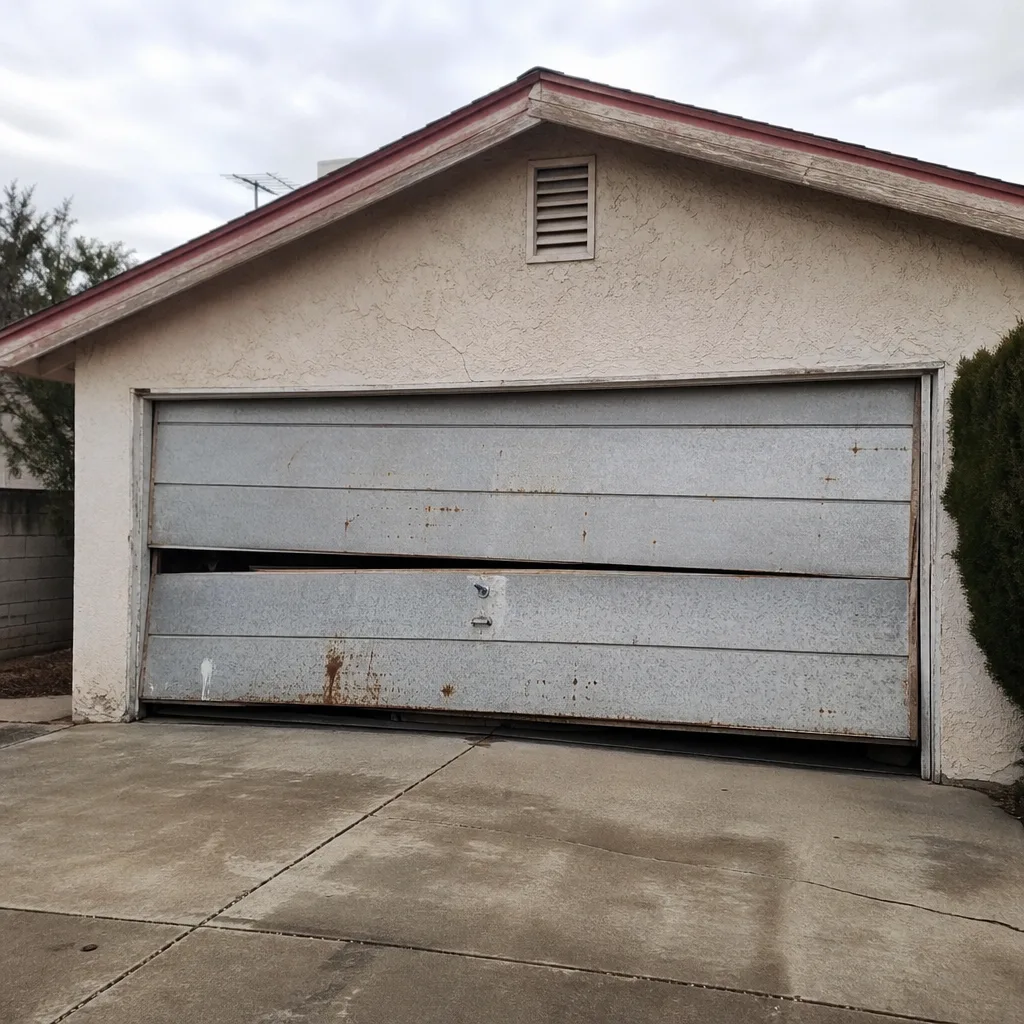 Before
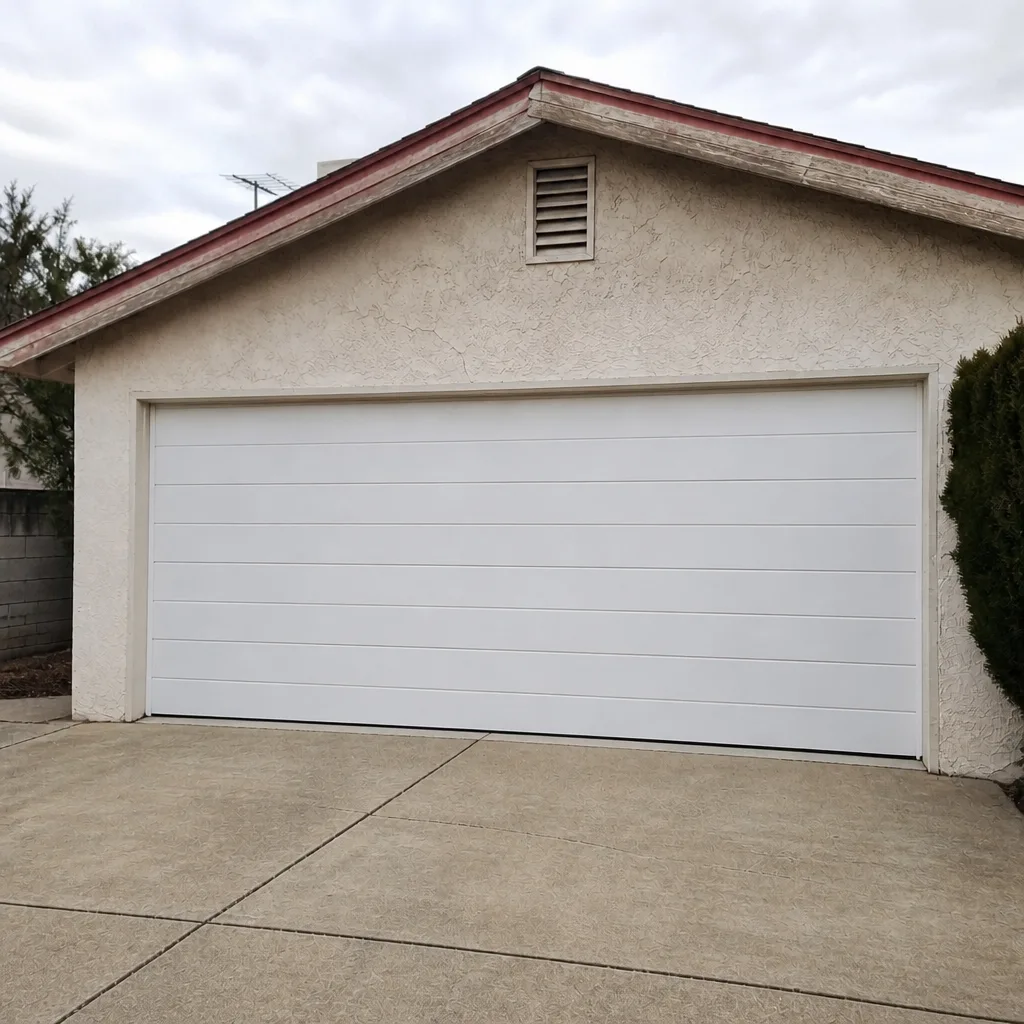 After
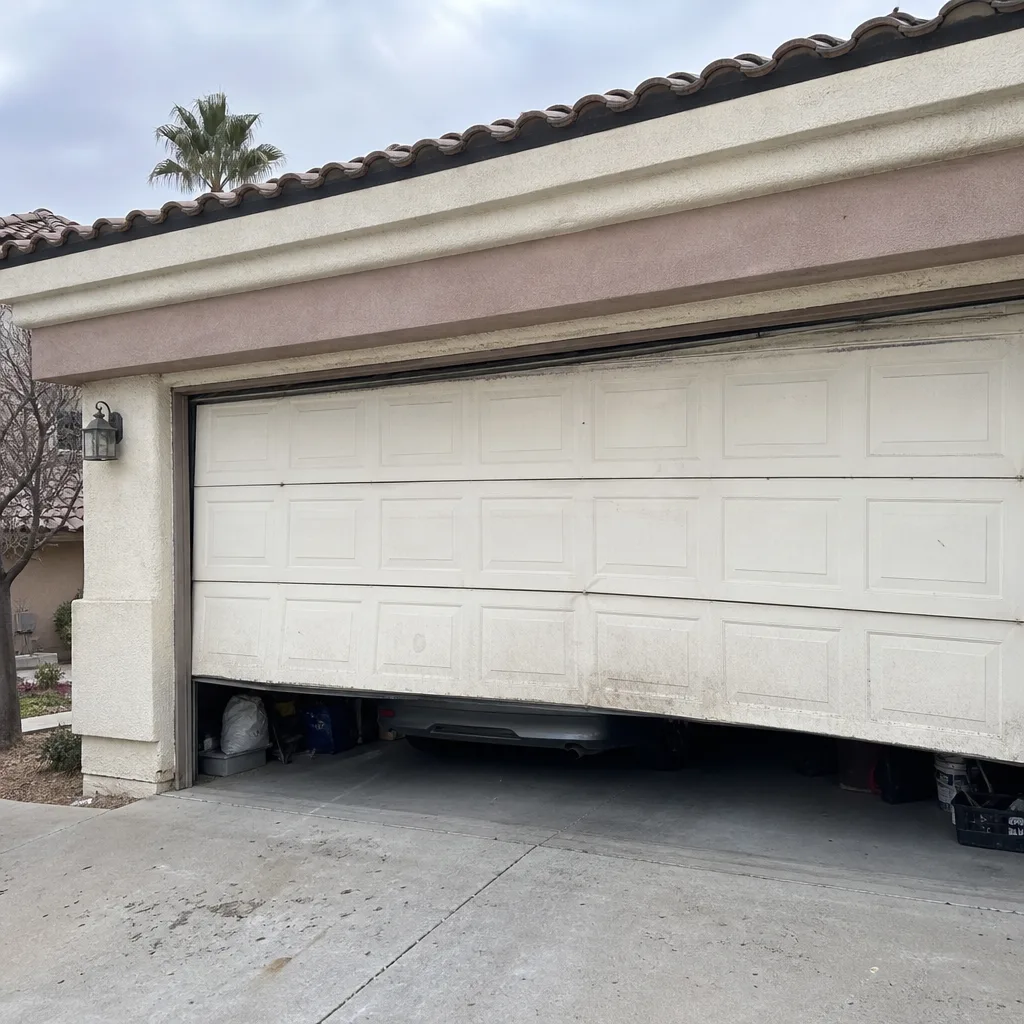 Before
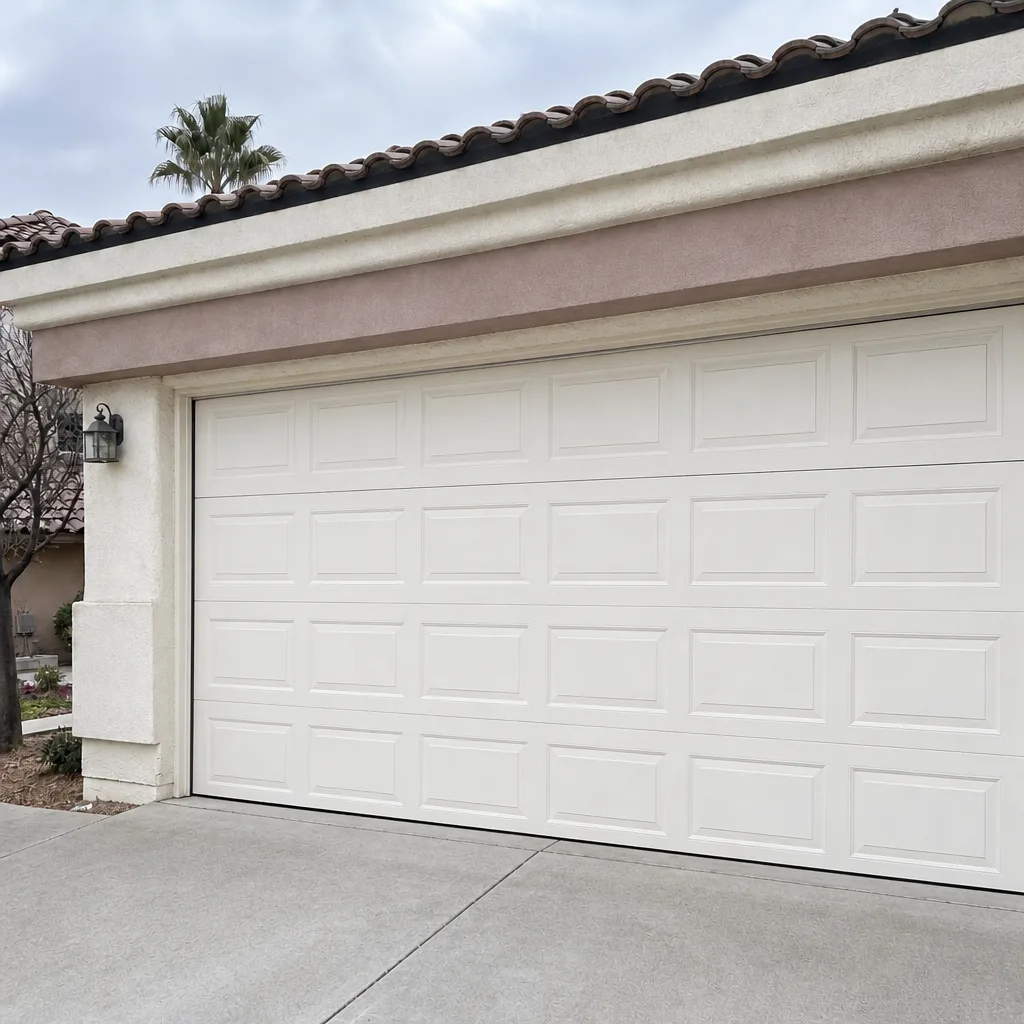 After
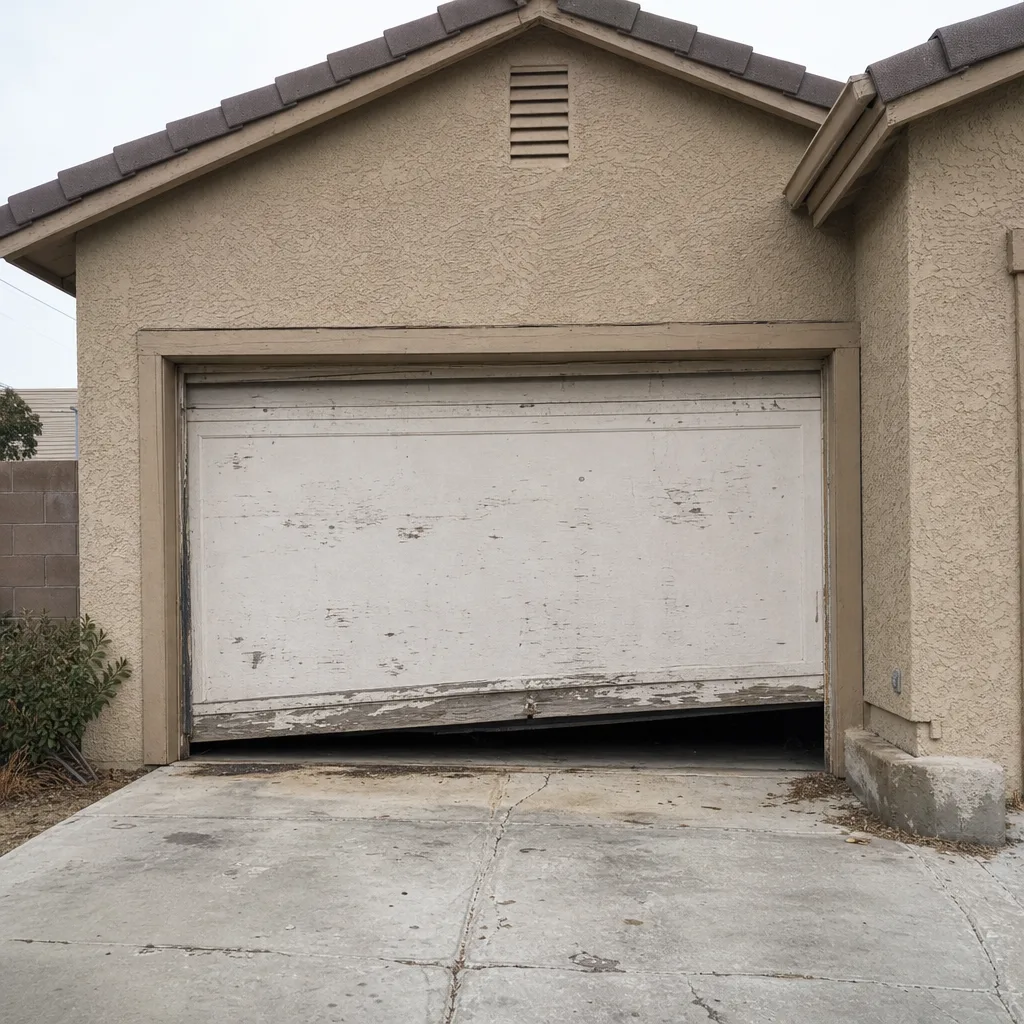 Before
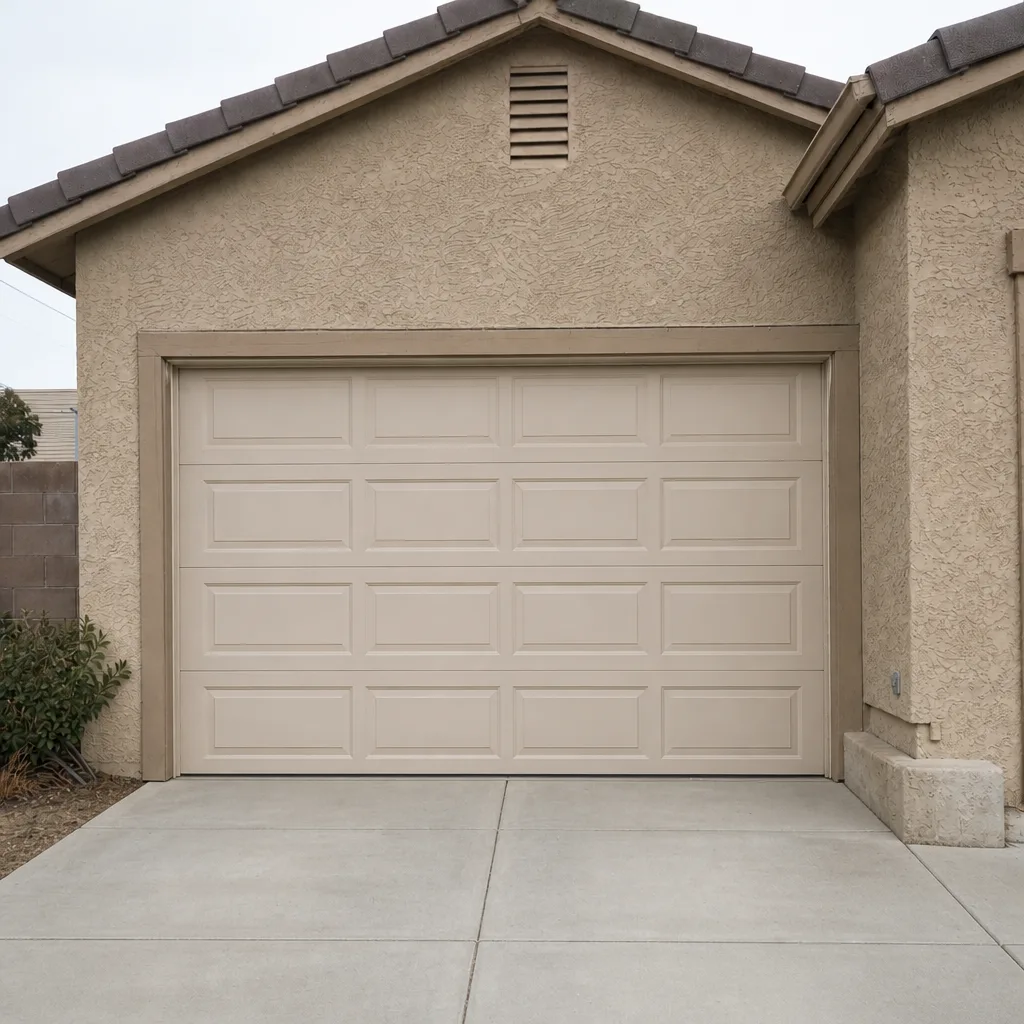 After
When to Call a Professional
Call a professional when the schedule stops being maintenance and becomes repair. That means: a door that won’t stay balanced, a gear that’s already stripped, a chain or screw that’s visibly worn, springs that have lost tension, or any point where you’re not sure the force limit is set safely. These aren’t catch-up tasks – they’re repairs, and getting them wrong can be dangerous. Our Garage Door Installation in Boulder City team also handles full replacements if the opener is past saving.
Mainspring Garage Door Co. Boulder City offers free estimates in Boulder City – call (833) 605-8582. Phones are answered by a live person, 24/7, and we state the flat price before any work begins. If you’ve been quoted a repair elsewhere, we’ll give you a free second opinion.
Frequently Asked Questions
Quarterly is the right interval for a chain or screw drive, using white lithium grease or a purpose-made chain and gear lubricant. In Boulder City, plan the spring lubrication for early May and the fall one for September, because the summer heat breaks down lubricant faster than a generic annual schedule assumes. If you haven’t lubricated in over a year, do it now, then set a recurring reminder. Call (833) 605-8582 if you’d rather have a technician handle it.
No. Standard WD-40 is solvent-based, not a lubricant, and it strips the factory grease from nylon and plastic drive gears. On a drive gear, that’s the start of the stripping failure that turns a small maintenance task into a repair. Use white lithium grease or a silicone-based lubricant on the parts that need it, and keep the WD-40 for rusted bolts elsewhere. If your opener has already been sprayed with it, call us for an inspection – a technician can tell you whether the gear is still sound.
Wiping sensor lenses, visual inspections, testing remotes, and lubricating the chain with the door closed are safe with power on. Anything involving a tool, the force limit, the travel limits, the balance test, or your hands near the drive mechanism requires power off – breaker off or emergency release pulled. When in doubt, shut it off. The rules don’t change with the model; they apply to LiftMaster, Chamberlain, Genie, and Craftsman openers alike.
Heat breaks down lubricant and causes drive belts to glaze and slip. A chain drive that was fine in March can run dry by July, and a belt drive that’s been slipping quietly all spring will finally fail in the first hot week. That’s why the pre-summer inspection matters more here than in a milder climate – move it to May, not June. If your door is grinding or hesitating, call (833) 605-8582 before it fails completely.
Most openers last 10 to 15 years with regular maintenance, and earlier without it. If yours is over 15 years old and has never been serviced, a professional inspection is the right first step – a technician can tell you whether a service will extend its life or whether it’s time for a replacement. Factory-familiar brands like LiftMaster and Genie have parts readily available, so replacement is often a single-visit job. Call for a free estimate and a straight answer.
You can do the test – the 2×4 under the door’s path, door reverses on contact – but only with the opener powered down and the door disconnected first. What you should not do is adjust the force limit or the springs yourself. The springs are under high tension and can cause serious injury. Test it annually, and if the door fails the test, call a trained technician at (833) 605-8582. Estimates are free.
The Bottom Line
A garage door opener doesn’t fail because it’s old. It fails because the schedule around it slipped. The monthly sensor wipe, the quarterly lubrication with the right product, and the annual balance and force test are the three things that separate an opener that lasts 15 years from one that strips a gear at year seven. In Boulder City, shift the schedule earlier for summer and check the force limit twice a year. And when two or more of the deferred-maintenance signs show up, stop trying to catch up on your own – call a professional. That’s a square deal, not an upsell.
If you’d rather have it handled than have a to-do list, call Mainspring Garage Door Co. Boulder City at (833) 605-8582 for a free estimate. We answer the phone with a live person, 24/7, state the price upfront, and back the work in writing with our 90-Day Done Right Promise. We’re proud to serve Boulder City and the surrounding communities, and we’ll be there when we say.
For the full range of what we do, visit our Mainspring Garage Door Co. Boulder City home, or explore our Garage Door Repair in Boulder City, Garage Door Installation in Boulder City, and Garage Door Opener in Boulder City pages.
Written by the team at Mainspring Garage Door Co. Boulder City.