
Last updated November 18, 2026
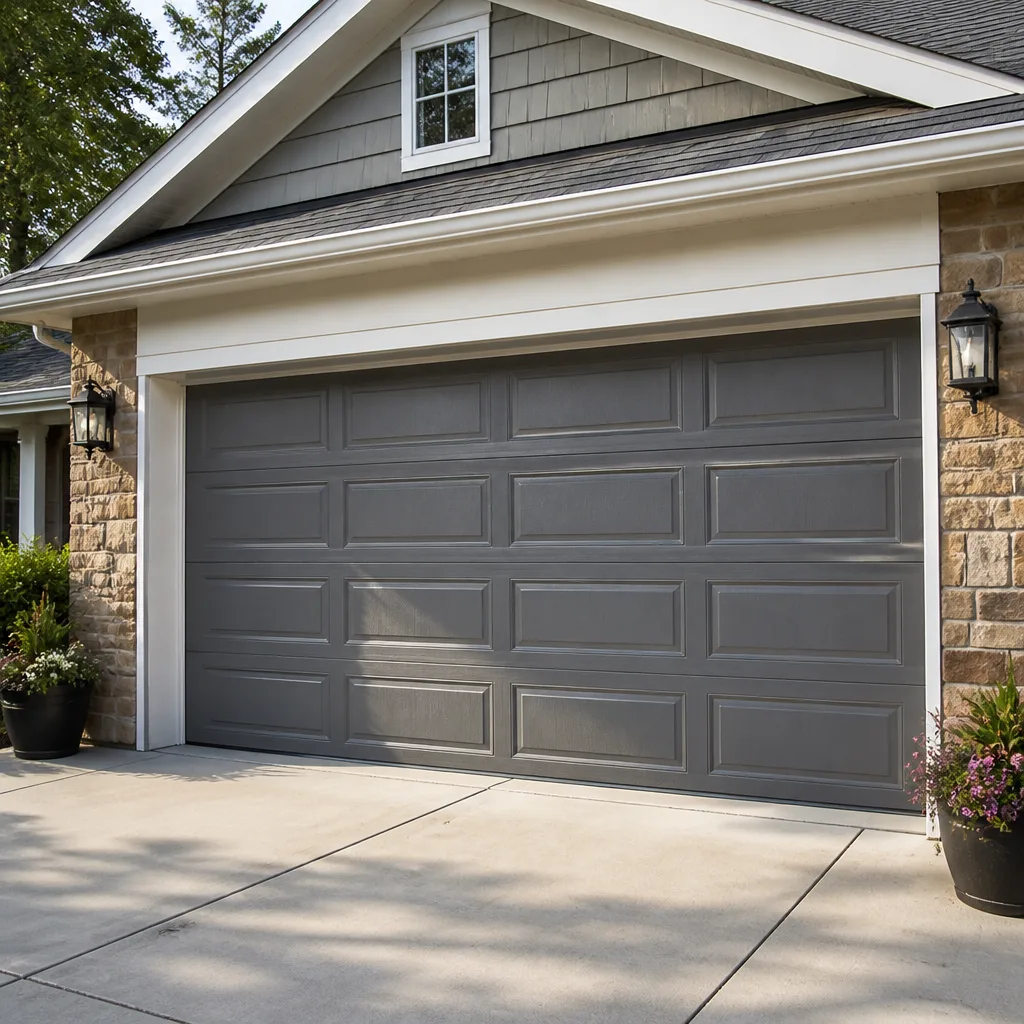 Raised-panel steel
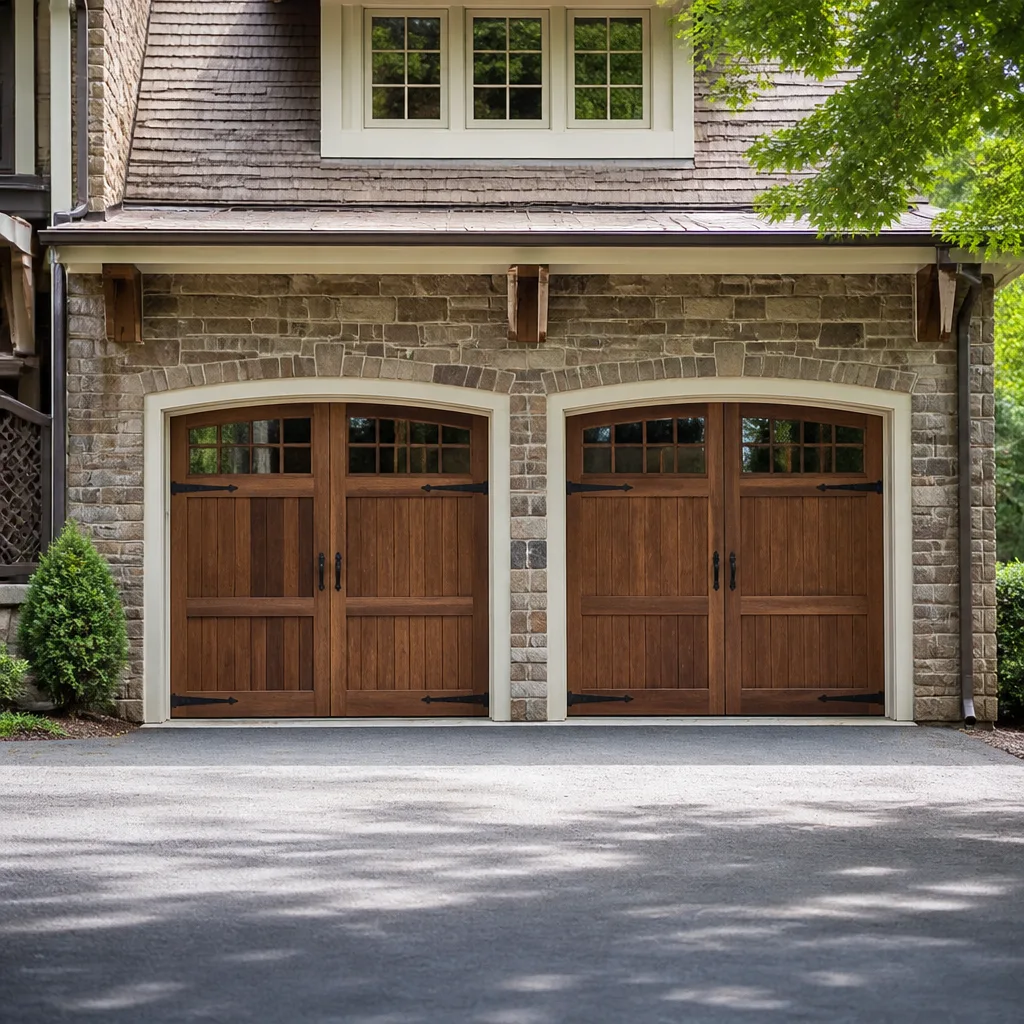 Carriage house
 Modern flush
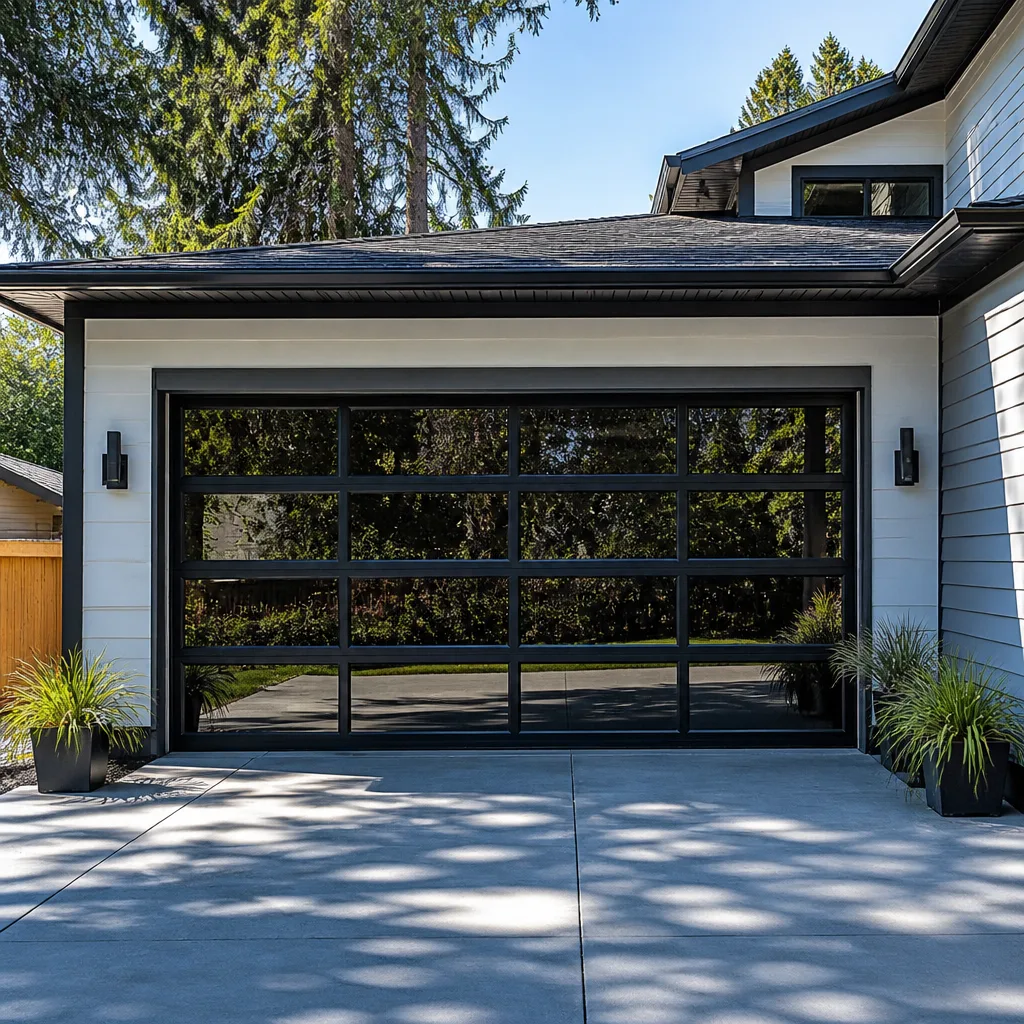 Full-view glass
 LiftMaster openers
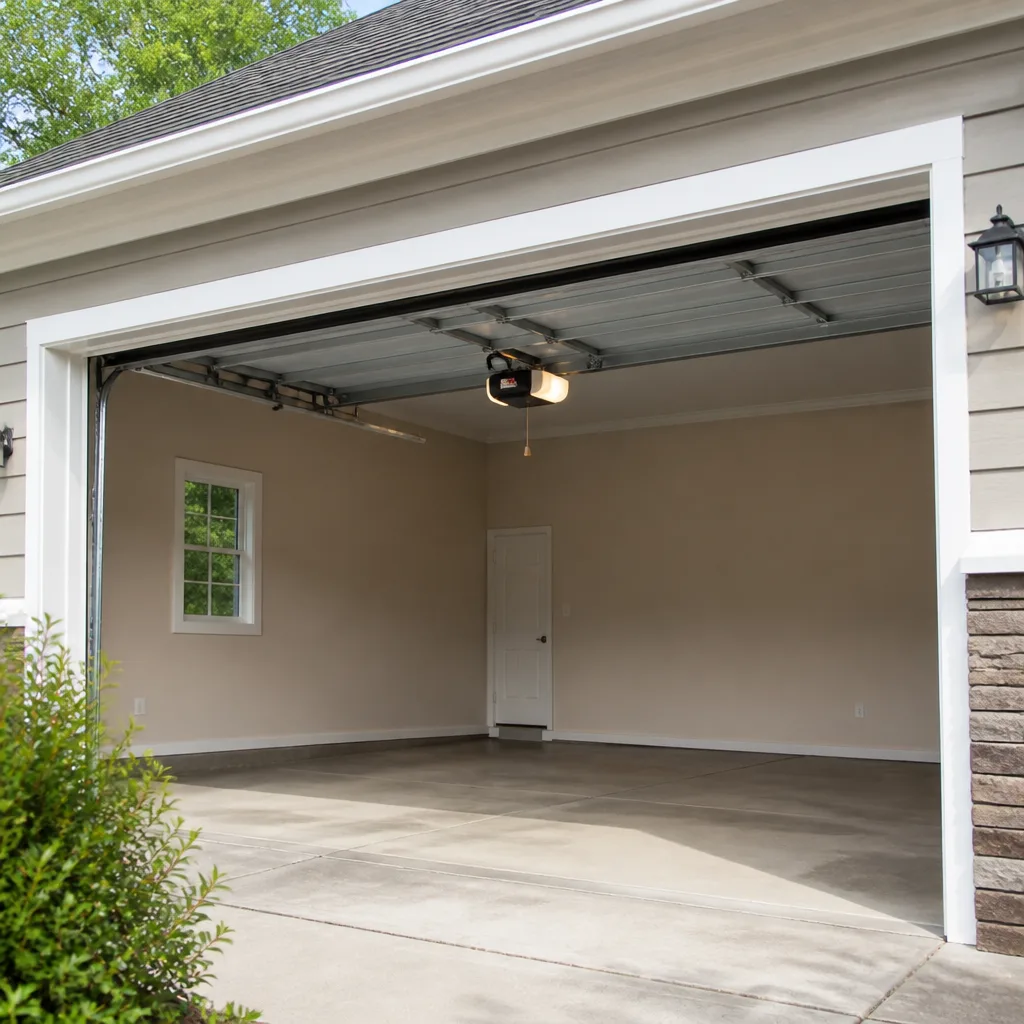 Chamberlain openers
Full 25-point door and opener safety check with every visit - springs, cables, rollers, tracks, and your LiftMaster or Chamberlain opener included
You get a price before we start. It does not change when the pro arrives.
Get your free estimateGarage Door Permits, Codes & Inspections in NV: What You Need to Know
Replacing a garage door with the same size and material in the same opening is usually permit-exempt in Nevada. Widen that opening by a foot, swap a solid door for one with windows, or add a new opener circuit, and you’ve crossed into permit territory. In Boulder City, that means something most state-level guides never mention: your project can fall under both the city’s own building department and Clark County requirements, and if you’re anywhere near the Historic District, a design review gets layered on top. This guide covers the thresholds that trigger a permit, what “like-for-like” actually means in legal terms, the fire-rated door rules between a garage and a living space, and what happens when unpermitted work surfaces during a home sale.
Quick Answer
In Nevada, a straight replacement of a garage door with the identical size, material, and configuration in the same opening generally does not require a permit. Any structural change – widening or raising the opening, altering the header, adding a new electrical circuit for an opener – does require a building permit, and in Boulder City those projects are reviewed by the city’s building department alongside applicable Clark County requirements. Projects in or adjacent to the Historic District add a design review step before the building permit is issued.
Styles & brands we work with
- Raised-panel steel
- Carriage house
- Modern flush
- Full-view glass
- LiftMaster openers
- Chamberlain openers
Table of Contents
- What Triggers a Permit for Garage Door Work in Nevada?
- What “Like-for-Like Replacement” Means Legally
- Boulder City’s Layered Review: Building Permit Plus Design Review
- Fire-Rated Doors Between Garage and Living Space
- Opener Circuits, GFCI, and the Electrical Permit
- What an Inspection Actually Looks At
- When Unpermitted Work Turns Up During a Home Sale
- Common Mistakes to Avoid
What Triggers a Permit for Garage Door Work in Nevada?
Nevada adopts the International Residential Code with state amendments, and Clark County and its municipalities layer their own administrative rules on top. The code speaks in terms of “alteration” versus “repair.” Repair restores something to its original condition. Alteration changes the size, shape, or structural character of the building. That distinction decides whether you need a permit.
Here’s where the line falls in practice:
- No permit usually required: replacing a door of the same width and height in an unchanged opening, swapping a broken spring, replacing rollers, cables, or an opener with a unit of the same type and amperage.
- Permit required: widening or raising the rough opening, replacing the header or any load-bearing framing, changing from a single door to a double door, adding a new electrical circuit, or converting a carport to an enclosed garage.
- Permit plus design review: any exterior change visible from the street in Boulder City’s Historic District or the surrounding overlay.
We’ve seen the confusion most often on opener replacements. A straight swap of a Craftsman belt-drive for a LiftMaster of similar rating is repair. Running a new dedicated circuit from the panel because the old opener shared an overloaded line is alteration, and that’s an electrical permit. The door itself may not need review; the wiring does.
If your project includes a full door and track replacement rather than a simple swap, our Garage Door Installation in Boulder City page walks through how we sequence the measurement, permit question, and install.
What “Like-for-Like Replacement” Means Legally
“Like-for-like” is the phrase tossed around most loosely in this trade. Legally, it means the replacement matches the original in four dimensions: the size of the opening, the structural configuration of the wall, the material and weight class of the door, and the safety features required at the time of the original install. Change any one and the exemption may no longer apply.
Where contractors sometimes misapply the exemption to skip paperwork:
- Framing a slightly larger opening and calling it “the same door.” Two inches of added width means new framing and a header check. That’s alteration.
- Swapping a solid door for a windowed model without checking egress or wind-load requirements. Glass changes the structural rating on some models and the safety glazing rules apply.
- Replacing a door destroyed by impact without documenting the original spec. If the original was permitted and inspected, the replacement should match what’s on file.
- Installing a heavier insulated door on the existing track and springs and calling it a swap. The door changed weight class, and the spring system must be recalculated.
In our experience across Boulder City, the honest answer is usually simple: if the door is the same size, the same material family, and the opening is untouched, no permit is needed and we tell homeowners so. When it isn’t, we say that too, before any work begins. The flat price is stated upfront either way.
Boulder City’s Layered Review: Building Permit Plus Design Review
This is the part most Nevada permit guides skip entirely. Boulder City is one of the few municipalities in the state with its own building department operating alongside Clark County, and the city’s Historic District – roughly the original townsite grid near Nevada Way and the older residential blocks – carries an additional design review requirement for exterior changes.
For a garage door project in or adjacent to that district, the sequence looks like this:
- Confirm jurisdiction. Is the property inside city limits, and is it in or abutting the Historic District overlay?
- Design review first. Exterior door changes visible from the street go through the city’s design review, which looks at material, color, panel style, and how the door reads against the streetscape.
- Building permit next. Structural changes, opening alterations, and electrical work get their own permit with the city’s building department.
- Inspection. Framing and electrical inspections happen at defined stages; final inspection confirms the installed work matches the approved drawings.
What this means for a homeowner on, say, Avenue K or one of the older blocks off Wyoming Street: the door you pick off a showroom floor may need approval before it goes on the truck. A stamped-steel raised-panel door in a color the district already has tends to move through review faster than a full-view glass-and-aluminum design. We’ve seen reviews come back with a request for a different panel style, and the scheduling shifts by a couple of weeks. Plan for that. It’s not a reason to skip the step.
For straightforward repairs inside the district, none of this applies. A broken spring or a cable off the drum isn’t an exterior alteration. That’s where our Garage Door Repair in Boulder City service comes in, and most of those jobs are finished in one visit.
Fire-Rated Doors Between Garage and Living Space
The door between an attached garage and the house is a fire separation, and the code requirement is straightforward: a solid wood door at least 1-3/8 inches thick, or a 20-minute fire-rated door, self-closing and self-latching, with no opening into a sleeping room. This has been in the IRC for years and Nevada adopts it. What catches homeowners off guard is the self-closing part. A door that swings free isn’t compliant, even if it’s the right thickness.
Where this intersects with garage door work: when a project changes the garage enclosure – converting a carport, adding a wall, reconfiguring the entry – the fire separation door and its hardware get inspected along with the rest of the assembly. And when we’re in a Boulder City home doing a door replacement, we often notice the house-to-garage door has lost its closer or been swapped for a hollow-core unit at some point. That’s worth flagging, because it’s cheap to fix and it’s the kind of thing a home inspector writes up.
Two more details we check on every visit:
- The door must latch on its own. A closer that lets it rest an inch open defeats the purpose.
- Drywall or an approved equivalent on the garage side of the wall, extending up to the roof deck in most configurations.
None of this is difficult. It’s just easy to forget until a sale inspection points it out.
Opener Circuits, GFCI, and the Electrical Permit
Garage door openers live on a dedicated circuit, and the receptacle serving the opener is subject to GFCI protection under current code as adopted in Nevada. If you’re replacing an opener, the circuit question matters more than the unit itself. An older Boulder City home with a 1970s panel may have the opener sharing a circuit with the garage lighting, or no grounded conductor at all. That’s when the job moves from a one-visit opener swap to an electrical permit and a licensed electrician.
Our rule of thumb: if the existing wiring is sound and the new opener draws the same or less, we can typically install it without an electrical permit. If a new circuit is needed, it gets permitted. We tell homeowners which scenario they’re in before we quote, not after.
Openers themselves have safety requirements that inspectors check – the photoelectric safety reversal system and the pressure-sensing reversal. Any opener installed since the early 1990s has both. If you’re running a Chamberlain or LiftMaster unit from an older install, the safety eyes should be tested monthly, and we check them on every service call. More on how we handle those installs is on our Garage Door Opener in Boulder City page.
Safety note: opener circuits and panel work are not DIY territory. A garage door spring carries the full weight of the door under tension, and the electrical side carries live current. Both warrant a trained professional. We handle the mechanical work; permitted electrical work goes to a licensed electrician.
What an Inspection Actually Looks At
Homeowners often picture an inspection as a rubber stamp. In practice, the inspector is checking that what’s installed matches what was approved and that the safety systems work. For garage door work, here’s what comes up:
- Framing inspection: header size, king and jack studs, and how the opening was altered against the approved plan.
- Electrical rough-in: circuit size, GFCI protection, box mounting, and the disconnect or receptacle location for the opener.
- Final inspection: door operation, safety reversal, label verification on a fire-rated door, and confirmation that the door matches the approved design if review was required.
In our experience, most inspection delays trace back to one thing: the installed product doesn’t match the submittal. A different panel style, a different color, a door from a different manufacturer than the one specified. The inspector is comparing paperwork to reality. When those match and the safety systems work, finals move quickly. If you’re scheduling a project in Boulder City, budget a couple of weeks for the review and inspection sequence, and don’t order the door before design review clears if you’re in the district.
When Unpermitted Work Turns Up During a Home Sale
This is the scenario that costs the most, and it comes up more than people expect. A buyer’s inspector notes that the garage opening was widened, or that an opener circuit was added, and there’s no permit on record. Now what?
The liability generally lands on the seller, because the seller owns the condition. Depending on the jurisdiction and how the work was done, the resolution runs one of three ways:
- Retroactive permit. The city reviews the existing work, inspects it as-built, and issues a permit after the fact if it meets code. This costs more than a permit pulled upfront, because it involves opening walls or verification work.
- Remediation. If the work doesn’t meet code, it comes out and gets redone to standard, then inspected.
- Disclosure and credit. Sometimes the parties agree to a price adjustment and the buyer takes on the permit process. This is the messiest outcome for everyone.
For a Boulder City home in or near the Historic District, a retroactive permit can also trigger the design review process after the fact, which is not where you want to be. The door’s already installed. If the panel style doesn’t clear review, it comes off.
The clean version of this story is short: pull the permit when the work happens, keep the final inspection card with your home records, and hand it to the buyer. That’s a two-minute conversation at closing instead of a two-month negotiation.
Common Mistakes to Avoid
- Assuming “same size” means “same door.” A 16-by-7 opening can hold a dozen different door weights and ratings. If the material or weight class changes, check whether the exemption still applies before you order.
- Ordering the door before design review clears in Boulder City. A nonrefundable order on a door that fails review is an expensive lesson. Get the approval first, then the lead time starts.
- Letting a contractor talk you out of a permit to save a week. The week comes back at closing. Ask for the permit number in writing.
- Forgetting the fire door between house and garage. Inspectors catch it, buyers catch it, and it’s the cheapest fix on this list – usually a closer and a solid-core door.
- Overlooking the GFCI requirement on the opener receptacle. It’s a two-dollar part and a five-minute check that fails a lot of older garages.
- Tossing the final inspection card. It’s the proof that resolves the whole unpermitted-work scenario at sale time. Keep it with the appliance manuals.
- Treating Historic District review as a formality. It isn’t. Material and color choices get scrutinized, and the process adds real time to the schedule.
See the difference
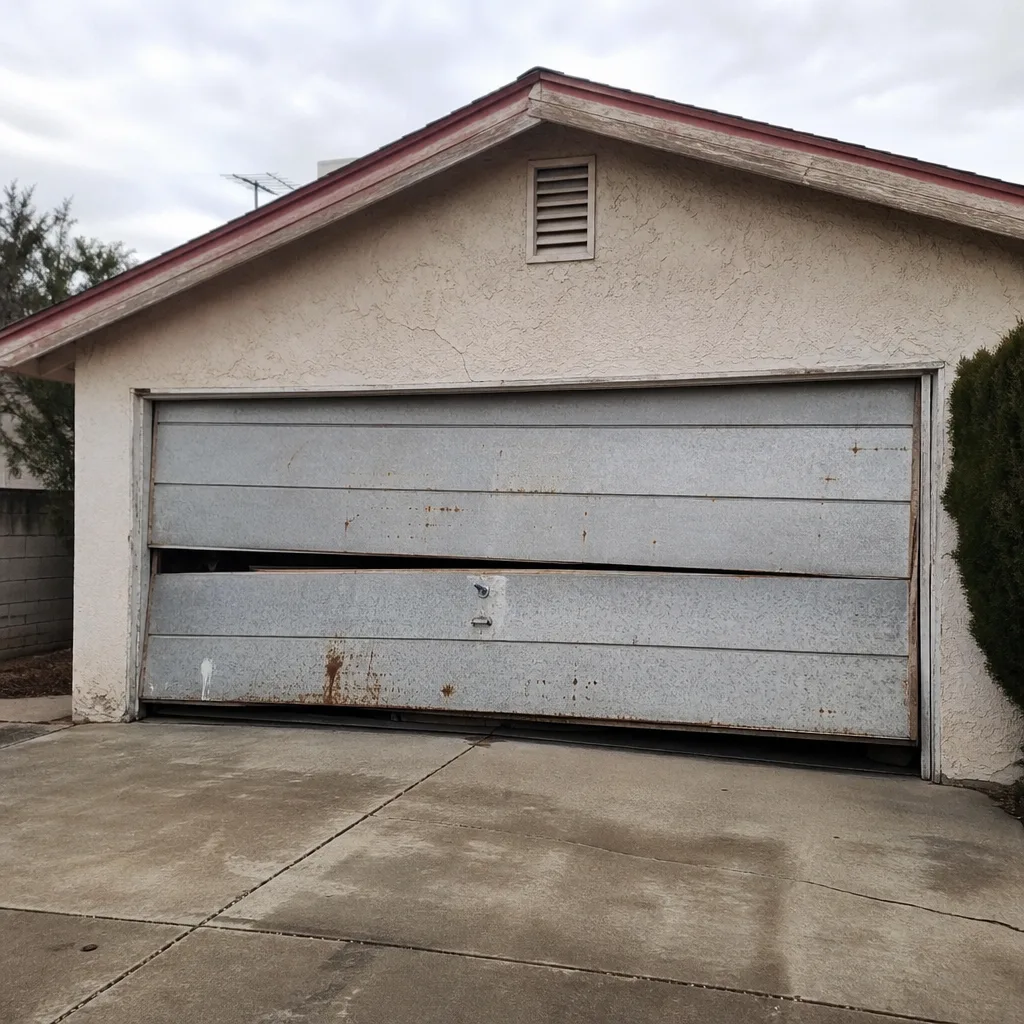 Before
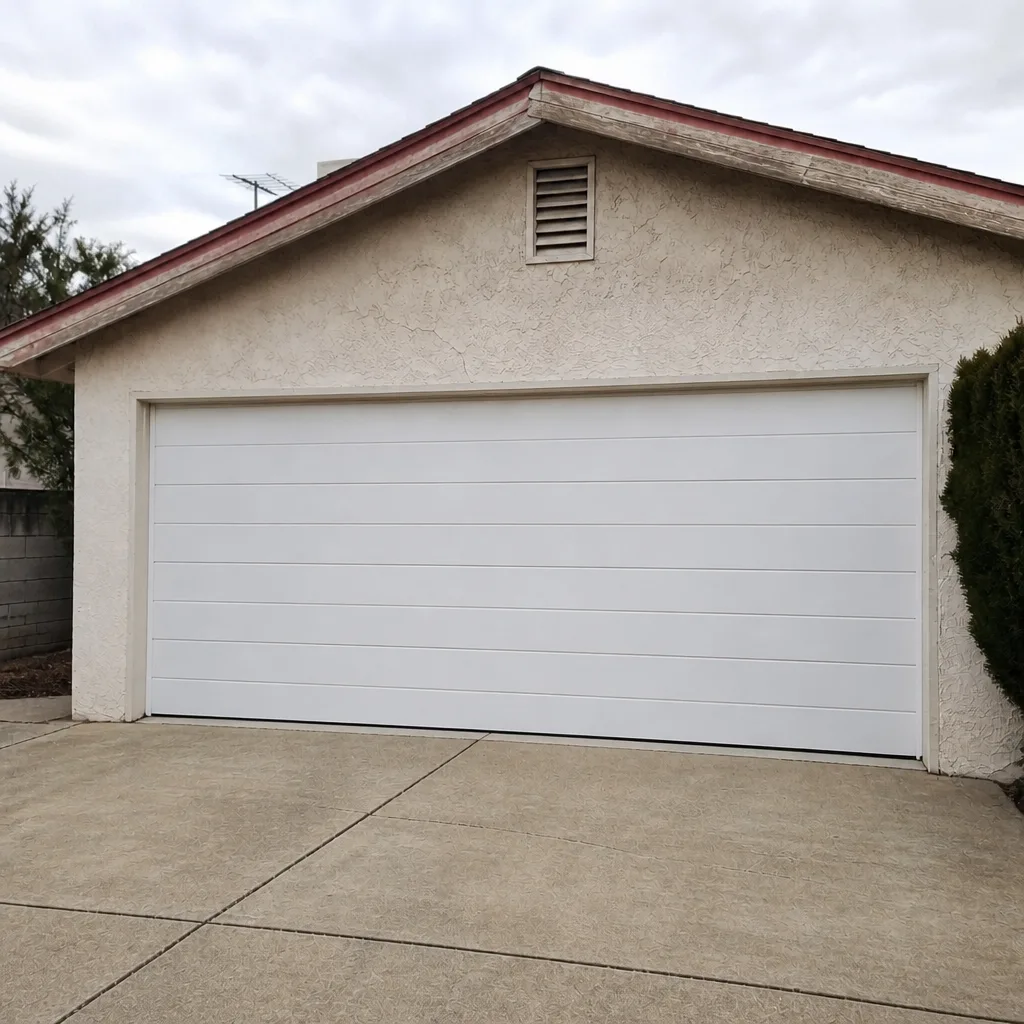 After
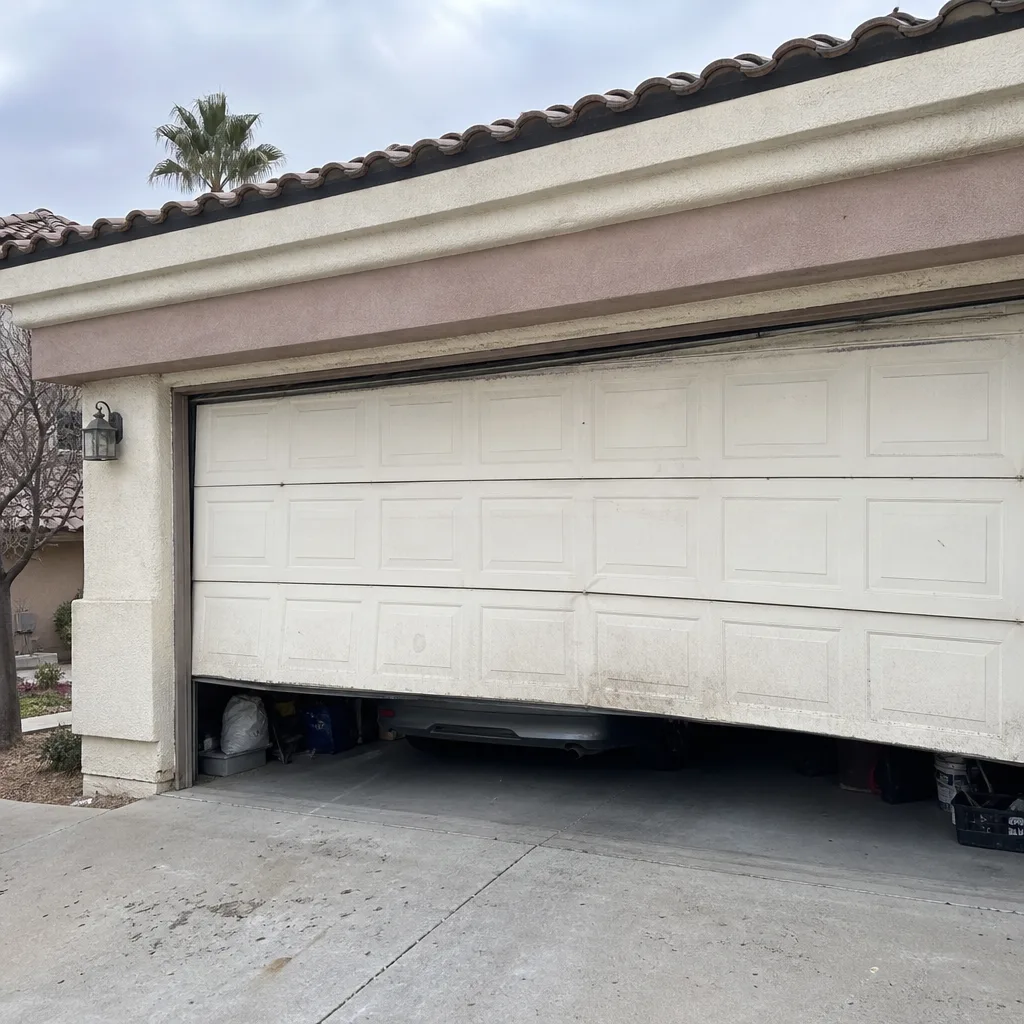 Before
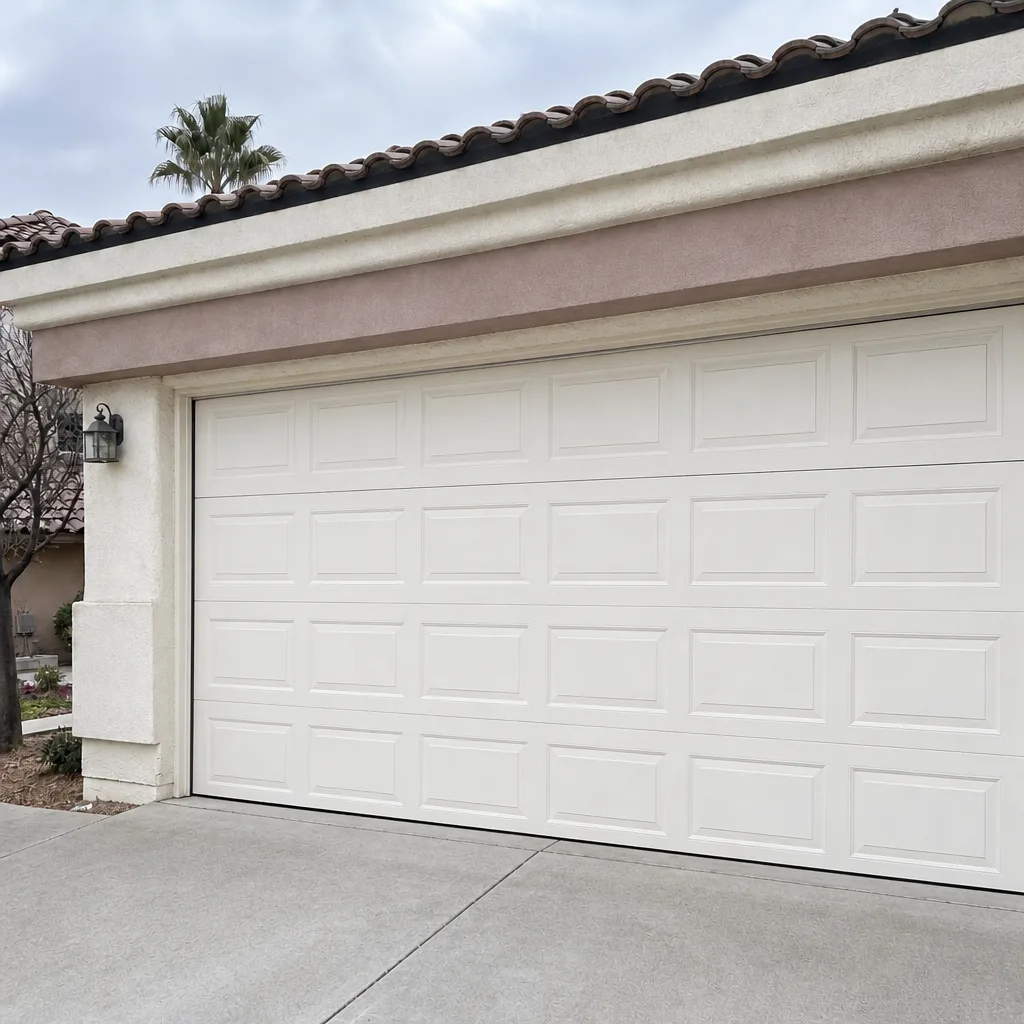 After
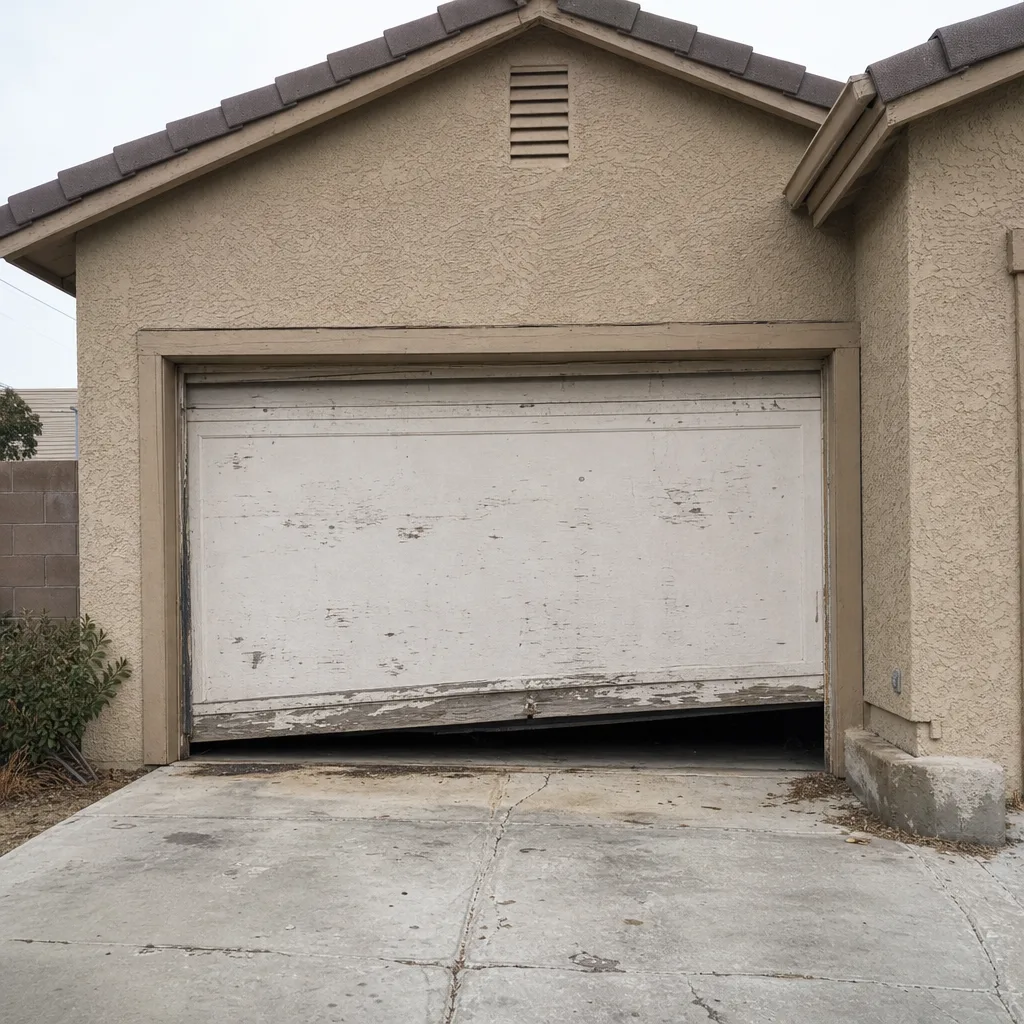 Before
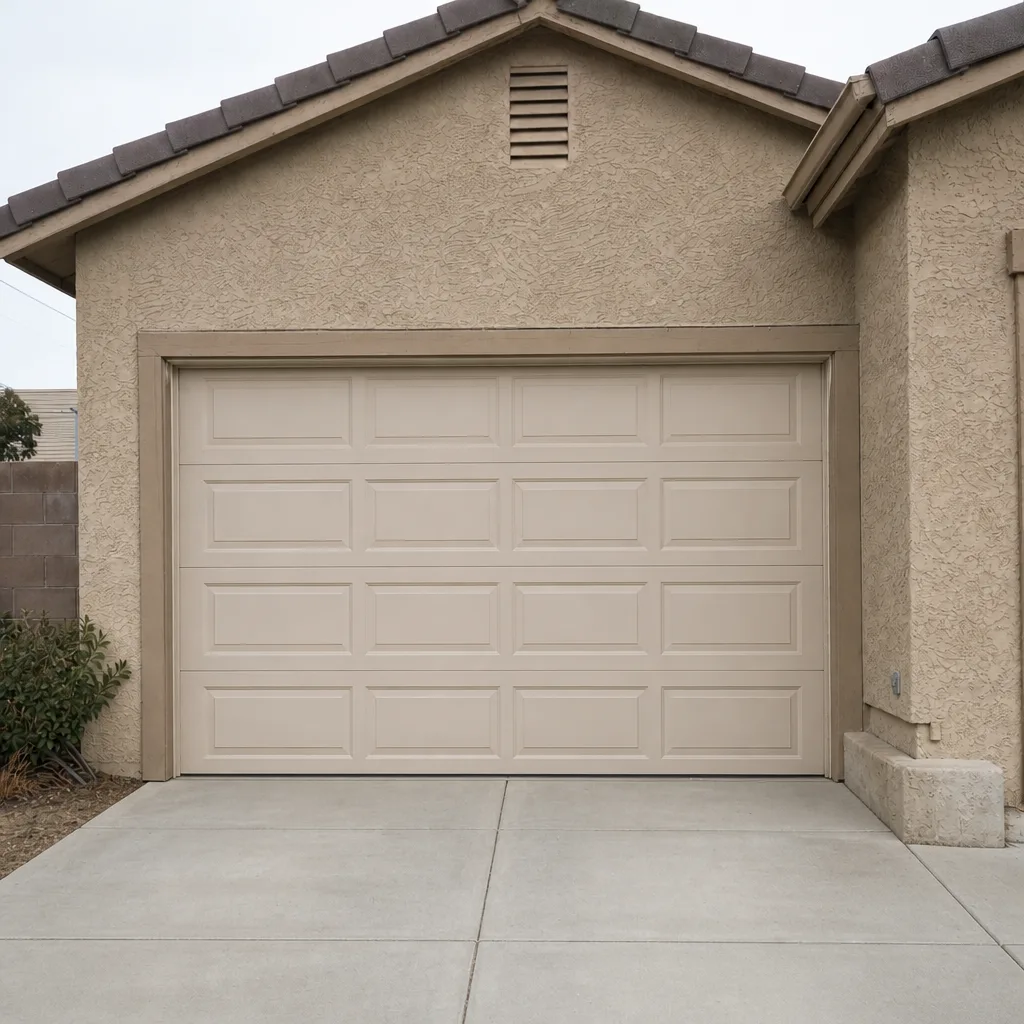 After
When to Call a Professional
A garage door is the heaviest moving assembly on a house, and the torsion spring that lifts it holds lethal tension. If your door is out of balance, the cables are slack, or the springs are showing gaps in the coils, that’s a professional call – not a weekend project. The same goes for anything that touches the opening’s framing, the header, or a new electrical circuit, because those are the exact items that either need a permit or need a licensed electrician. If you’re in Boulder City and you’re unsure which side of the line your project falls on, a site visit settles it faster than a phone call. Mainspring Garage Door Co. Boulder City offers free estimates in Boulder City – call (833) 605-8582 and we’ll tell you plainly whether you need a permit and what the work will cost, quoted and agreed before anything starts.
Frequently Asked Questions
Usually no, if the door is the same size, material, and configuration in the same opening with no framing or electrical changes. Widening the opening, altering the header, or adding an opener circuit does require a permit, and in Boulder City you’re also dealing with the city’s own building department and, in the Historic District, design review. Call (833) 605-8582 for a free second opinion on any written estimate you’ve been given.
Yes, for exterior door changes visible from the street in or adjacent to the Historic District. The review looks at material, color, and panel style against the surrounding streetscape, and it happens before the building permit is issued. We’ve seen simple raised-panel steel doors clear review quickly while full-view glass designs draw requests for changes. Our Mainspring Garage Door Co. Boulder City home page has more on how we handle the local process.
Penalties vary by jurisdiction and the work involved, but the bigger cost is what happens at sale: a retroactive permit costs more than the original permit would have, and remediation costs more still. Some jurisdictions also charge investigation fees that multiply the longer work goes undisclosed. The upfront permit is always the cheaper route, and it’s worth getting a quote before you commit to anything.
Yes, under the IRC as adopted in Nevada, it must be a solid wood door at least 1-3/8 inches thick or a 20-minute fire-rated door, self-closing and self-latching, with no opening into a sleeping room. Many older Boulder City homes have lost the closer or had the door swapped for a hollow-core unit. It’s a quick fix, and we flag it on every service visit.
Allow a couple of weeks for design review and inspection scheduling on Historic District projects, and less for a straightforward building permit outside the district. The door itself often has a longer lead time than the permit, so sequence the review first and start the order after it clears. If you’re on a timeline, call us and we’ll walk through the sequence with you.
The liability falls on the property owner, and the resolution is either a retroactive permit, remediation to code, or a negotiated credit at sale. In the Historic District, retroactive work can also trigger after-the-fact design review, which may mean the door comes back off. A permit pulled at the time of the work and a final inspection card kept with your home records resolves all of it.
The Bottom Line
Most garage door replacements in Nevada don’t need a permit. The projects that do tend to be the ones homeowners underestimate: widened openings, header changes, new opener circuits, and anything that changes the look of the house in Boulder City’s Historic District. When in doubt, ask before you order. Keep the final inspection card with your home records. And if the work touches structure, electrical, or the springs, bring in a pro – the price is quoted and agreed before the work starts, and the job is backed in writing for 90 days. That’s a square deal, and it’s how we’ve operated for over four decades.
Ready to get a straight answer on your project? Call Mainspring Garage Door Co. Boulder City at (833) 605-8582 for a free estimate. A live person answers the phone around the clock, and we’ll tell you plainly whether your work needs a permit, what it will cost, and when we can be there.
Written by the team at Mainspring Garage Door Co. Boulder City.