
Last updated November 18, 2026
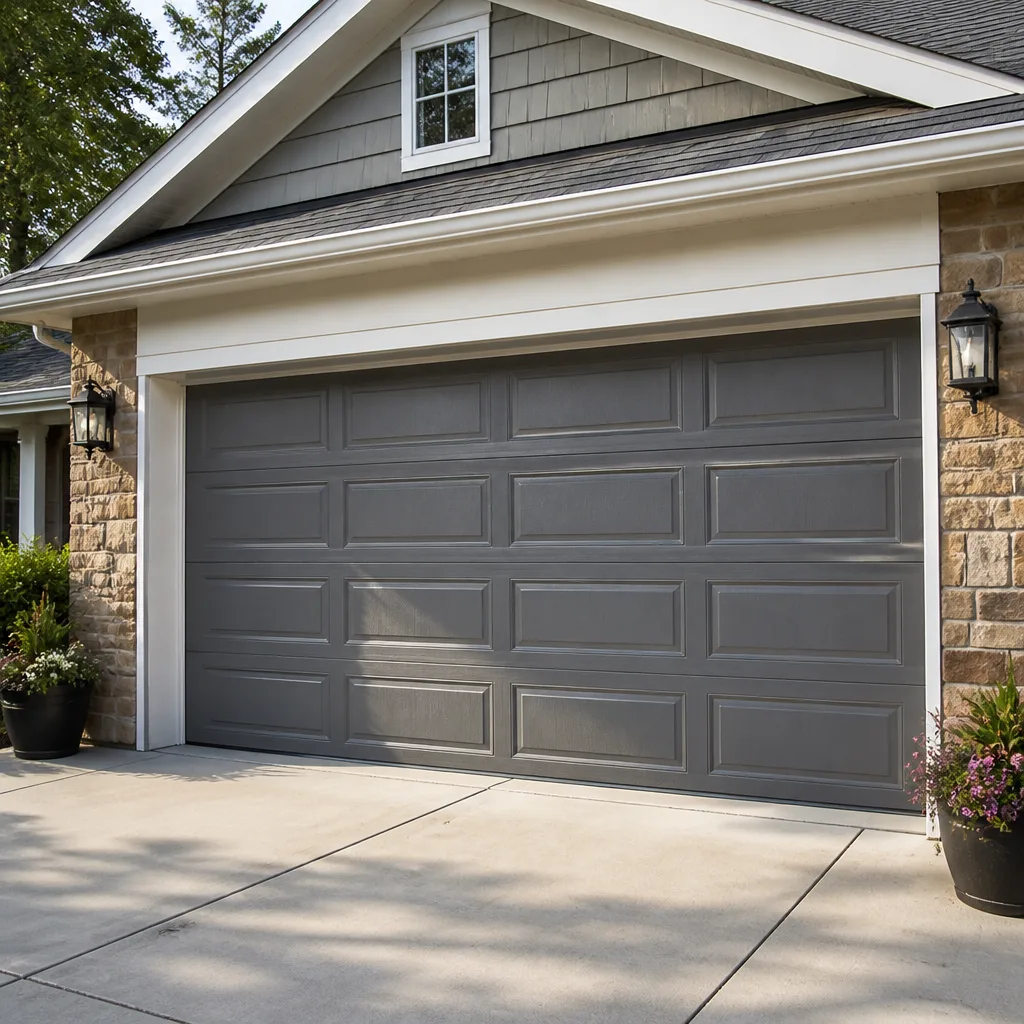 Raised-panel steel
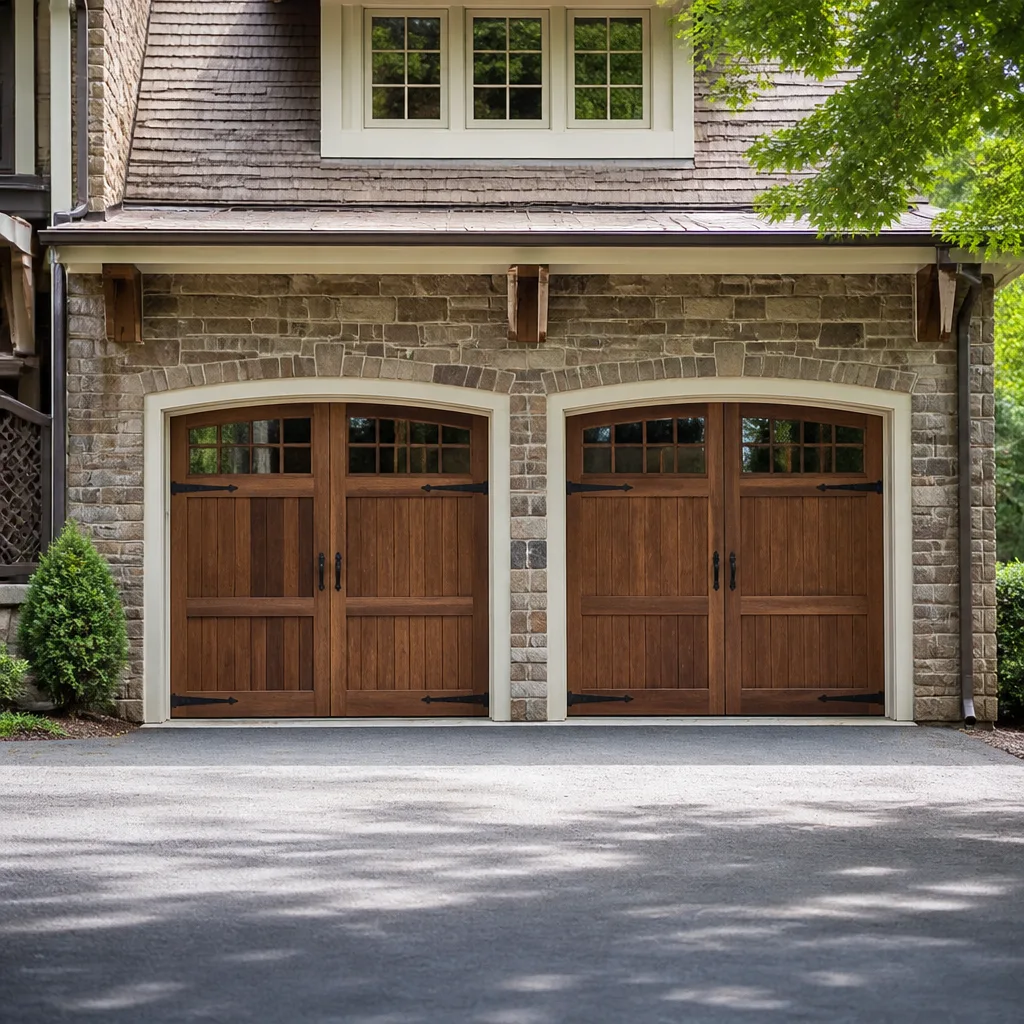 Carriage house
 Modern flush
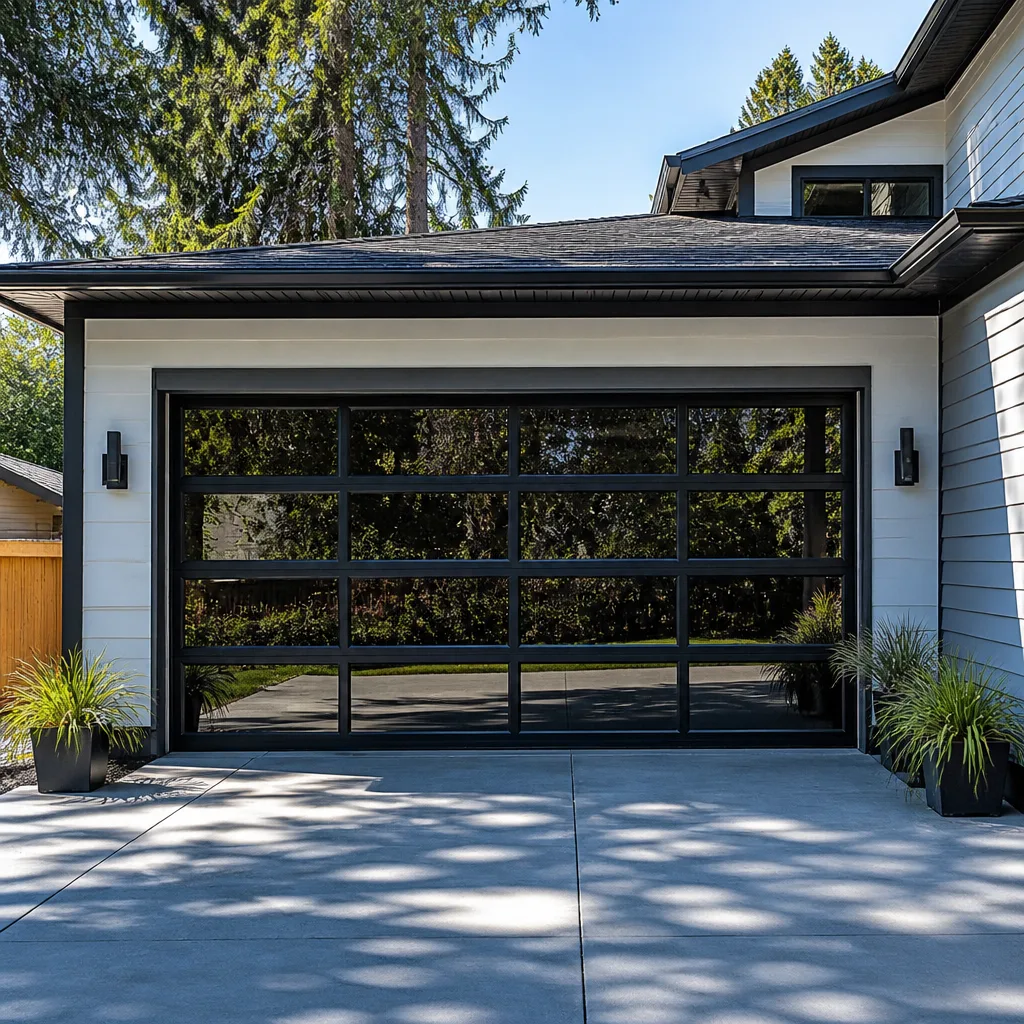 Full-view glass
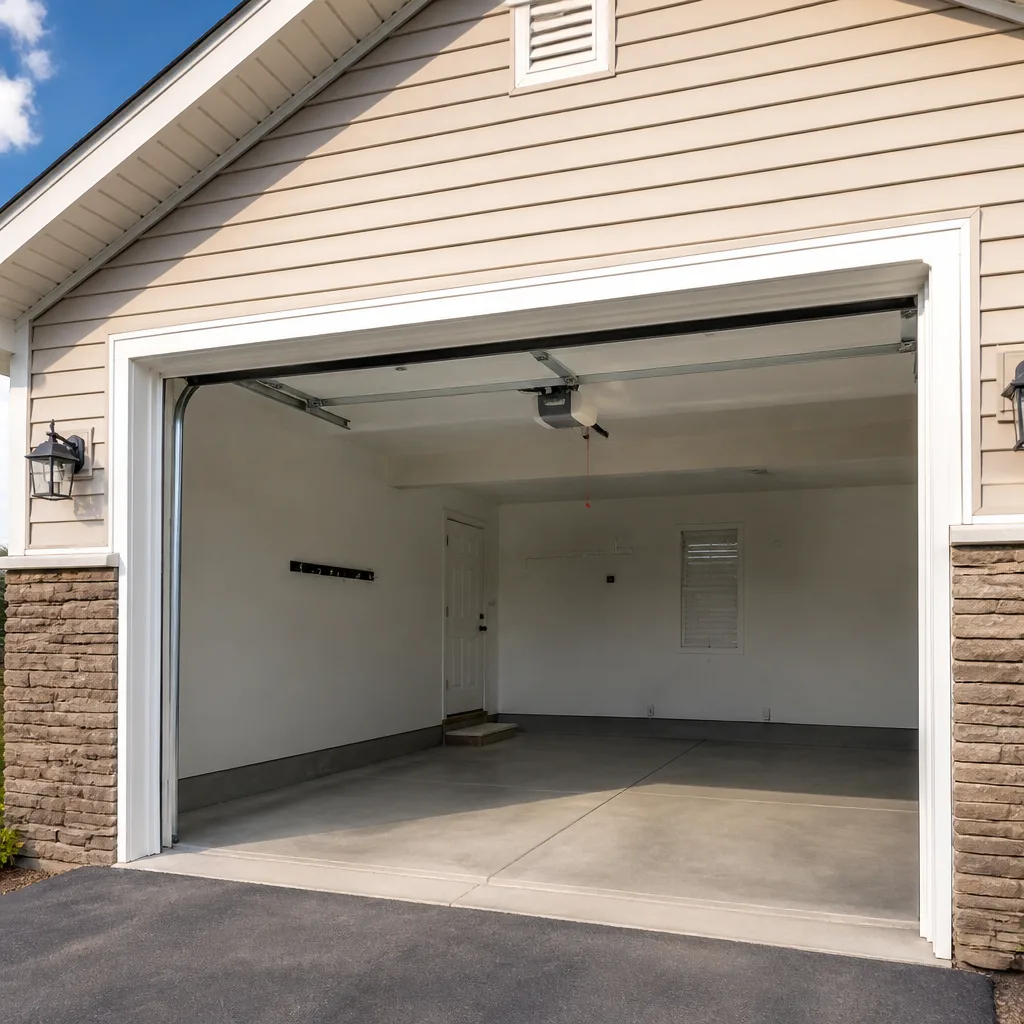 LiftMaster openers
 Chamberlain openers
Full 25-point door and opener safety check with every visit - springs, cables, rollers, tracks, and your LiftMaster or Chamberlain opener included
You get a price before we start. It does not change when the pro arrives.
Get your free estimateGarage Door Installation Warning Signs Every Homeowner Should Know
The most expensive garage door mistake isn’t buying the wrong door. It’s accepting a rushed install and finding out a year later, when the warranty clock has already run out. We’ve watched this play out in Boulder City more times than it should: a door that looked straight on install day starts dragging by July, the opener motor begins to strain, and the first snapped cable shows up long after the installer’s truck is gone. This guide gives you the tells to look for on install day, the paperwork to demand before anyone leaves, and the one test you can run in your driveway the same afternoon. It’s written for homeowners who plan to stay put and want the job done once.
Quick Answer
The clearest signs of a bad garage door installation are uneven gaps between panels, tracks that aren’t plumb, springs that sit off-center on the shaft, an opener that strains or surges, and missing documentation like model numbers and warranty terms on the invoice. A properly installed door runs quietly, stays balanced when you lift it by hand, and comes with a written scope of work. If any of those are missing on install day, the problem is already there, even if the door opens and closes.
Styles & brands we work with
- Raised-panel steel
- Carriage house
- Modern flush
- Full-view glass
- LiftMaster openers
- Chamberlain openers
Table of Contents
- Physical Tells You Can Spot on Install Day
- Why a Door That “Works Fine” Can Still Be Installed Wrong
- The Balance Test Every Homeowner Should Run the Same Day
- Paperwork Red Flags: What Should Be on the Invoice
- Springs and Cables: The Parts That Quietly Fail First
- Boulder City Heat and the Thermal Expansion Problem
- Warranty Voiding: How Bad Installations Cost You Twice
- Your Install-Day Checklist
Physical Tells You Can Spot on Install Day
Most of what goes wrong with an installation is visible in the first ten minutes if you know where to look. Walk out with the technician still on site and check these points before the truck pulls away. In our experience, a rushed install almost always leaves at least one of these marks.
- Uneven gaps between panels. Run your eyes down each vertical seam. The gap should be uniform top to bottom. A wider gap at one end means the panels aren’t square to each other, and that door will rub.
- Tracks that aren’t plumb. A level held against the vertical track tells the story in seconds. Tracks that lean even slightly will cause the rollers to bind and the door to drift.
- Springs off-center on the shaft. The torsion spring should sit centered, with equal spacing on each side. An off-center spring loads unevenly and shortens the life of the whole assembly.
- Rollers seated wrong. Each roller should sit fully in its hinge and track. A roller half-seated will pop out within weeks.
- Weather seal gaps. The bottom seal should touch the floor evenly across the full width. Light showing under one corner means the door wasn’t leveled.
None of these require tools beyond a level and your eyes. A crew that did the job right won’t mind you looking. A crew that hurried will find a reason to leave quickly.
Why a Door That “Works Fine” Can Still Be Installed Wrong
Here’s the part that catches most homeowners: an incorrectly installed door often opens and closes normally for the first few months. That’s because improper spring tension masks itself. The springs are wound too tight or too loose, and the door still moves. What hides the problem is the opener. The motor makes up the difference, working harder than it should, and you don’t hear the strain until months later when the motor starts laboring, the door slows near the top, or the opener quits altogether.
We’ve seen this pattern in Boulder City on doors less than two years old. The homeowner calls about a failing opener. The opener was fine. The install was not. A door with correct spring tension should feel nearly weightless when you lift it by hand. If yours feels heavy or drops fast, the springs were never set right.
The same applies to a door that runs loud. A properly installed door with quality hardware runs quiet. Grinding, rattling, or a thump at the top of travel usually traces back to tracks out of alignment or springs wound incorrectly, both of which are day-one mistakes.
The Balance Test Every Homeowner Should Run the Same Day
You can check whether your door was installed correctly with one test, done the same day the crew finishes. All you need is your hands and about a minute. Do this before the installer leaves so any adjustment happens on their time, not yours.
- Disconnect the opener. Pull the release cord so the door is running on its springs alone.
- Lift the door to about waist height by hand. Hold it there with the bottom edge around hip level.
- Let go. Do not push it, do not guide it. Just release.
- Watch what it does. A properly balanced door stays exactly where you left it. If it drifts down, the springs are too loose. If it rises on its own, they’re too tight.
- Reconnect the opener and report the result before the crew leaves.
A door that drifts even a few inches means the spring tension needs adjustment. Ask for it to be corrected on the spot. If the installer tells you the drift is normal, that’s your sign they either don’t know how to balance a door or don’t want to. Cables and torsion springs carry the entire weight of the door and are under extreme tension. This test is safe because you’re only lifting to waist height and releasing. Anything more involved, like adjusting the springs themselves, belongs with a trained technician. We don’t recommend homeowners touch the torsion assembly.
Paperwork Red Flags: What Should Be on the Invoice
The paperwork is where a bad installation gets papered over, literally. A written invoice tells you exactly what was installed, and it protects you when something fails. If any of the following are missing, treat it as a warning sign.
- No written scope of work. The invoice should list what was installed: door model, opener model, springs, hinges, and any hardware. “Garage door install” alone tells you nothing.
- No model or serial numbers. Every door and opener has these, and every warranty claim depends on them. A manufacturer like Amarr or Raynor will ask for the serial number before honoring anything.
- No stated warranty terms. Manufacturer warranties vary by brand and by whether the door was installed by a certified installer. Wayne Dalton and LiftMaster, for example, tie certain coverage to proper installation. If the invoice says nothing about warranty, you have nothing to fall back on.
- No contractor information. The business name, license number, and contact information should appear on the document.
- Cash-only, no receipt. A legitimate installer will always leave a written record.
Keep that invoice in a folder. It’s the difference between a covered repair and an out-of-pocket one. If your existing install didn’t come with one, that’s a good reason to have the door inspected now, before a problem shows up.
Springs and Cables: The Parts That Quietly Fail First
When an installation goes wrong, the springs and cables take the hit first, because they carry the full weight of the door. Springs wound to the wrong tension work harder every cycle and fail early, sometimes in as little as a year on a door that should get a decade or more. Cables can snap when a door is unbalanced or the tracks are off. A cable under load is a real hazard. If one snaps, keep the door down, don’t run the opener, and call a technician. Do not try to reattach a cable or adjust a spring yourself; those parts store enough energy to cause serious injury.
In our Boulder City work, we can usually tell within a few minutes whether a door was installed right by looking at the spring assembly and listening to the cycle. Springs that failed early are the tell. If you’ve had the same door for several years and the springs already gave out, an installation problem is worth considering. A proper garage door repair in Boulder City will include checking the balance and the spring tension, not just swapping the broken part.
Boulder City Heat and the Thermal Expansion Problem
Boulder City summers are hard on steel. Panels expand in the heat and contract at night, and an installation that didn’t account for that expansion will develop binding issues by July or August. The tell is a door that ran fine in spring and starts dragging when the weather turns hot. We see it on steel doors installed in a tight frame with no clearance left for movement. The fix is usually an adjustment, but an installer who understood the local climate would have left room in the first place.
Boulder City sits at elevation, which means wider temperature swings than the flat desert below. Doors that hold up here are installed with clearance, lubricated with heat-tolerant grease, and balanced for a cycle count that includes a few hundred extra hot-weather cycles a year. If your door was installed by a crew that works mainly in Las Vegas or Henderson, it may not have been set up for our conditions. That’s worth a look. A door installed correctly for Boulder City runs smooth in January and in July.
The other local factor is dust. Boulder City’s dry air carries grit, and tracks installed without proper clearance collect it and start to bind. Proper installation leaves just enough play in the track for the rollers to run clean.
Warranty Voiding: How Bad Installations Cost You Twice
A bad installation costs you once when the door fails and a second time when the warranty won’t cover it. Manufacturers like Amarr, Wayne Dalton, and Raynor write their warranties around proper installation. If the installer wasn’t certified, skipped the required hardware, or installed the door outside the manufacturer’s specs, the manufacturer can decline the claim. You’re left paying for a repair on a door you technically own outright.
The paperwork is your proof. Model number, serial number, install date, and installer name are all a manufacturer asks for when you file. If any of those are missing, the claim gets harder. A voided warranty on a door that should last fifteen years can cost thousands.
The other issue is the labor warranty. A proper install comes with the installer’s written commitment to fix their own mistakes. Ask for it in writing. If the answer is verbal, or “we’ll take care of you,” that’s not a warranty. Our 90-Day Done Right Promise exists for exactly this reason: if the work isn’t right, we come back at no charge, in writing, no argument. We put it on every job. Ask any installer what their equivalent is, and make sure the answer is on paper.
Your Install-Day Checklist
Run this checklist before the crew leaves the driveway. It takes ten minutes and catches nearly every problem we see down the road.
- Look down every panel seam: uniform gap, no widening at one end.
- Hold a level against both vertical tracks.
- Confirm the torsion spring is centered on the shaft.
- Check the bottom seal touches the floor evenly. No light showing under a corner.
- Disconnect the opener, lift to waist height, release. A balanced door stays put.
- Listen to a full open and close cycle. It should run quiet, no grinding or thumping.
- Read the invoice: model numbers, serial numbers, warranty terms, contractor name.
- Confirm the written labor warranty. If it’s verbal, ask for it in writing.
If you’re shopping for a new door rather than checking an existing install, the same points apply. Any reputable garage door installation in Boulder City will walk you through these checks without being asked. If a crew won’t, that’s the strongest warning sign on this list.
Common Mistakes to Avoid
- Skipping the balance test on install day. The crew is still on site and fixes it for free. A week later, it’s a service call. Run the test before they leave.
- Paying the final bill without the written invoice. In Boulder City, a crew that leaves without a documented invoice leaves you with no way to claim a warranty. Ask for it before you write the check.
- Assuming a quiet door was installed right. A poorly installed door can run quiet for months until spring tension and thermal expansion start to bind it. Quiet isn’t proof.
- Ignoring “works fine” strains on the opener. If your opener sounds louder than it did in the first month, the door is probably fighting it. That’s an install problem, not an opener problem.
- Letting a non-certified installer handle a warranty door. Brand warranties like those from Wayne Dalton and Amarr depend on proper installation. Confirm the installer’s credentials before they start.
- Not accounting for Boulder City heat. Doors installed tight with no clearance for thermal expansion develop binding issues by summer. Ask how the installer handles expansion here.
- Accepting verbal warranties. A “we’ll take care of it” is not a warranty. Get it in writing, with a stated term.
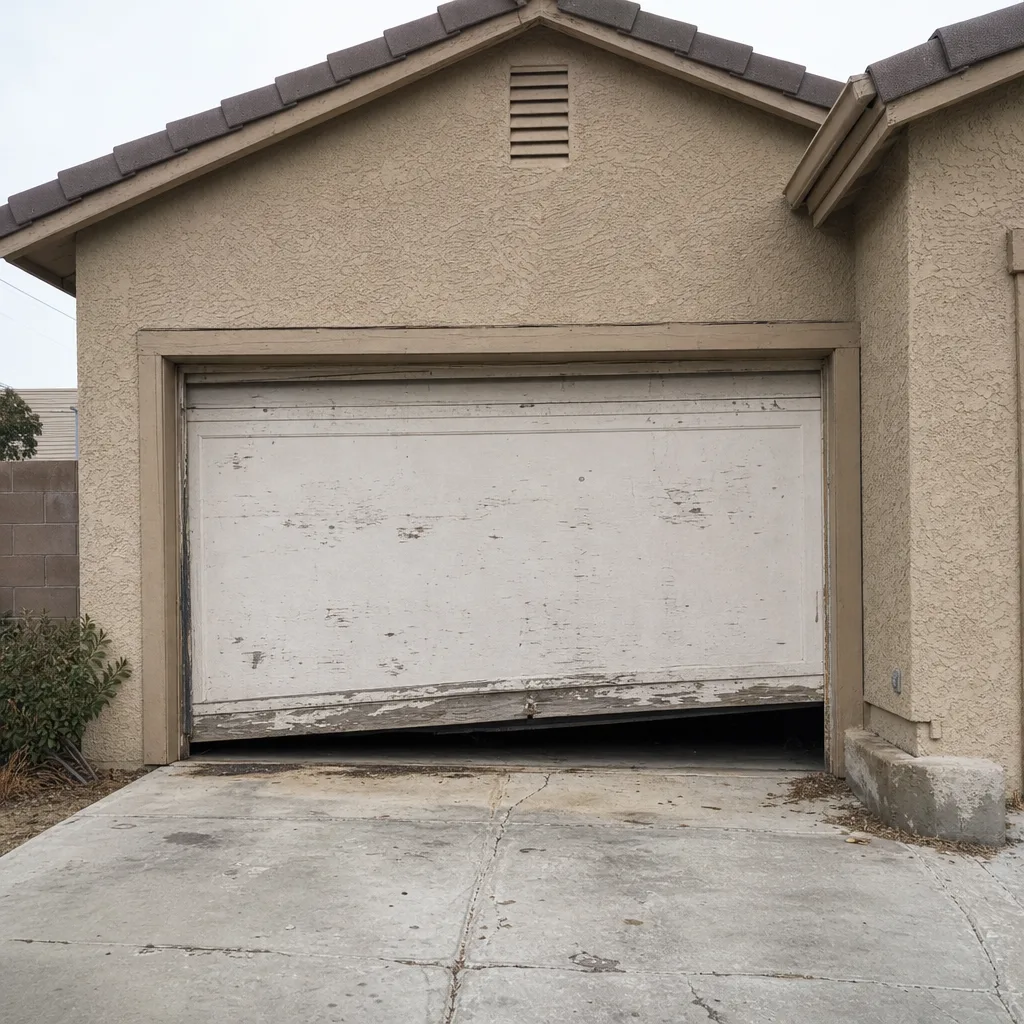
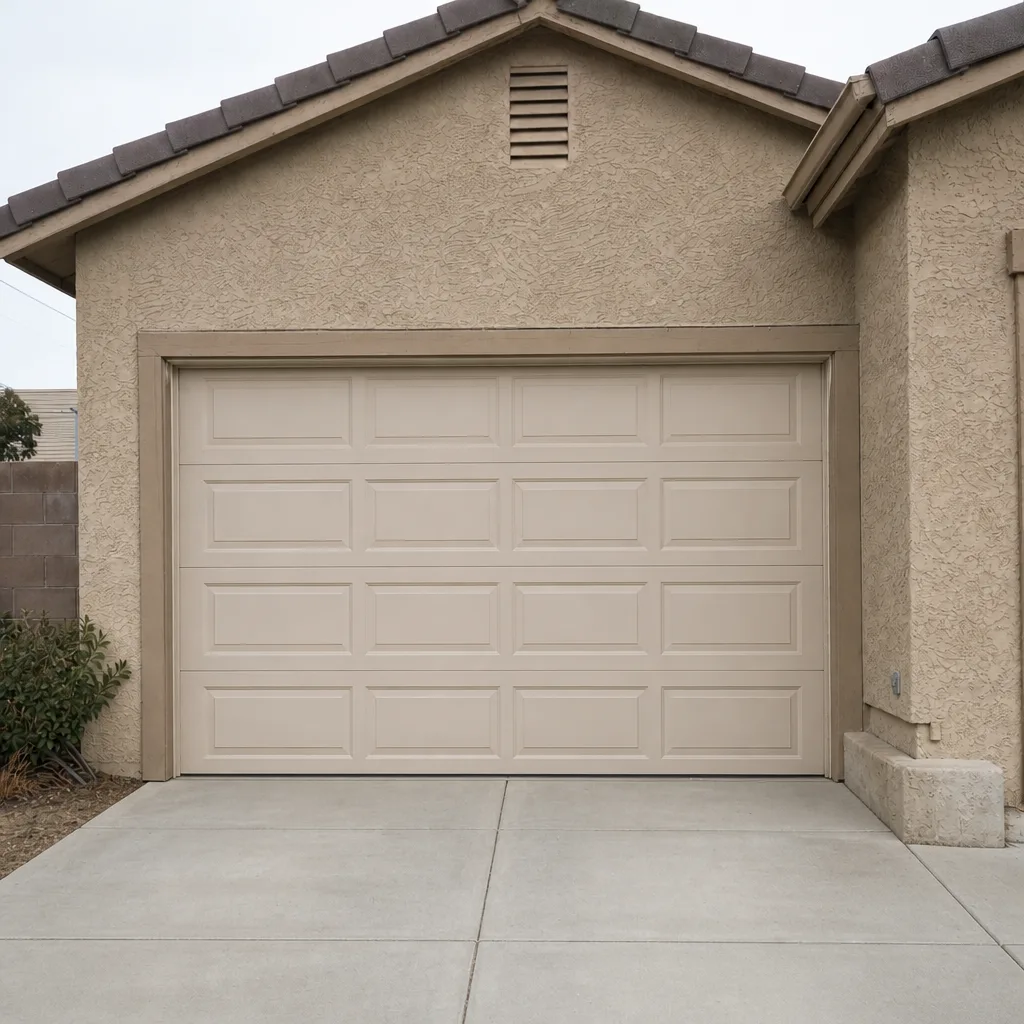
See the difference
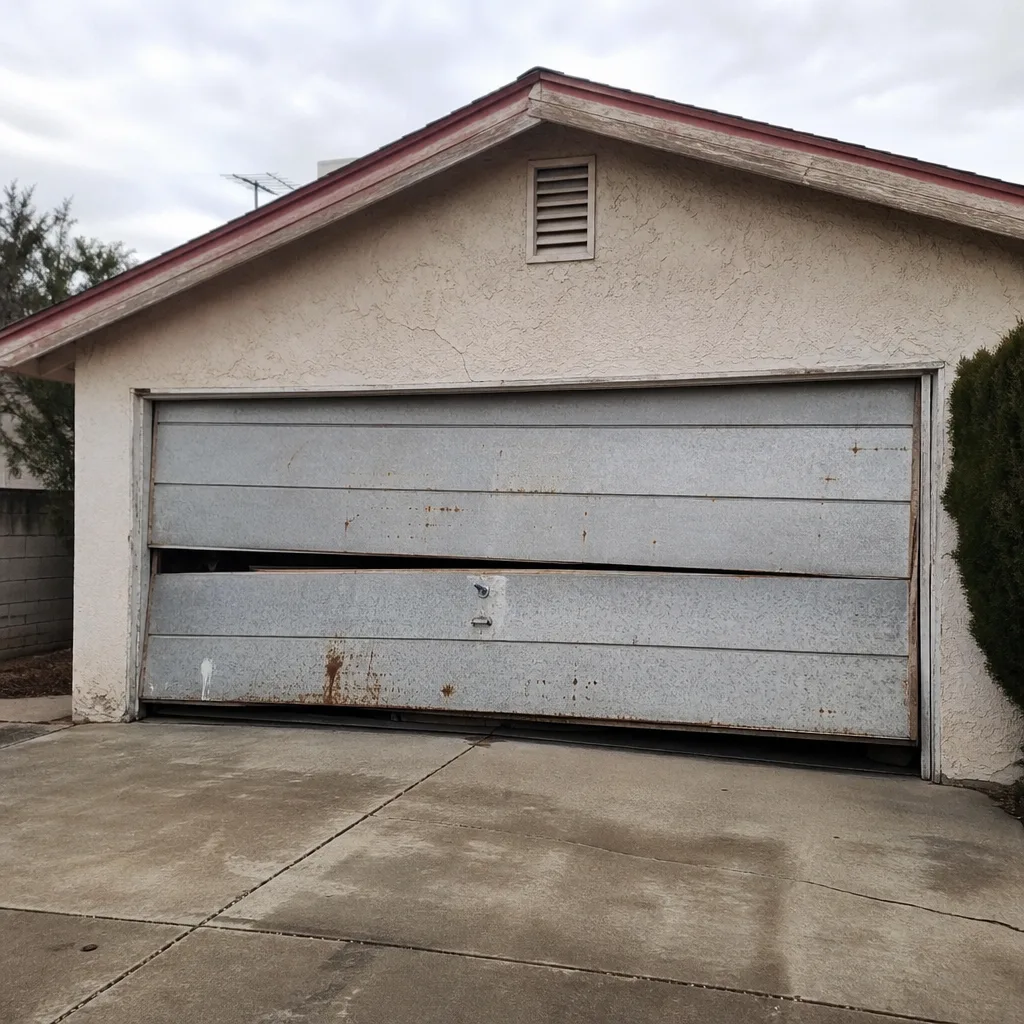 Before
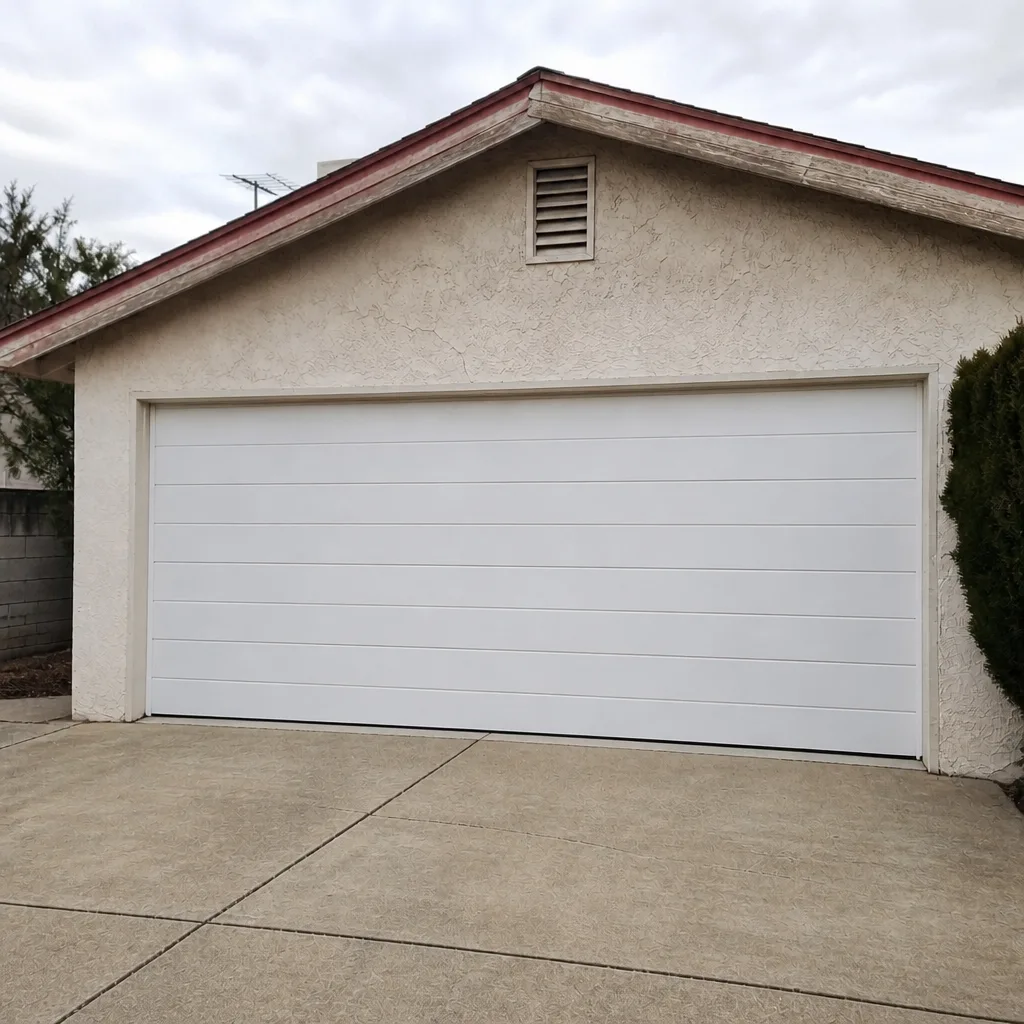 After
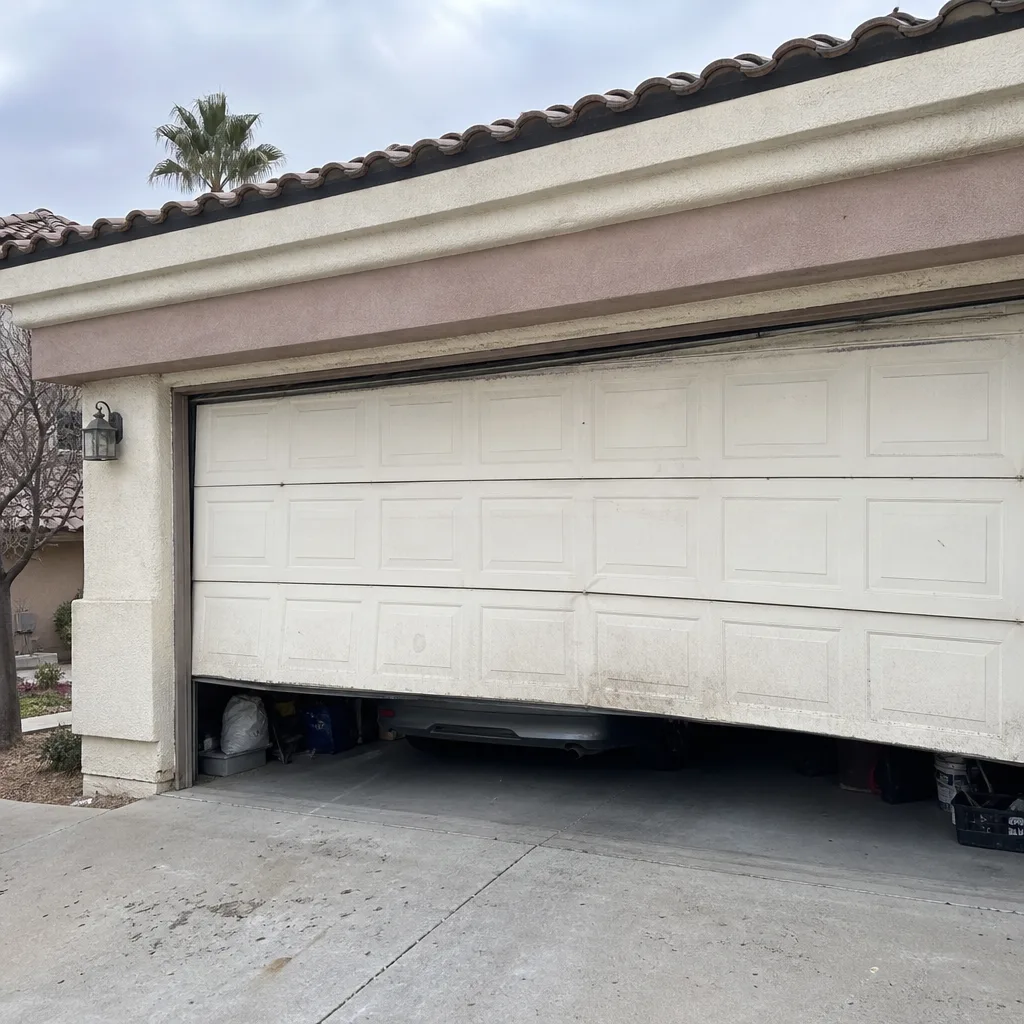 Before
 After
 Before
 After
When to Call a Professional
Some installation problems need a trained technician, not a homeowner with a wrench. Call a professional if you hear the opener straining, if the door drifts or drops when released from waist height, if a cable has snapped or come loose, or if you’re seeing uneven gaps and binding after a warm spell in Boulder City. Springs and cables carry the full weight of the door under extreme tension, and adjusting them without training is genuinely dangerous. Any door that feels heavy or jerky by hand needs a professional look. Mainspring Garage Door Co. Boulder City offers free estimates in Boulder City. Call (833) 605-8582 and we’ll tell you plainly whether your door needs an adjustment, a repair, or a closer look before the next hot season.
Frequently Asked Questions
The first signs are uneven gaps between panels, vertical tracks that aren’t plumb, springs off-center on the shaft, and an opener that sounds louder or strains after the first month. Run your eyes down the panel seams and hold a level to the tracks the day the install finishes. If any of those show a problem, ask the installer to correct it before they leave. Call (833) 605-8582 for a free estimate if you’re looking at a door someone else installed.
Fixing a bad installation in Boulder City typically runs $180 to $450 for an adjustment or rebalance, and more if springs or cables need replacement. Replacing a torsion spring pair usually lands between $340 and $520, and a snapped cable repair runs about $150 to $280. The exact price depends on the door’s size and condition. We quote the flat price before any work starts, so no surprises on the bill. Call (833) 605-8582 for an exact quote; estimates are free.
Yes. This is the most common situation we encounter. An incorrectly installed door often opens and closes normally for months because the springs are carrying wrong tension and the opener is quietly making up the difference. The damage shows up later as a failing motor or an early spring break. The same-day balance test is the only way to catch it before the bill arrives.
It can. Manufacturers like Amarr, Raynor, and Wayne Dalton tie certain coverage to proper installation by a qualified installer. If the installation didn’t follow the manufacturer’s specs, or the invoice doesn’t document the model and serial numbers, a claim can be denied. Keep the written invoice in a safe place. If you want a second opinion on an existing install, our free second opinion on any written estimate is a good place to start.
Run it yourself, with the technician still on site. The test is simple and safe: disconnect the opener, lift the door to waist height, let go, and watch. A properly balanced door stays in place. A door that drifts needs an adjustment, and it’s easiest and cheapest for the installer to correct it before they leave. Anything beyond that test, including spring adjustment or cable work, should be handled by a trained professional.
Steel panels expand in Boulder City’s summer heat and contract at night. A door installed without clearance for that movement will start to bind by July or August, even if it ran perfectly in spring. Boulder City’s elevation brings wider temperature swings than lower desert areas, which makes the clearance question more important here. If your door runs smooth in winter and drags in summer, thermal expansion is a likely reason. Call (833) 605-8582 before the next hot season.
The Bottom Line
Bad installation rarely announces itself. It waits six months, then shows up as a snapped spring, a binding door in July heat, or a warranty claim that gets denied because the invoice was missing the serial number. The good news is that a bad install is easy to catch on day one if you know what to look for: even panel gaps, plumb tracks, a centered spring, a quiet cycle, and the balance test. That’s the checklist. Run it before the crew leaves. If you’re looking at a door someone else installed, or you want a straight answer about whether the work was done right, call (833) 605-8582 and we’ll take a look at no cost. We’ll state the flat price before we start and stand behind it in writing. That’s how we’ve done business in Boulder City, and it’s how we’ll do it for you.
Written by the team at Mainspring Garage Door Co. Boulder City.